Iceland has an ample supply of geothermal energy and it is felt in everyday life. Cold tap water is not just potable, it feels clean and pure. I enjoy every sip. There are many places where the tap water is potable, but Iceland makes tap water delicious. Hot tap water smells like sulphur and I have to get used to it. After using the hot water, I like to keep the cold water running for just a bit, to get my drinking water. There are famous hot springs or spas like the Blue Lagoon. They are expensive, and one only goes there for an experience. Locals go to public swimming pools. The public swimming pool has clean, treated freshwater heated by natural geothermal energy. In addition to lap pools, there are hot tubs and cold tubs. They are very affordable. We went to one public swimming pool one morning, and greatly enjoyed it. We highly recommend it if you have two hours or so to spare and want to live like the locals.
I will remember Icelandic food for a very long time.
You don’t even need to like eating lamb to enjoy the lamb soup or lamb dishes. I am not much of a lamb person and I became one in Iceland. I had the best lamb soup after the Thrihnukagigur (inside the volcano) Tour and the best lamb steak at Reykjavik. In a way, it is a reminder of how food intake affects our body. Icelandic sheep are free to roam and graze on wild mountain vegetation. The bigger sheep often looks like one that needs shearing. The lady, who served us the lamp soup, is familiar with the sheep lifecycle, and takes pride that the farmers do not feed the sheep with grains or corn.
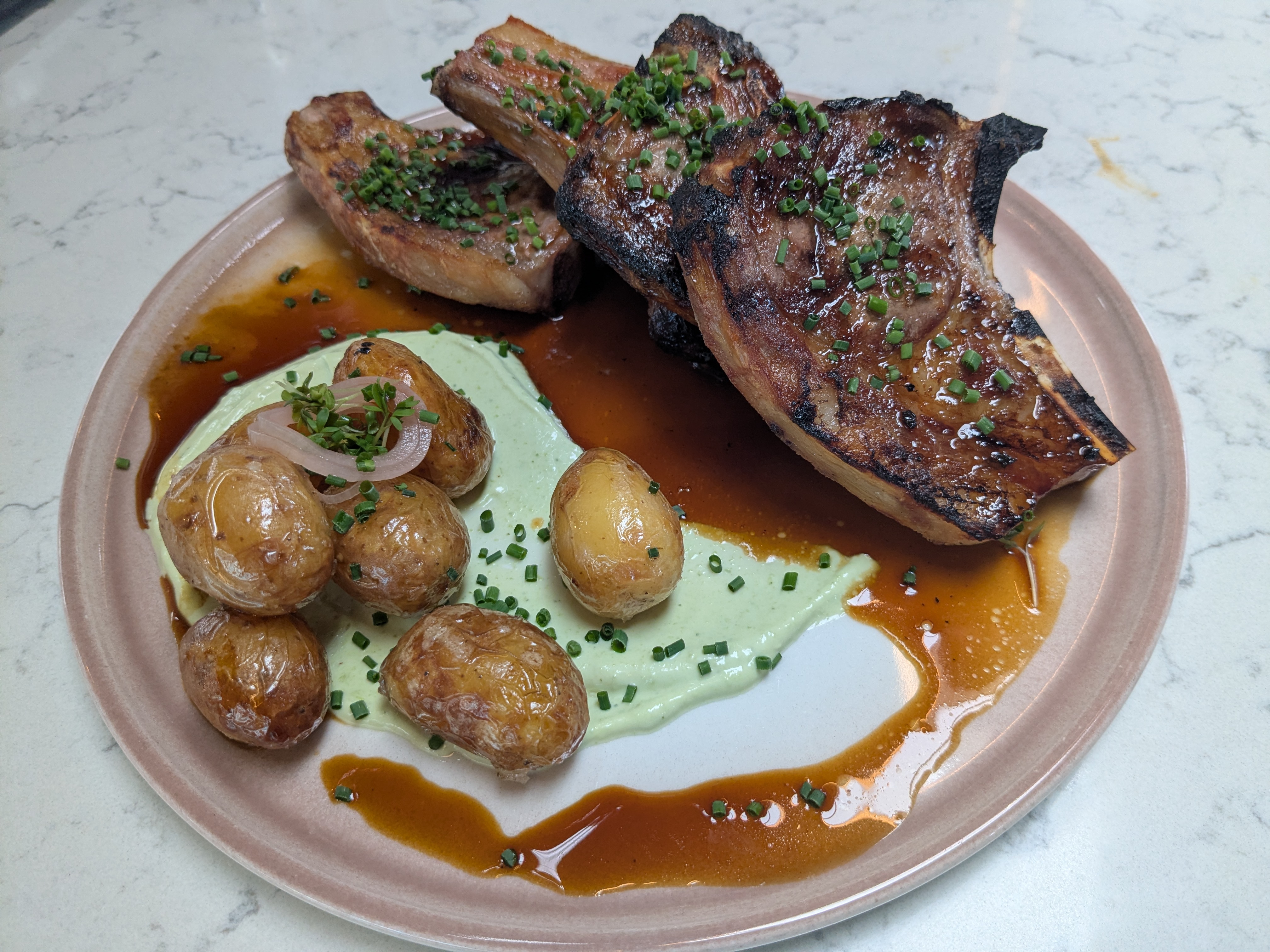
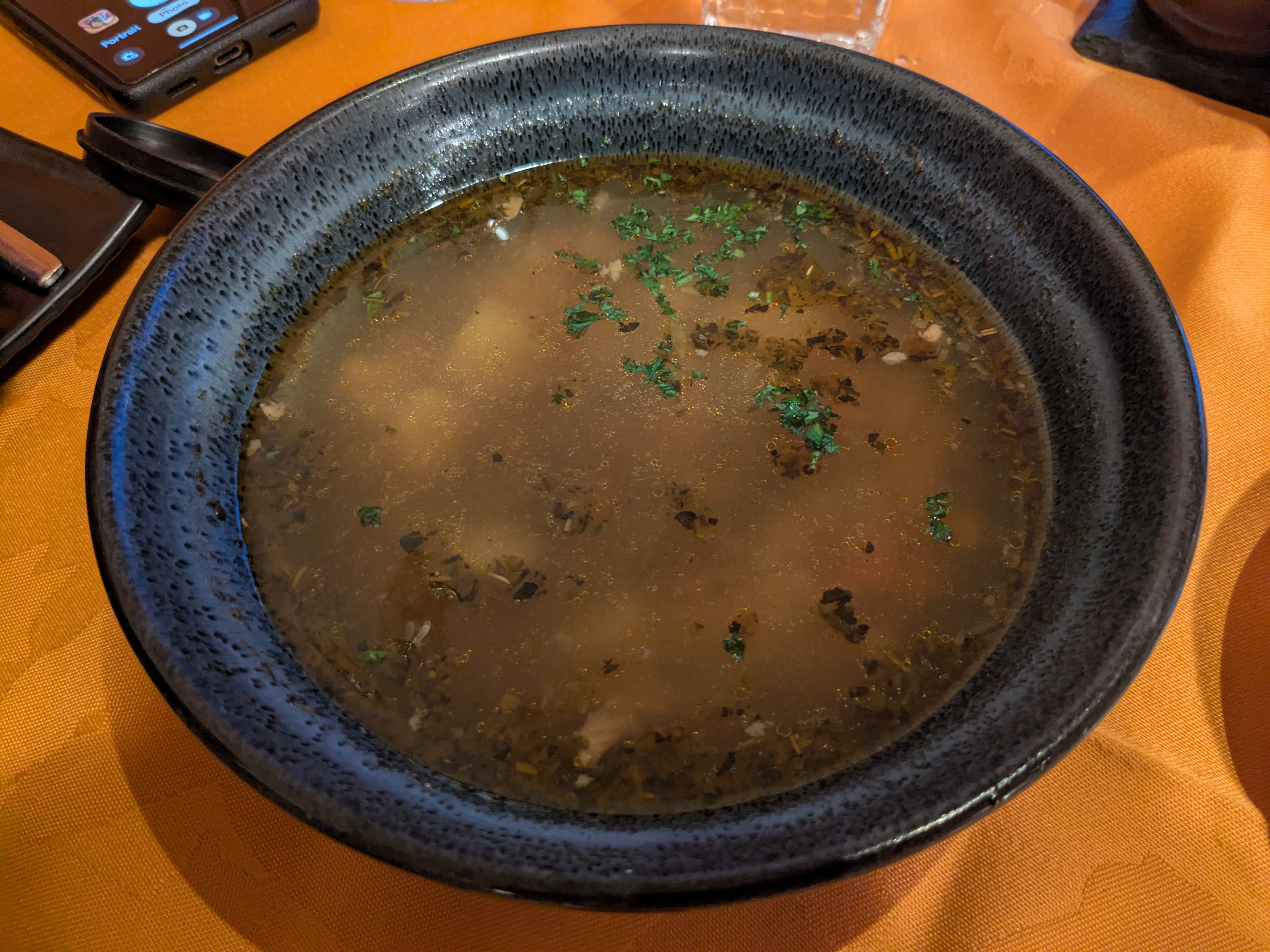
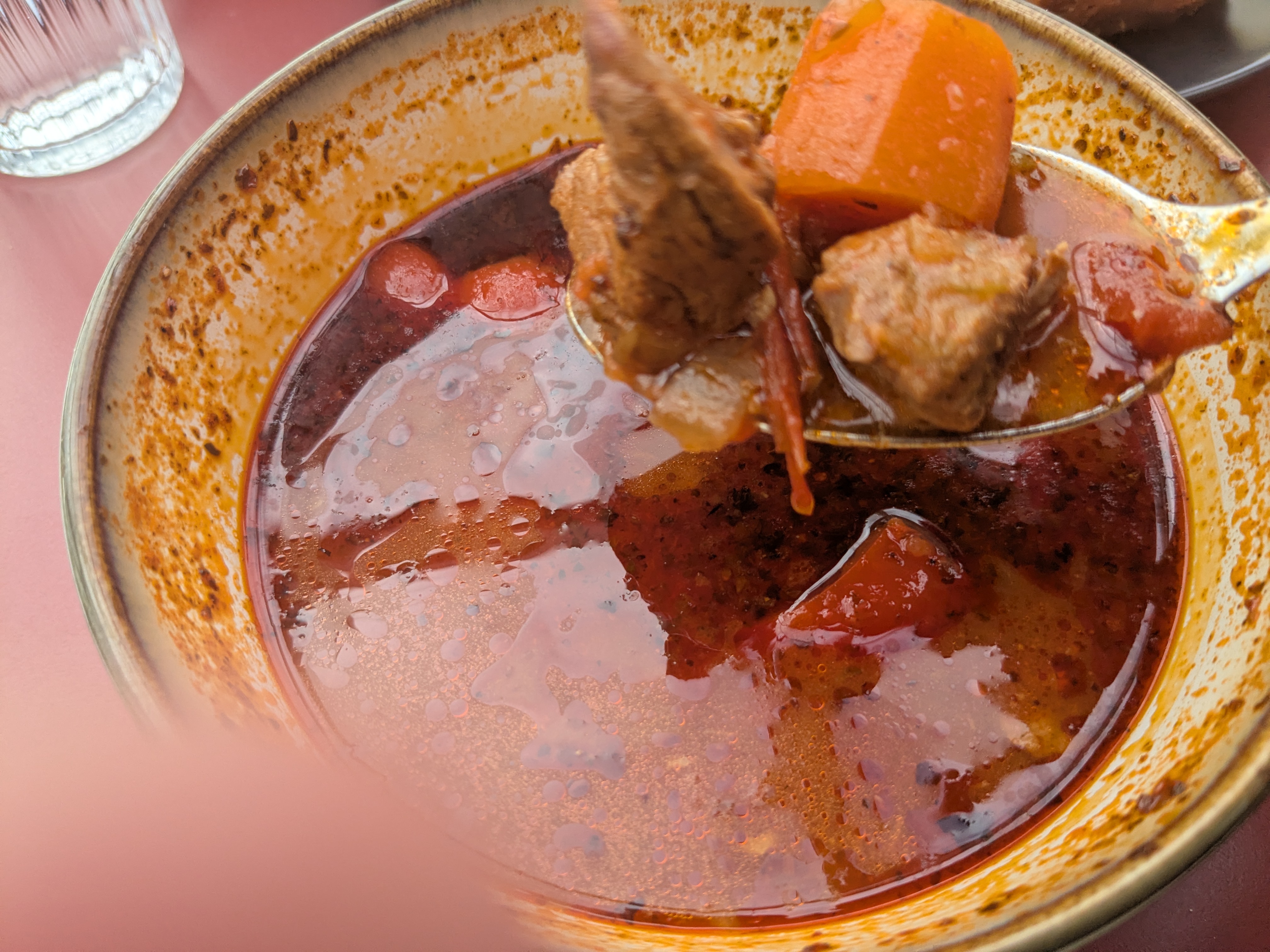
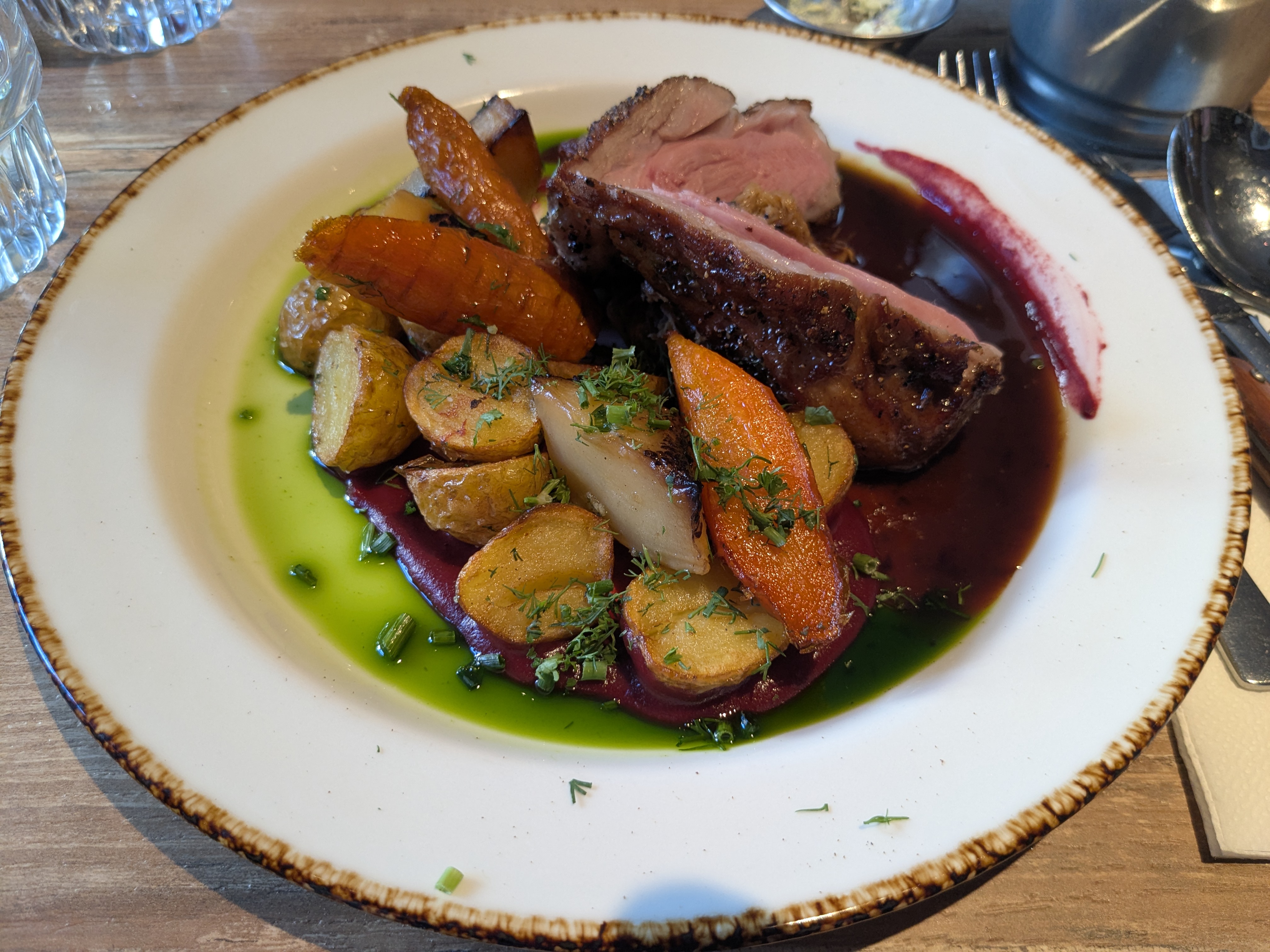
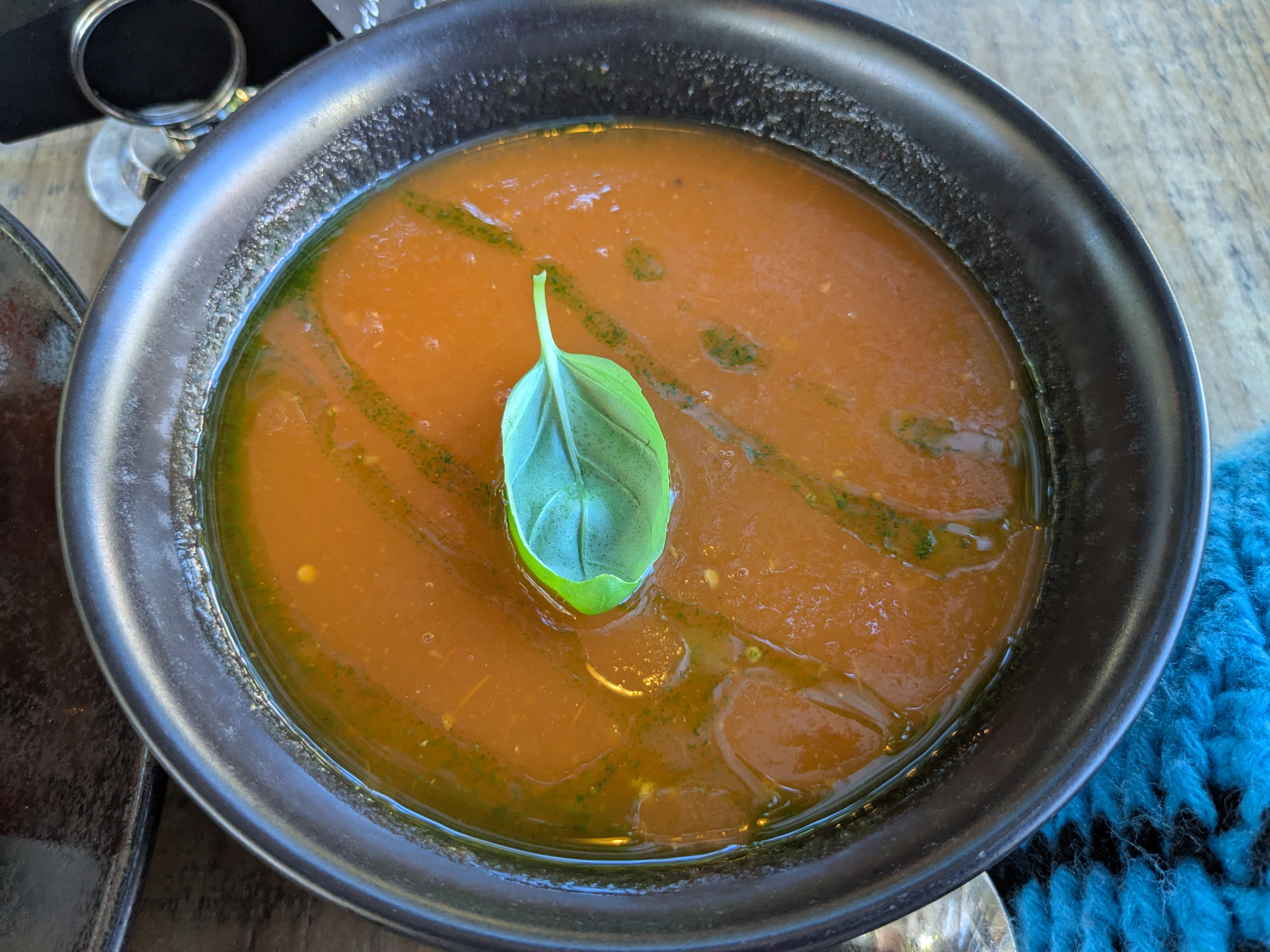
Short summer months and its volcanic soil makes it hard for Iceland to have grains and many other vegetables. Tomato is an exception where Icelanders have aced producing many of them in indoor tomato farms. It is surreal to see how the little soil can produce a tomato shrub that grows to over ten feet. These tomatoes make such fresh and tasty tomato soup. Tomatoes become the vegetable we consume the most as snacks on our road trips. They are really good.
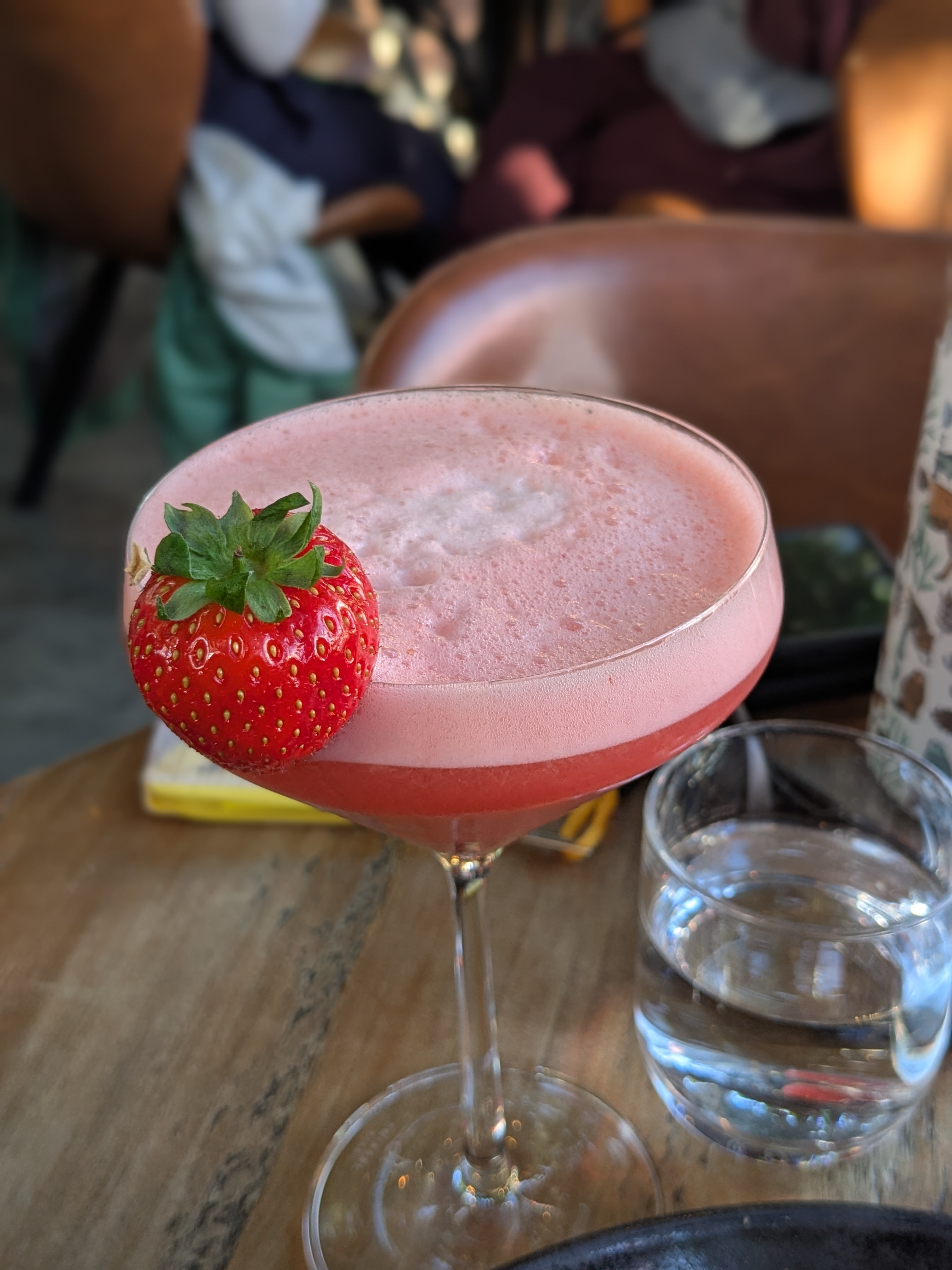
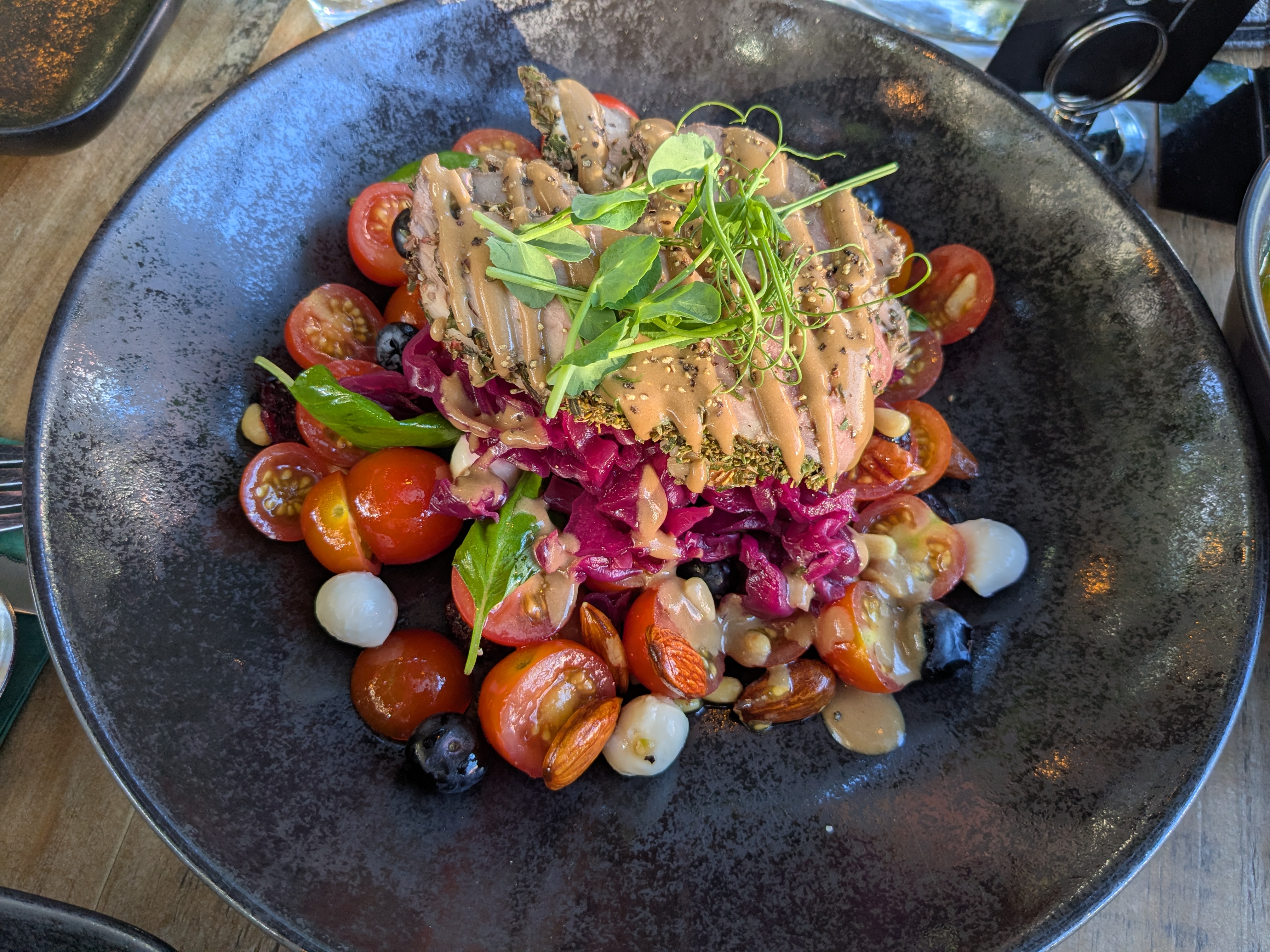
Being surrounded by the ocean, Iceland is largely self-sustaining in its animal-based food. Its lamb tastes great. Its fish tastes fresh. It has its smaller version of Lobster (Langoustines).
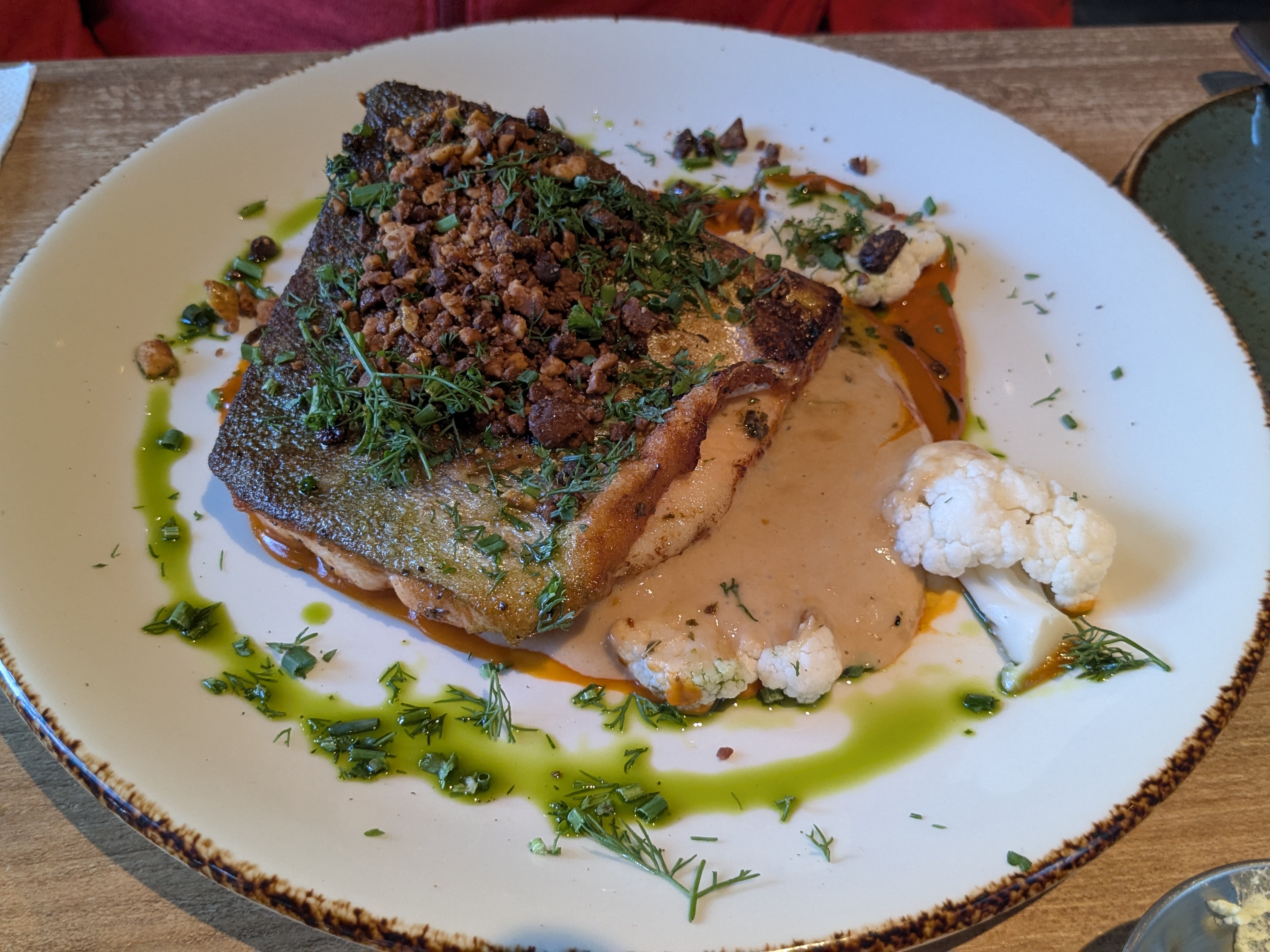
Langoustine, salmon, trout and cod all make healthy and delicious dishes. My favorite fish goes to the Arctic Charr. This fish is not often served in other places, but its texture and tastes are really unlike anything else. It is fish but it does not have all the things that make people dislike eating fish.
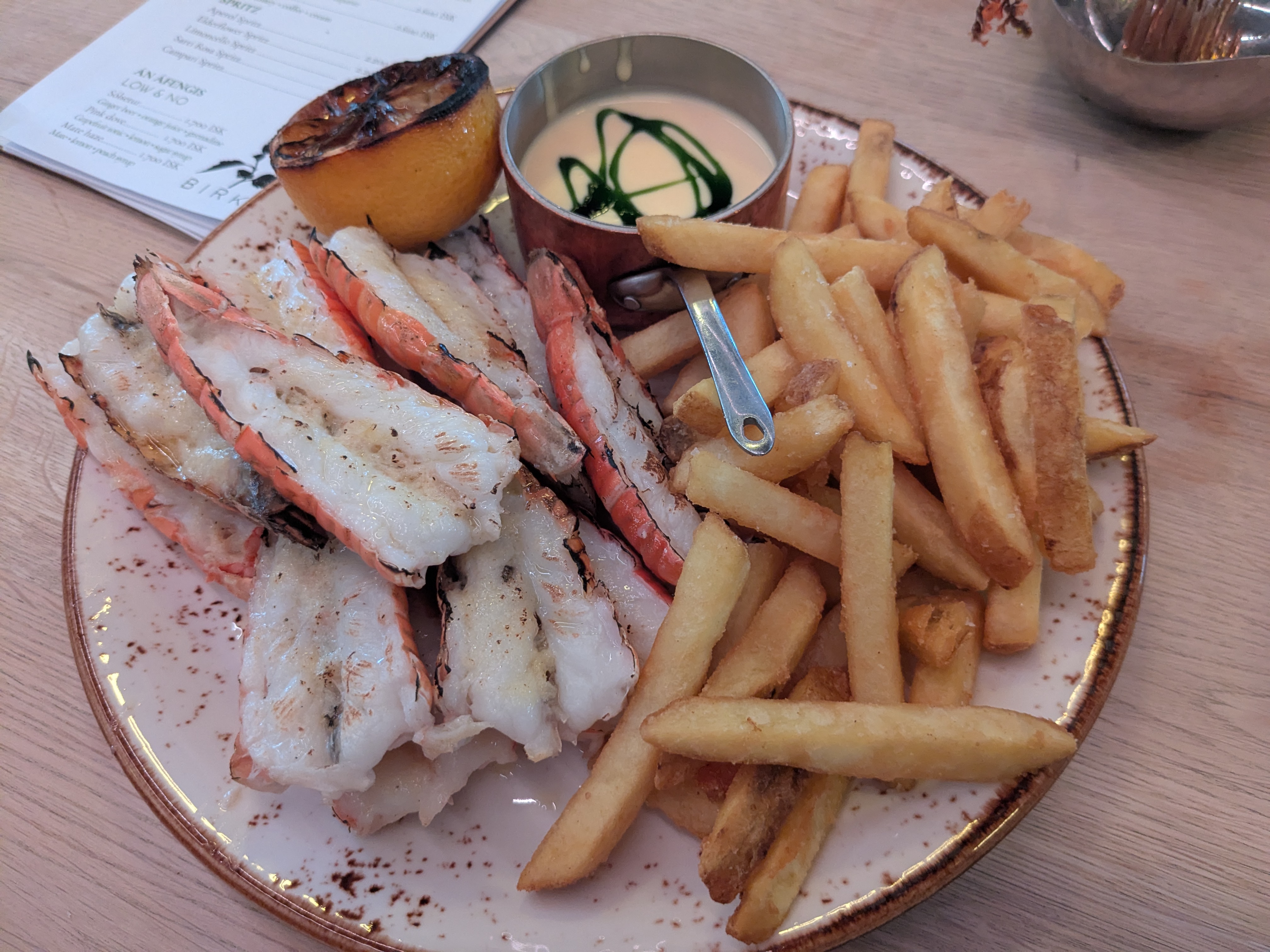
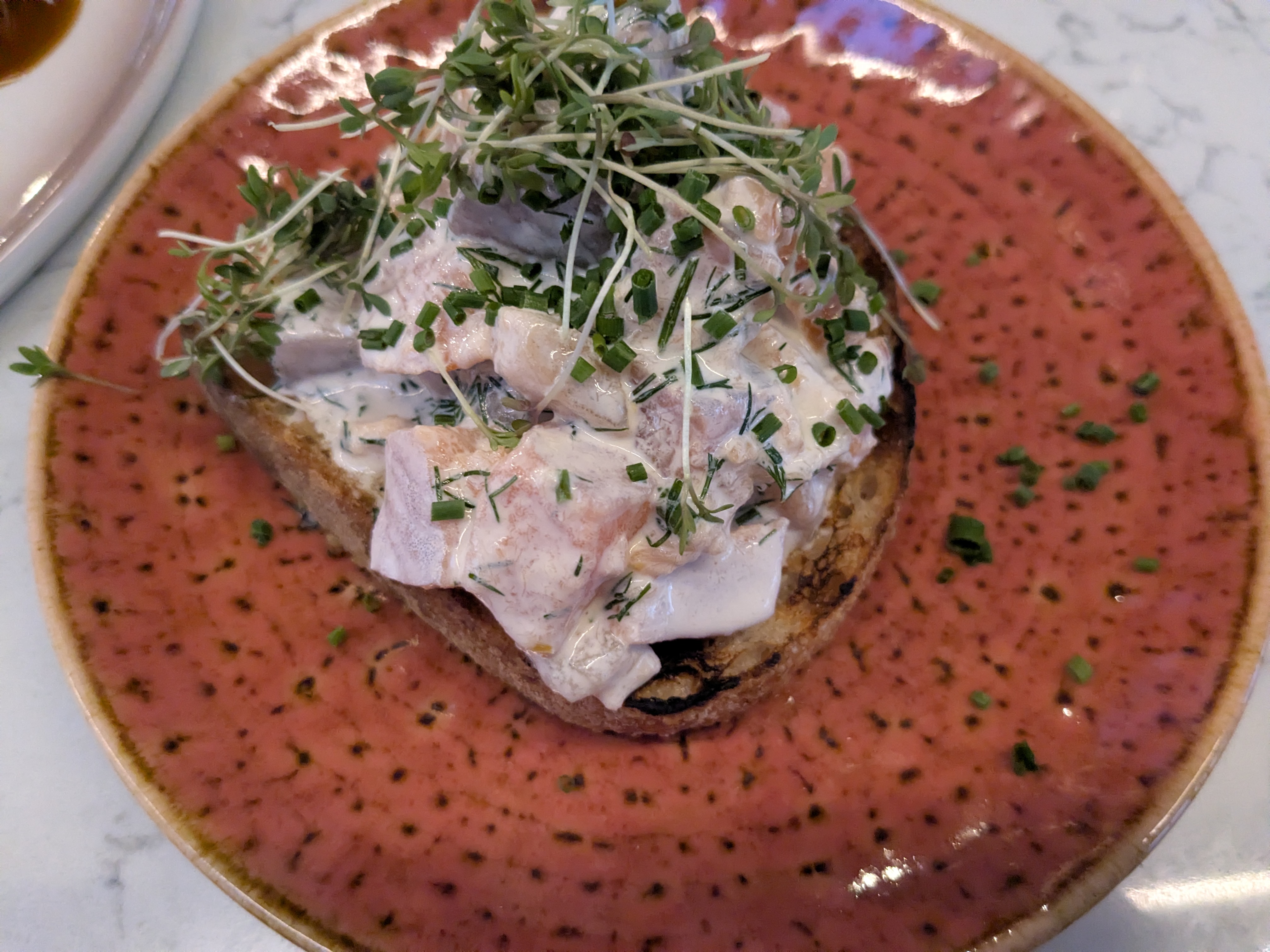
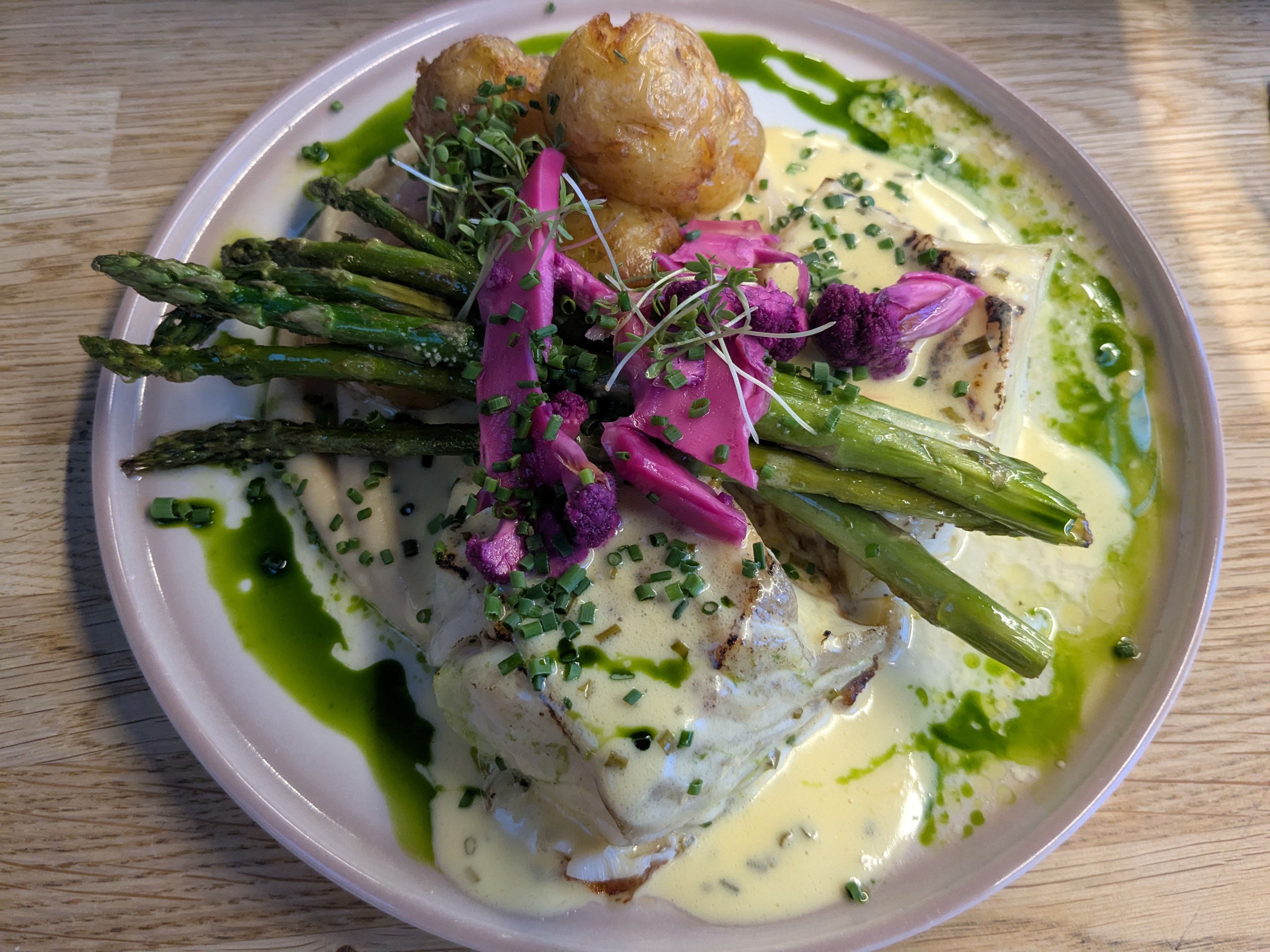
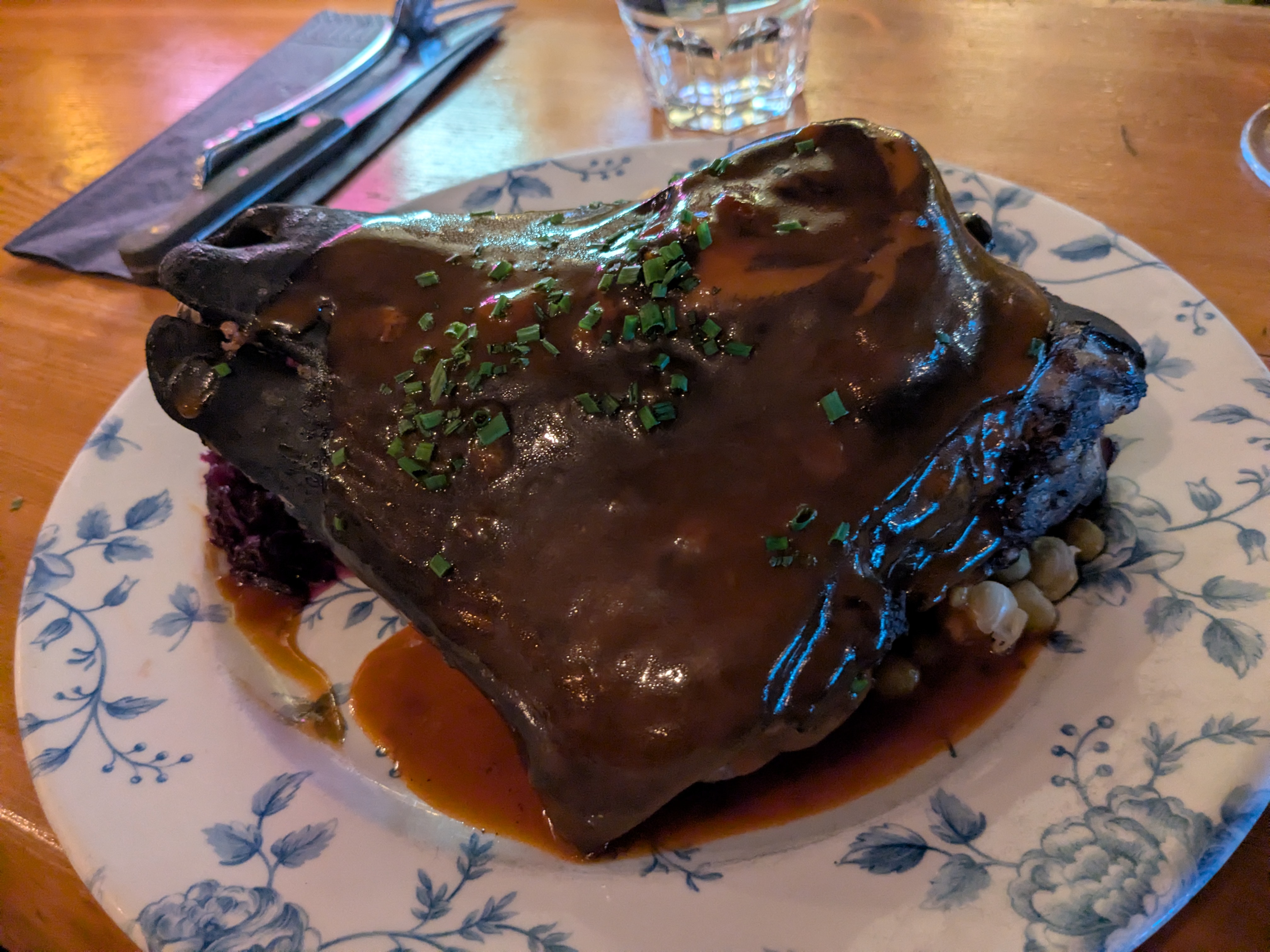
If you’re eager to check off local culinary bucket-list items, puffins and sheep’s head are worth trying though they didn’t make our “repeat” list. They are not served in many restaurants either. As for the smelly fermented shark (hákarl), watching the visible shock on neighboring diners’ faces was all the convincing we needed to pass. We have tried shark meat in other places, and learned later that the sharks around Iceland are poisonous, and need the special fermentation process to make them edible.
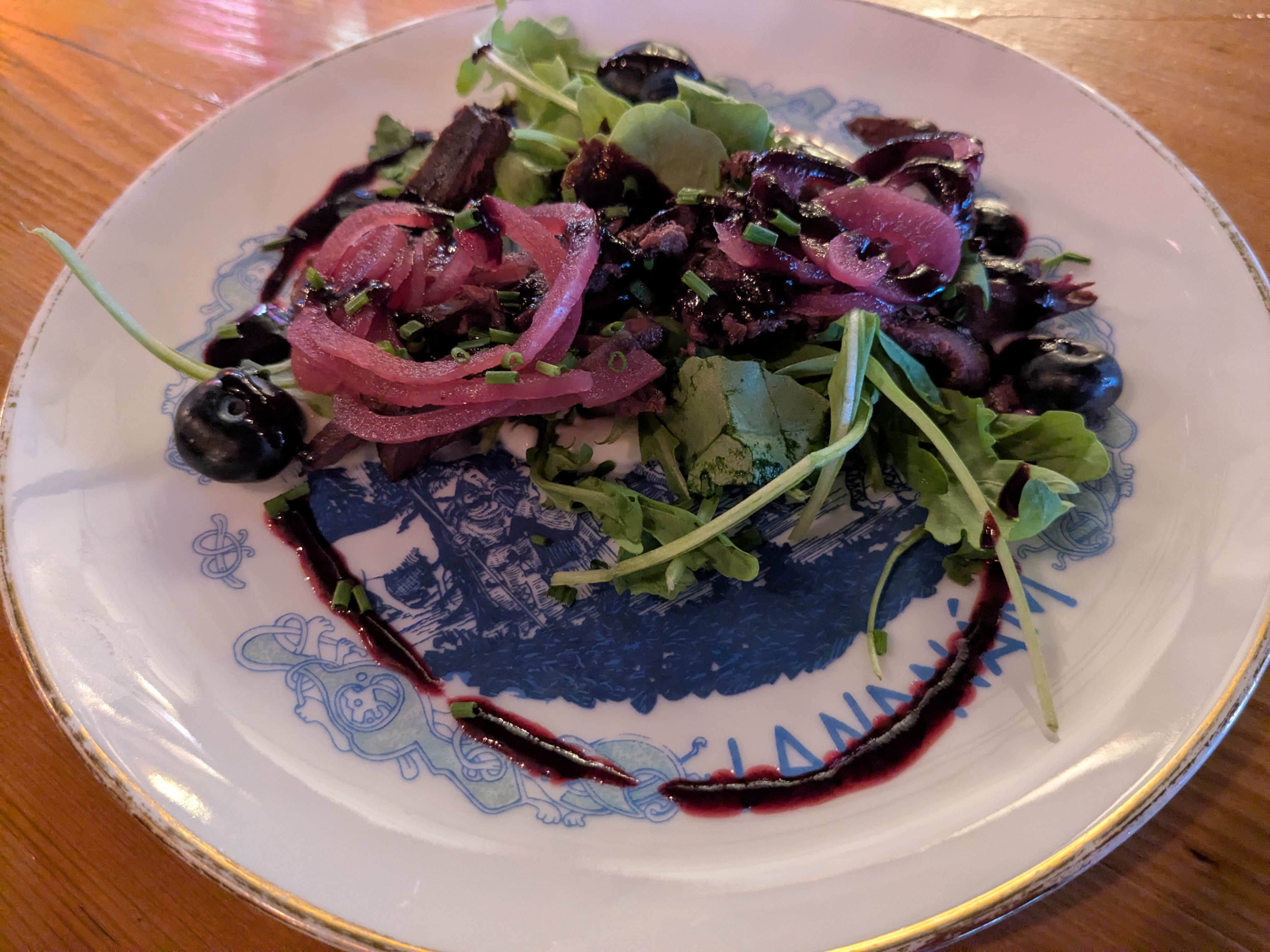
The true culinary stars of Iceland go to the Arctic Charr, the Icelandic Lamb and the Tomato soup. The snack stars go to the Icelandic yogurt Skyr and the Icelandic chocolates. They are the standouts that I happily return to again and again.


Leave a Reply