oliviatamccue

about everything, anything or something

LA Attractions: the ones less visited (Part 1 of 2)

There are so many touristy attractions in Los Angeles. After many trips to LA, these tourist attractions are no longer attractive enough for a return trip. This June, we decided to visit the attractions less visited after attending the Rush concert there. 

The Huntington Library, the Reagan Library are unique attractions in the LA area. They are independent research libraries. The public do not come here to read books. They visit the art galleries and beautiful gardens.  In a way, these “Library” are a celebration and immortalization of the celebrities which the Library is named after.  It reminds us of the legacy of the ultra powerful, like former presidents, and the ultra rich, like the railroad tycoons.

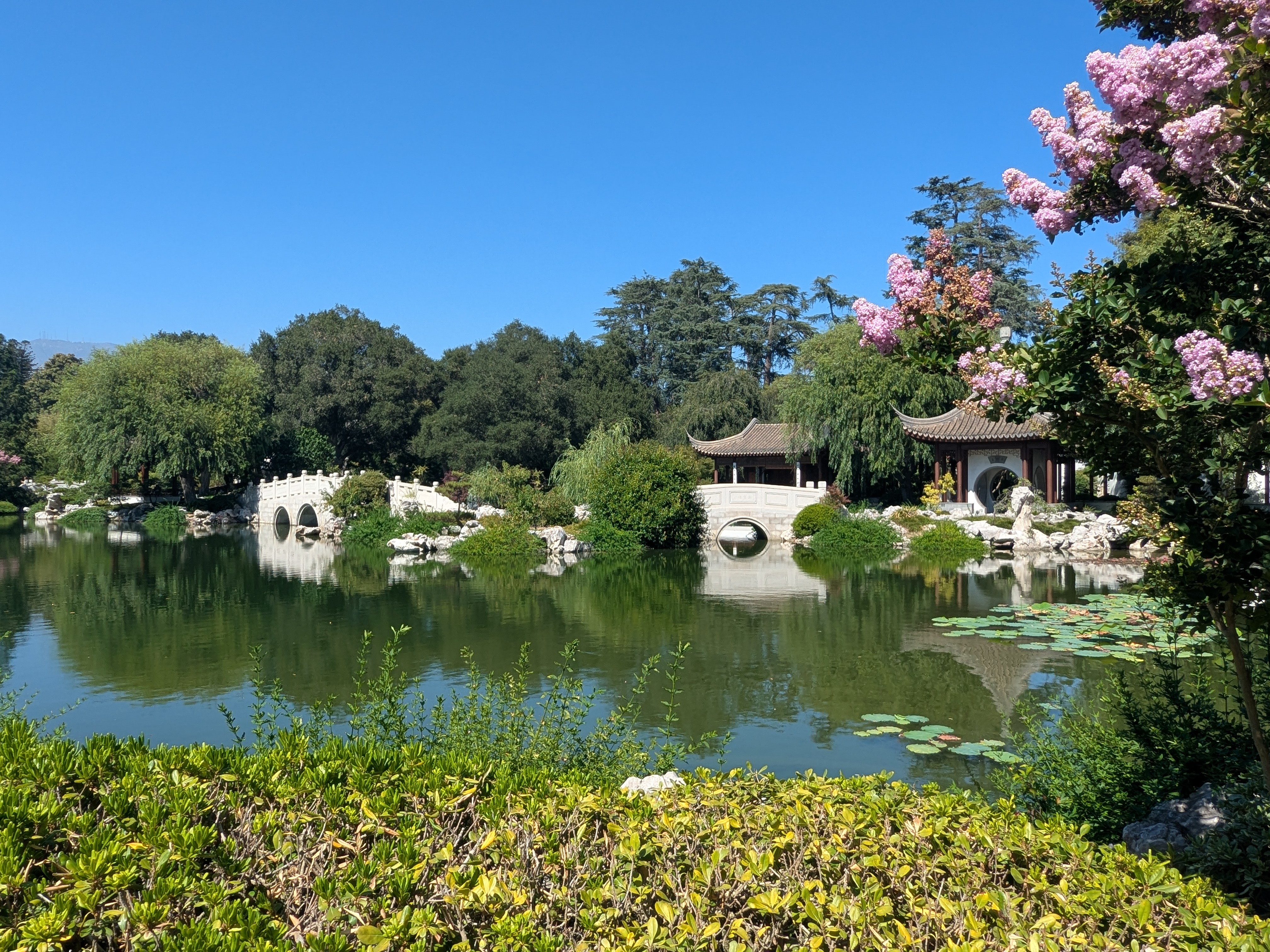
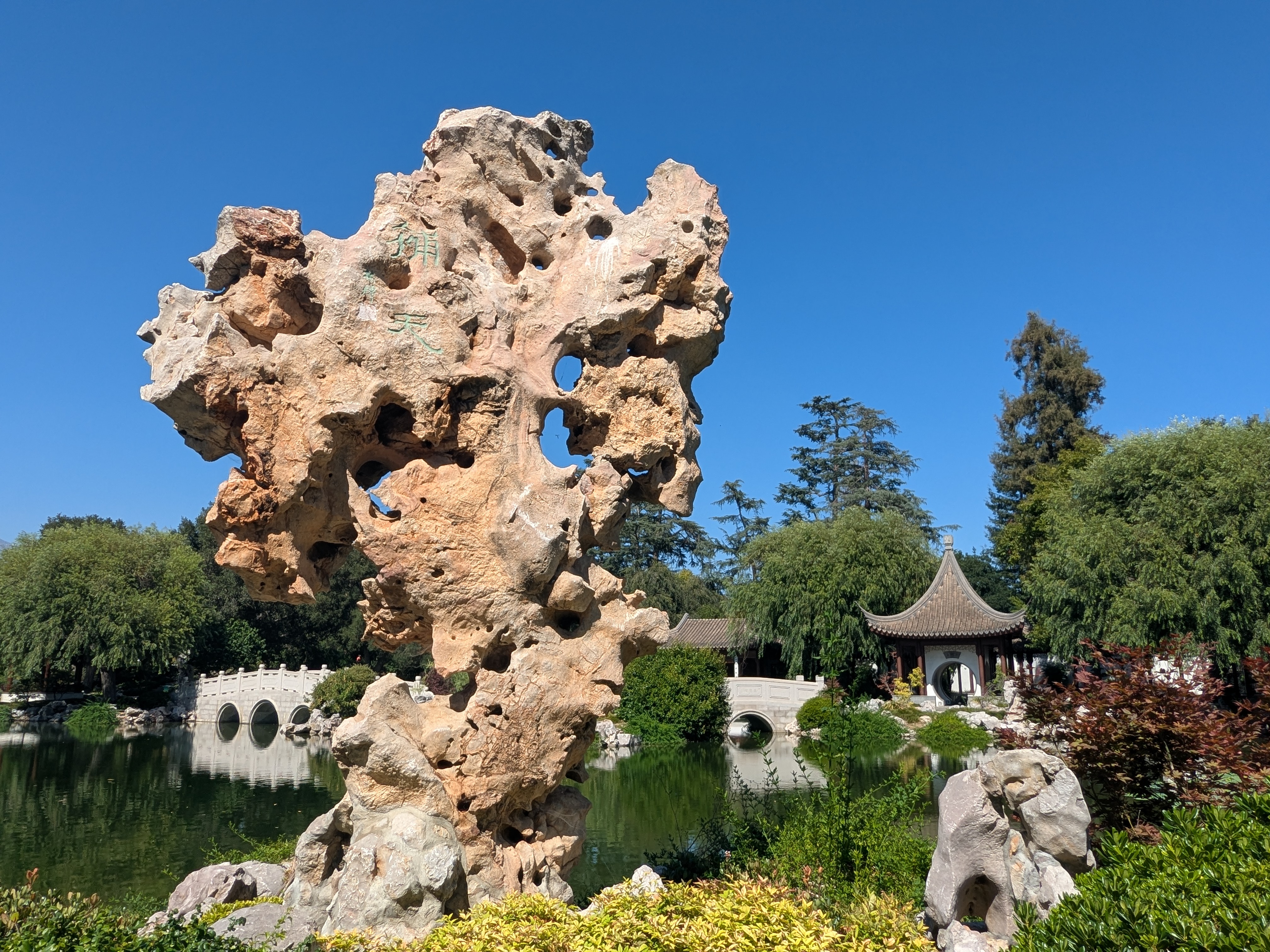
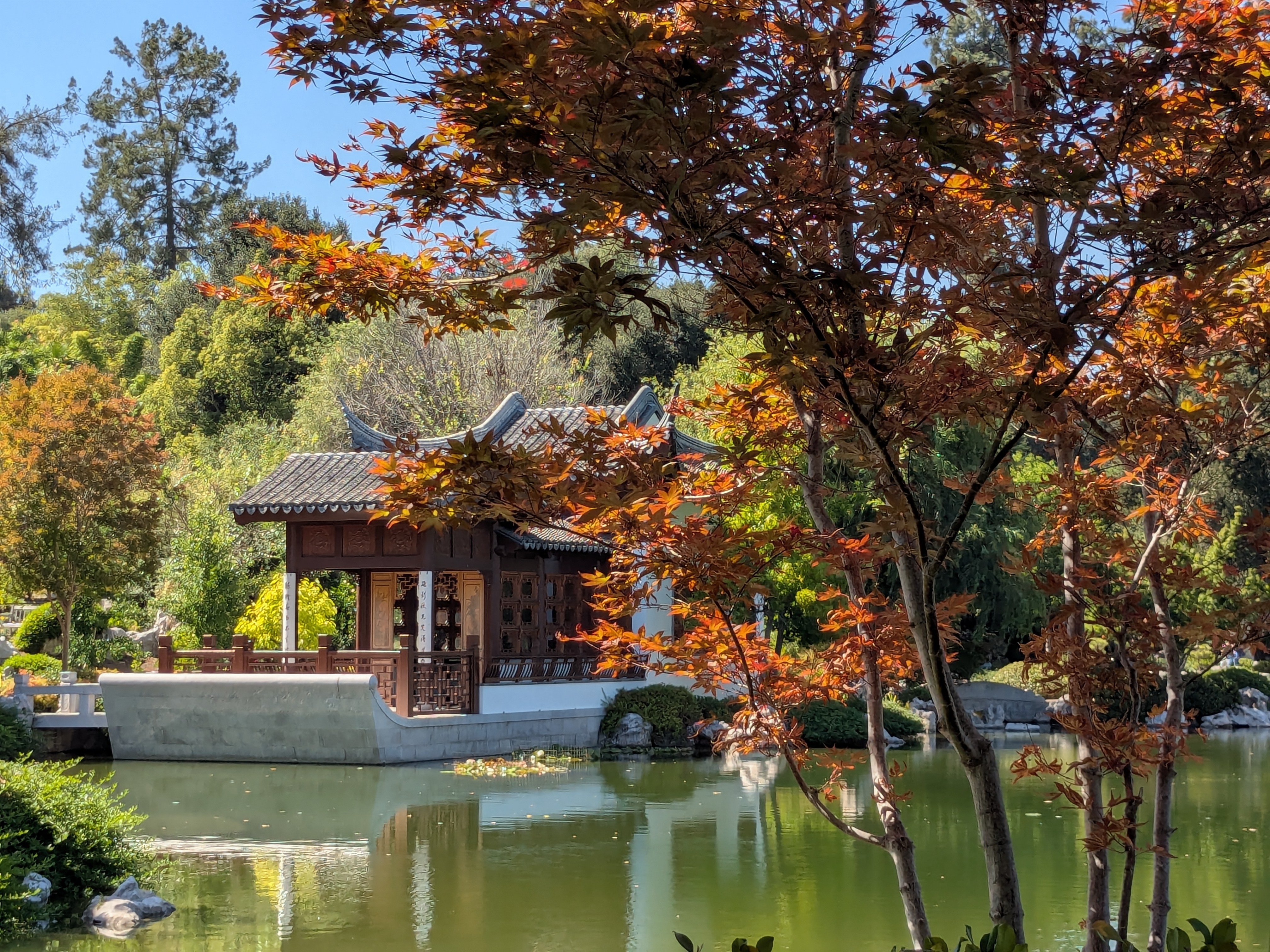
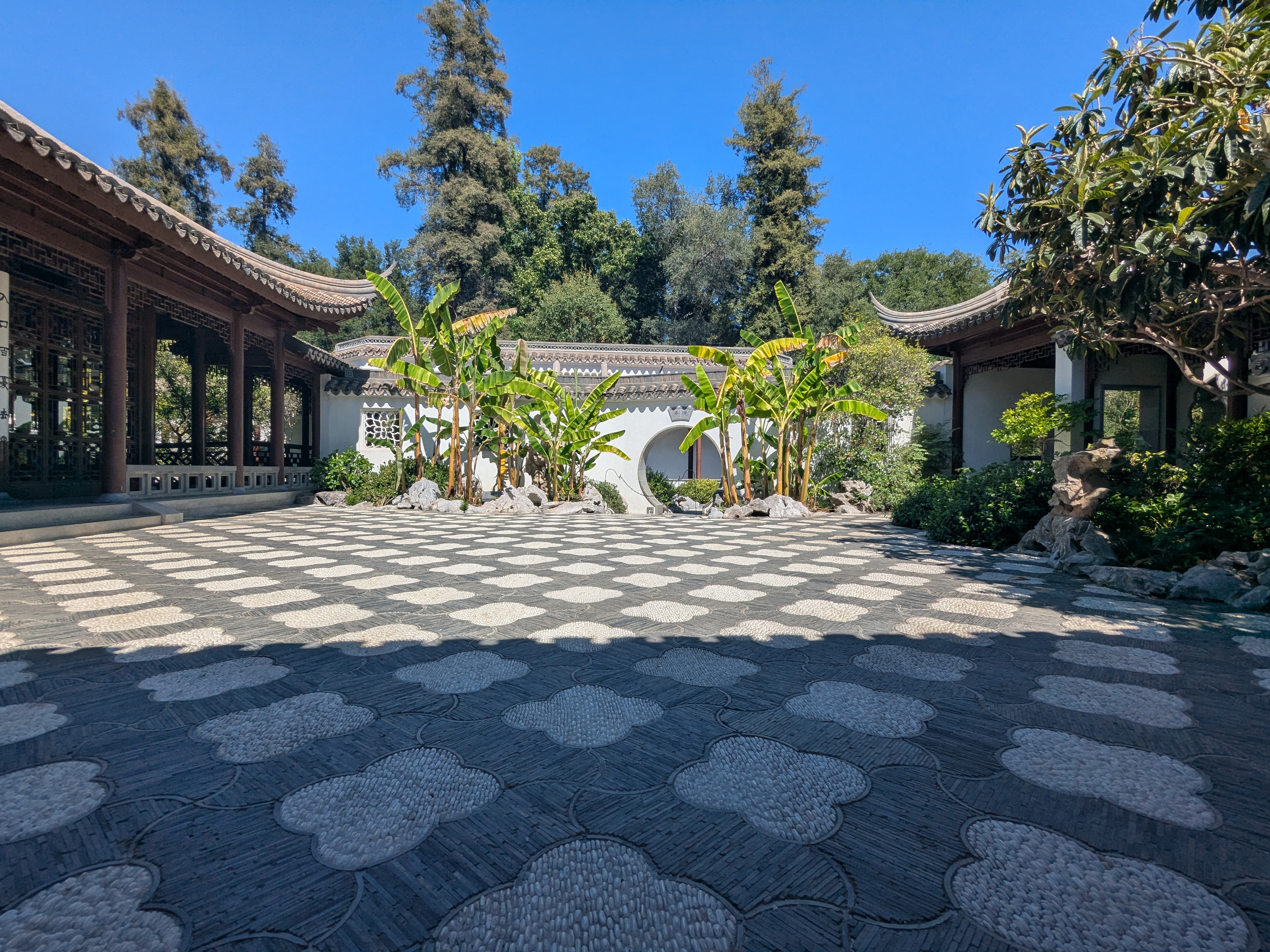
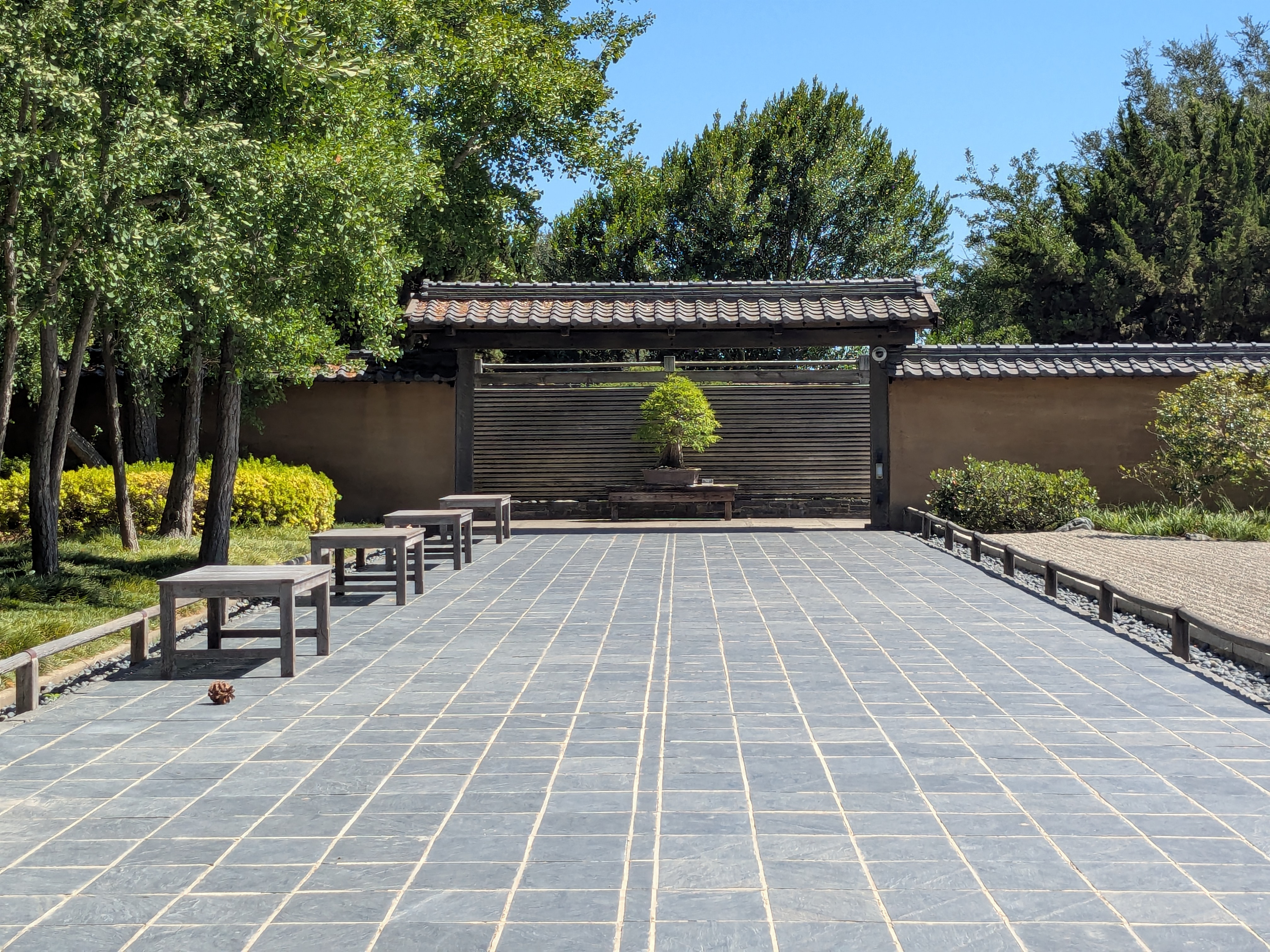
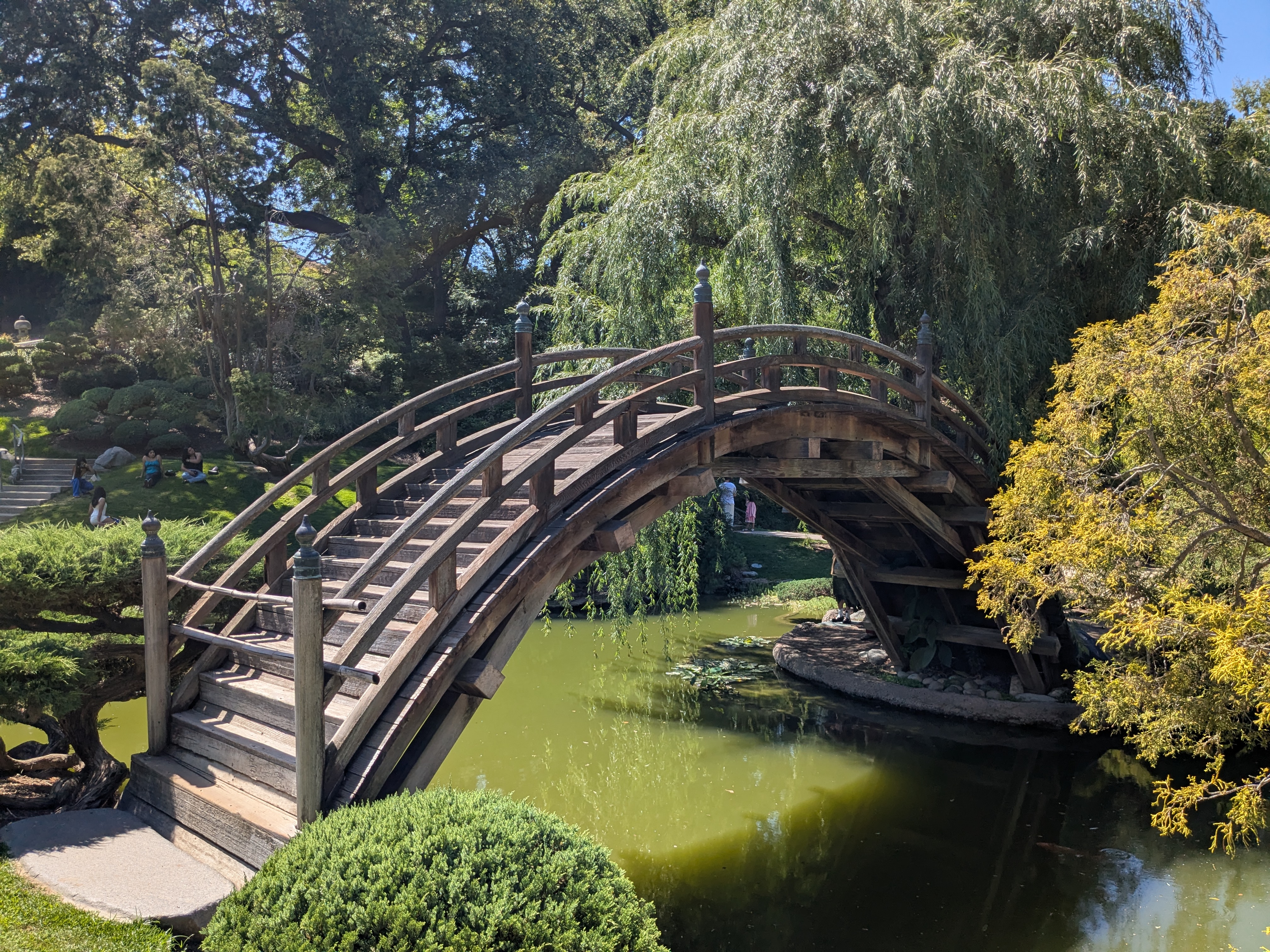
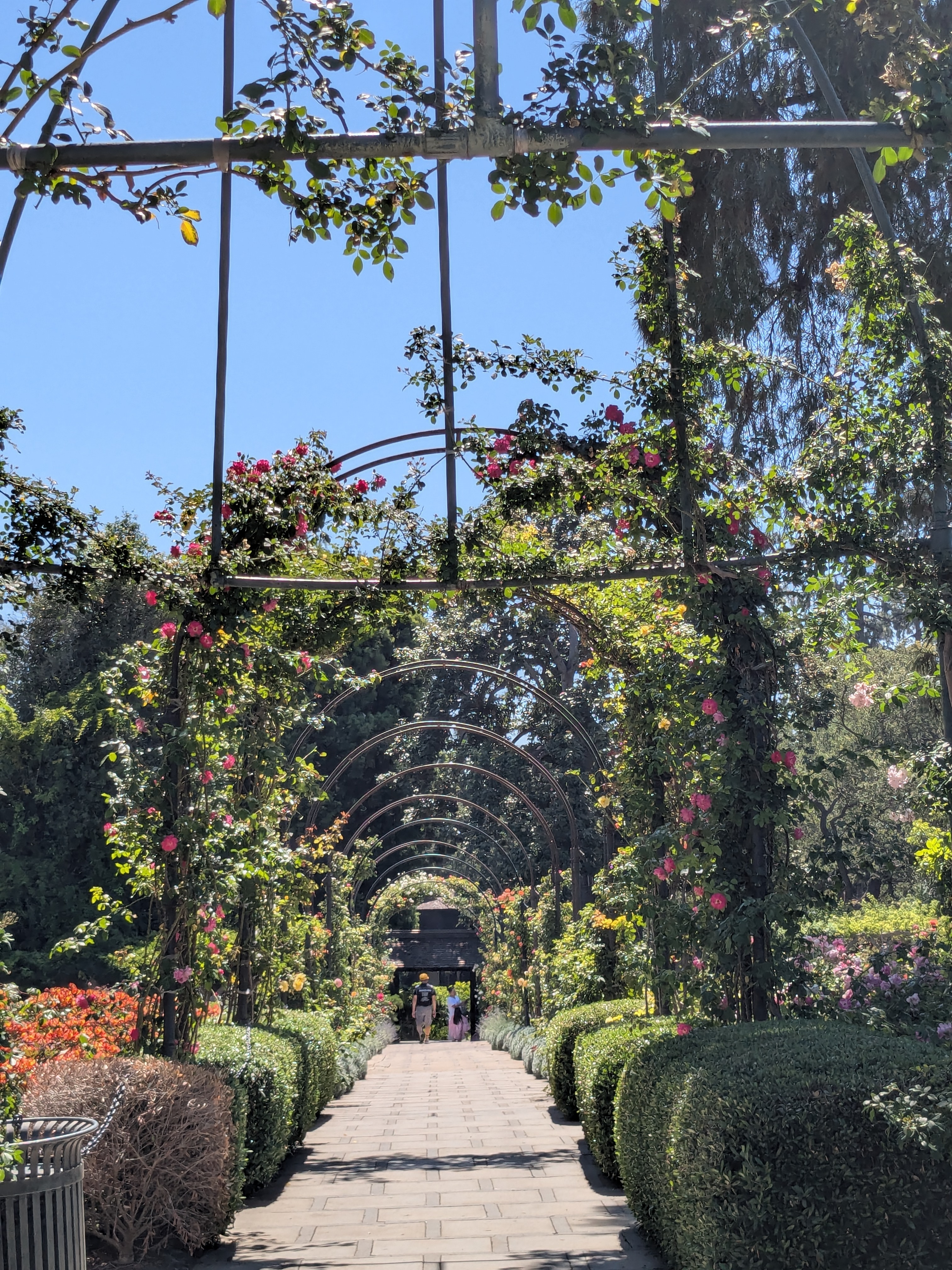
Located near Pasadena, the Huntington Library was founded in 1919 by railroad tycoon Henry E. Huntington and his wife, Arabella. It has been open to the public since 1929.  The Library has gift shops, and a surprisingly good offering of eateries, including one that serves high tea in the middle of the garden areas. We were too late for the high tea. The collection of gardens are impressive. For half of the day, we visited the Chinese Garden, the Japanese Garden, and the Rose Garden, all aesthetically pleasing gardens each with a culturally representative landscape. There are other gardens too. Among these gardens are the indoor art galleries. The European art gallery made a good stop. These art galleries are not quite in the same league as the carefully curated arts found in world-renowned museums. They are still very impressive for a private collection over the years. It reflects what money can buy but maybe money still cannot buy time nor personal taste.

After the Huntington Library, I thought we had an idea of what was to be expected in a “Library”. I could not be more wrong when I got to the Reagan Library. Reagan Library is a presidential library, one that a former president can raise funds to establish. This is my first visit to a presidential library. Reagan, as a president, was not popular internationally, yet, he was considered as a great president in the States. He was powerful and commanding. Just reading about his life, and watching his recorded speeches, he was no doubt a very very charismatic leader. His narrow escape, from an assassination, remained miraculous. Reagan seemingly had a lot of influence on international politics, especially Gorbachev. The two were recognized very differently by their own country in the history books.

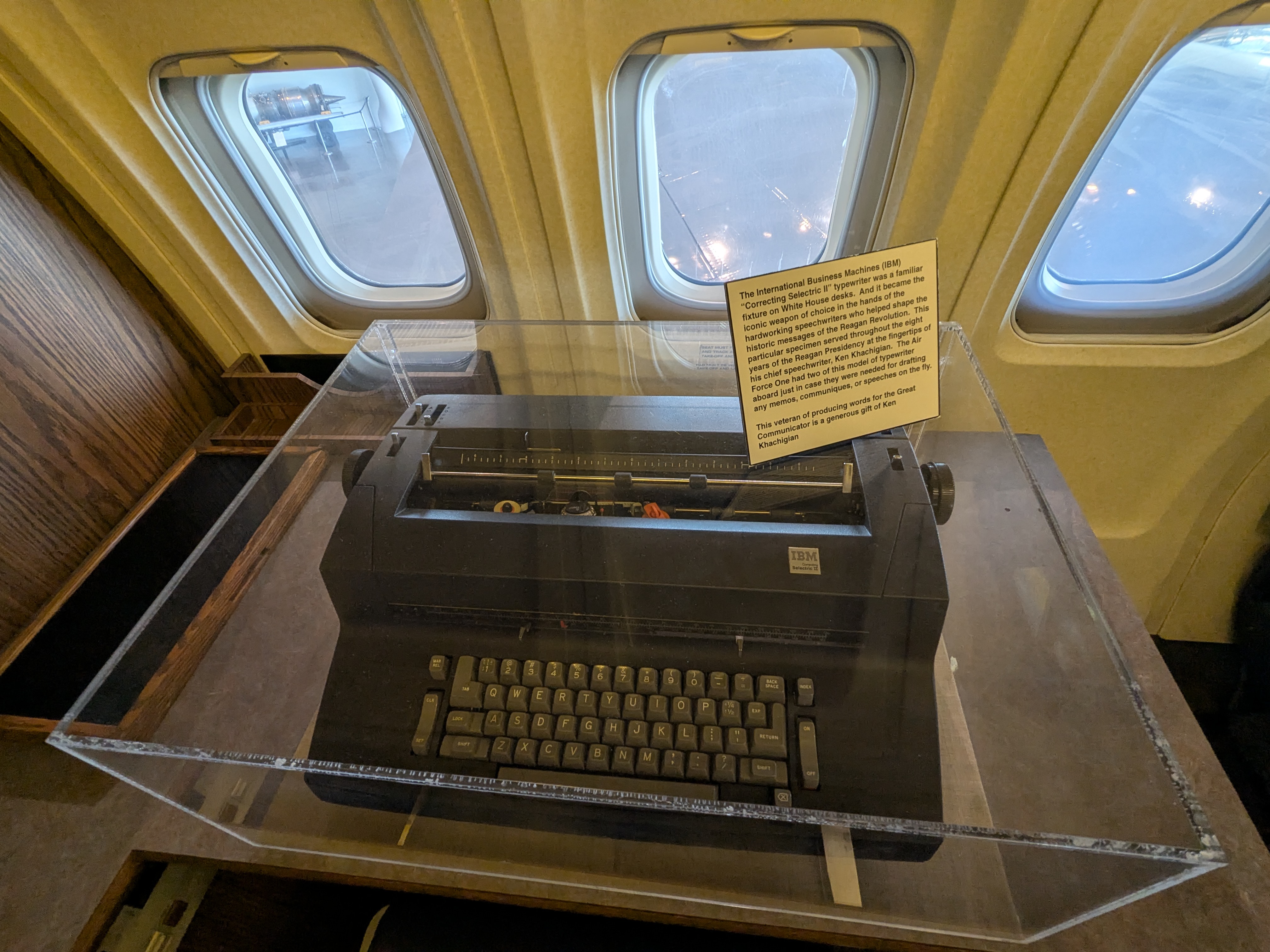
The Reagan Library is no doubt a place to celebrate his story. We particularly enjoyed having the internal view of the Oval Office, the menu and the toast when the president hosted the visiting head of the state/government. The state dinners, the diary, the gifts all are reflections of the international relationship at the time.

Like several memorials I have visited in the United States, the Library’s historical exhibits focus on what happened from an American perspective, and offer few insight into why events unfolded as they did. Without that context, it is difficult for Americans to know the different perspectives and then learn from the real lessons of history.  

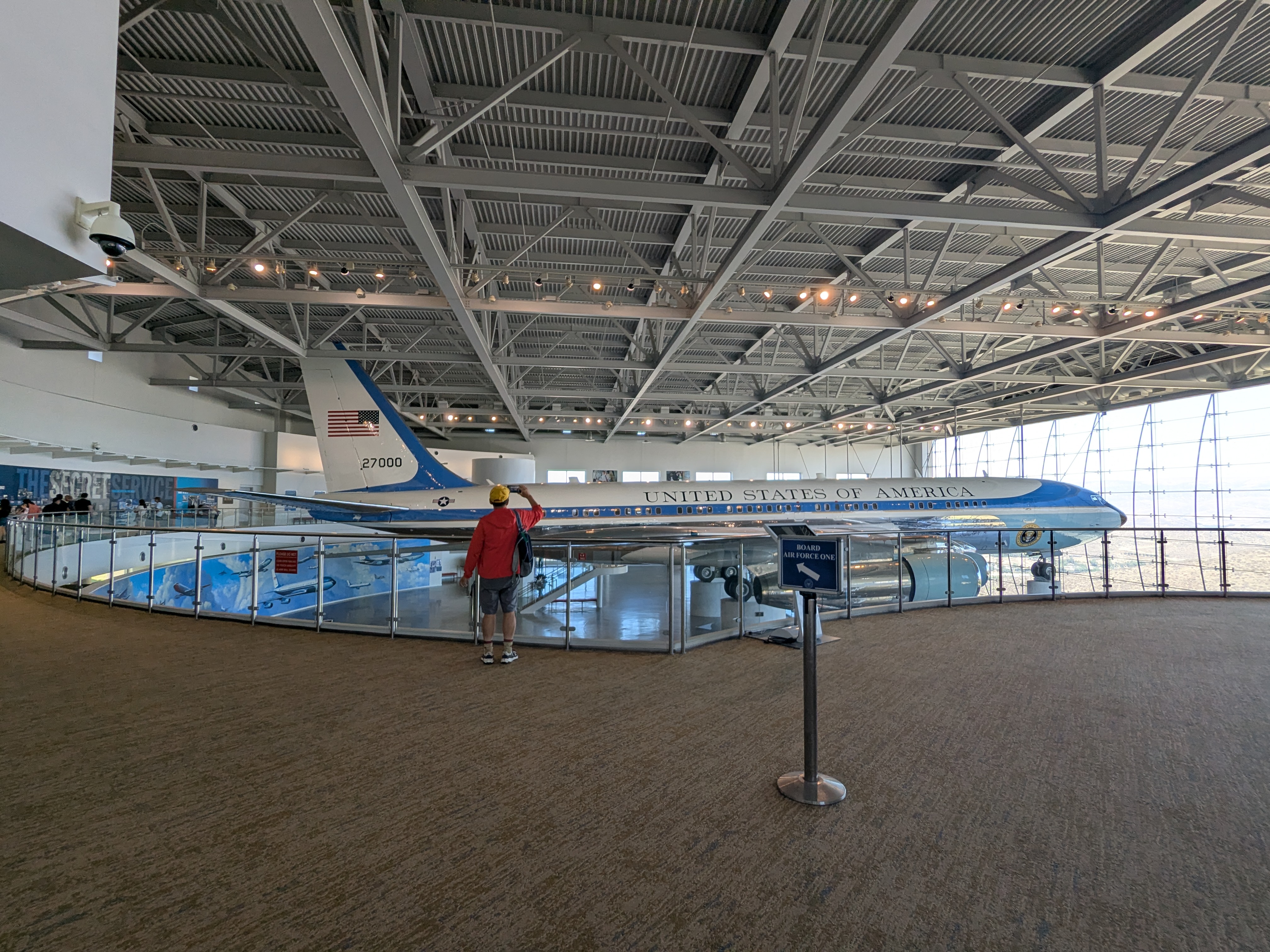
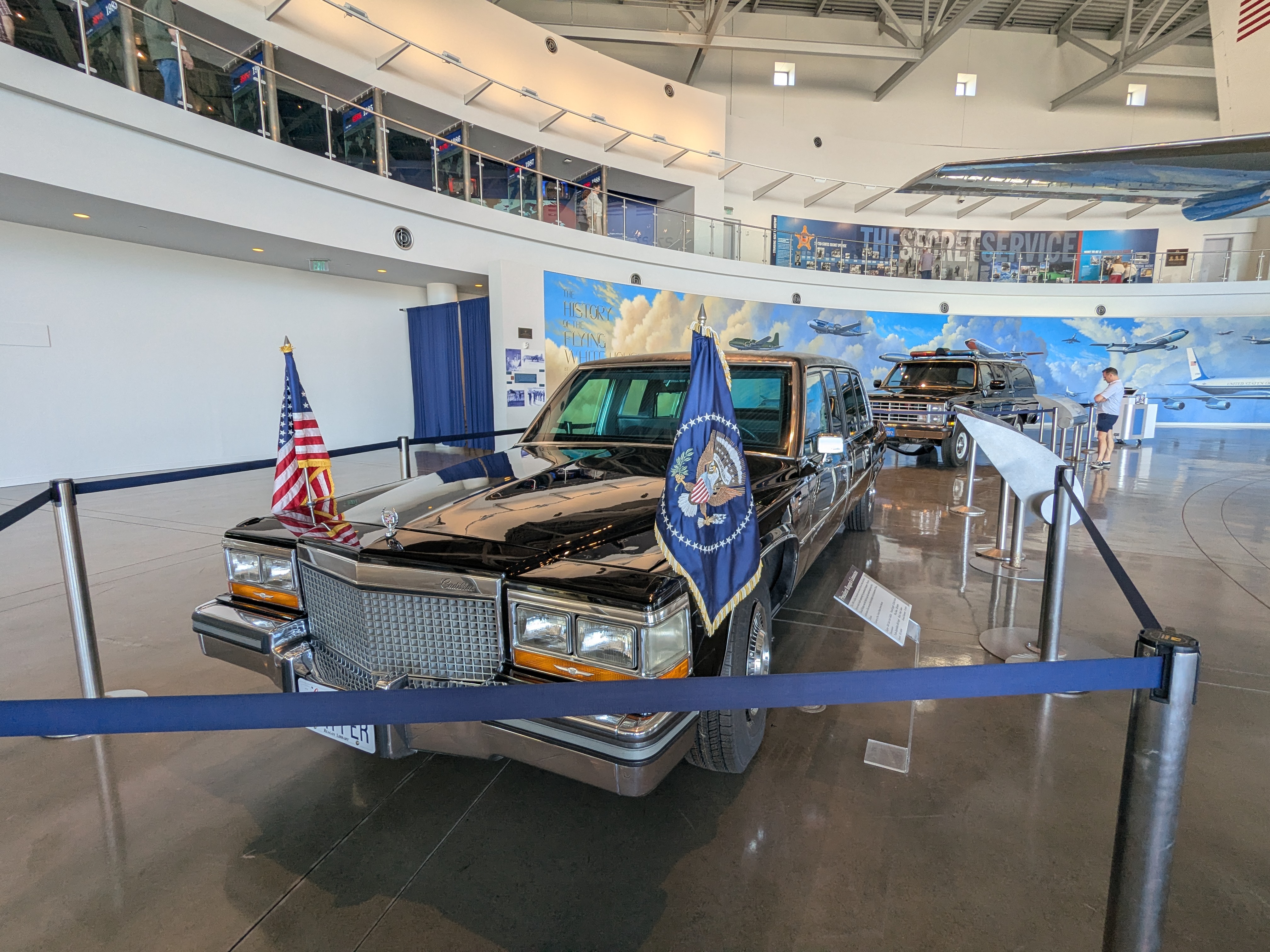
It is an engineering feat to move the Air Force One into the Reagan Library as an indoor exhibit. That plane has been retired and replaced by newer models. The plane was rather small, reminding us once again how lives have become more comfortable over time, just like the bed we sleep on is more comfortable than the beds of the royal families hundreds of years ago. Inside the Air Force One, there was no bed other than a couple of sofas. The media always accompanied the president, sat at a different section further away, allowing the president to “summon”. The plane also carried some motorcades. 

Unlike the Huntington Library, the Reagan Library has only one cafe with rather plain offerings.

Both the Reagan Library and the Huntington Library are impressive “libraries”. 

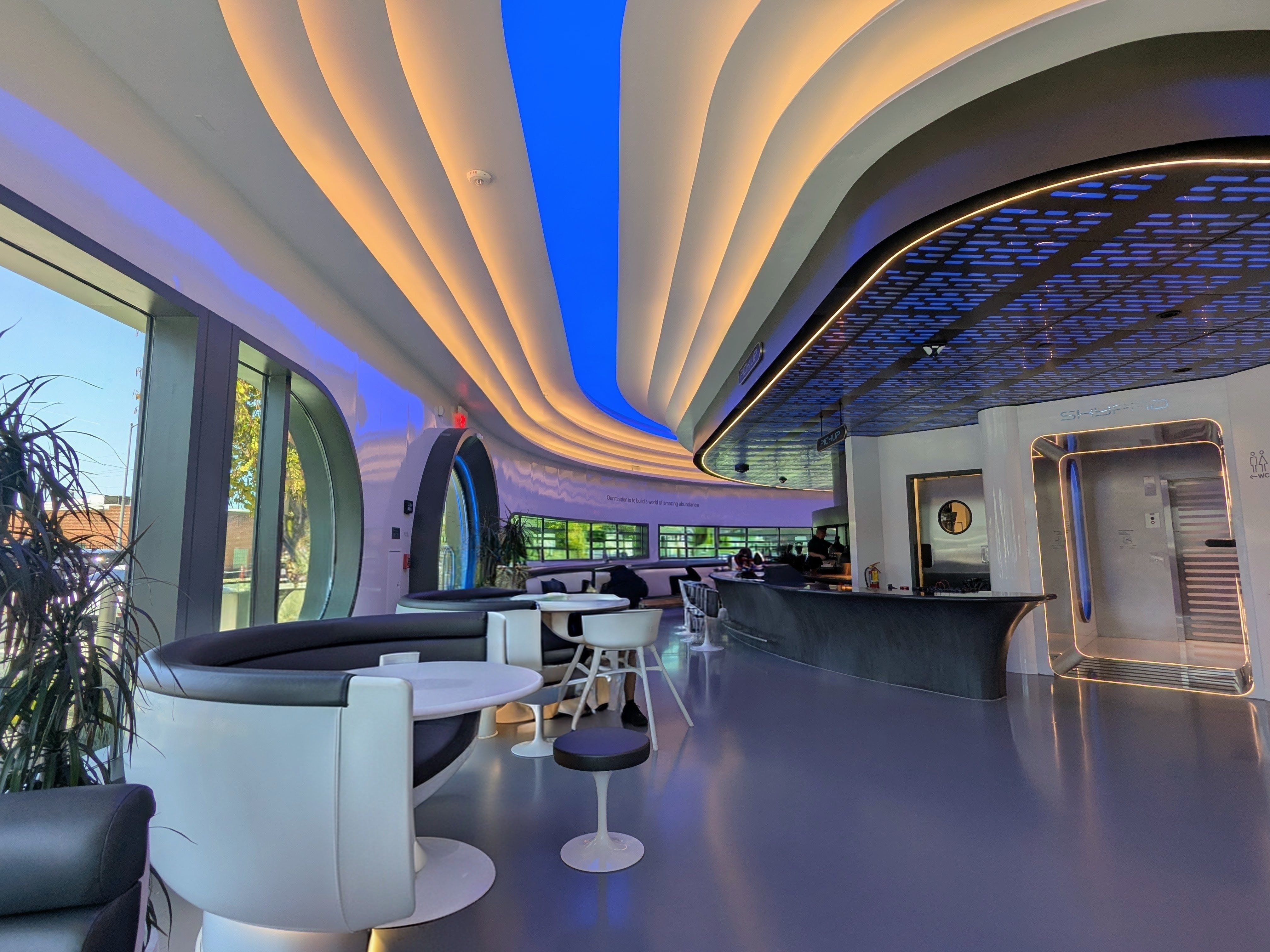
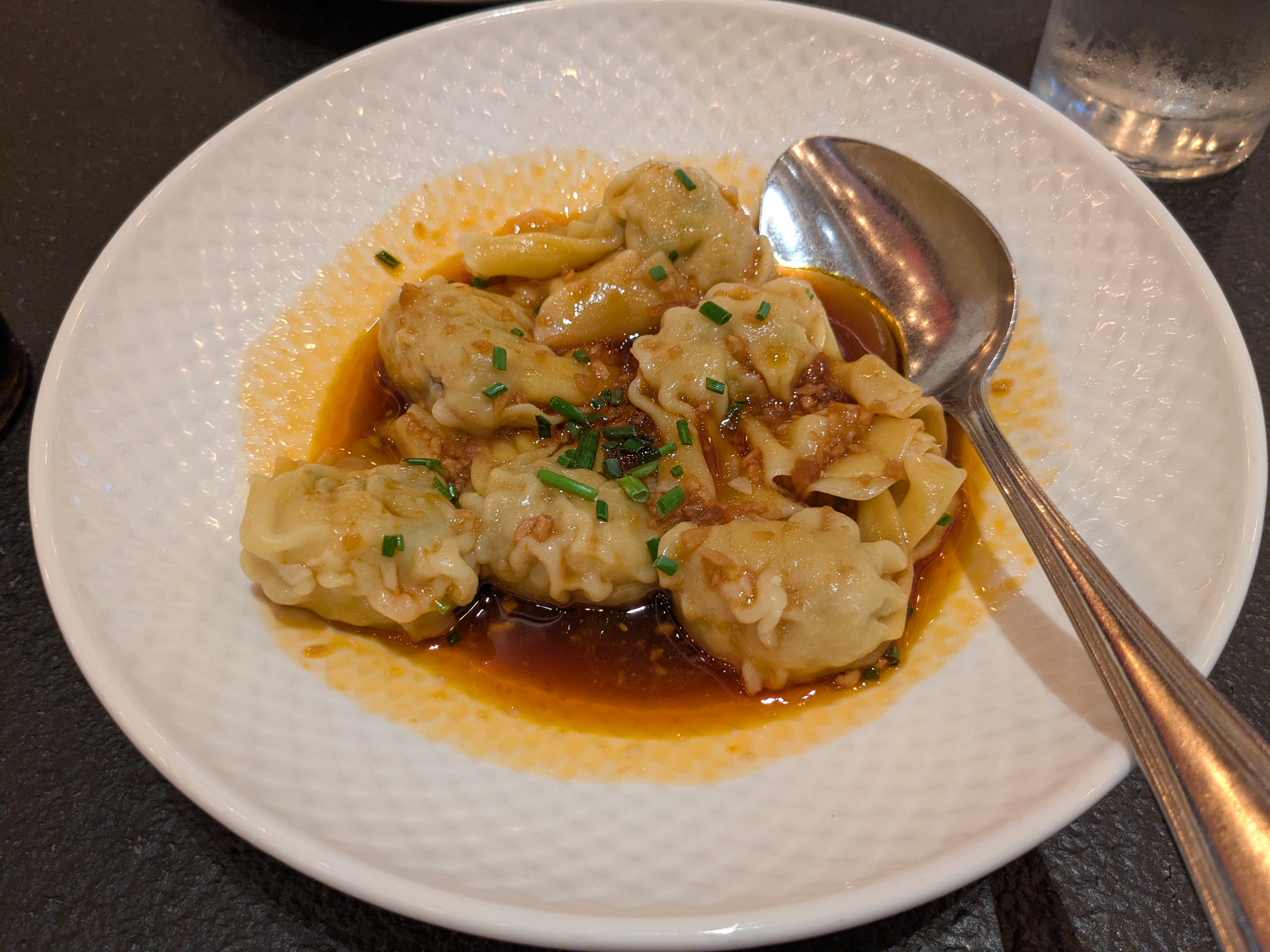
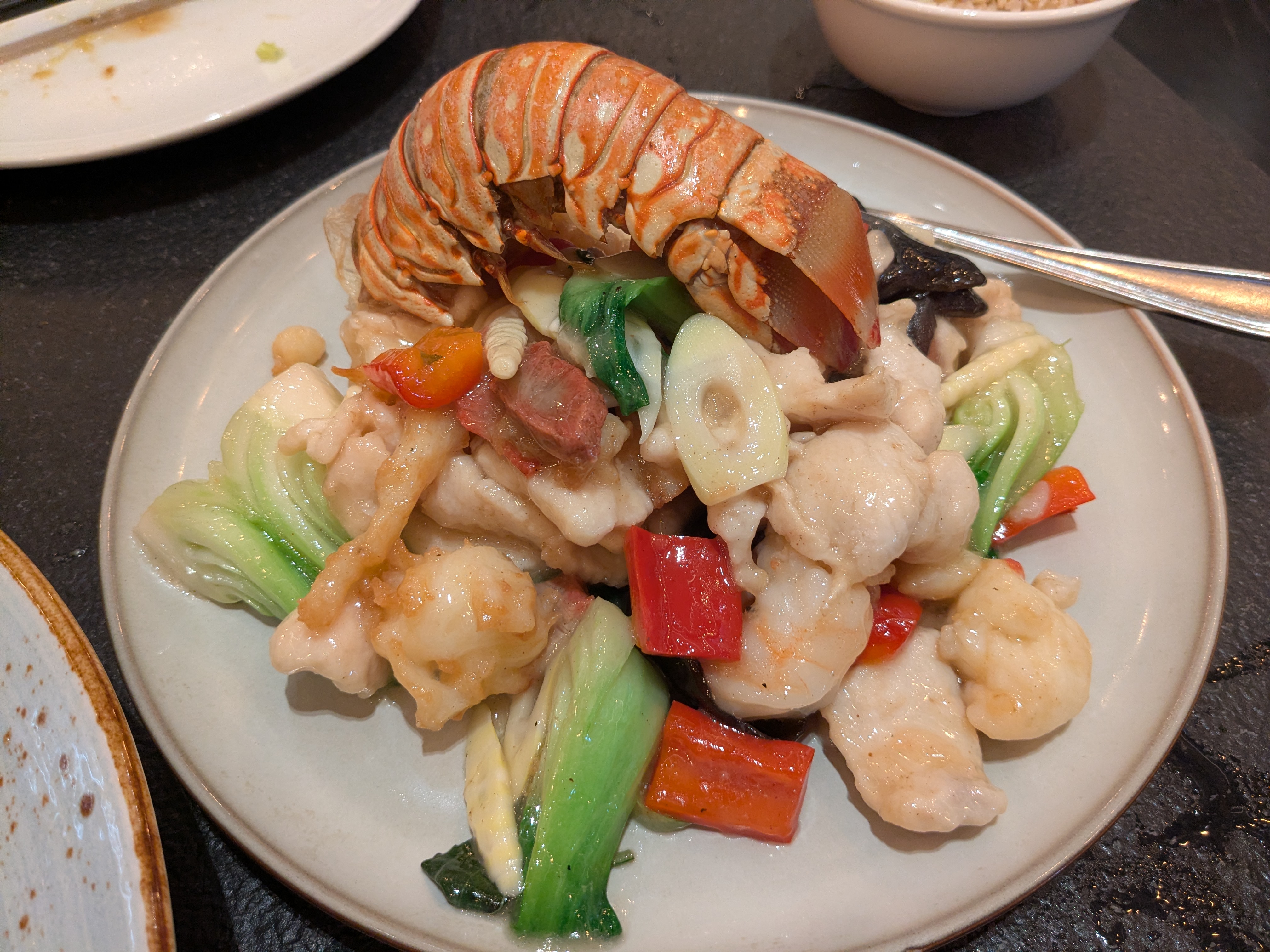
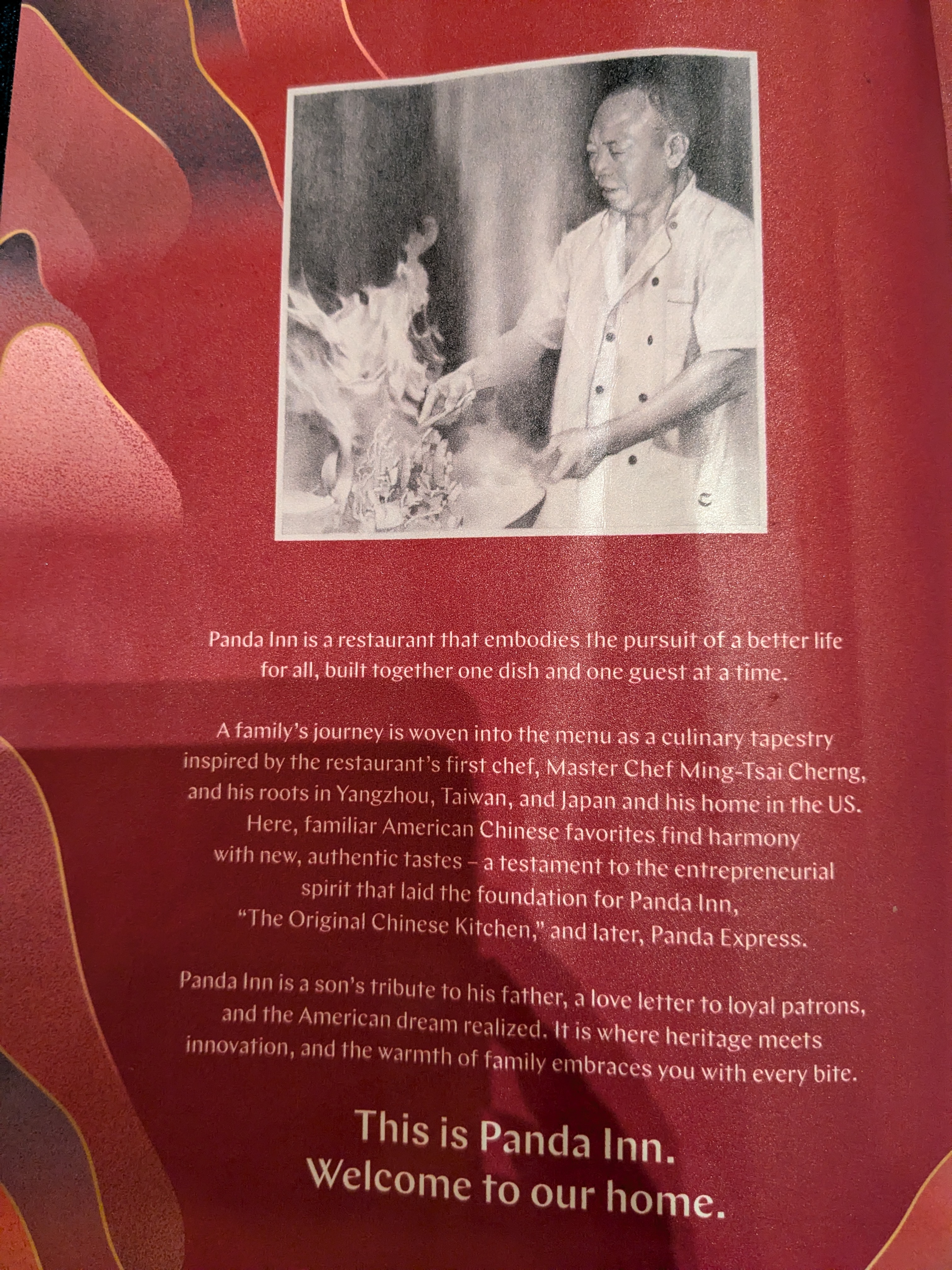
We also visited the futuristic one-and-only-one Tesla diner and the flagship Panda Inn at the very location of the very first Panda Express. They are both worth their visits.  

Next: Channel Islands National Park 

Leave a comment »

Safari: Amboseli National Park

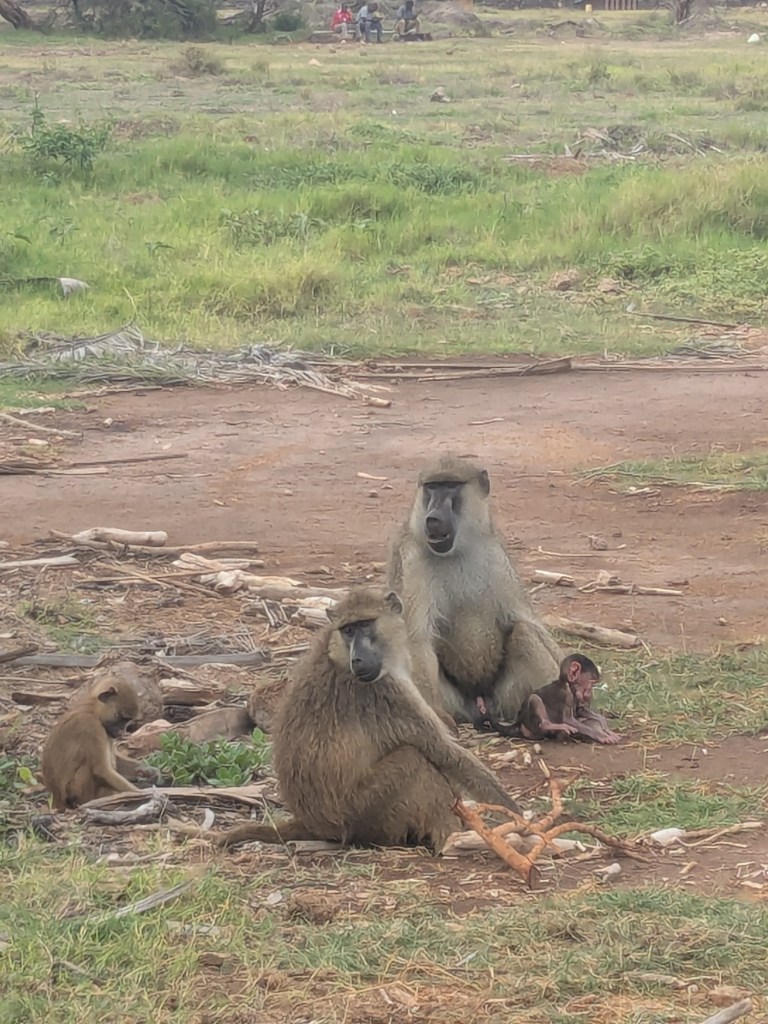
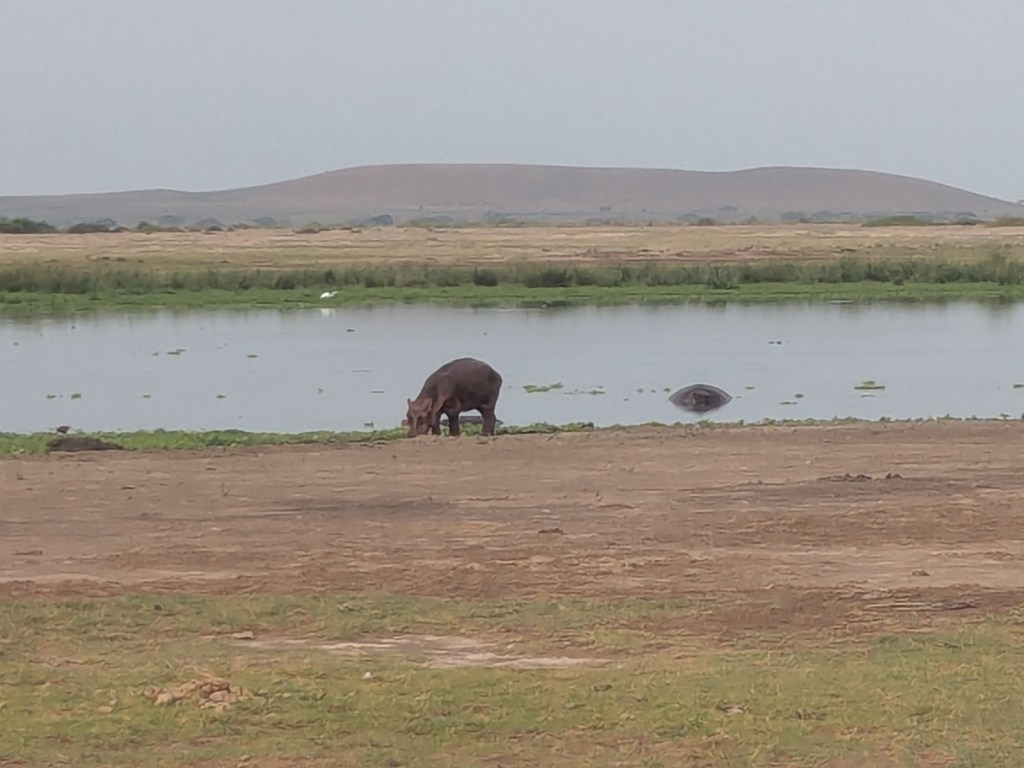
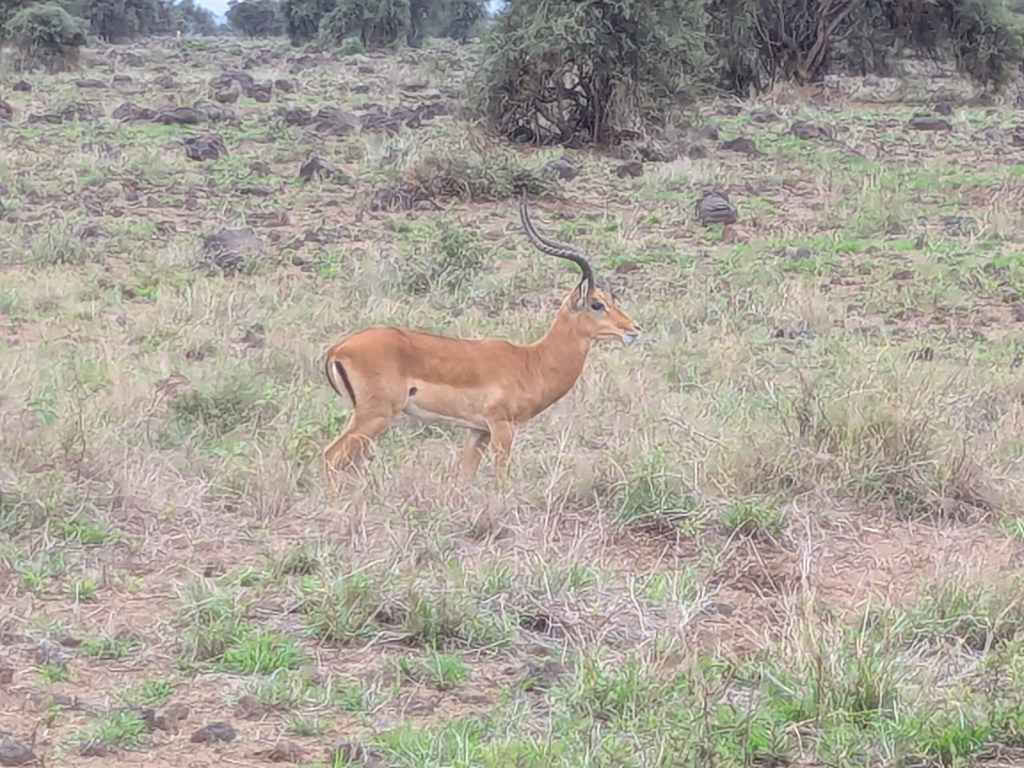
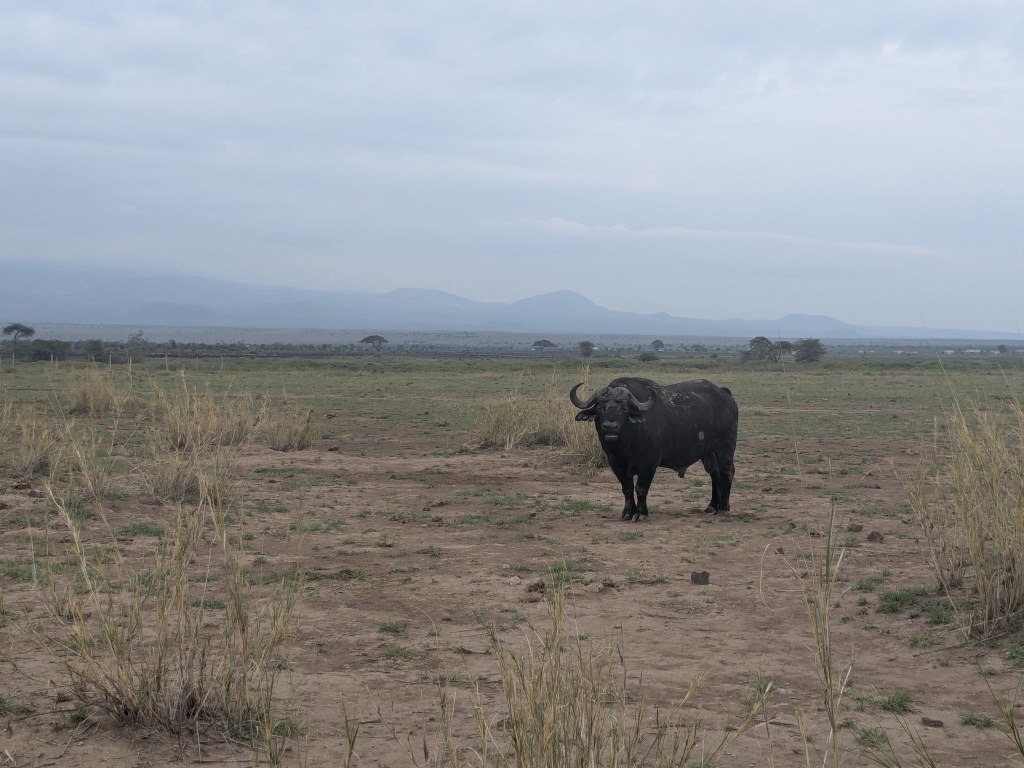
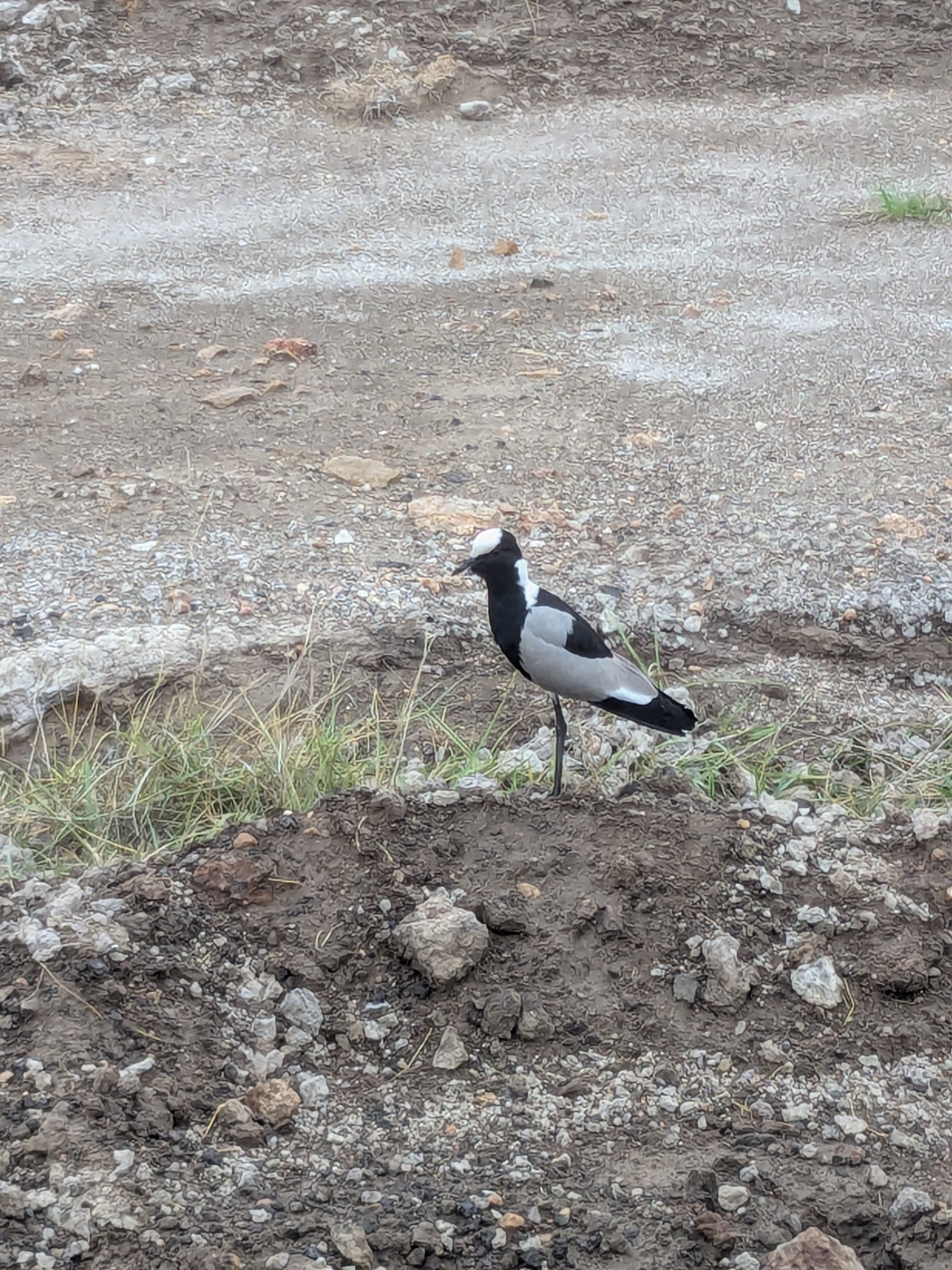
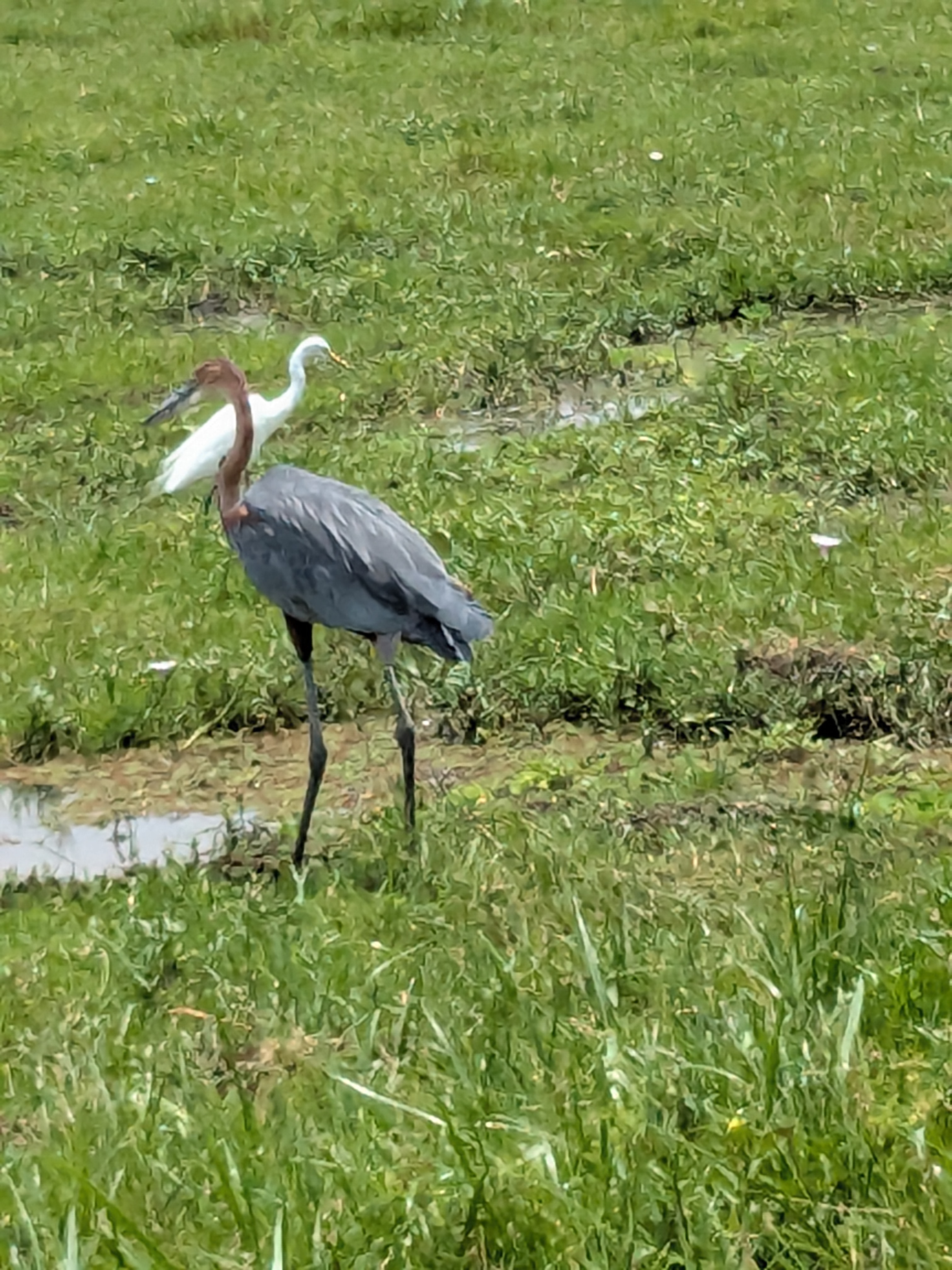
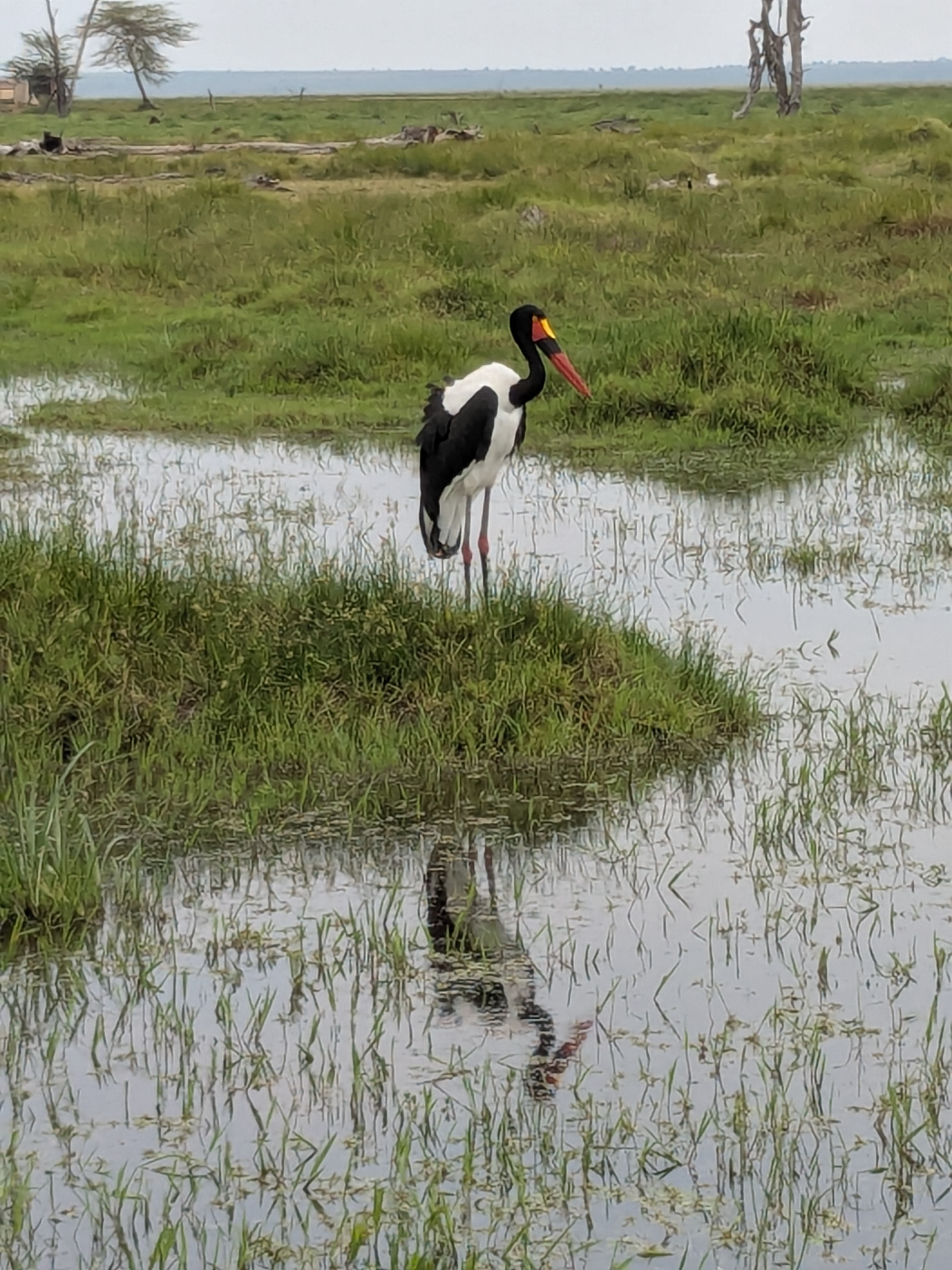
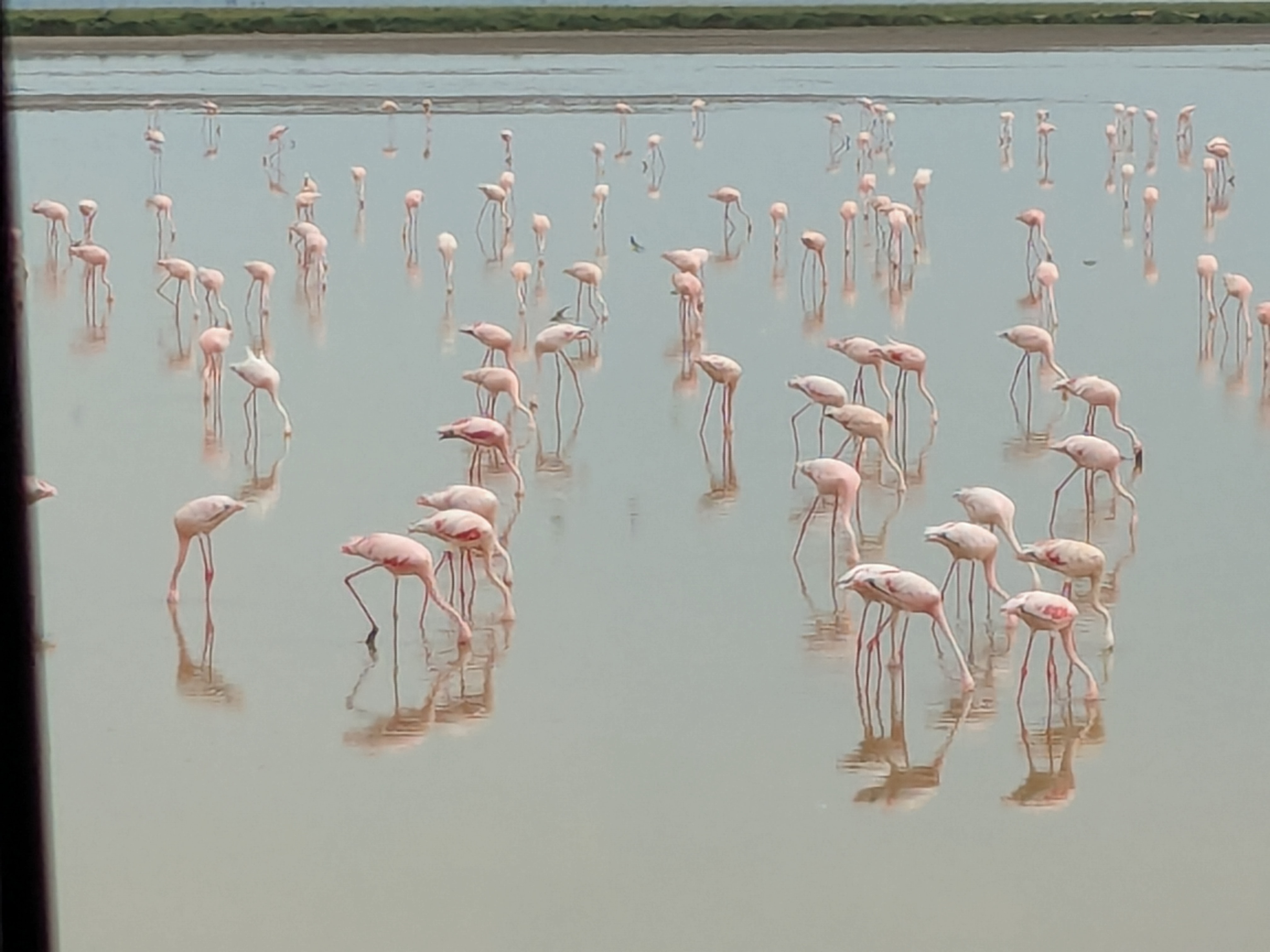
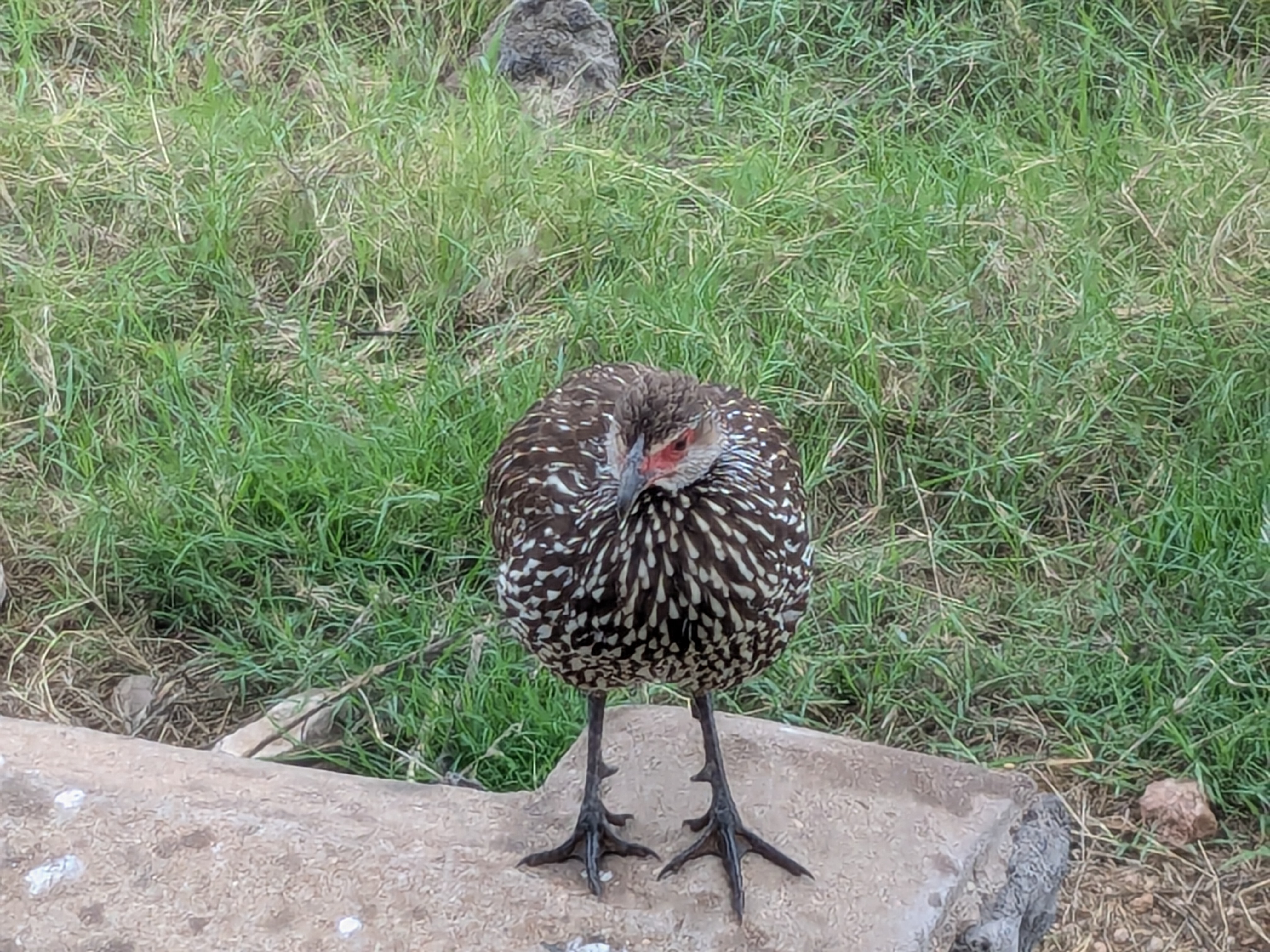
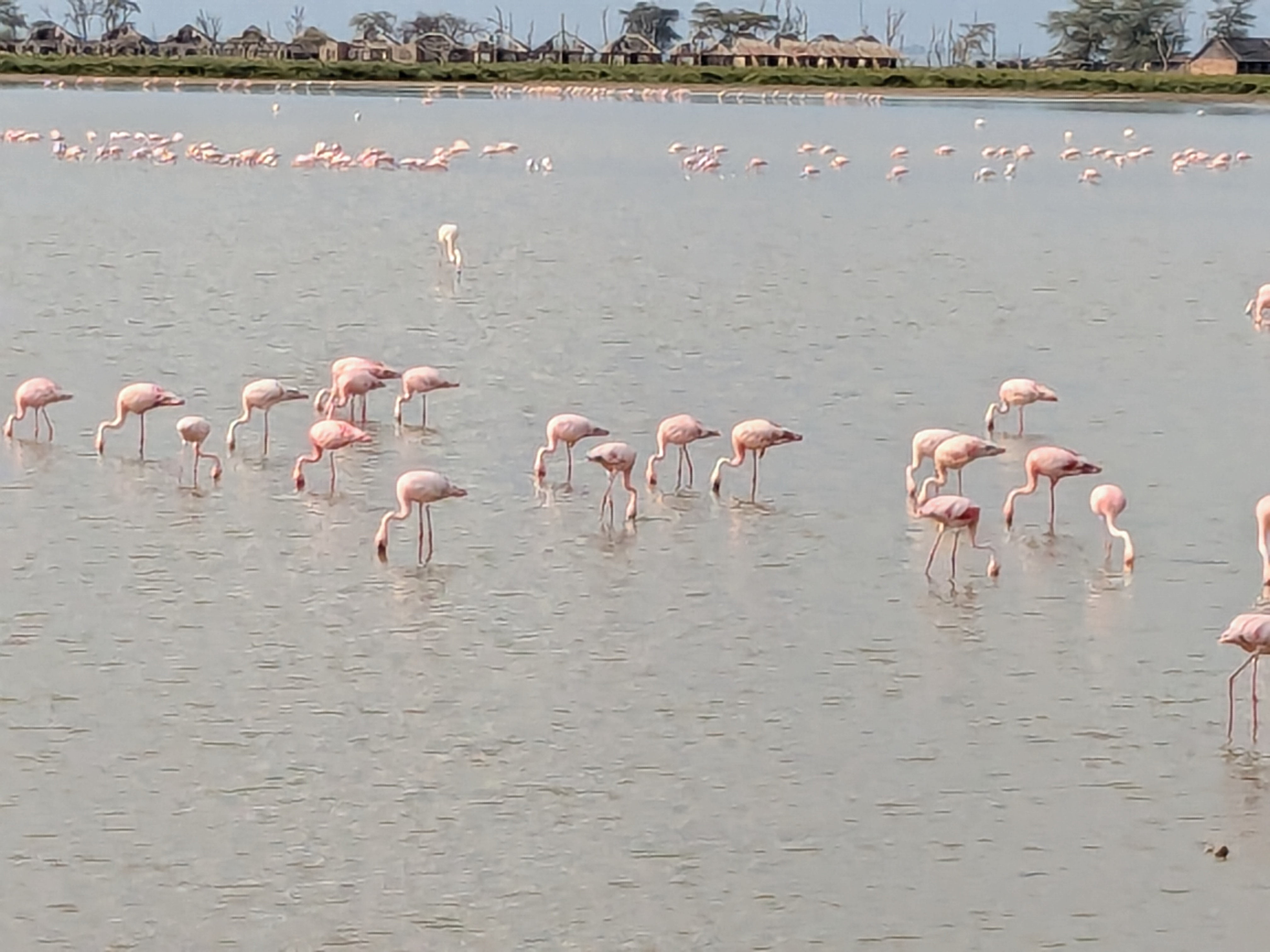
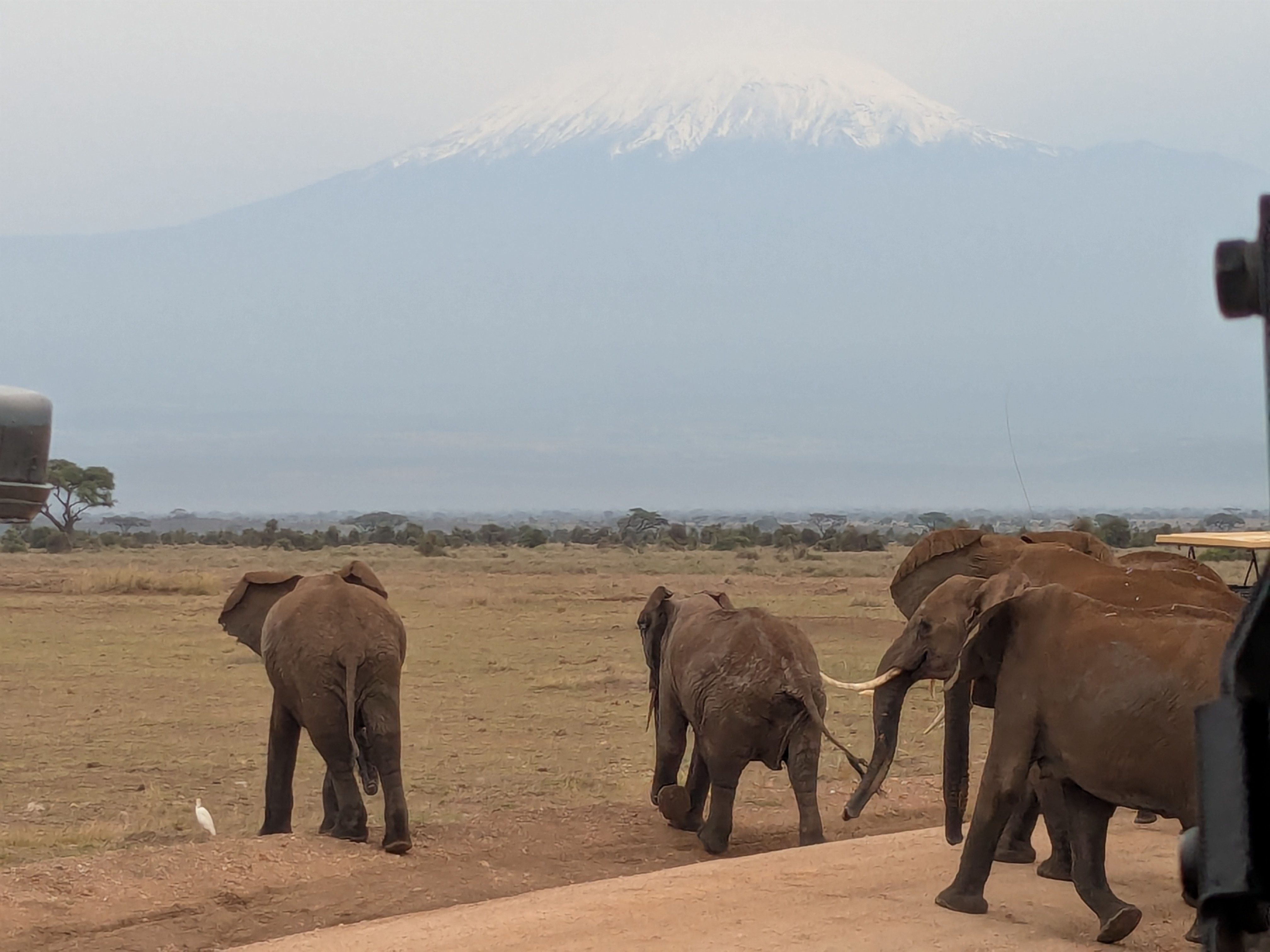
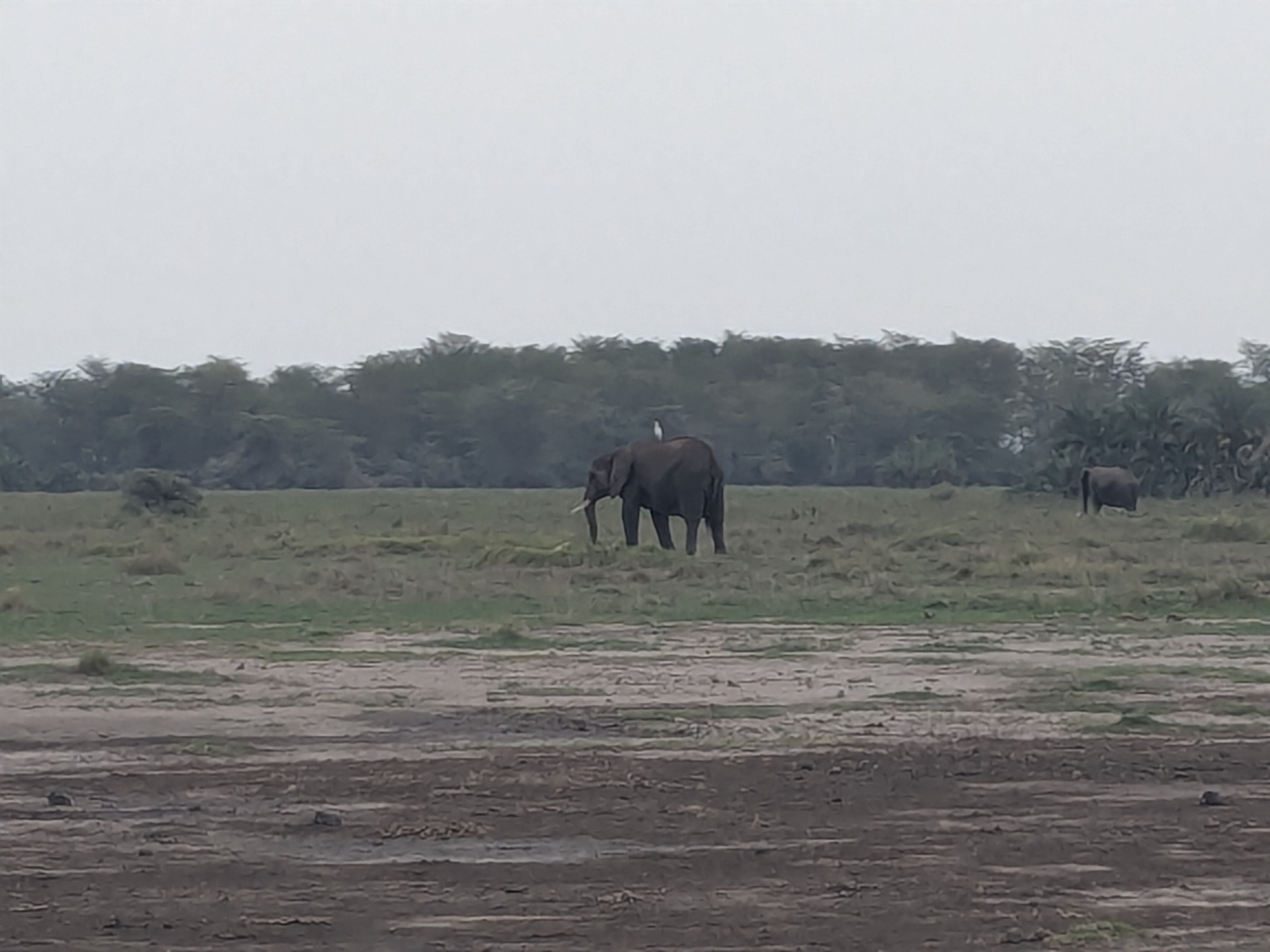
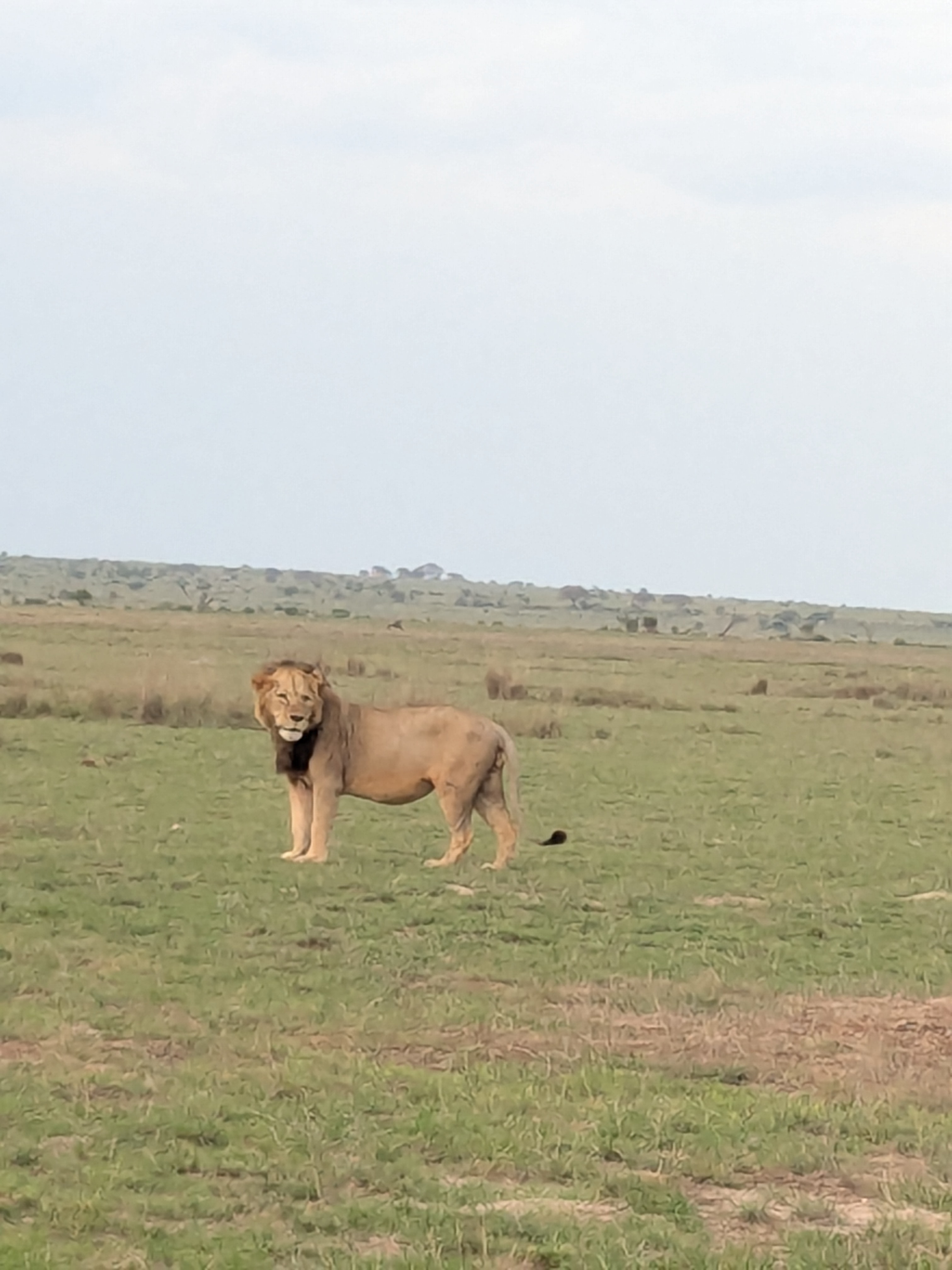
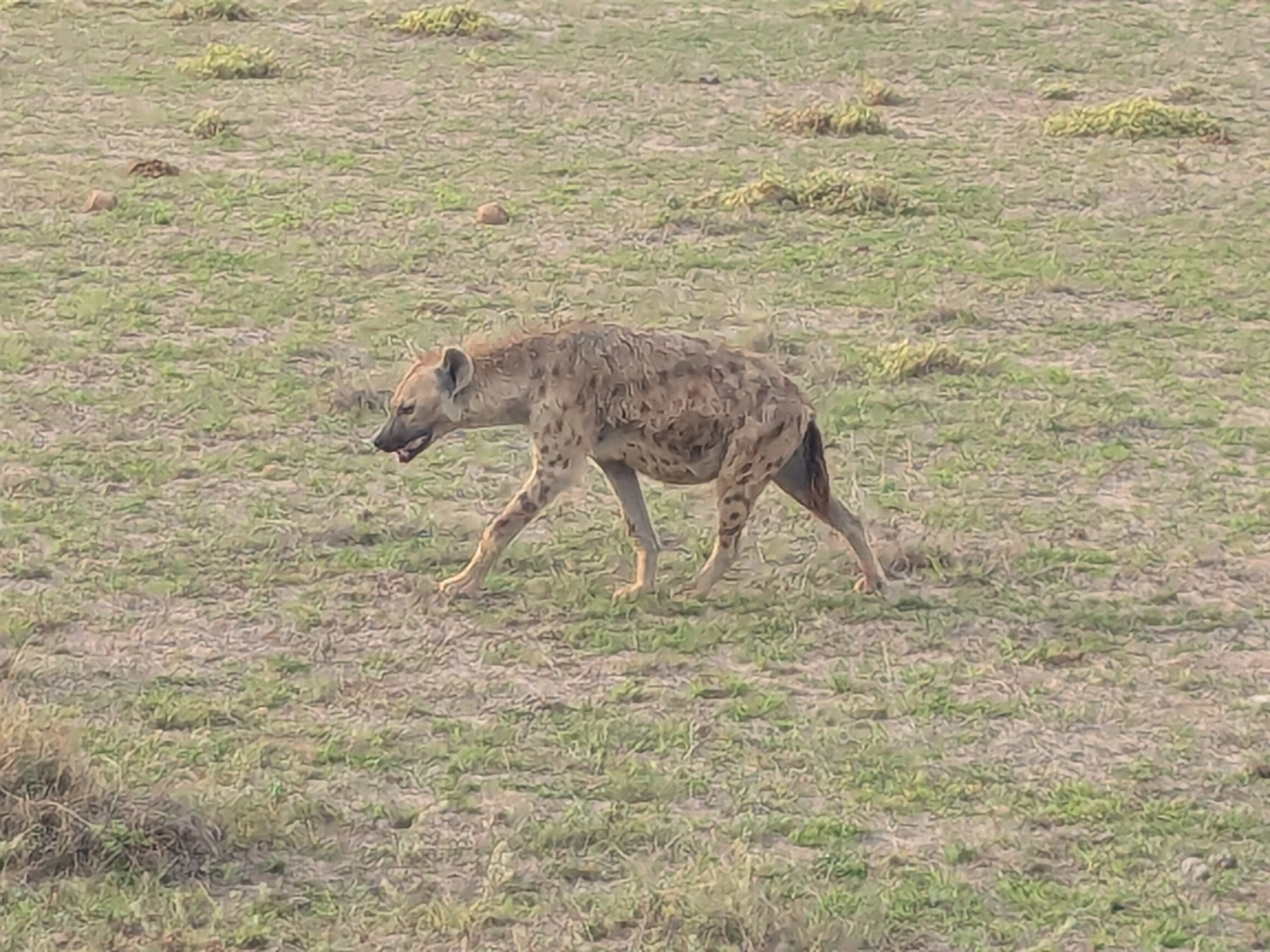
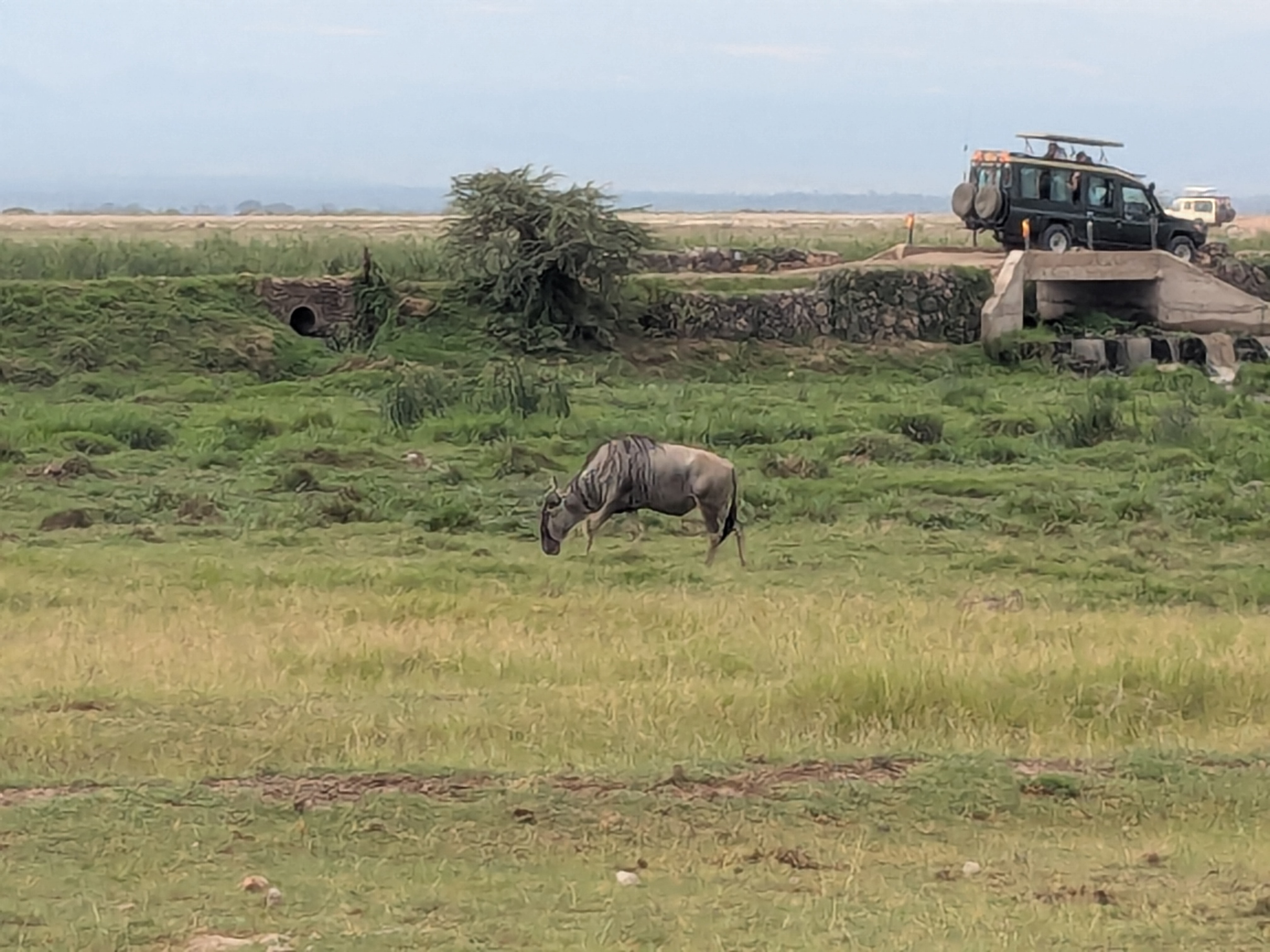
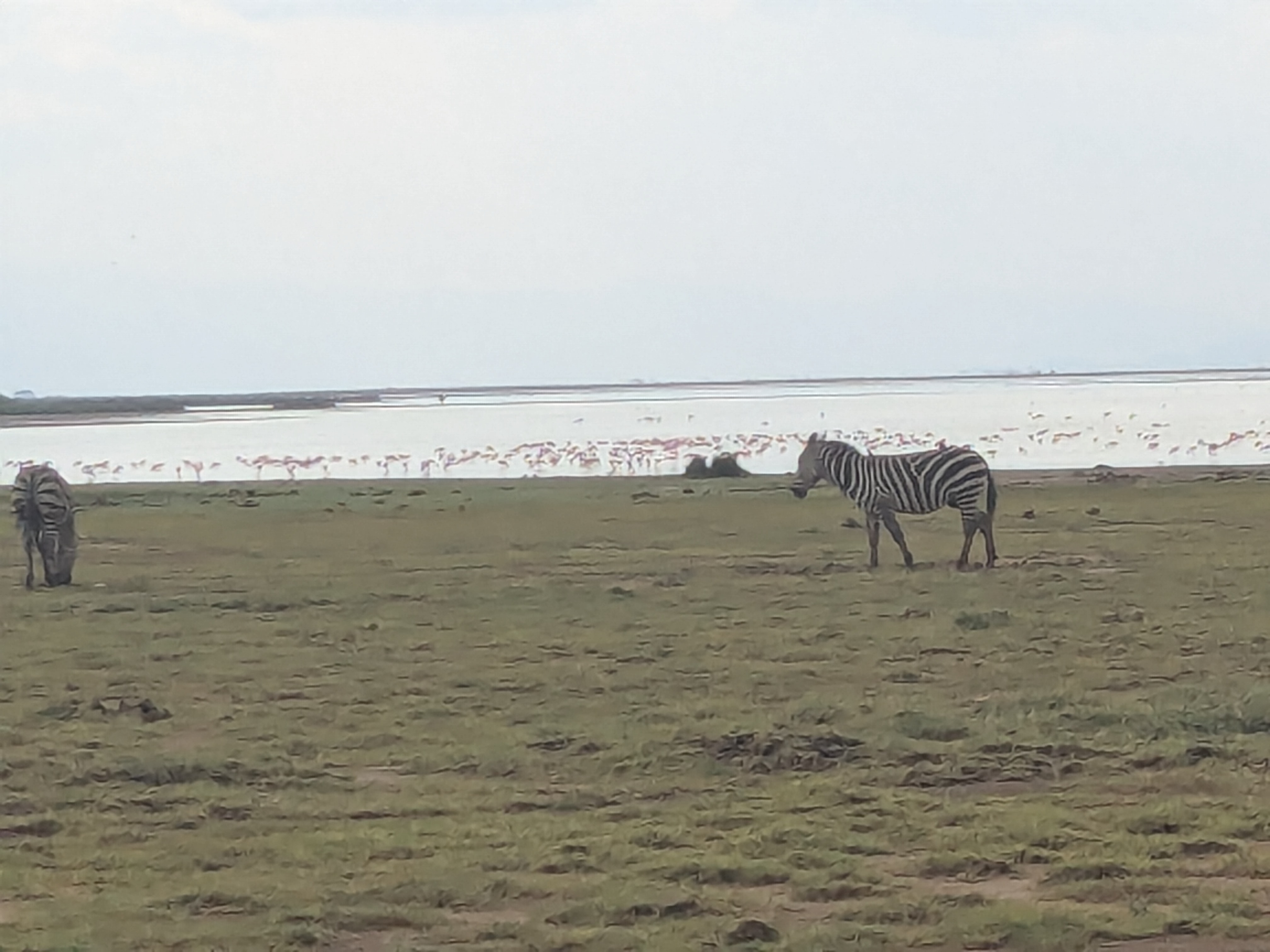
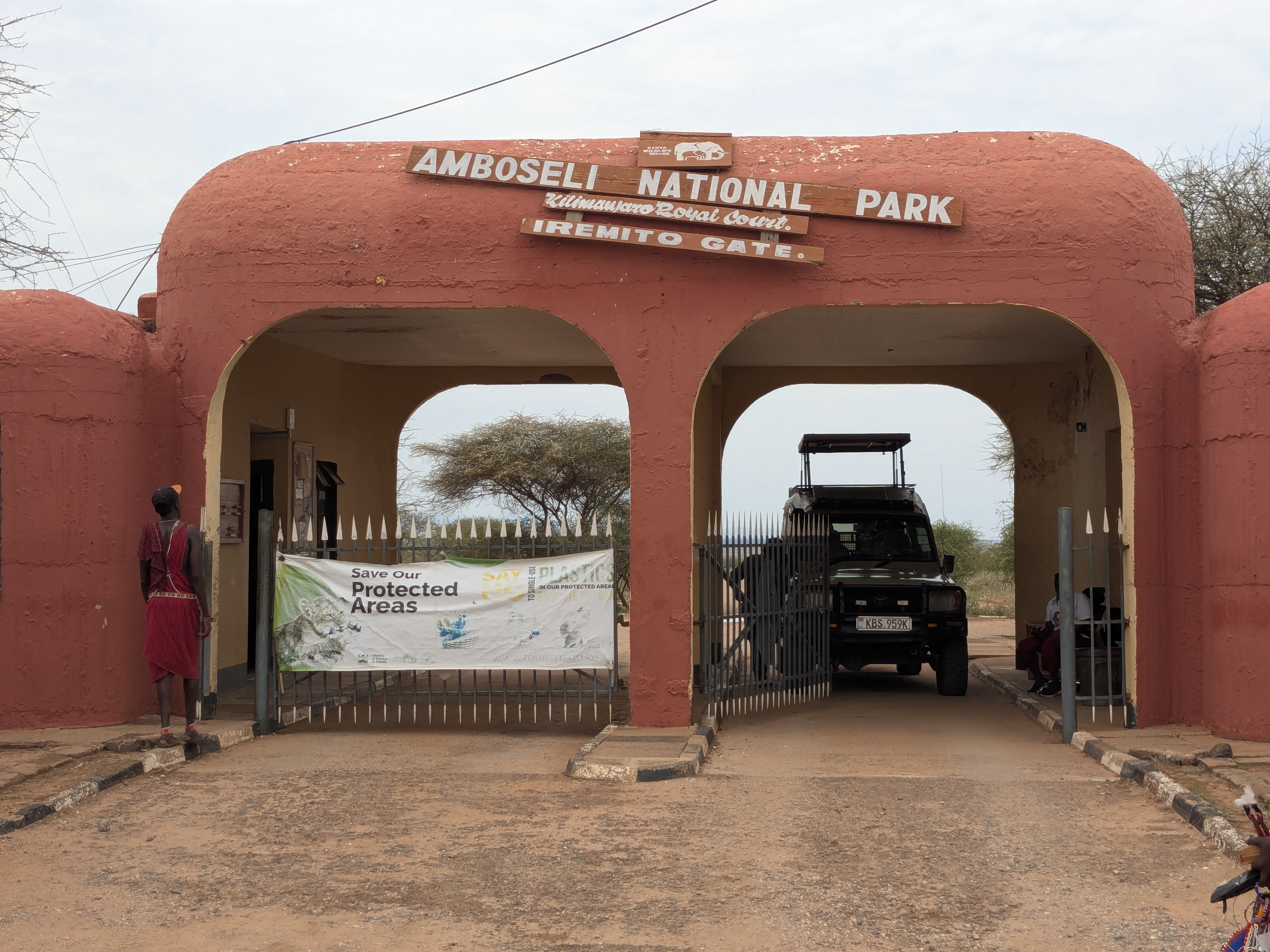
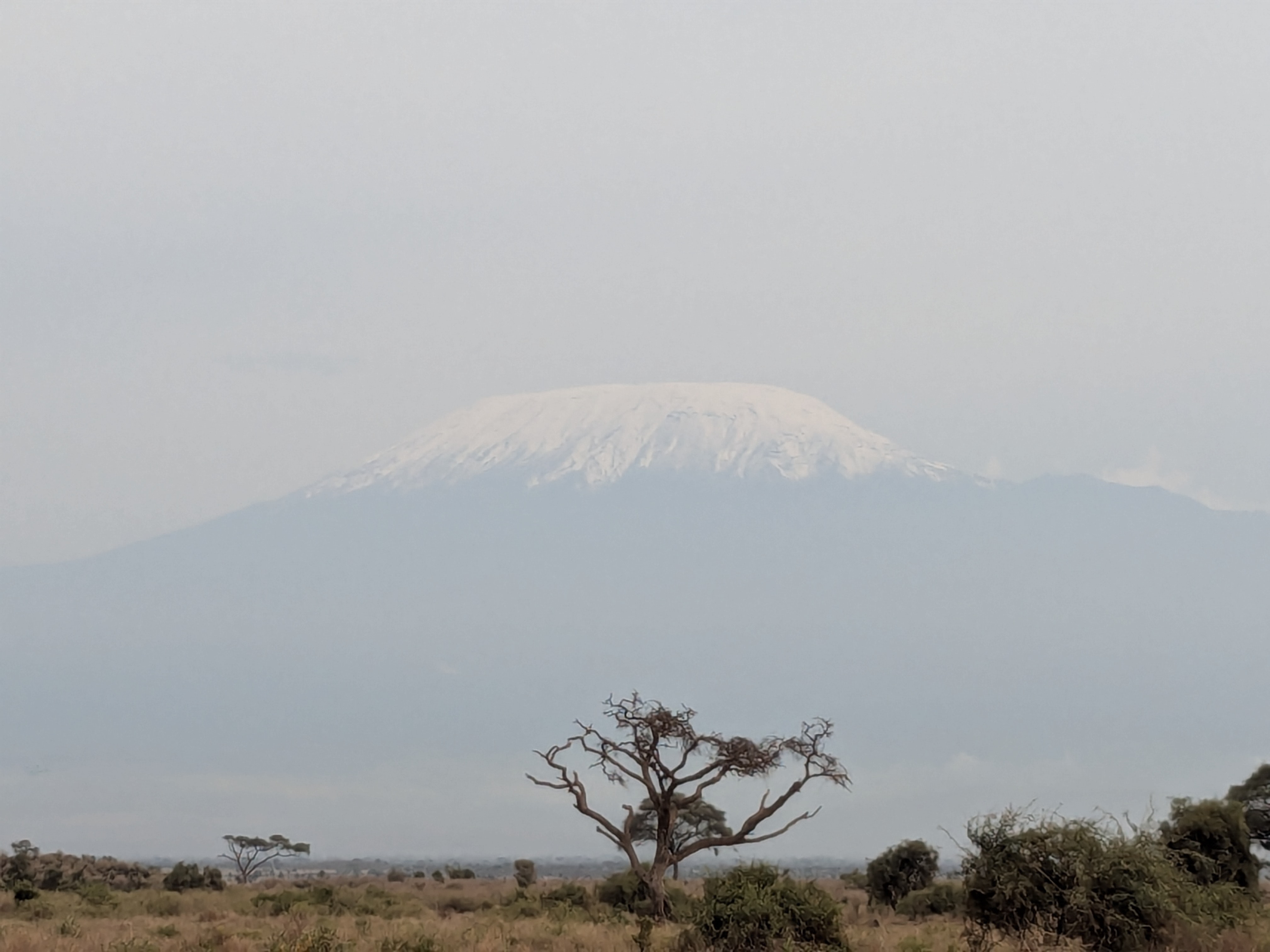
Amboseli National Park, the only Safari we visited on this trip, is a famous Safari. Amboseli National Park has more open plains than hiding places. It makes a good habitat for the African elephants and birds, but not so much for many animals who would rather have natural protections. On a clear day, the snow-capped peak of Kilimanjaro is visible. We have seen the peak of Kilimanjaro, some herds of elephants 🐘, zebras, lion and lioness 🦁, wildebeests, hyenas, buffalos, hippopotamus, gazelles, antelope, impala, waterbuck, baboon, rock python and more. We had related Safari to mammals, and did not quite expect to see the beautiful birds. There were many: Crown Crane, Blue heron, Egret, Colorful Stork, Spoonbill, Blacksmith plover, saddle-billed stork and many others I could not name. Giraffes are less common, likely due to the flat plains. On the way to the Park and at the border of the Park, where there are taller bushes, we have seen a few giraffes 🦒. 

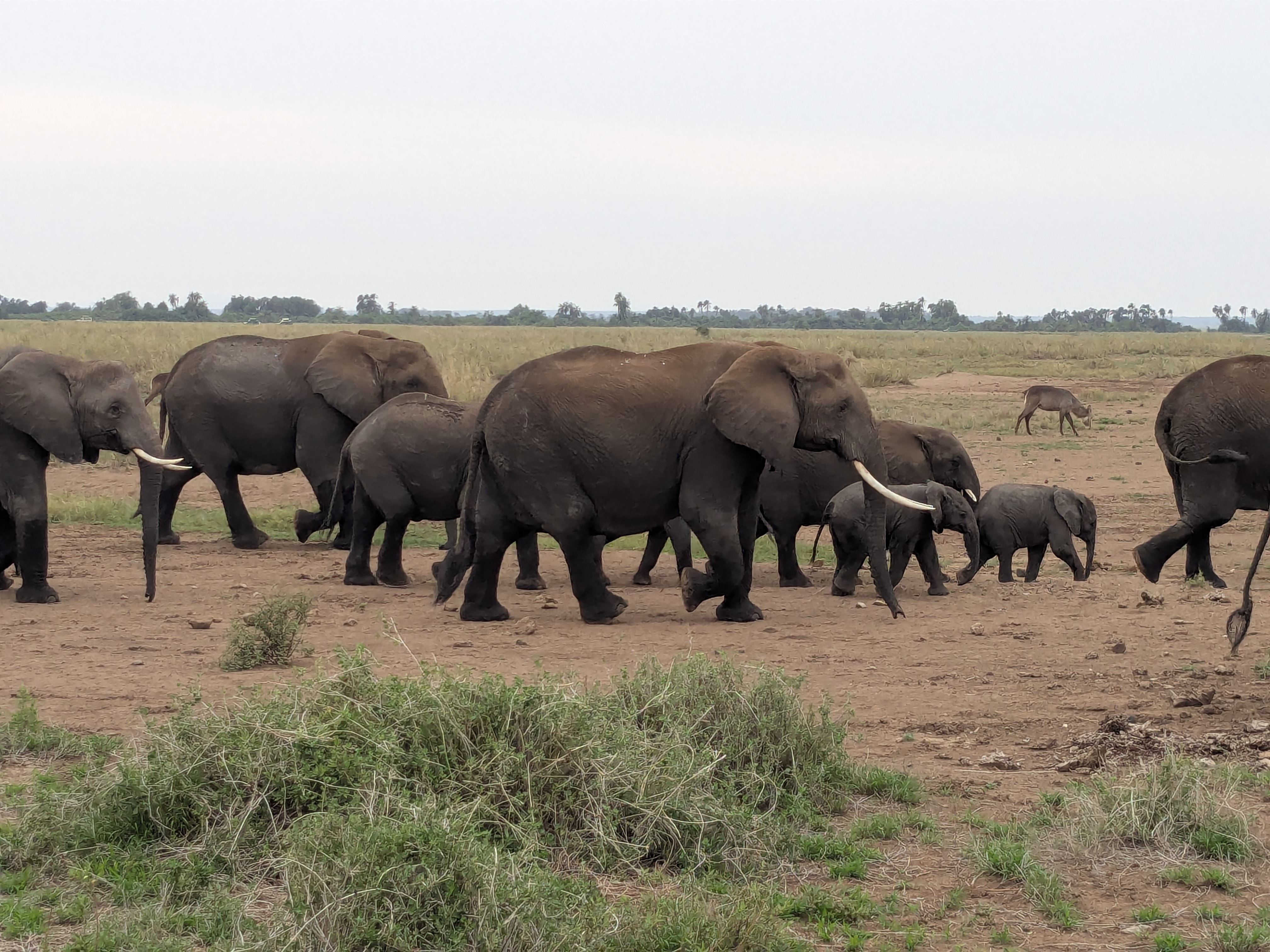
African elephants are amazing animals. The adult elephants are huge yet gentle and graceful. They let the cattle egrets freely stand on their back. The egret and the elephant look surprisingly harmonious with each other.  As elephants walk, their massive weight flushes out insects from the grass, giving the egret an easy meal. In spite of their weight, their strolls look slow, steady and effortless while covering distances effectively. They are not bothered by the jeeps parking on the road nor by the audience watching them, and simply mind their own business gracefully. The baby elephants are cute and walk close to the adults. I still have not figured out how the babies can catch up with the adult, but they do. The tour guide shares that the African elephants typically go through six sets of molar teeth in their lifetime. Each set lasts a few years. African elephants typically live to about 60 years of age. The final set lasts for roughly 20 to 30 years. When the last set of molars wears down, the elephant sadly faces starvation, which is a major cause of death in older elephants. Just watching the graceful elephants, the zebras, and the giraffes in nature is worthy of visiting the Safari.

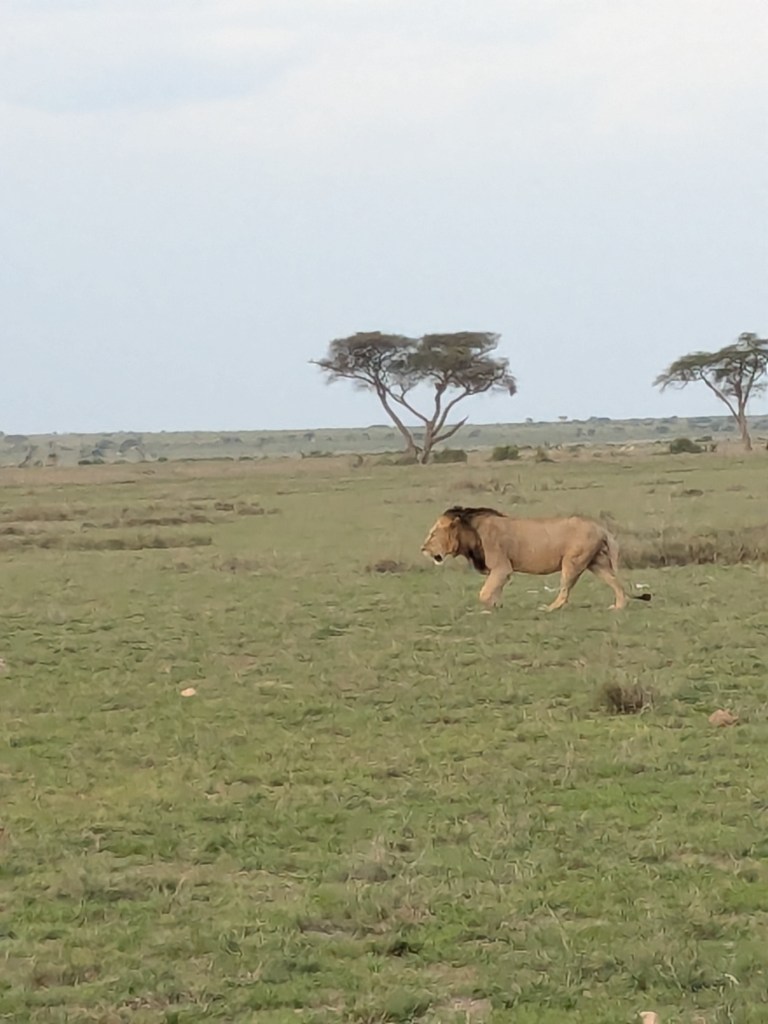
Every Safari tourist loves spotting wild animals. As much as we love spotting a male lion, it has not been as chilling when all the Safari jeeps sped to the same spot on the bumpy roads once the jeep drivers got the news of a lion sighting from the radio. When these jeeps parked along the road, it started to feel like watching a lion in a zoo. In spite of its ferocity, the lion on the day was not huge. He walked fast and covered a good distance simply by strolling. When the lion wanders around to claim the territory, the lioness is the hunter. That lioness, we witnessed, lied low and waited patiently in the short grass for the two zebras, almost within striking distances. On that day, the zebras did not wander close enough for the lioness to attack and we avoided a bloody scene. 

The movie “Lion King” has given hyenas a bad reputation. Their appearance has not helped. Hyenas just look hungry, wild and dirty. In actuality, hyenas are the “environmentalist” in the animal world. They are not picky in their diet and will finish cleaning up the leftovers. They are frugal and do not kill when there are leftovers available. On this trip, we saw these hyenas pretty closely. In that relationship between lion and hyena, on this trip, we witnessed, from afar, a hyena and a lion taking a nap in each other’s company. 

We did not know about the wildebeest until this trip. The wildebeest, an African antelope, is such a unique animal that it should be more famous. It is a combination of many animals. The joke is that God runs out of the raw materials for the wildebeest, or that it was created using the leftovers from the other animals. It has the zebra stripes, the buffalo horn, the horse body, and the slender antelope legs. There are quite a few “confusion” (i.e. “herd”) in the park, and often they are accompanied by a couple of zebras. The wildebeest are herbivores and are gentle animals.

The diets tell more about the aggression than the size. Elephants, giraffes, zebras, wildebeests are gentle and graceful on their plant-based diet, while omnivorous or carnivorous animals come across as more dangerous. Regardless, our jeep, with a capacity of 6 to 8 passengers, is safe, and capable on the rather bumpy roads leading to and inside the park.

Safari makes the perfect place to see the diversity of the mammals and birds in nature. 

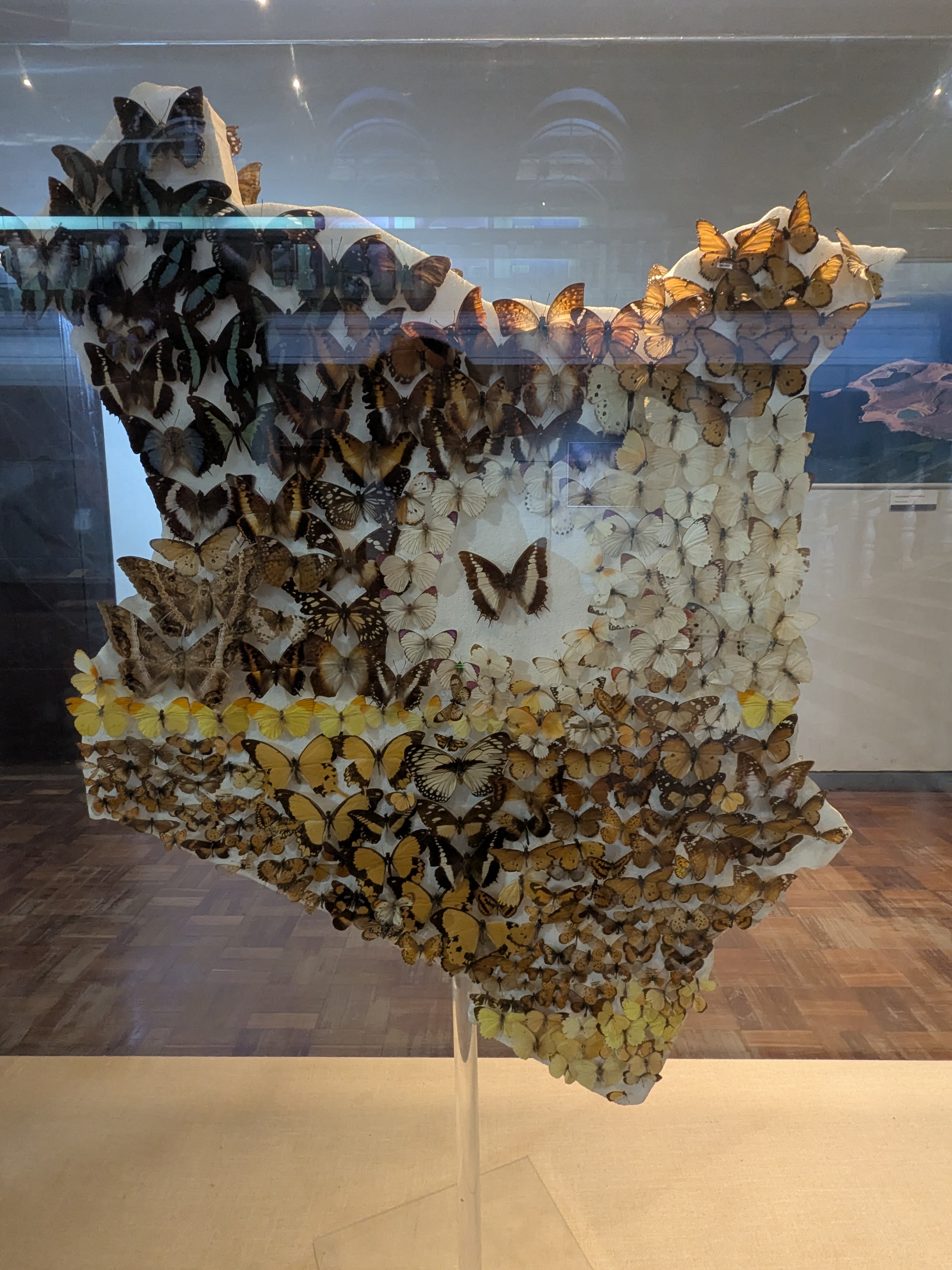
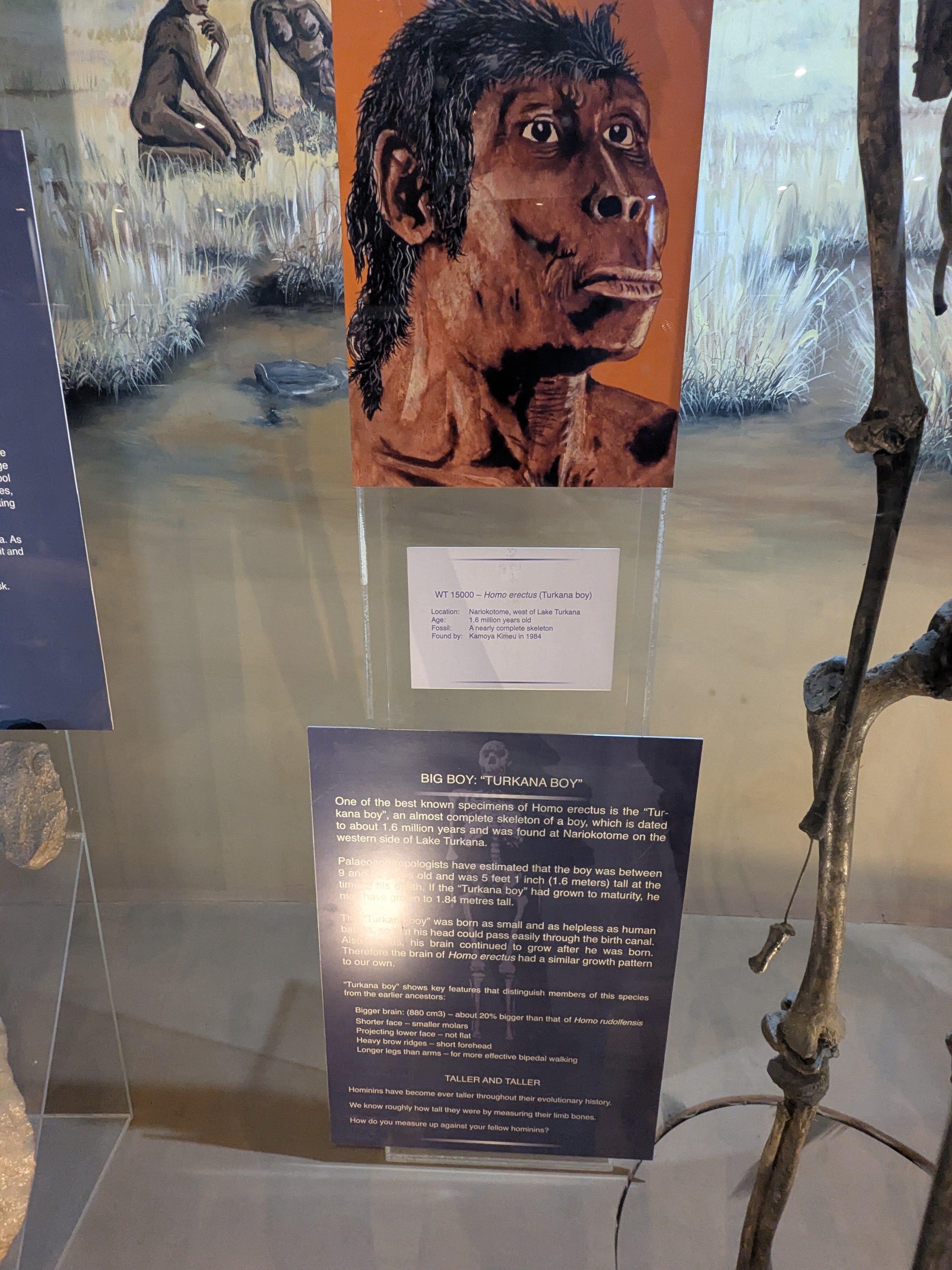
On our last day in this Kenya trip, we were back to Nairobi before flying back to the US. We visited the National Museum of Kenya in Nairobi. I wish I had visited the museum before the Safari and had more visiting time, to understand more about the animals, the 1000 species of birds, the butterfly in addition to the unbelievable exhibits and the history of homo erectus.  

The National Museum is a not-to-be-missed for any tourists in Nairobi or Safari visitors. 

Unlike our travels in many other parts of the world, Africa felt different to us. We found comfort in leaving the logistics and guiding to those who know the land best. We never felt we had enough confidence to venture out entirely on our own—at least not yet. felt the confidence enough to venture out entirely on our own, at least not yet.

Leave a comment »

NGO Trip: HER Labs, Kenya (Part 2) 

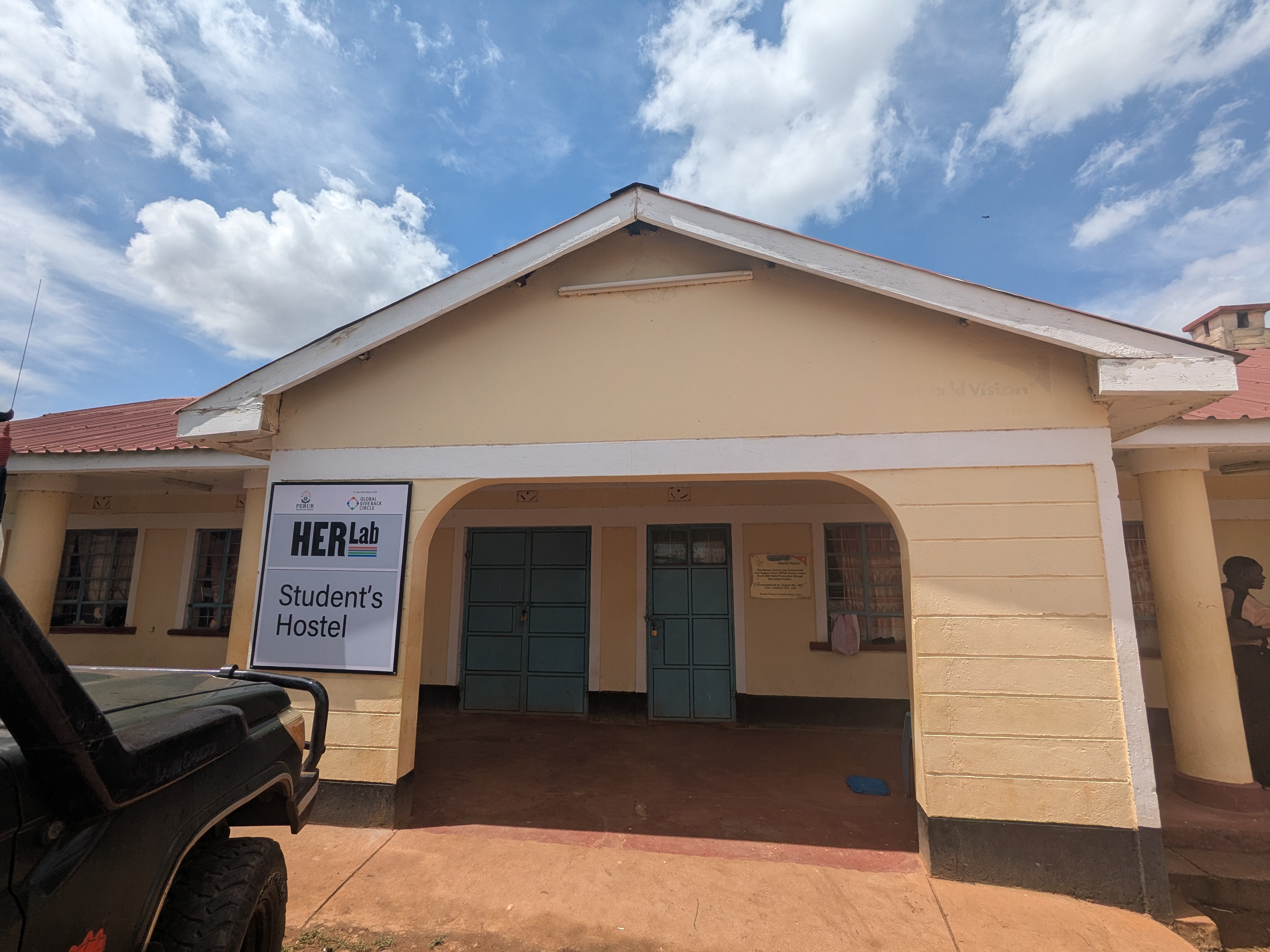
The vocational school HER Lab Kajiado, second chance for women 明天會更好
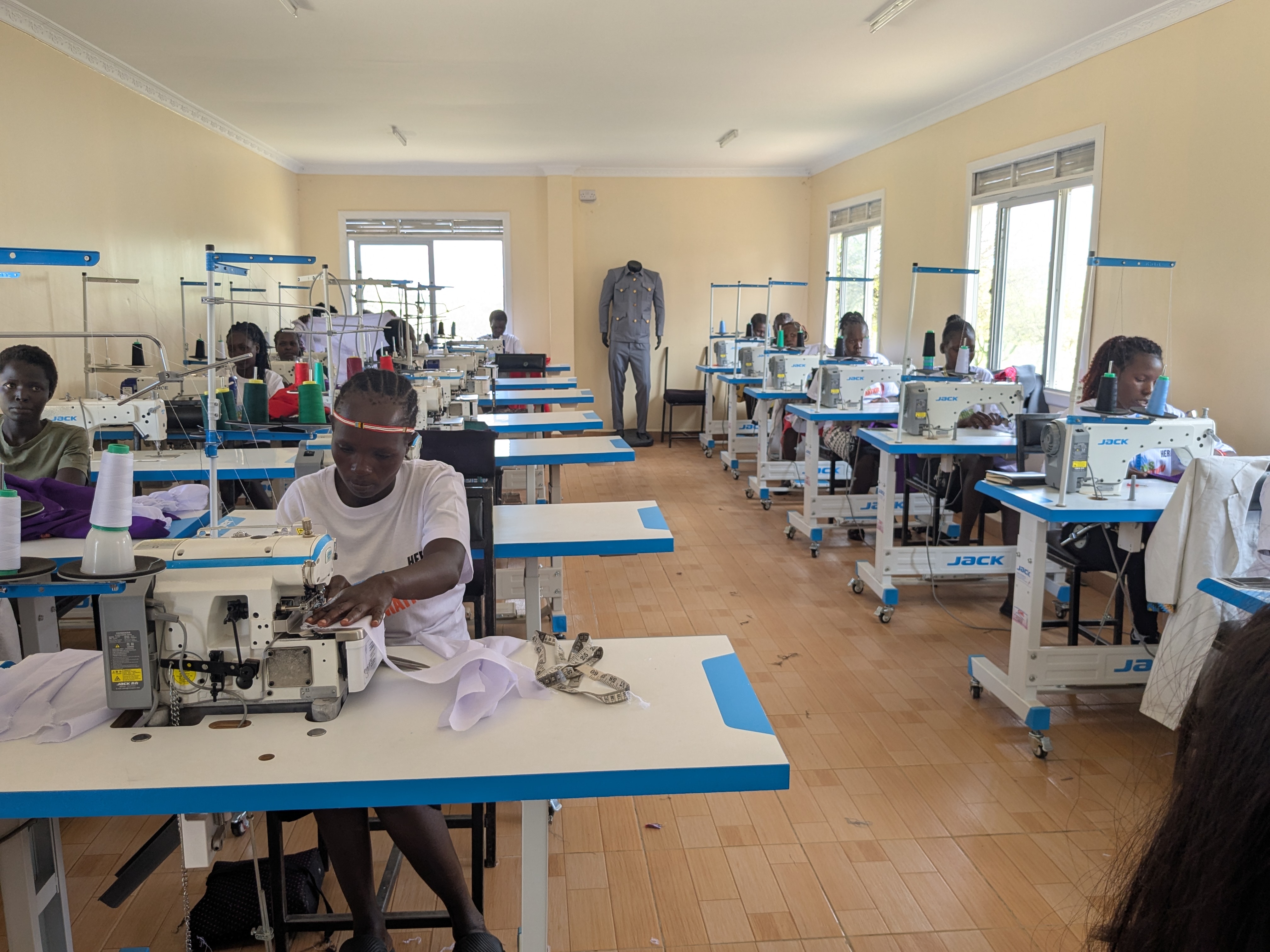
Many Kenyan women were married and had kids very early. They do not have a chance for education nor any means to make a living. The HER lab has the mission to offer a second chance for women.

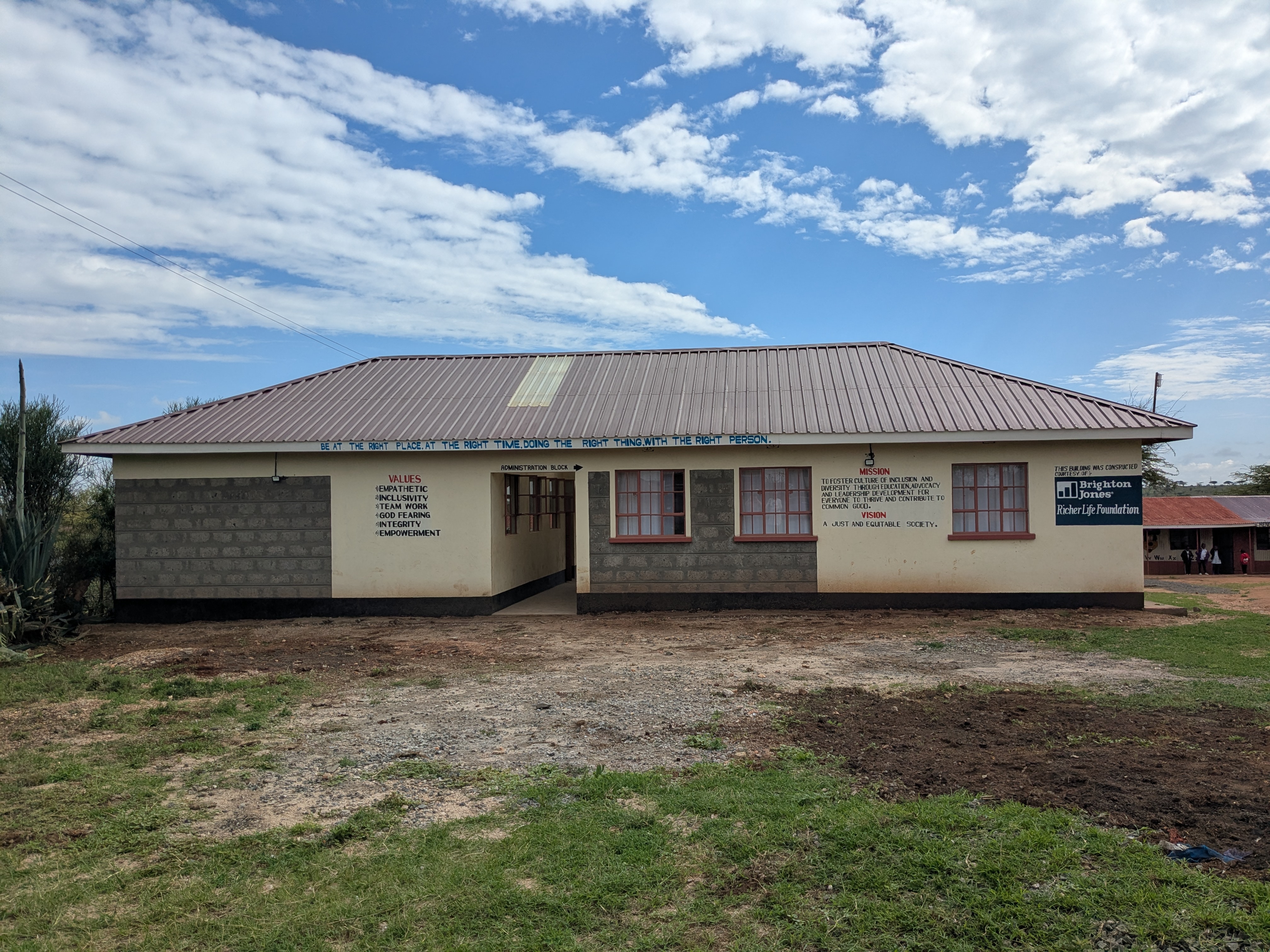
We visited one of the HER lab initiatives, a vocational school within driving distance of Nairobi after visiting the boarding school inside of Kibera, the largest slum in Africa.

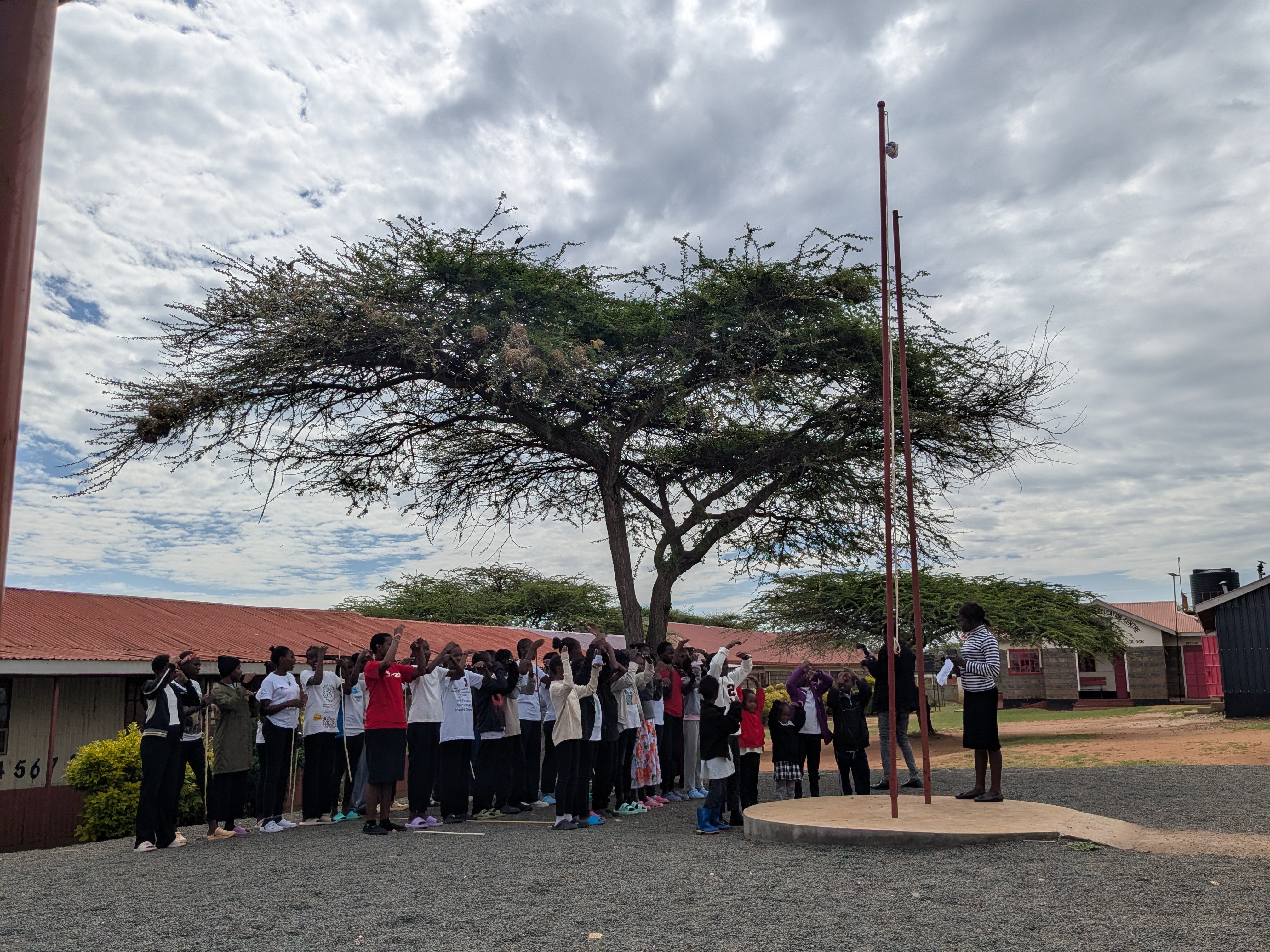
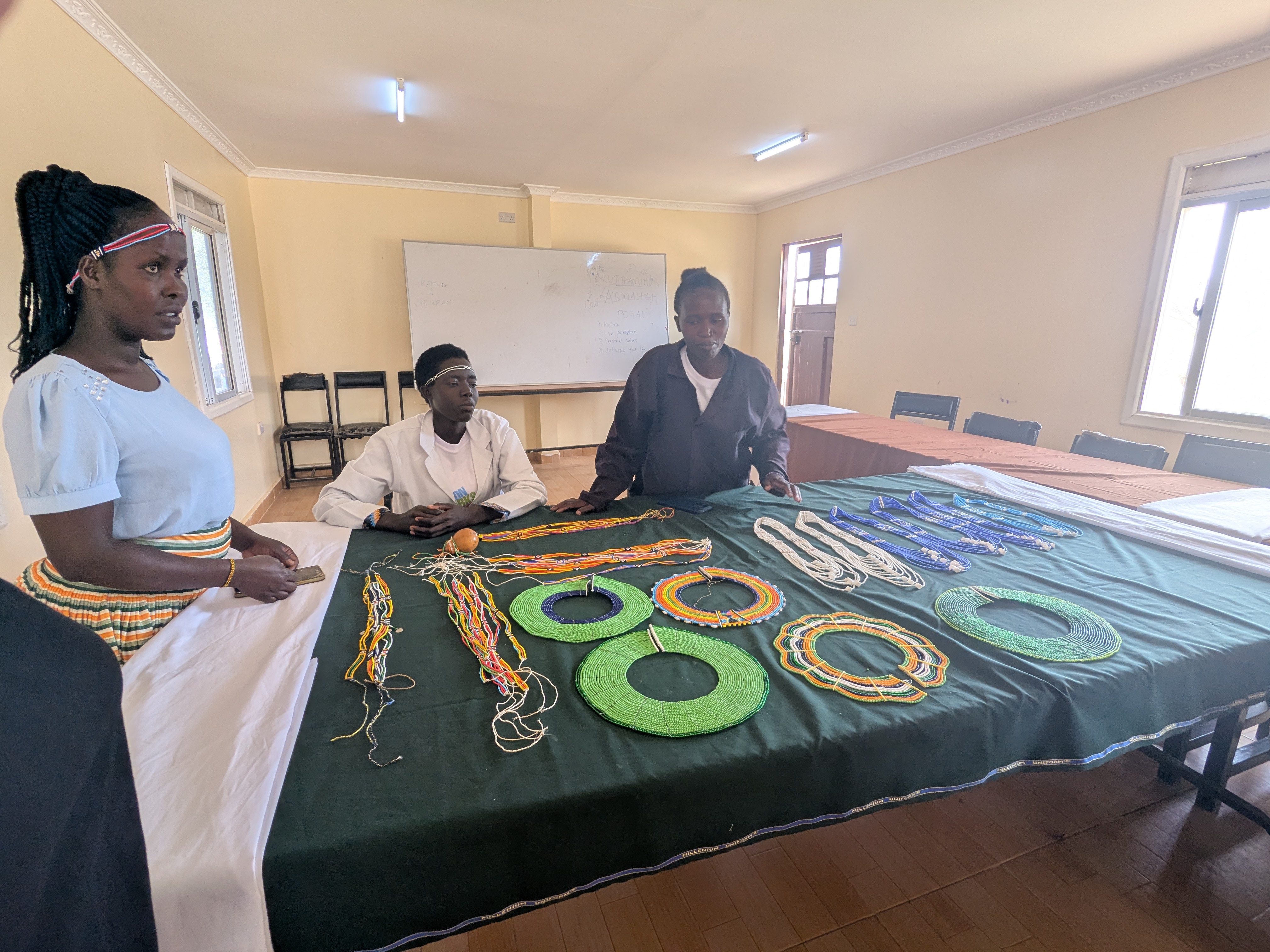
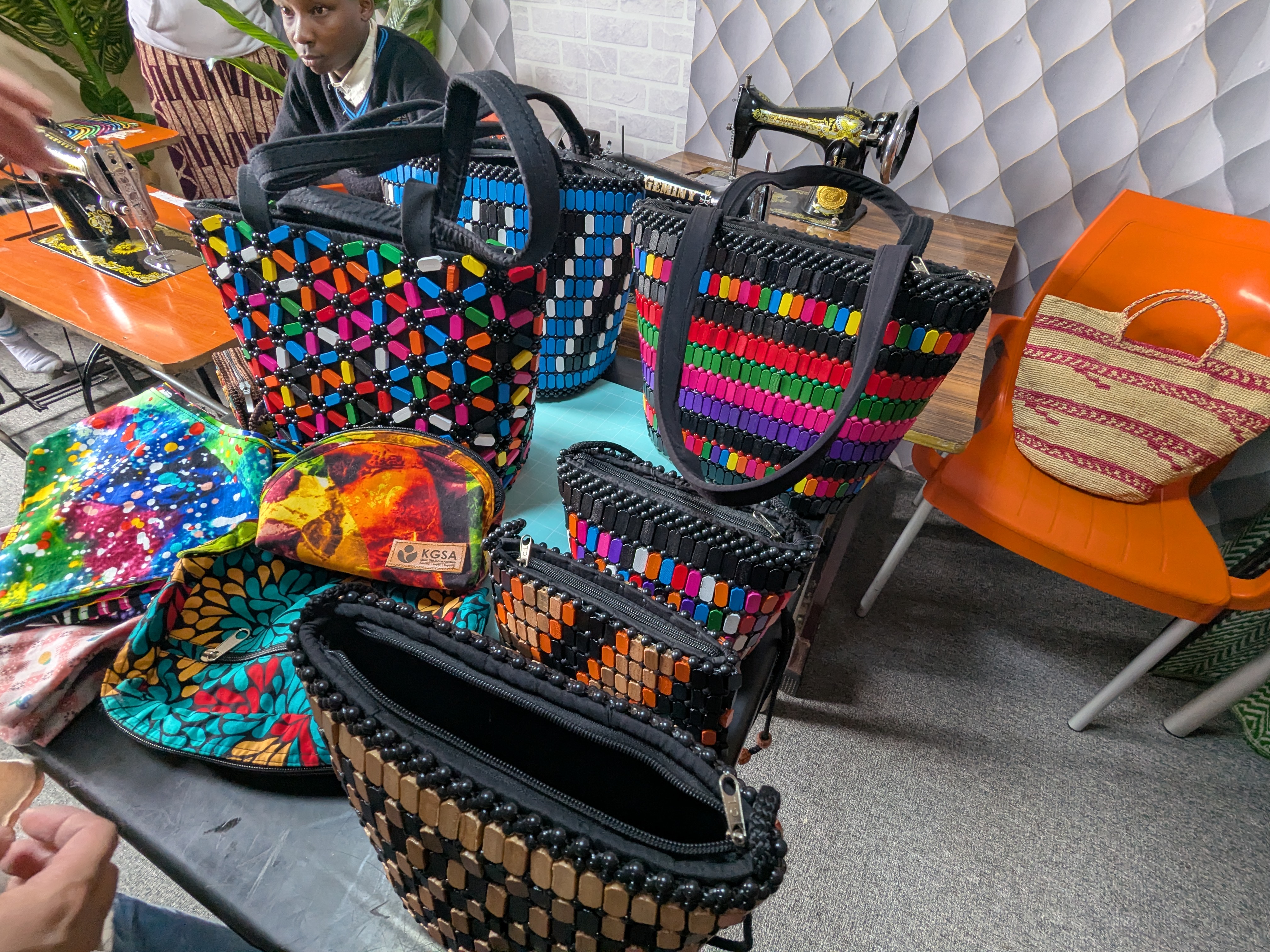
We were welcomed in the school with a flag raising ceremony and song singing in Helga. The kids were lovely and curious. Afterwards, we joined a group of Kenyan women in a room, listening to their stories. These Kenyan women committed no offence. They married young, raised kids at an age where their American equivalences are still in school. The second chance vocational school taught them vocational skills such as beading, tailoring, so they could make a living. It is not a stereotype, but some married Kenyan men desert their wife, take all the money with them and find other wives. With the training and the support, these women can earn some money and equally important, keep the money. Not only does it help them financially, it gives them confidence and self-esteem. Some women need to take care of young children during the day. To support them, the vocational center has set up facilities to take care of the children, while the women learn new skills. I am so humbled by the courage and strength of these women to break the mold.

The community school HER Lab West Pokot 自强自由之路
This other HER lab is located in West Pokot. We flew from Nairobi to Eldoret. West Pokot is about two to three hours of drive from Eldoret. Our hotel is located next to a rather upscale shopping mall. Overall Eldoret gives us a better impression than Nairobi.   

Going from Eldoret to West Pokot, we passed through quite a number of small towns, heading towards the countryside where West Pokot is located. 

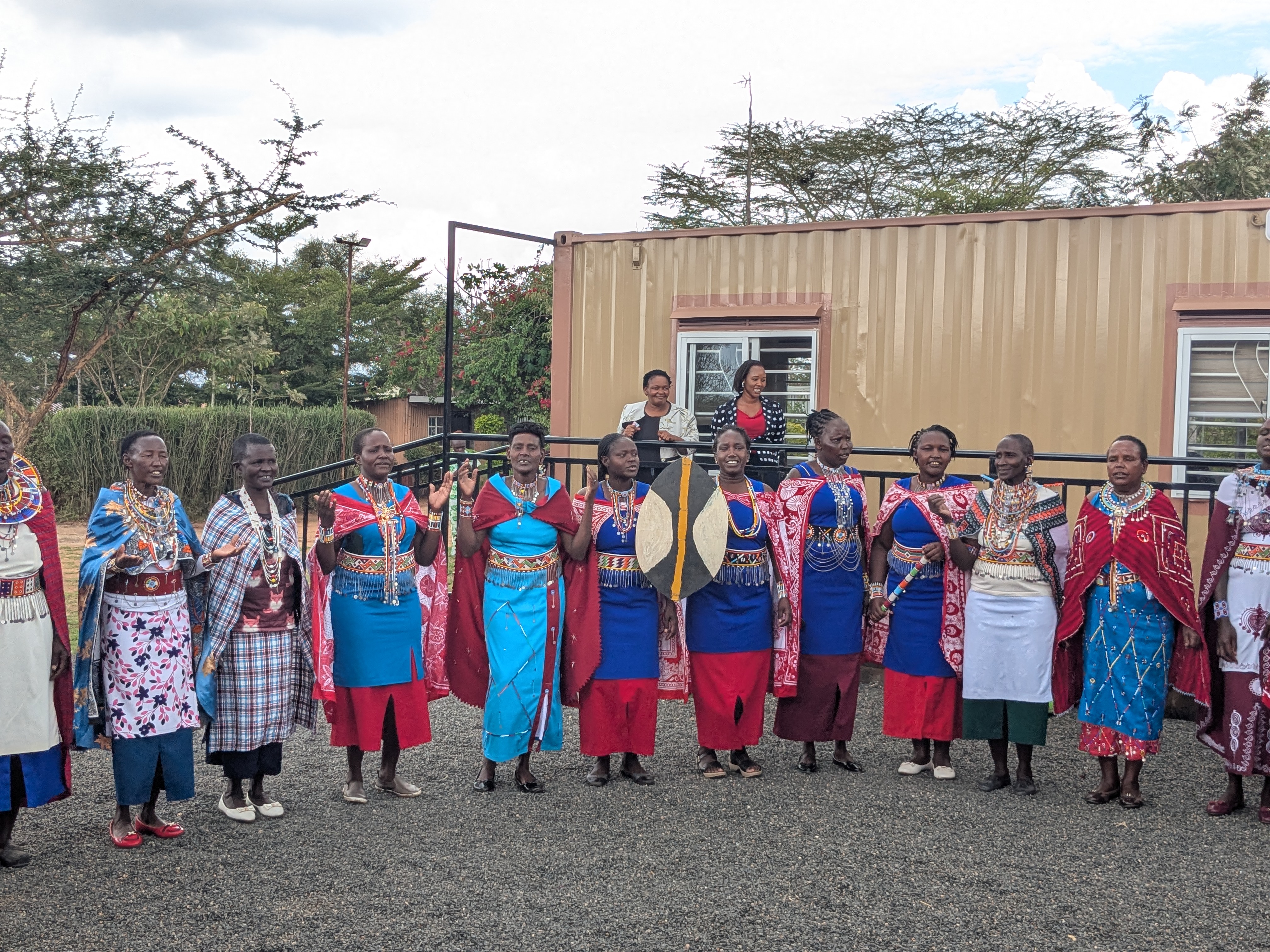
The welcoming party was impressive to the point of overwhelming. There were like seven hundred people, singing and dancing. They found us and helped us put on a Massai collar and a Massai dress, while they were dancing and singing around us. 

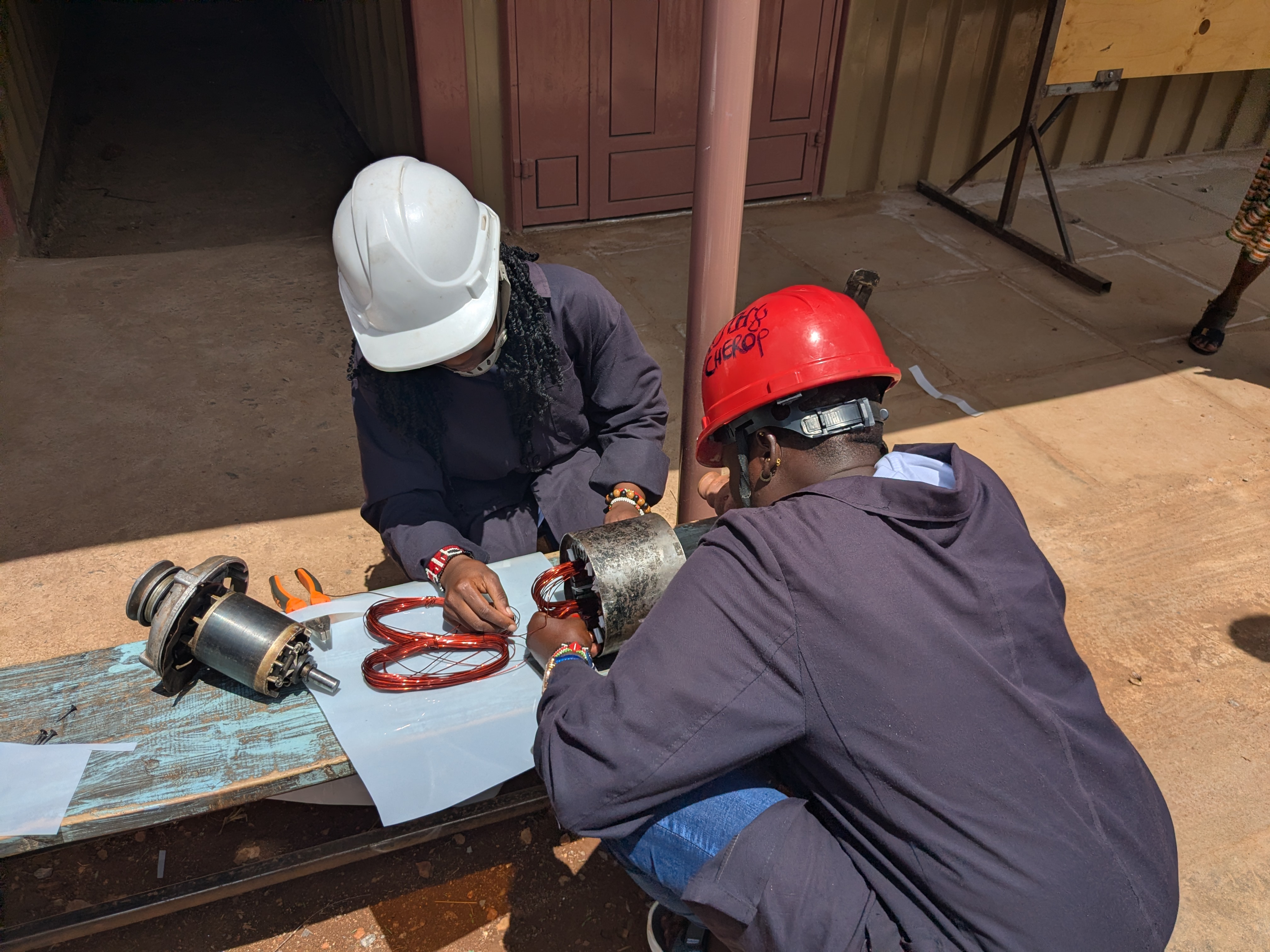
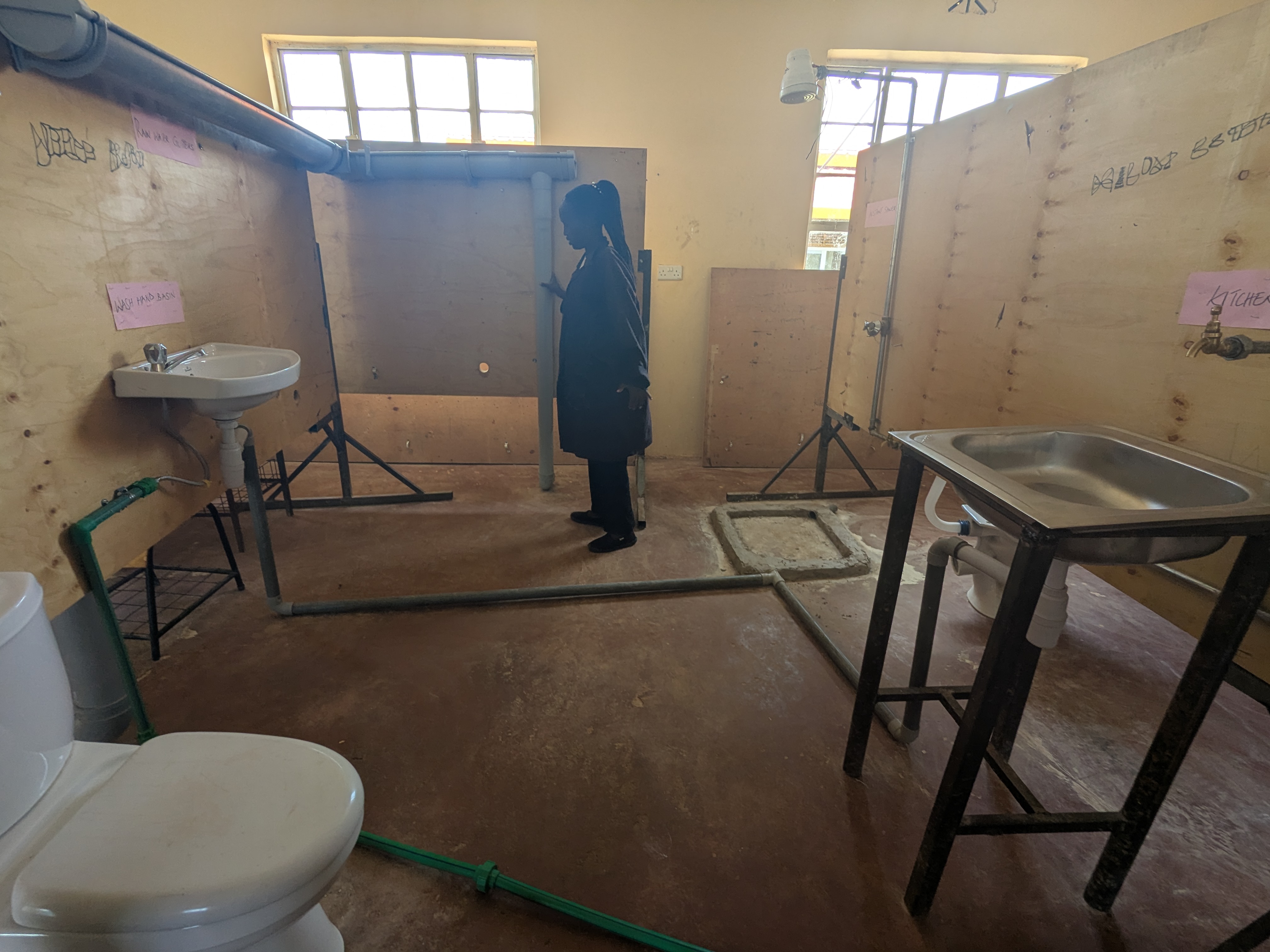
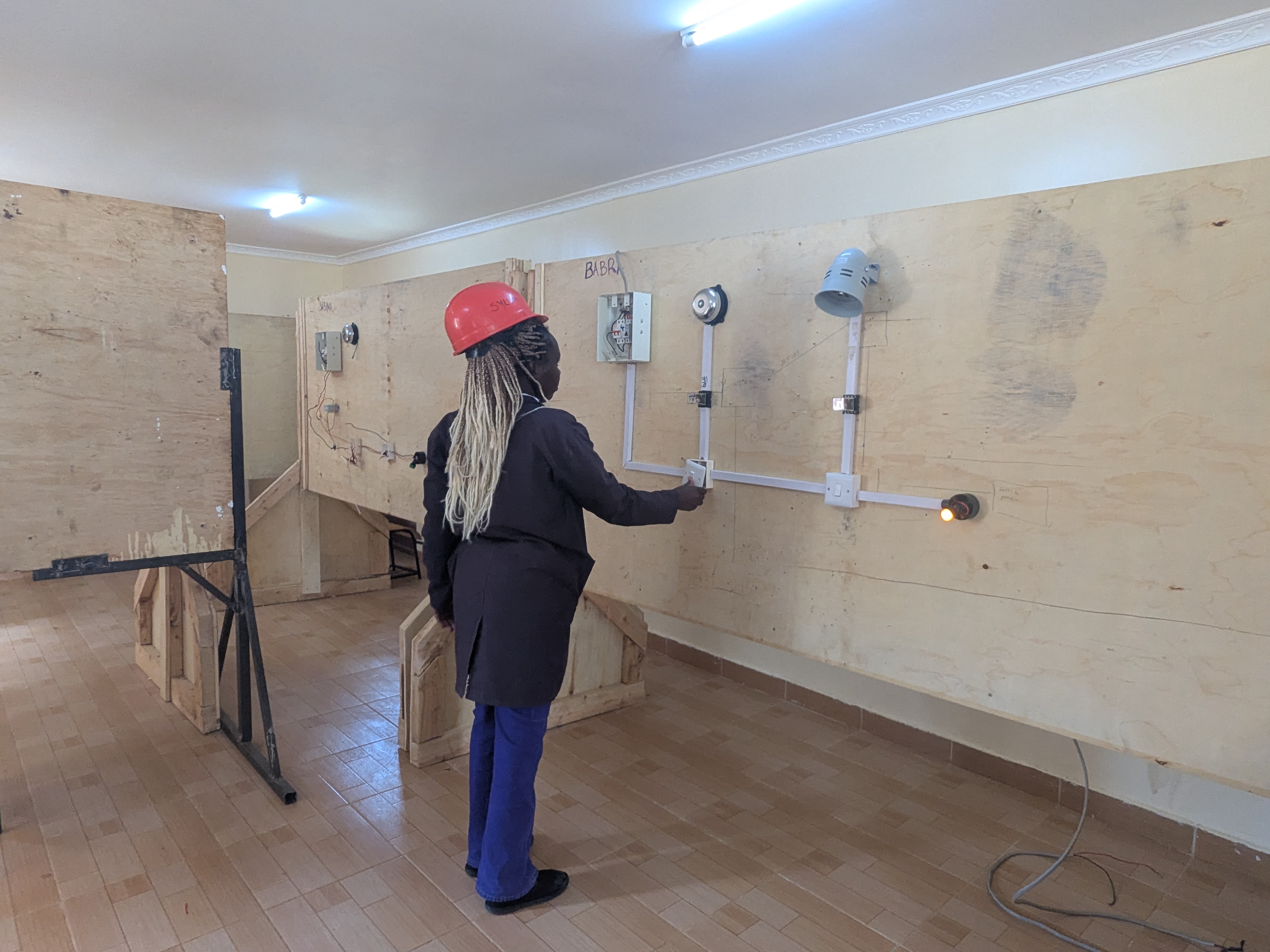
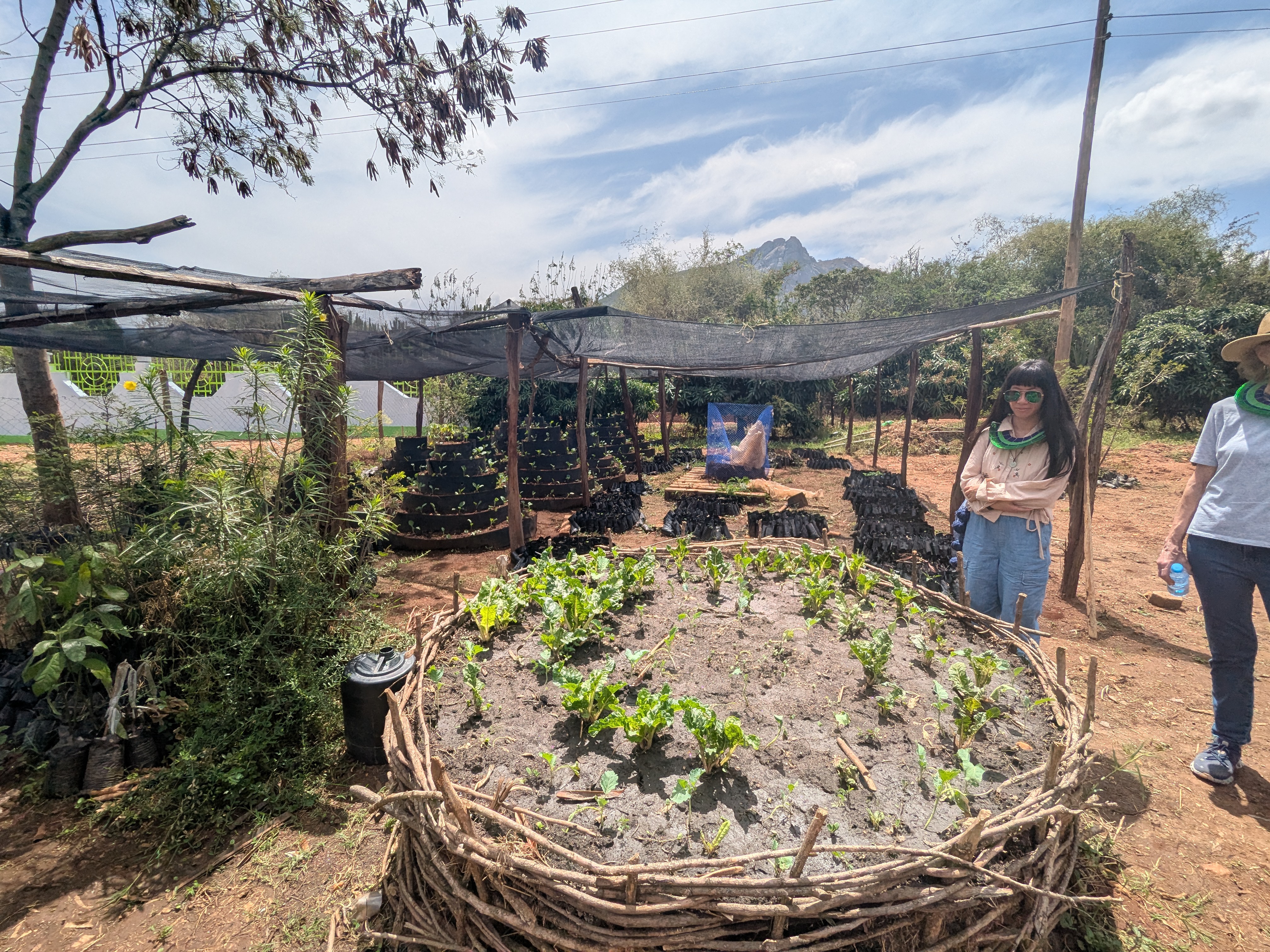
After the welcoming party, we toured the facilities, checking out the garden/farm.  The girls take pride in their gardens where they grow vegetables and fruits for themselves, and we had tasted some of the produce in our lunch. They also attend the different workshops to learn practical life skills through electrical workshop, plumbing workshop, beading workshop, tailoring workshop, cosmetology, the media workshop and the computer workshop. This is a more established HER lab compared to the other HER lab Kajiado we visited before.

A few girls shared their experiences through their emotional speeches during lunch. It gave us some ideas on the kinds of effort the staff has put together to support the girls. 

The HER Lab is not just for the girls, it also serves the community.  In the afternoon, we were introduced to the community before joining an outdoor workshop “Know me by my Name: My Name, My Voice, my Power” for the women of different ages. The topic was about financial freedom. We sat in a circle, with two school-age girls as facilitators. The participants shared their experience about their saving habits, their businesses, and ways they would like to improve. I did not speak their languages, one girl translated. In spite of the language barrier, I felt their energy, their hope and their happiness for the future. 

Three projects (Kibera, Kajiado, West Pokot) on three days. It is energizing to experience the rays of hopes from the girls and women. 

Next: Ambroseli National Park (Safari) 

Leave a comment »

NGO Trip: Nairobi, Kenya (Part 1)

Not enough NGO (Non Profit Organizations) offer their donors field trips to the areas of their donations. Many years ago, I visited Vietnam with World Vision, an NGO, and the experience has stayed with me even when the specifics faded over time. Back then, Vietnam was very different from Vietnam today. I still remember the hardworking and the energetic Vietnamese I encountered in the market. I had the strong impression these hardworking people would be rewarded. Back then, Vietnam was so poor, that many children did not have shoes.That parting scene where there were so many kids running along the rough dike, poorly dressed, barefeet, waving hands but so poor. It is wonderful to see the economic progress in Vietnam over the last few decades. With a stable government and peaceful years, hardworking people can make a better living on their own. 

This February, I joined another NGO, Global Give Back Circle, to visit Kenya for ten days. In the short span, my spouse, my daughter and I visited three schools for different female groups. We also spent two and half days in Amboseli National Park for the Safari. 

It was our first time visiting Africa. The NGO has given us pre-trip health tips, and we took it seriously. We went to the county travel health clinic to get the shots and medications needed. Other than the proactive anti-Malaria pill that we needed to take days before, and another 7 days after the trip, we did not need to use any of the other med.

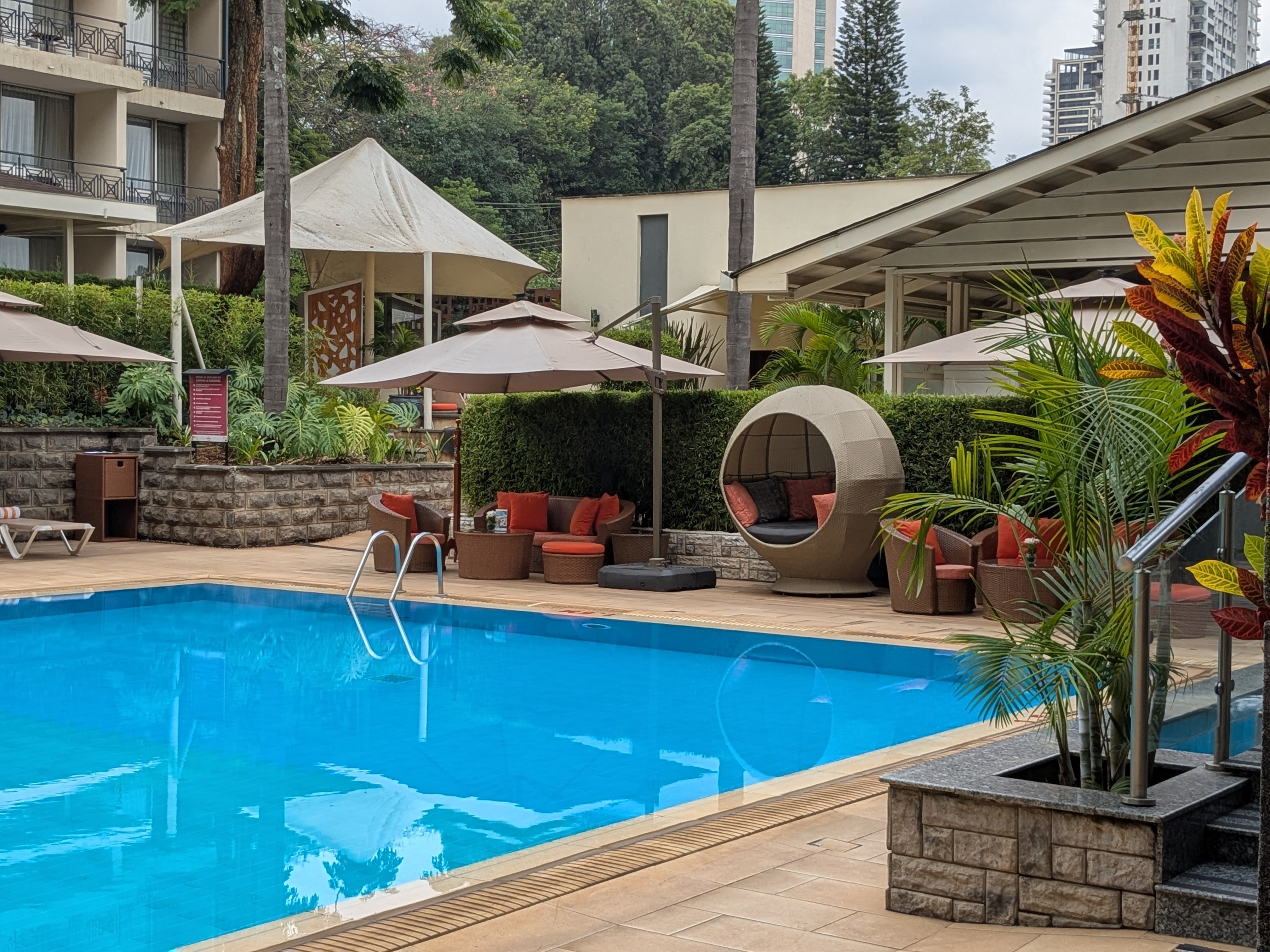
The hotel is a comfortable one with beautiful settings, a pool, a spa, and a couple of restaurants. Often staying inside a hotel does not tell much about the city of Nairobi. Because of China’s One-Belt-One-Road initiative, I anticipated running into more Chinese. In the area we stayed/visited, we hardly found any.

Africa is not a continent where we do self-guided tours, at least not yet. Throughout the stay, we feel pretty comfortable with the people but not to the point of walking on the streets on our own. Going to an ATM to get local currency is a trip — the hotel driver took us there, he stayed in the car, and then drove us back during the day time. We took Uber/Lyft to get to the National Museum and Gallery point to point. The Nairobi National Museum, the room with thousands of bird species exhibit, the room that charts the homo erectus species. If you ever visit Nairobi, the museum is a must-visit and worth at least half a day if not a whole day.

Meeting with my mentee

For many NGO, we provided financial support but hardly saw the beneficiary in the flesh. The first evening of the trip, I met with my mentee, a Kenyan girl whose college education I have supported. GGBC (Global Give Back Circle) gave us a lot of time together, as well as a group dinner for the girls and the families to network with each other. It is a neat set up. 

The Girls’ Boarding school inside the biggest slum in Africa, Nairobi 出於泥而不染

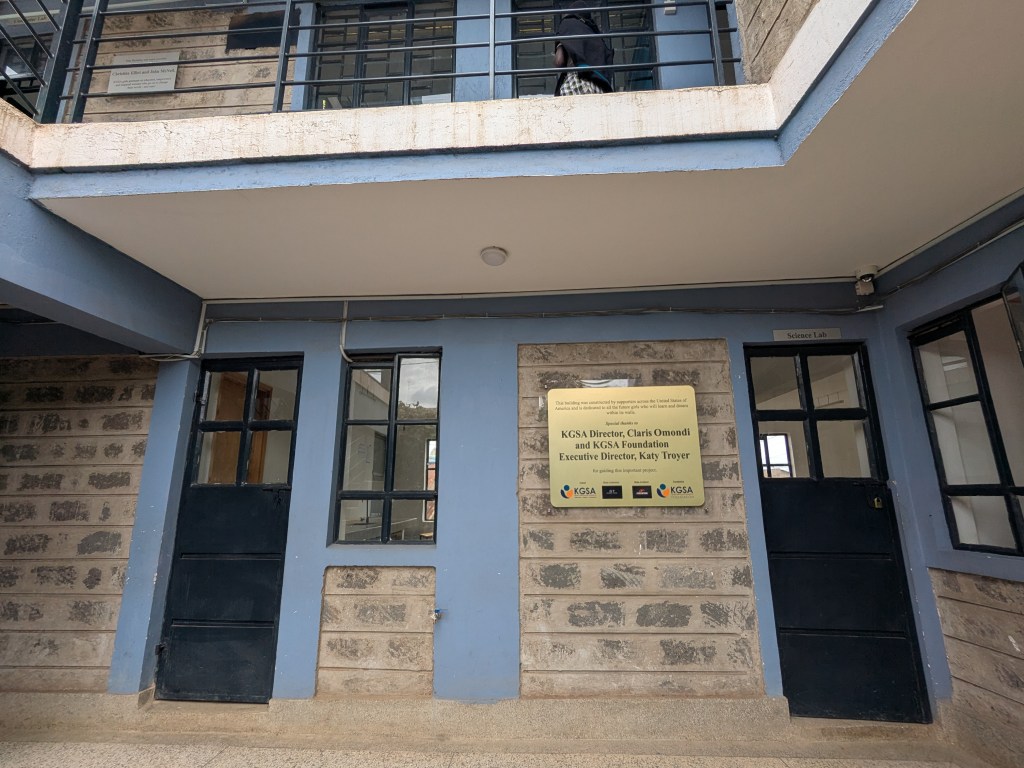
The Kibera Girls Soccer Academy (KGSA) is not exactly a soccer academy.  It is a boarding school for girls, well run and highly regarded. Located in Nairobi, Kibera is among the biggest slums in Africa, housing over millions of people living in conditions that we may not even walk around nor stay in one night. As the driver drove us through a small part of the slum, we experienced the dire living conditions, the suffocating space, the smell, the trash, and we also saw the many small businesses, the crowded  and busy vibes. In the middle of it, there stood the KGSA for the girls. The KGSA is such a bearer of good and hope that we were told that all the people in the slum love the school. 

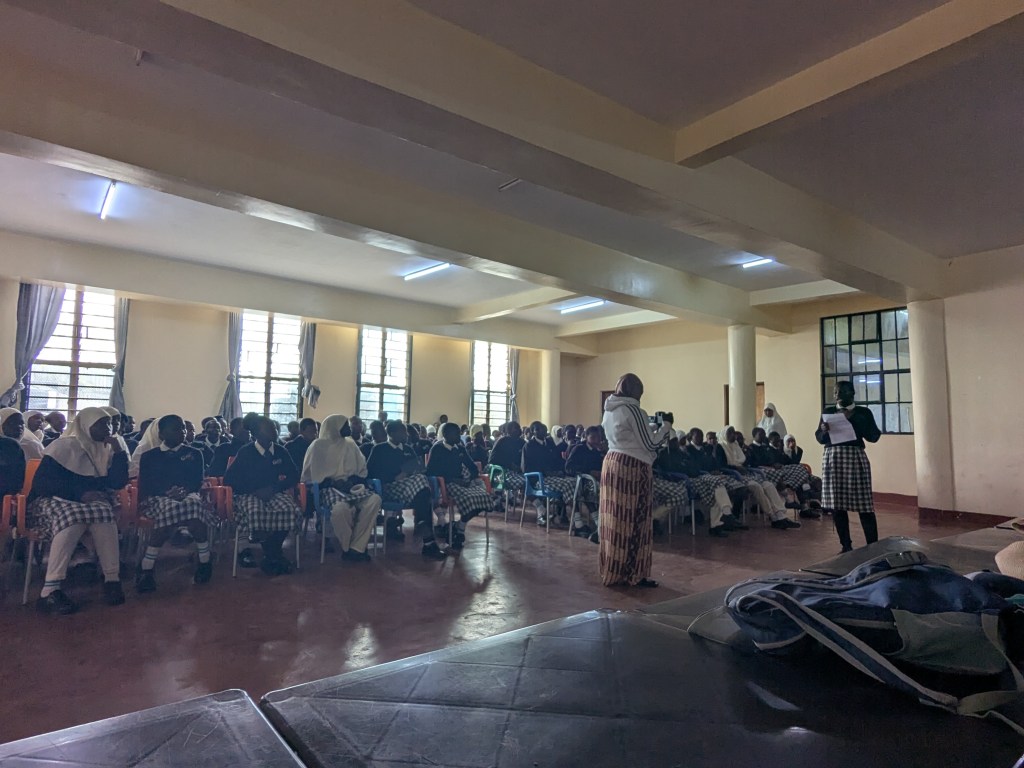
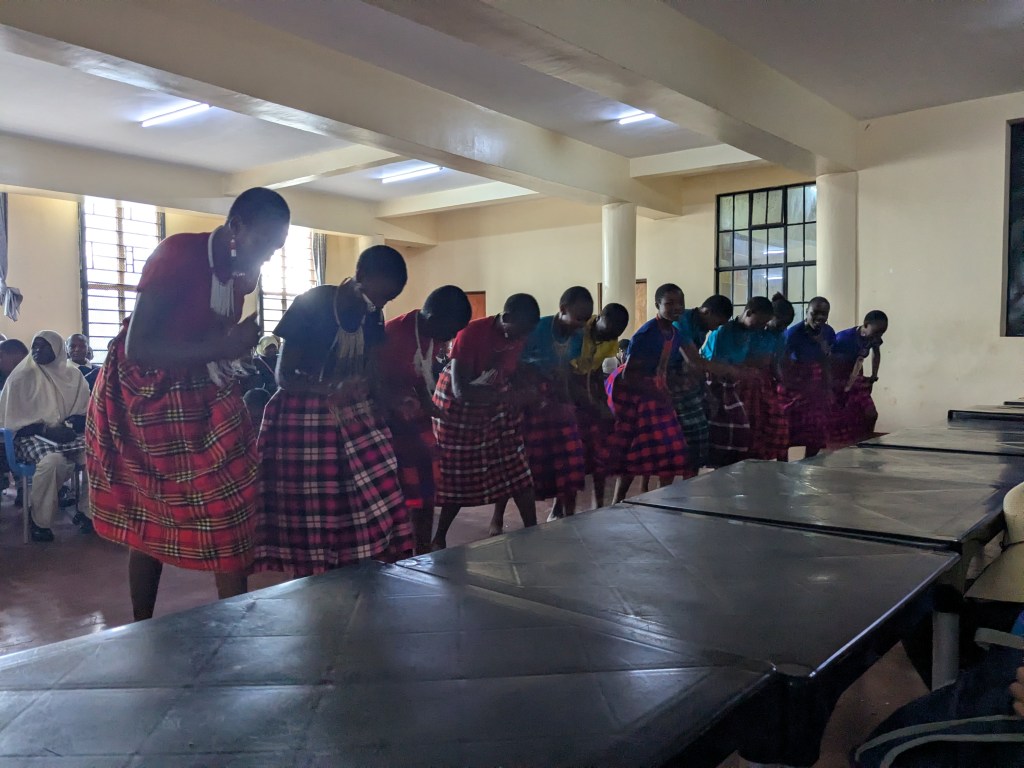
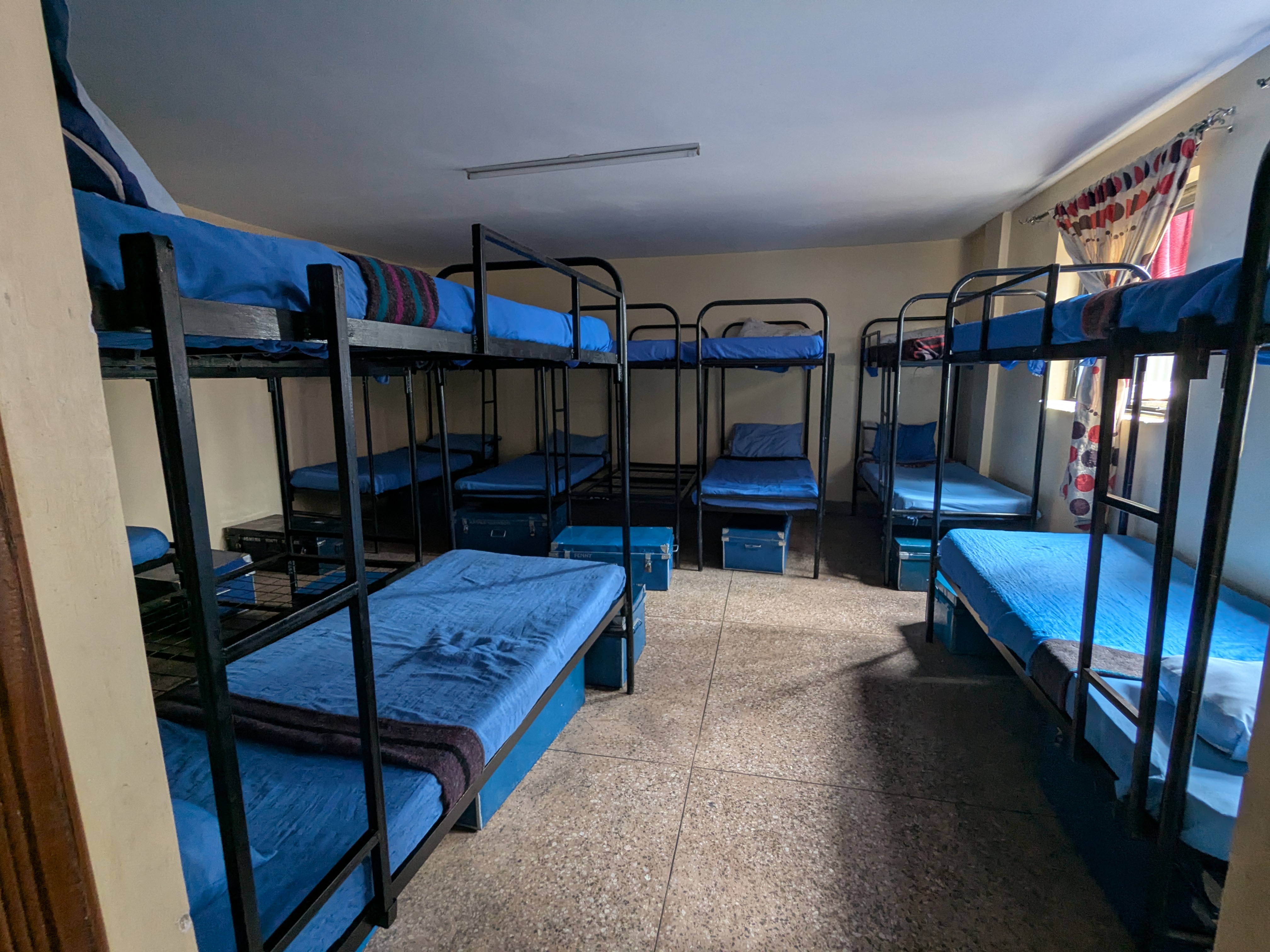
We walked into the school hall, with the school staff and the hundreds of high-school girls welcoming us, followed by a school overview, the student speeches, and the dancing (and we joined the dance too). During lunch, we joined a table of girls for conversations. Some were a bit shy, and after the bold ones started asking us questions, they all joined. These girls woke up before six every morning, and had a full day of school and activities for them in this boarding school. They are energetic, happy, confident and capable and they are hardworking. They are the very lucky ones to be accepted in this school. Education gives them the opportunities to shine and create a better future. After lunch, we visited their dorms where the girls keep it clean and tidy. We visited the different clubs — the tailor club, the computer club and a few others. I particularly remember the computer club, the serendipitous Q&A with the girls, who asked me about cybersecurity, the language to learn, the ChatGPT, the barriers and challenges of working in Google and how Google Translate works. I answered as best as I could and drew an analogy to soccer or things that the girls are familiar with. If not for the tight schedule, the Q&A would likely go on for another hour or more. 

In Kenya, many girls cannot afford school. These girls, I talked to, are considered the top group to earn an education. Girls in America and many other parts of the world often take the K-12 education for granted. 

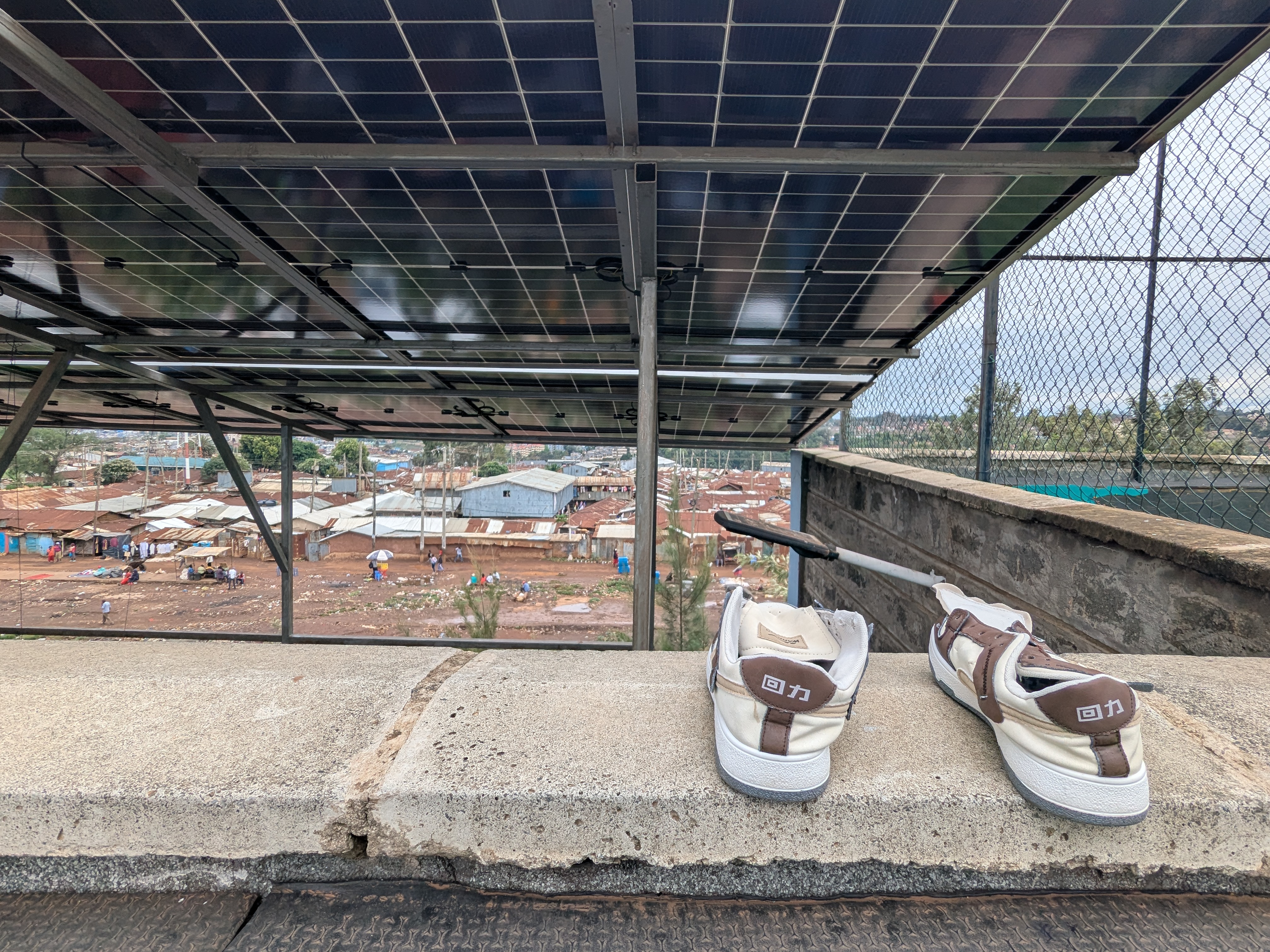
At the sportgrounds on the top of the school building, we had a view of the slum and its scale. It was a sad scene. The principal invited us to visit again and stayed in the slum for a night, a hard challenge to accept.

Next: HER Lab Visits

Leave a comment »

The Michelin Experience (Cont’d)

Michelin is an experience to share, to appreciate, to enjoy.

The Latest California 3-Michelin-stars Experience

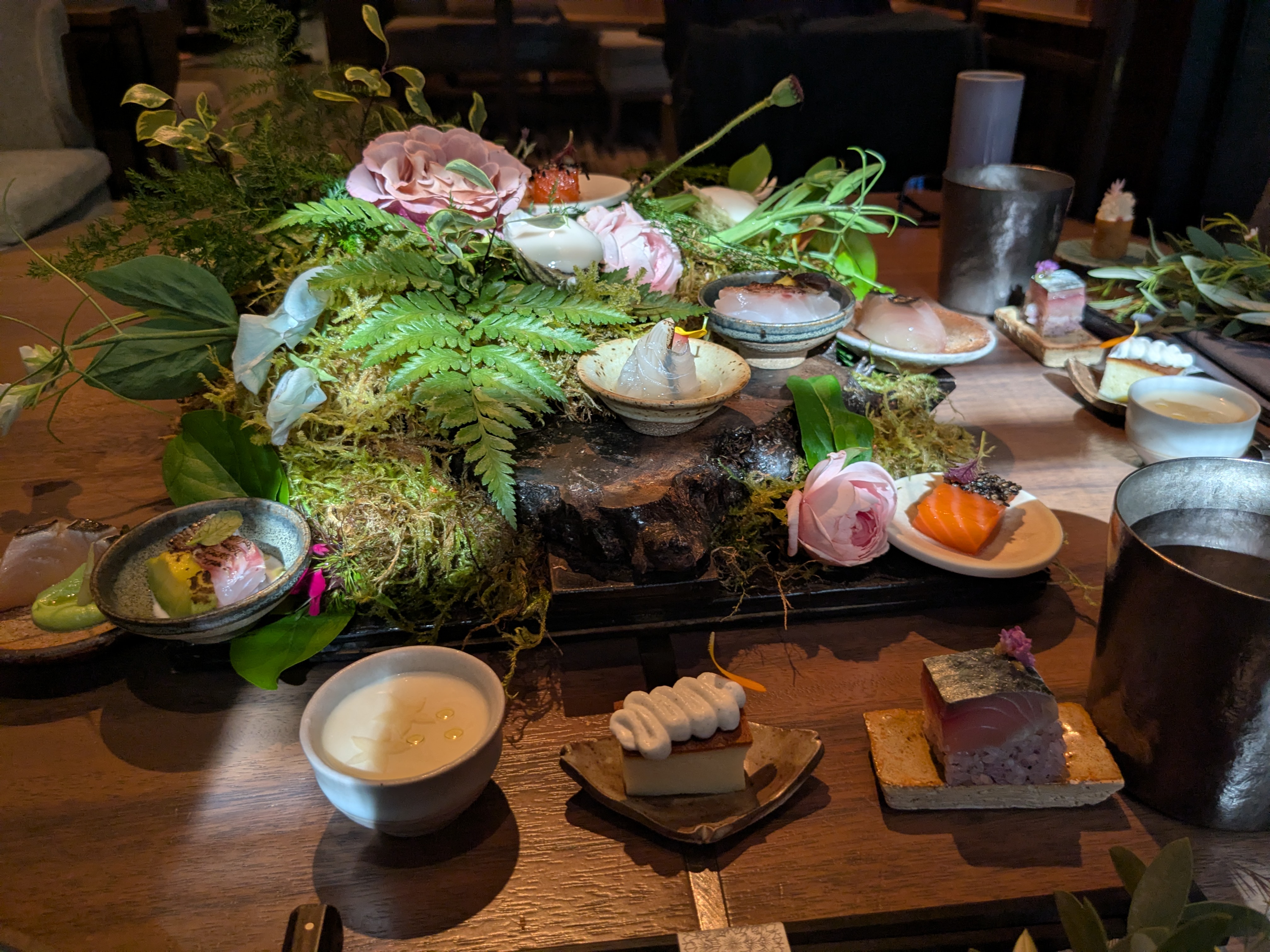
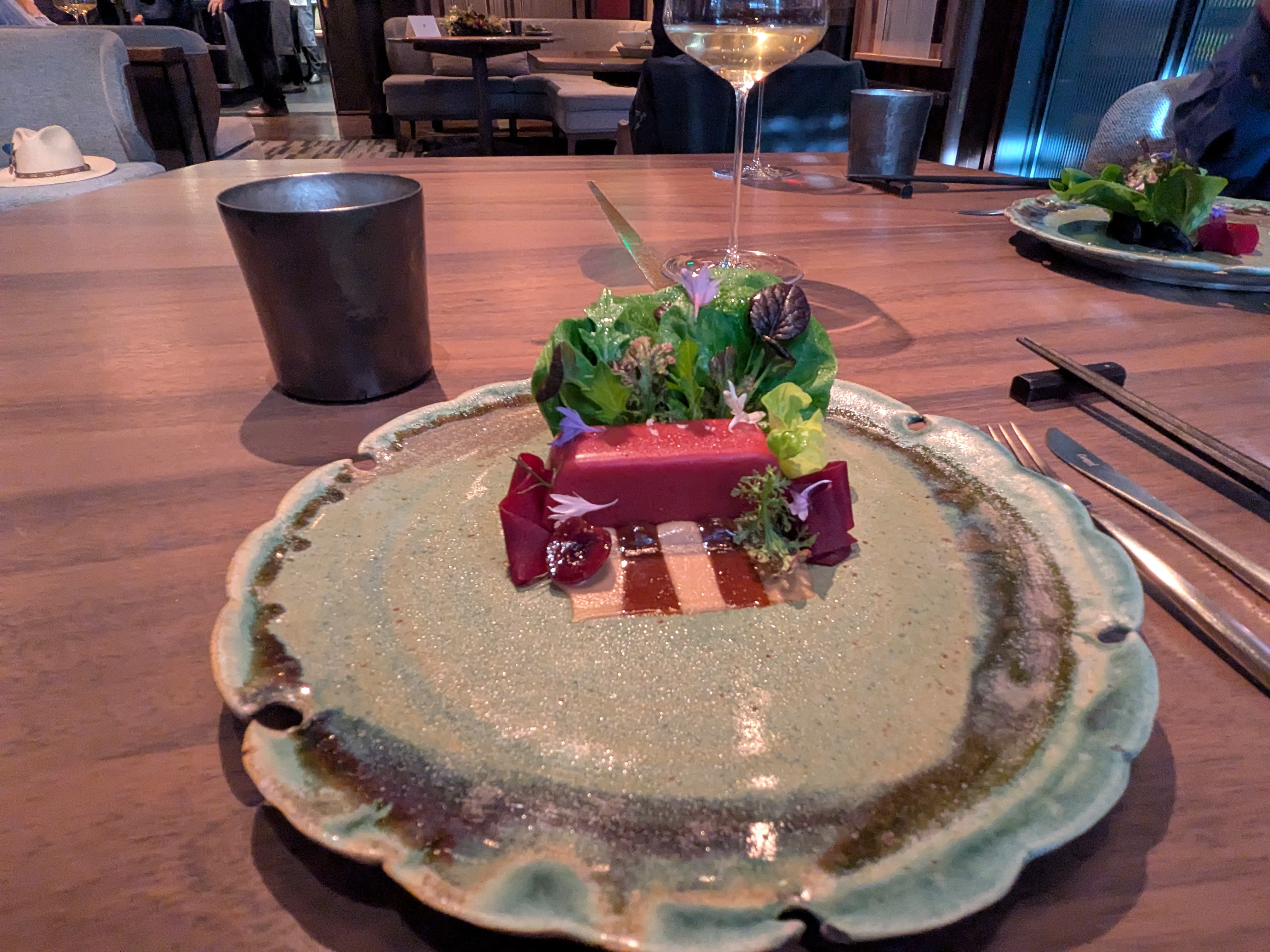
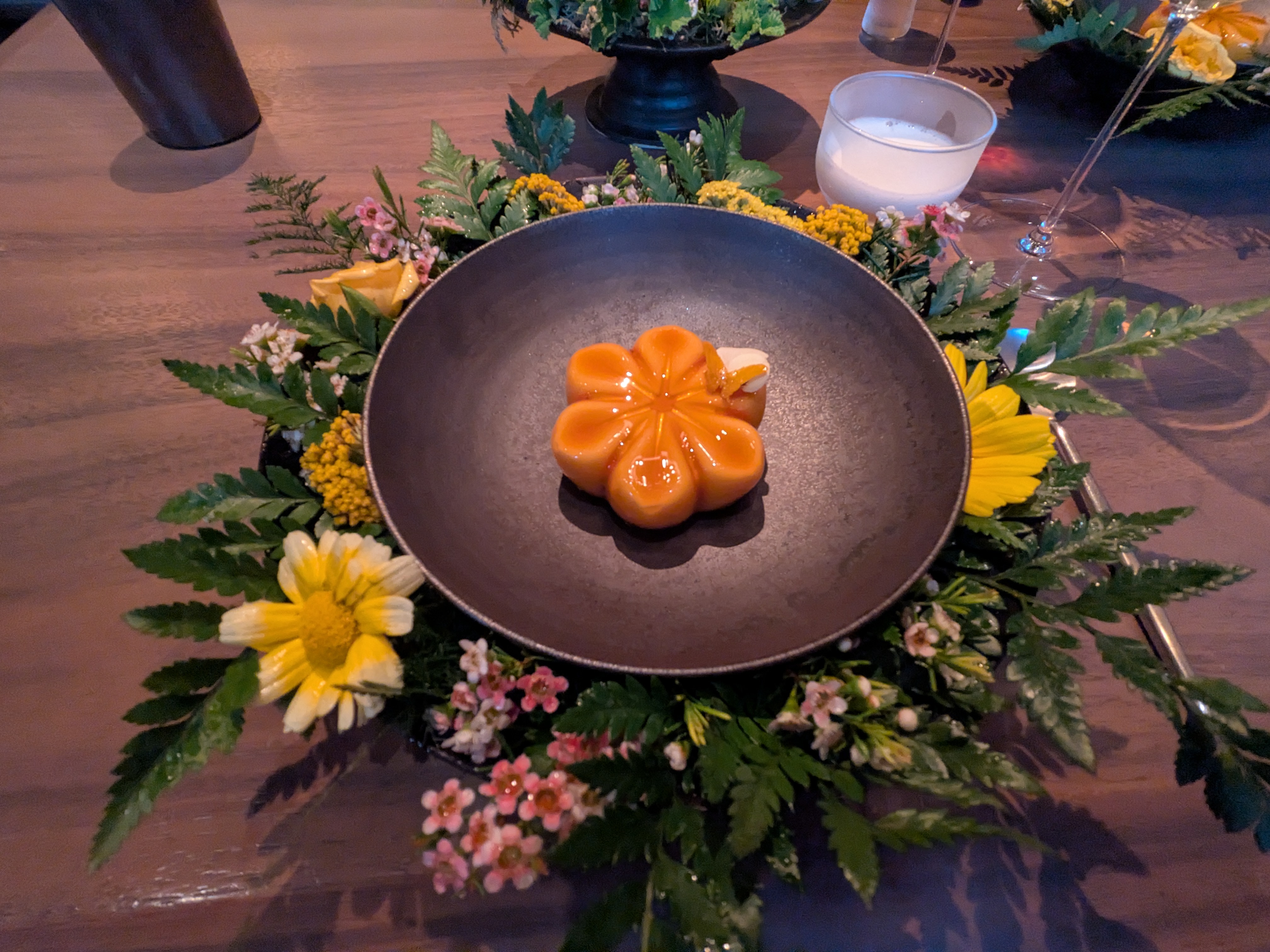
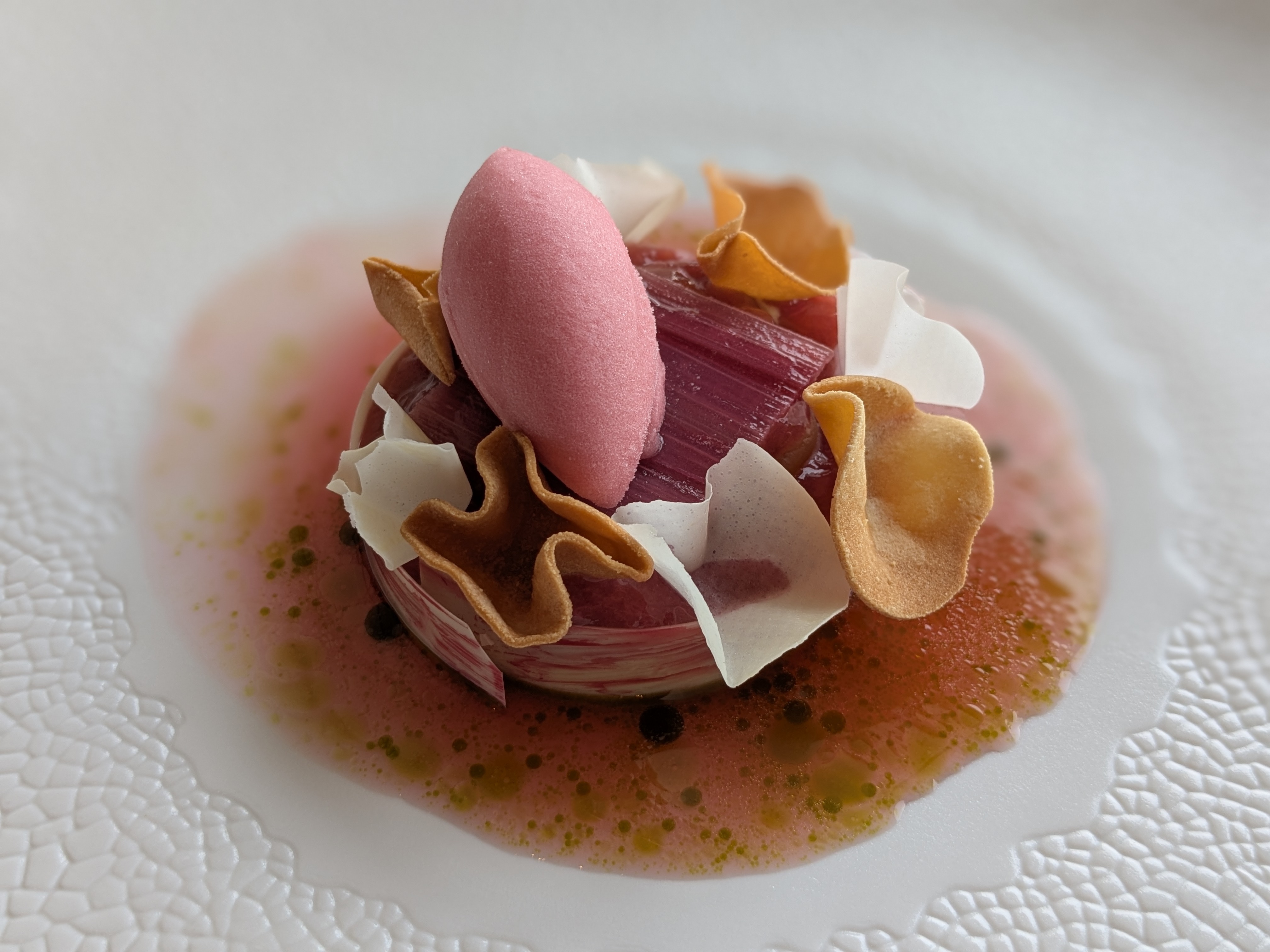
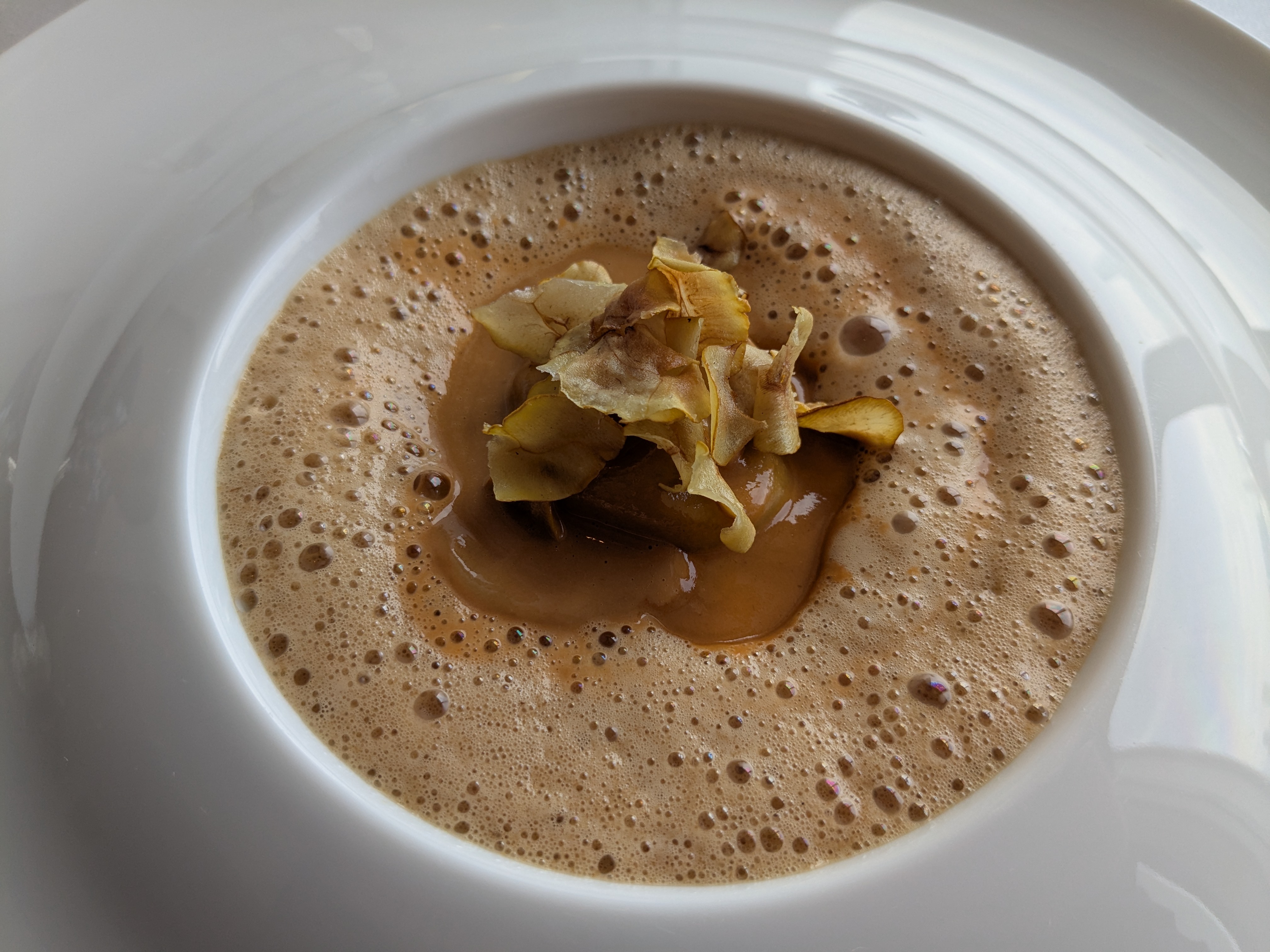
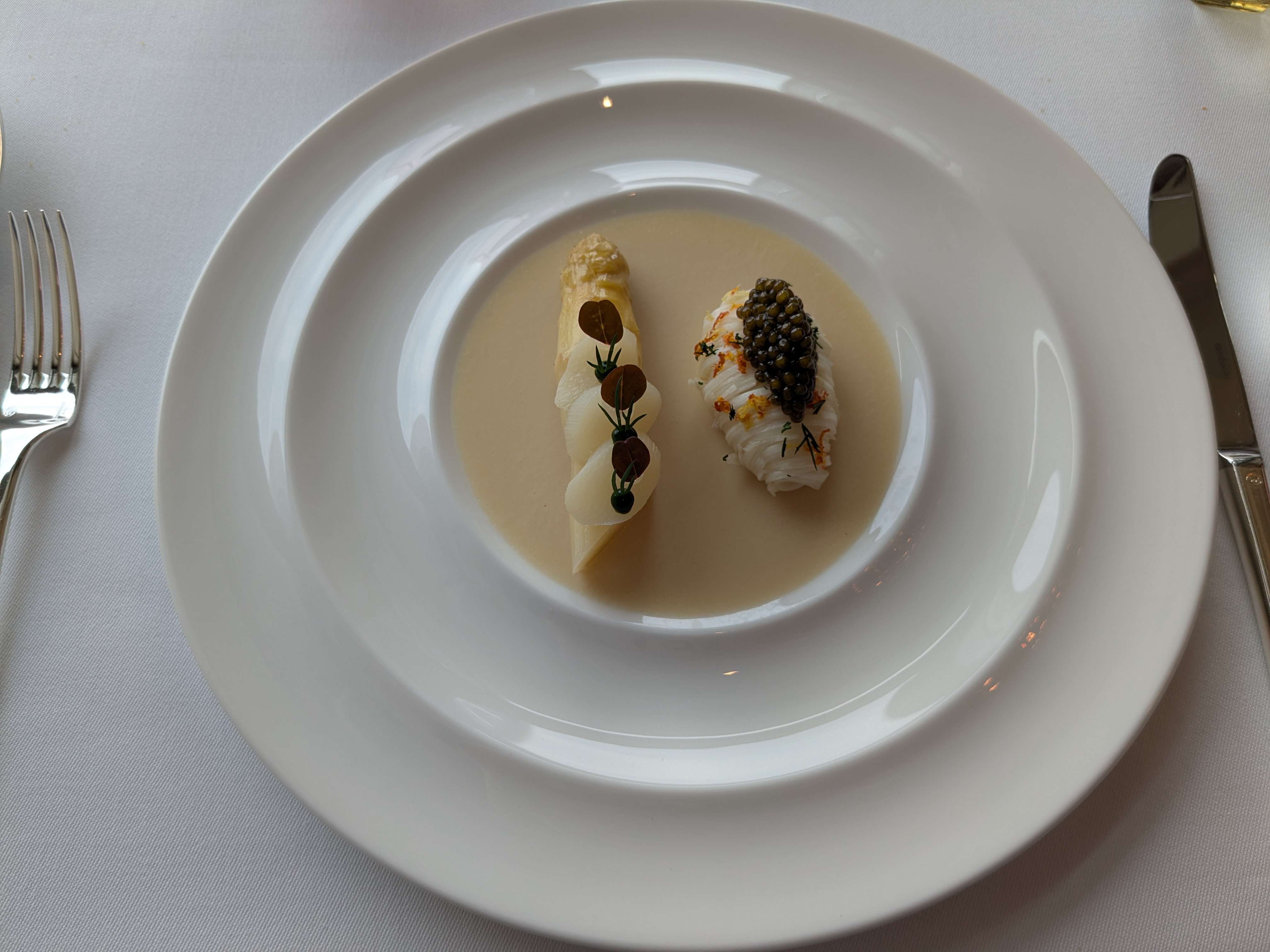
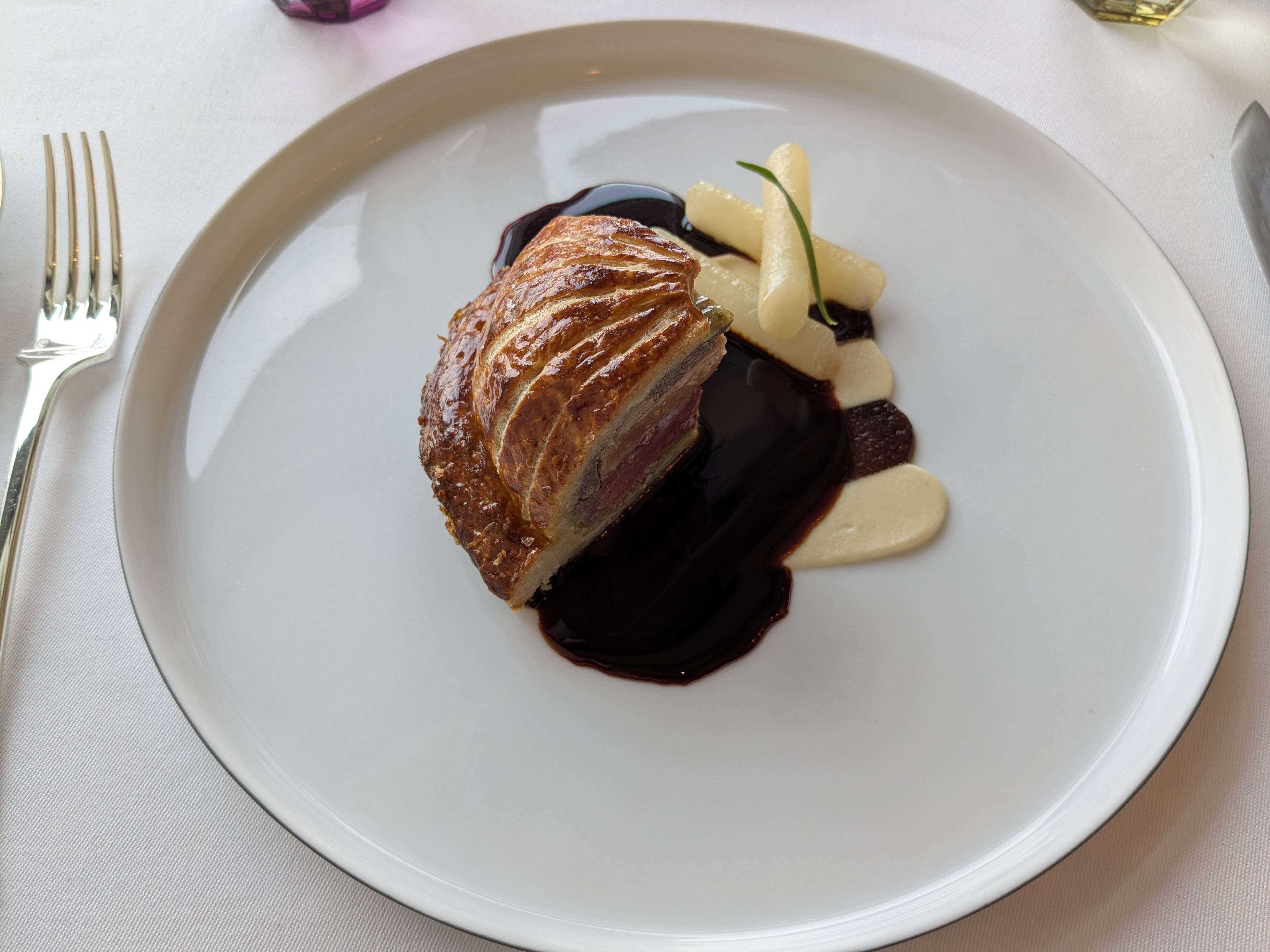
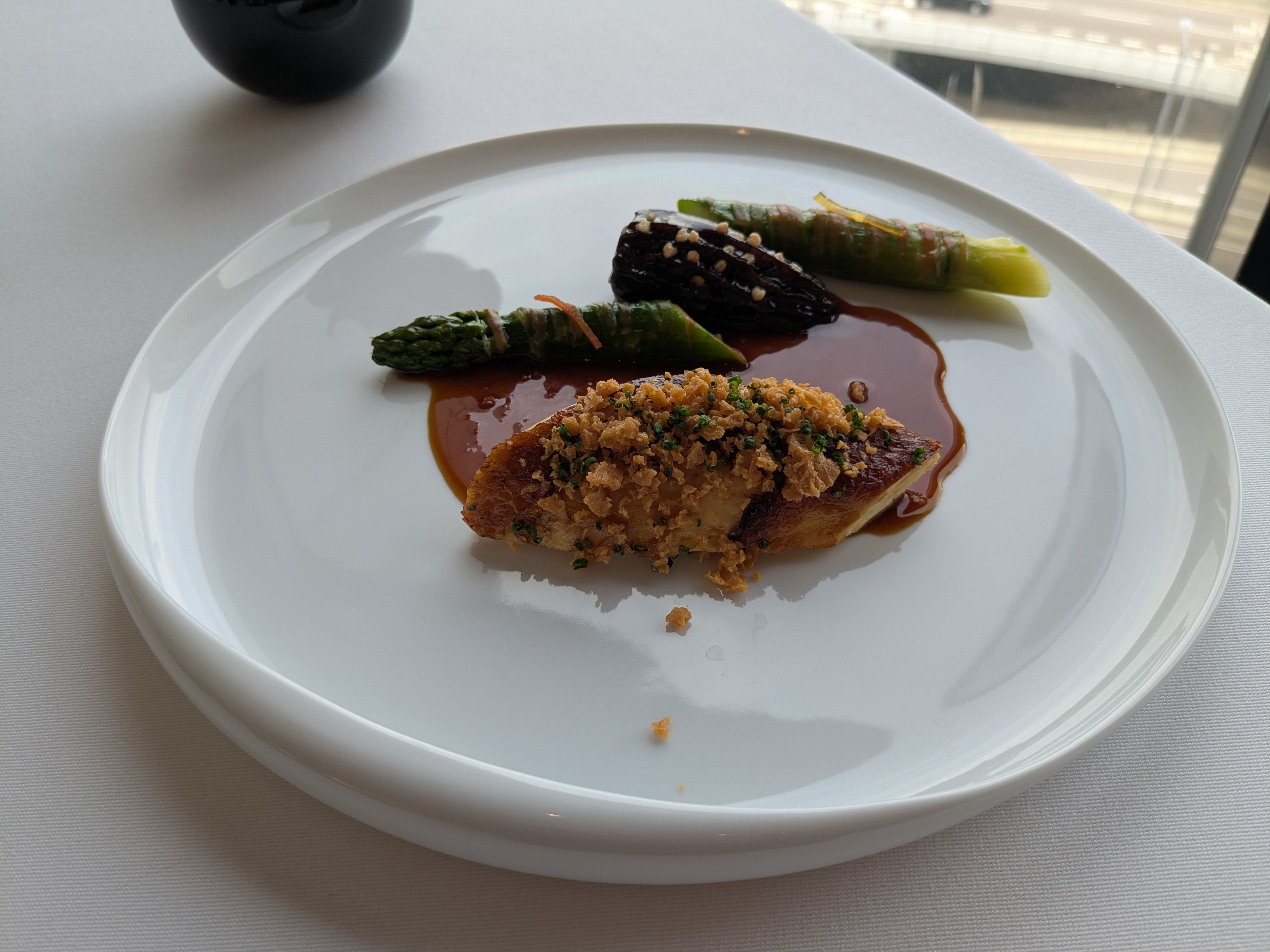
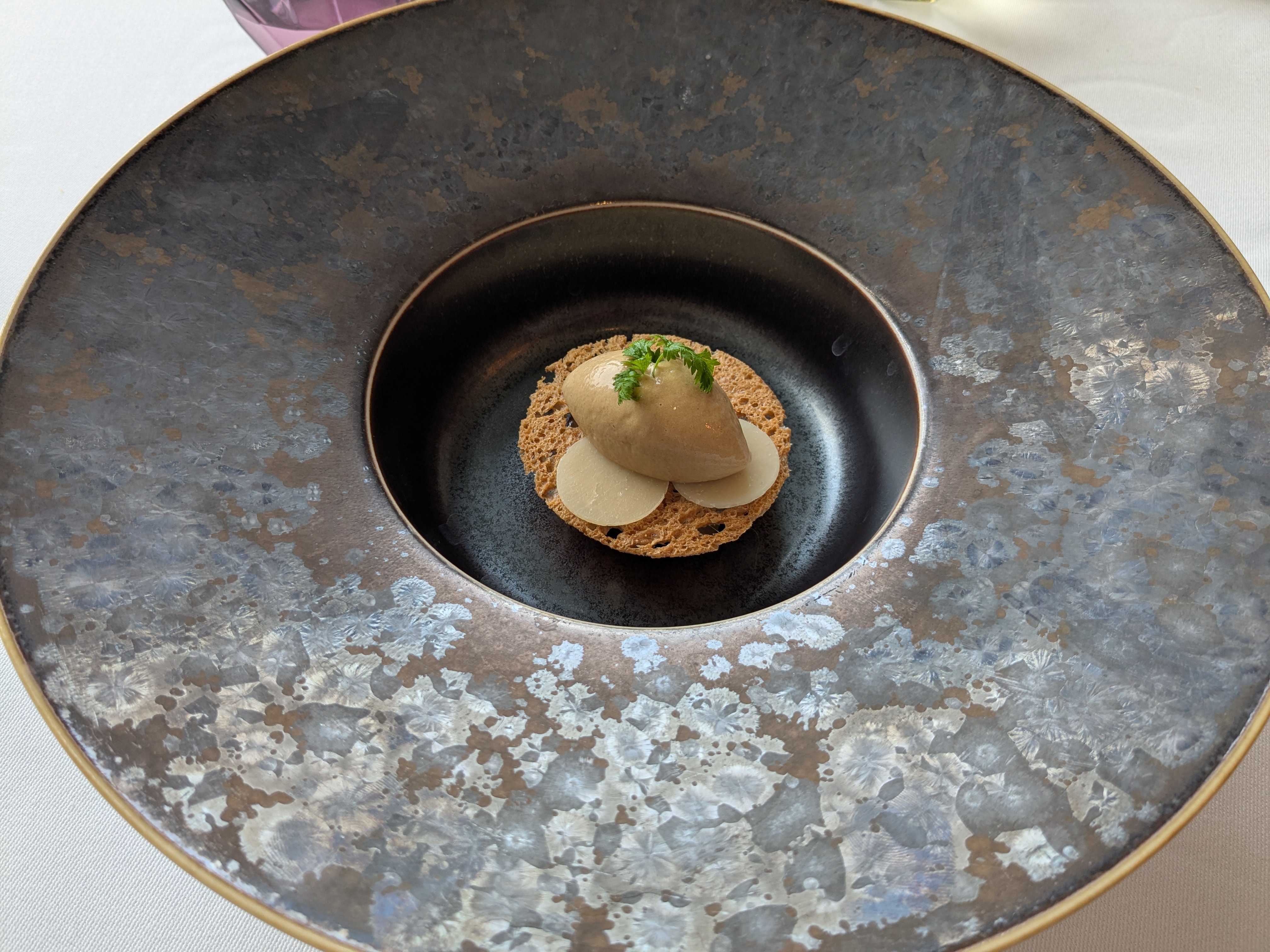
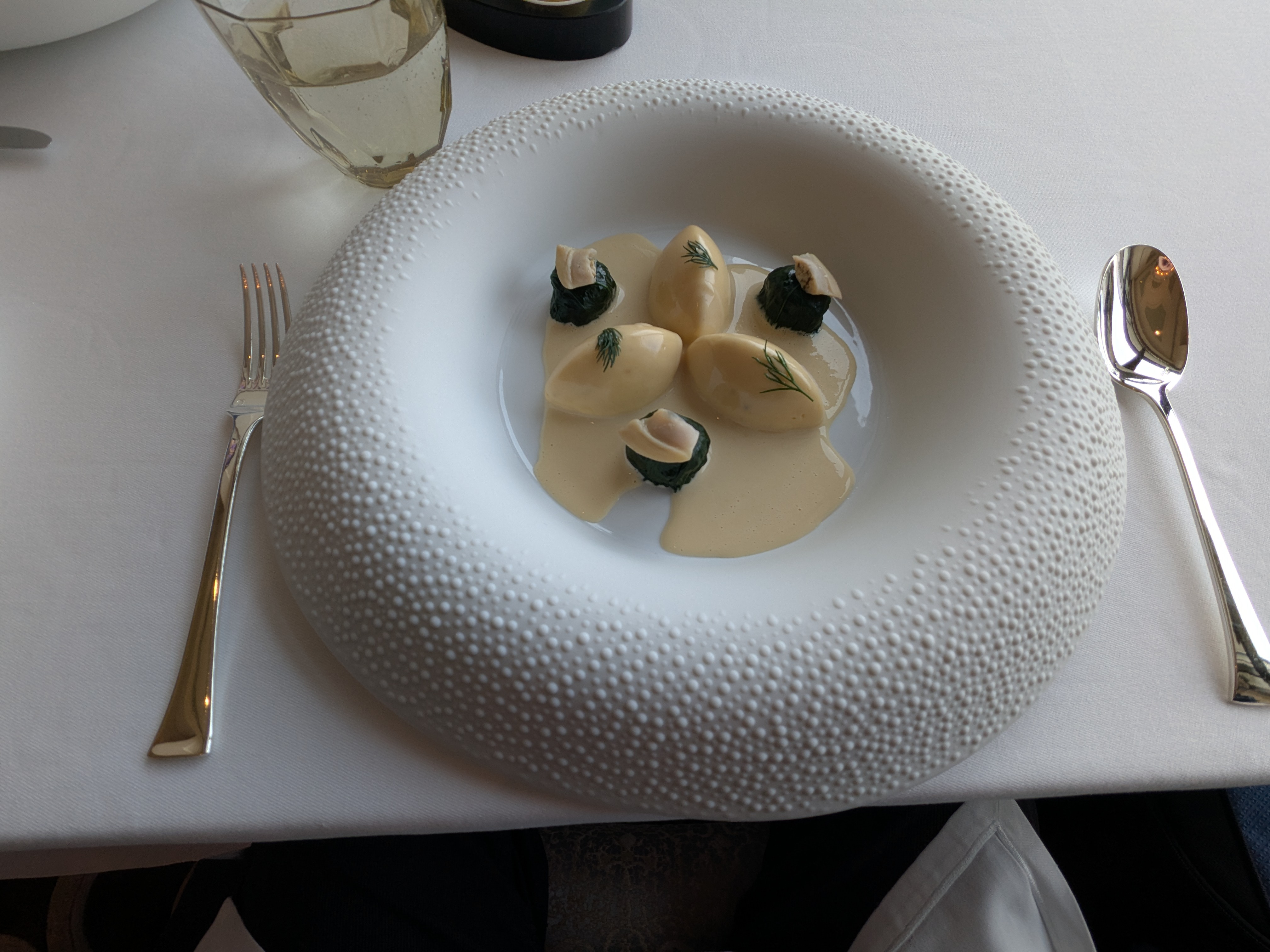
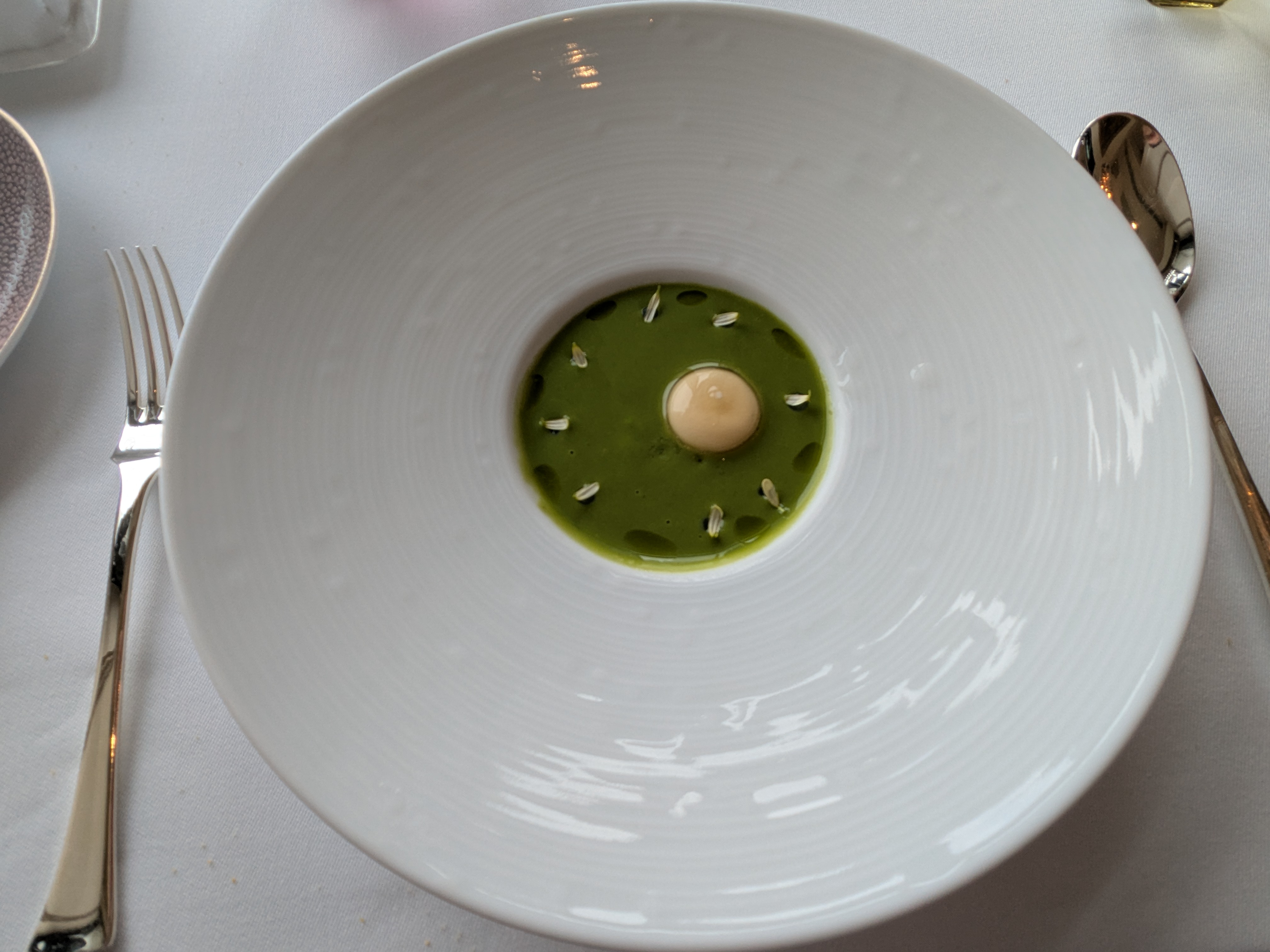
I don’t remember when we started celebrating birthdays and anniversaries with fine dining in Michelin restaurants. In the birthday celebration earlier this month, we had an amazing experience at the Single Thread. Located in Healdsburg,California, Single Thread has its own organic farm and serves a set menu.  It comes across as a fusion of 20% French with cheese/butter, 10% California, and 70% Japanese Kaiseki style. 

The 3-Michelin-stars Single Thread in Healdsburg has been arguably the most expensive birthday dinner.  Without wine, it costs about $700 per person for a set menu. At the end of the day, do I remember $700 more or do I remember the very memorable dining experience on my birthday? The latter without a question.  


The Berlin Facil Michelin Experience

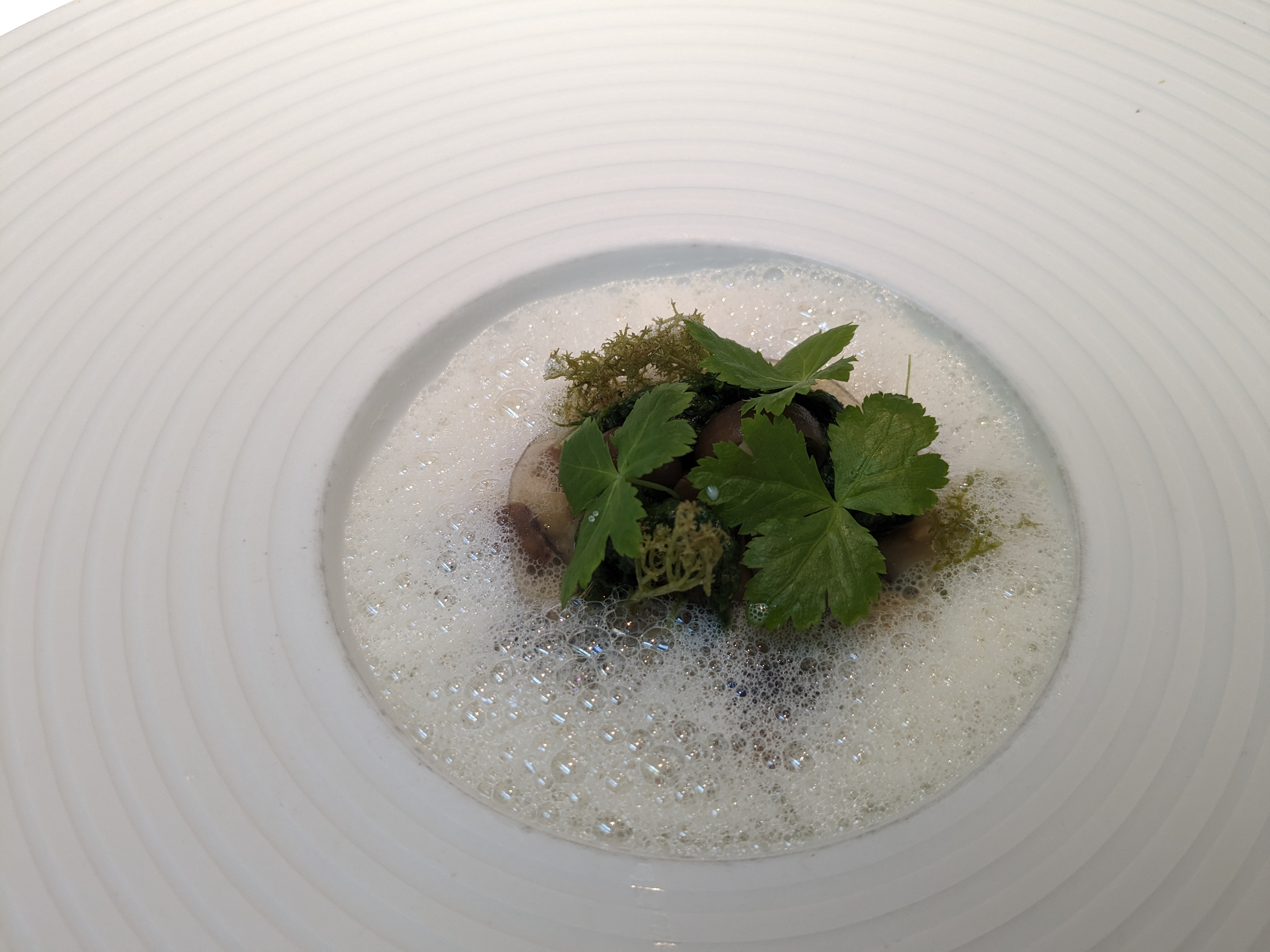
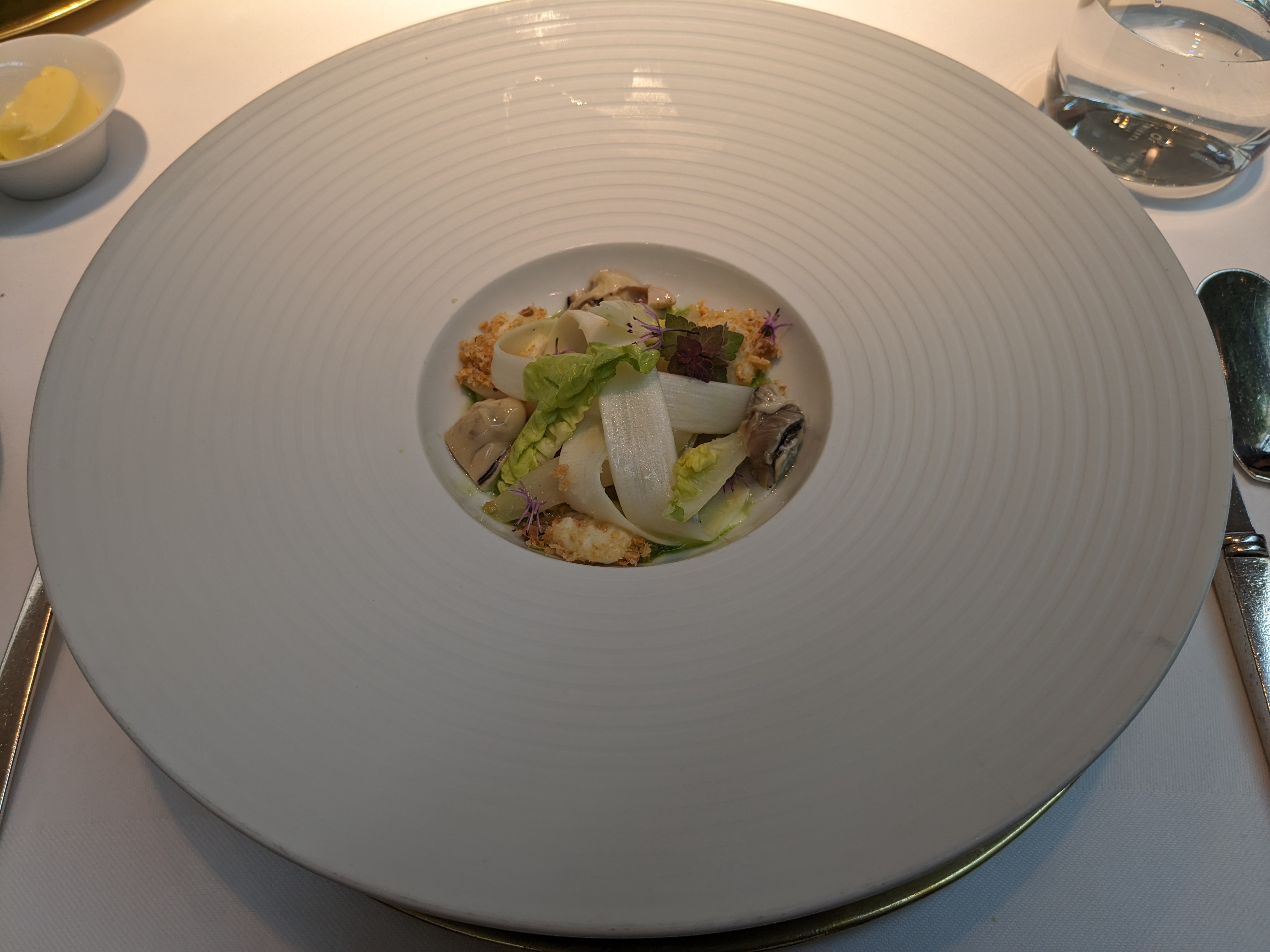
Located close to the venues of the Berlin Film Festival, this 2-Michelin-star restaurant is among my very favorites. It is not a set menu. We all can pick what we like the most.  Some fine dining restaurants do not strike the balance between attentive service and put the diners at ease.  Facil just strikes the perfect balance in its service.


The Buenos Aires Don Julio Michelin Experience

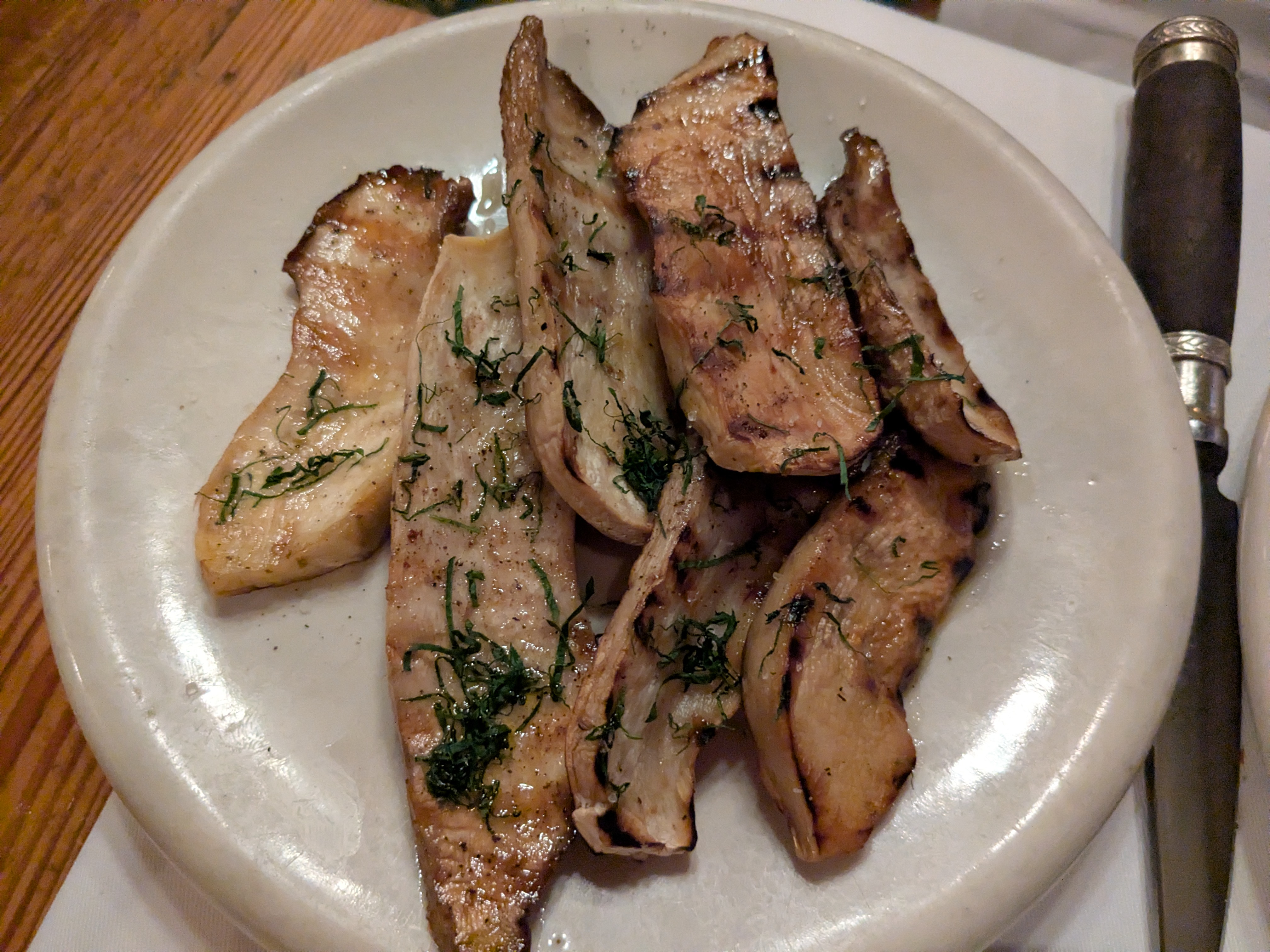
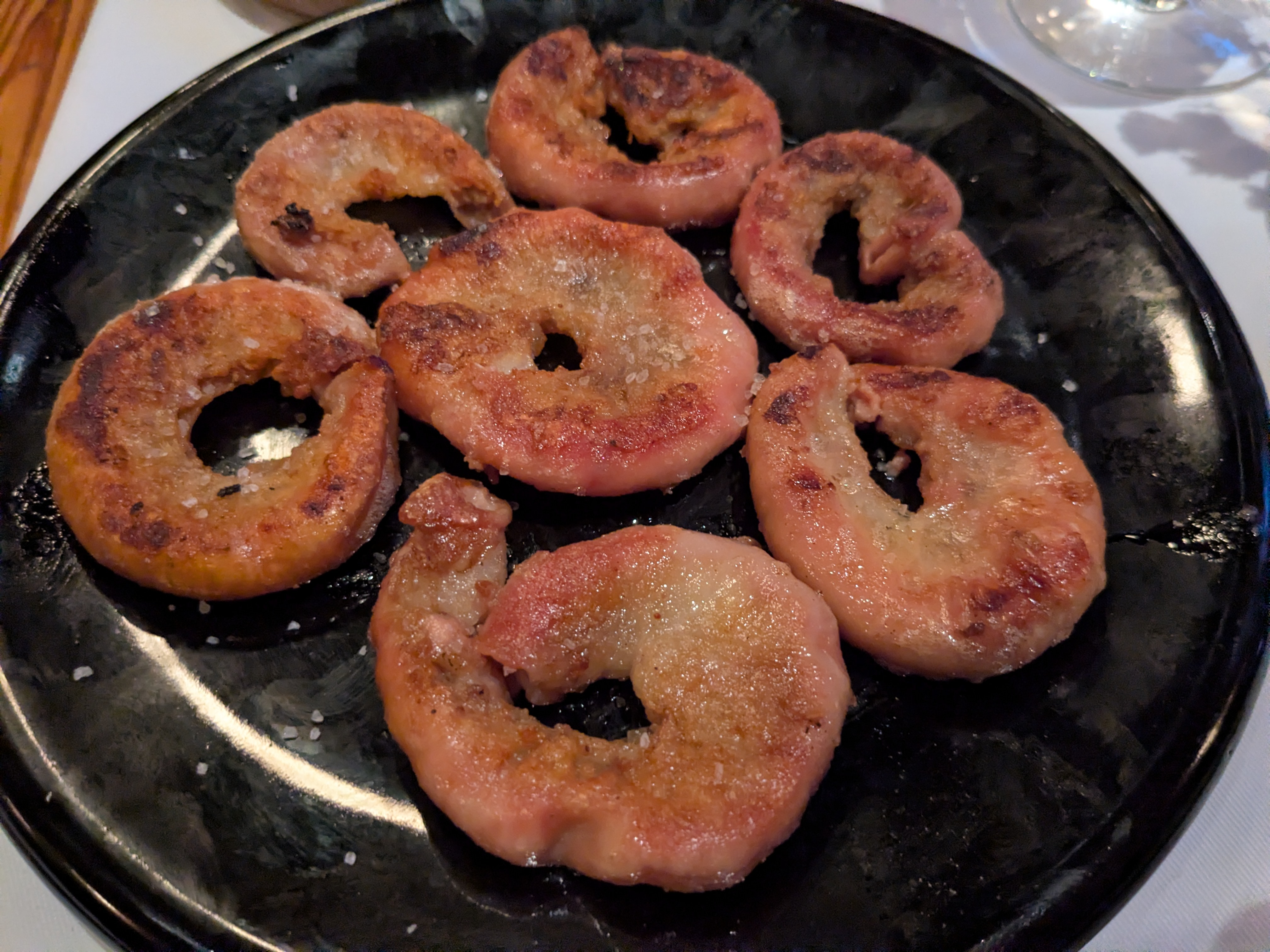
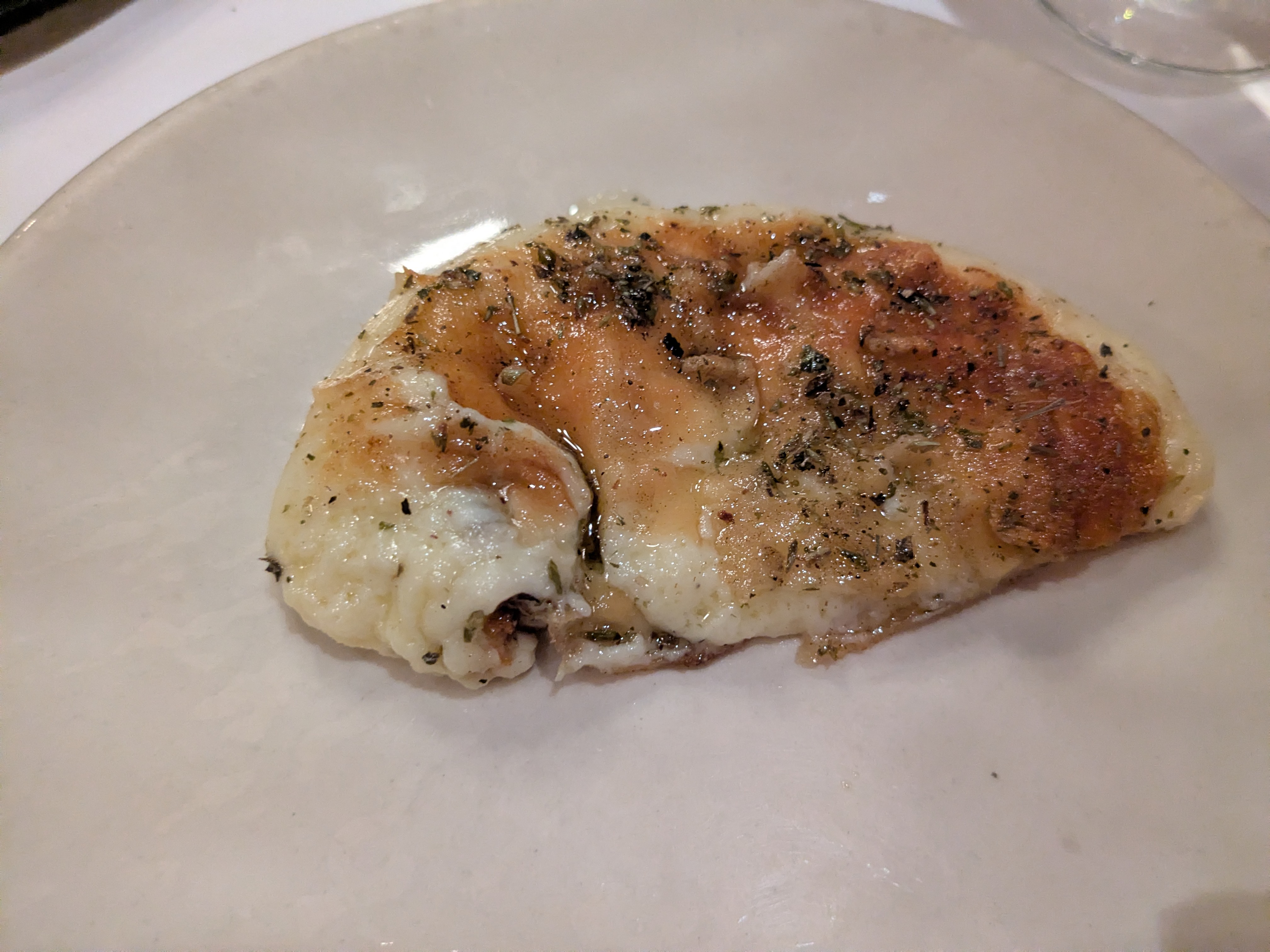
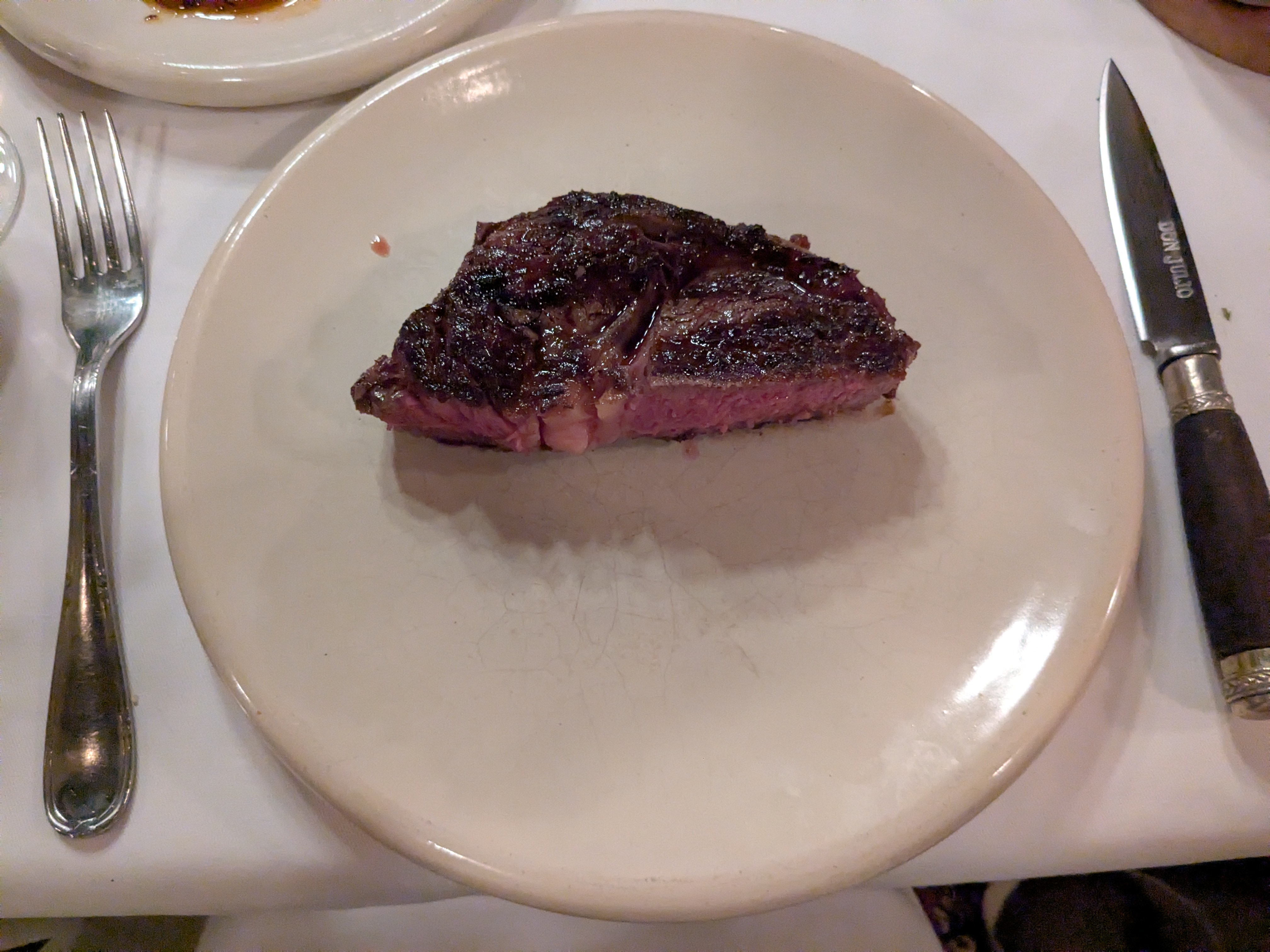
Some consider this as the best restaurant in Latin America and ranked in the top ten of the world. Located in the Buenos Aires Palermo area, Don Julio lives up to the 1-Michelin-Star rating. It is not easy to get a reservation but not impossible. Even with reservation of the first evening slot, foodies can expect to line up outside of the restaurant before the restaurant opens at 7pm; and be prepared that some servers may not be very fluent in English. 


The Unique Manresa Michelin Experience

Manresa was a restaurant in Los Gatos, California that specialized in California cuisine. It was founded in 2002 by chef David Kinch. It earned three Michelin stars in 2016. In one year, Forbes rated Manresa the best restaurant in the United States. In November 2022, Kinch announced Manresa’s closure with its final day being December 31 of that year. 

 Manresa was among the first Michelin-star restaurants we visited during special occasions.

Manresa was among the first Michelin-star restaurants, if not the first, we visited during special occasions. It was many years ago, when it was a 3-Michelin-stars restaurant and was arguably closest to our residences. We went to celebrate our wedding anniversary. We did not know what to expect and ended up more than impressed. The dining memory has unfortunately faded over the years; and at that time, there was not yet the practice of taking photos using mobile phones to immortalize the experience. After a good number of fine dining experiences, the detailed experiences become hard to recall.

We would however always remember Manresa. Like other 3-Michelin-stars restaurants, its exterior is not eye-catching. We overshot and needed to make a U-turn in some side street in a seemingly residential area. Our wedding anniversary is in October. It was somewhat dark in the neighborhood. That was before Google Maps. We had to find a safe spot to make a U-turn.  Maybe there was a sign that said no U-turn.  Just when we did the U-turn, a police car showed up out of nowhere. The police ended up giving us a traffic ticket!!!  We went ballistic. Traffic tickets in California are never cheap. Thankfully we recovered just before the dinner to have a good time, and not let that spoil the occasion. Over the years, sometimes, I still ponder that had we told the police that we were celebrating our wedding anniversary, would he let us go without a ticket. We would never know, but in the grand scheme of life, this forever memory may just be worth more than the ticket. 


The Best Price-Performance Michelin Experience

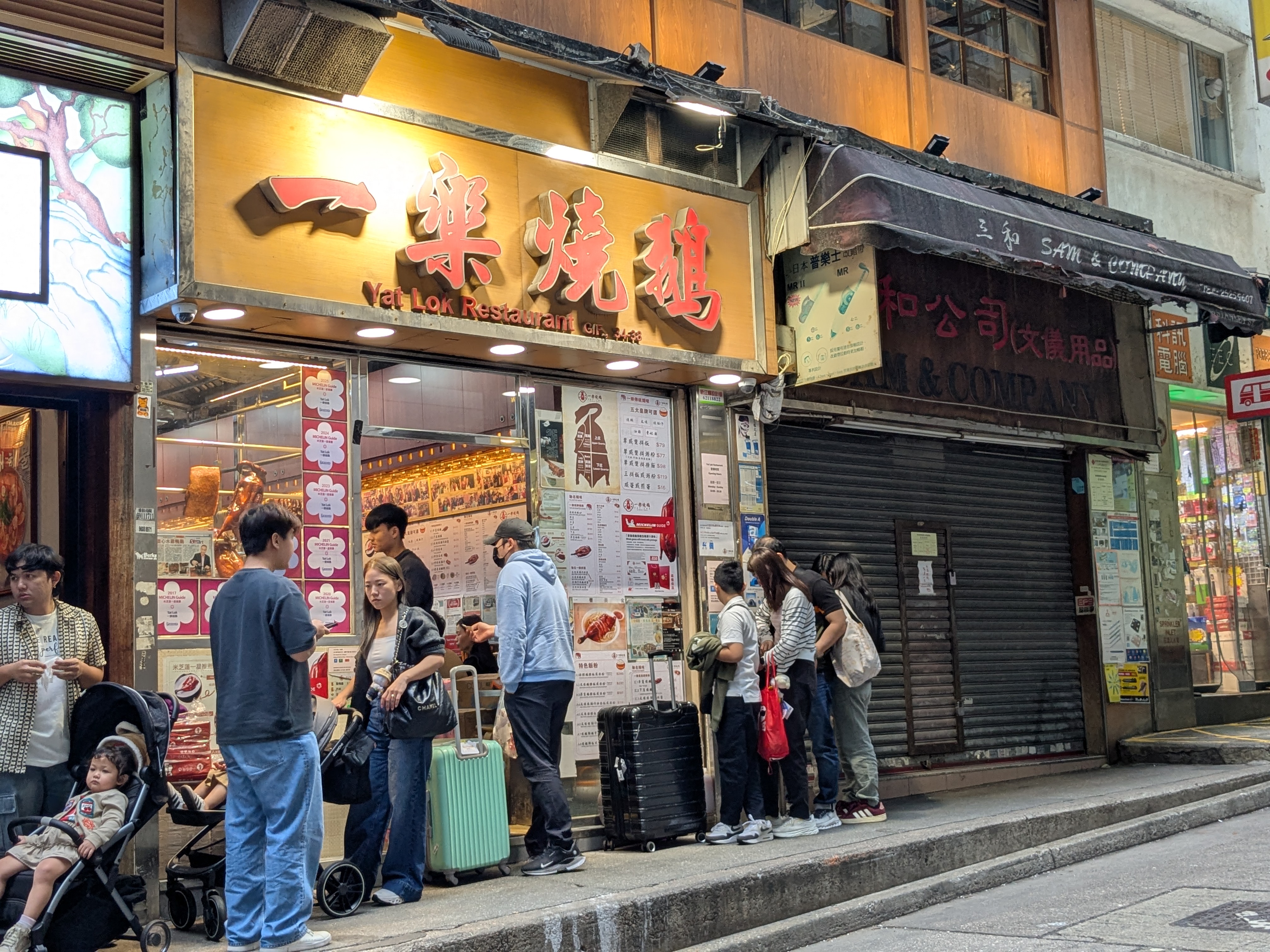
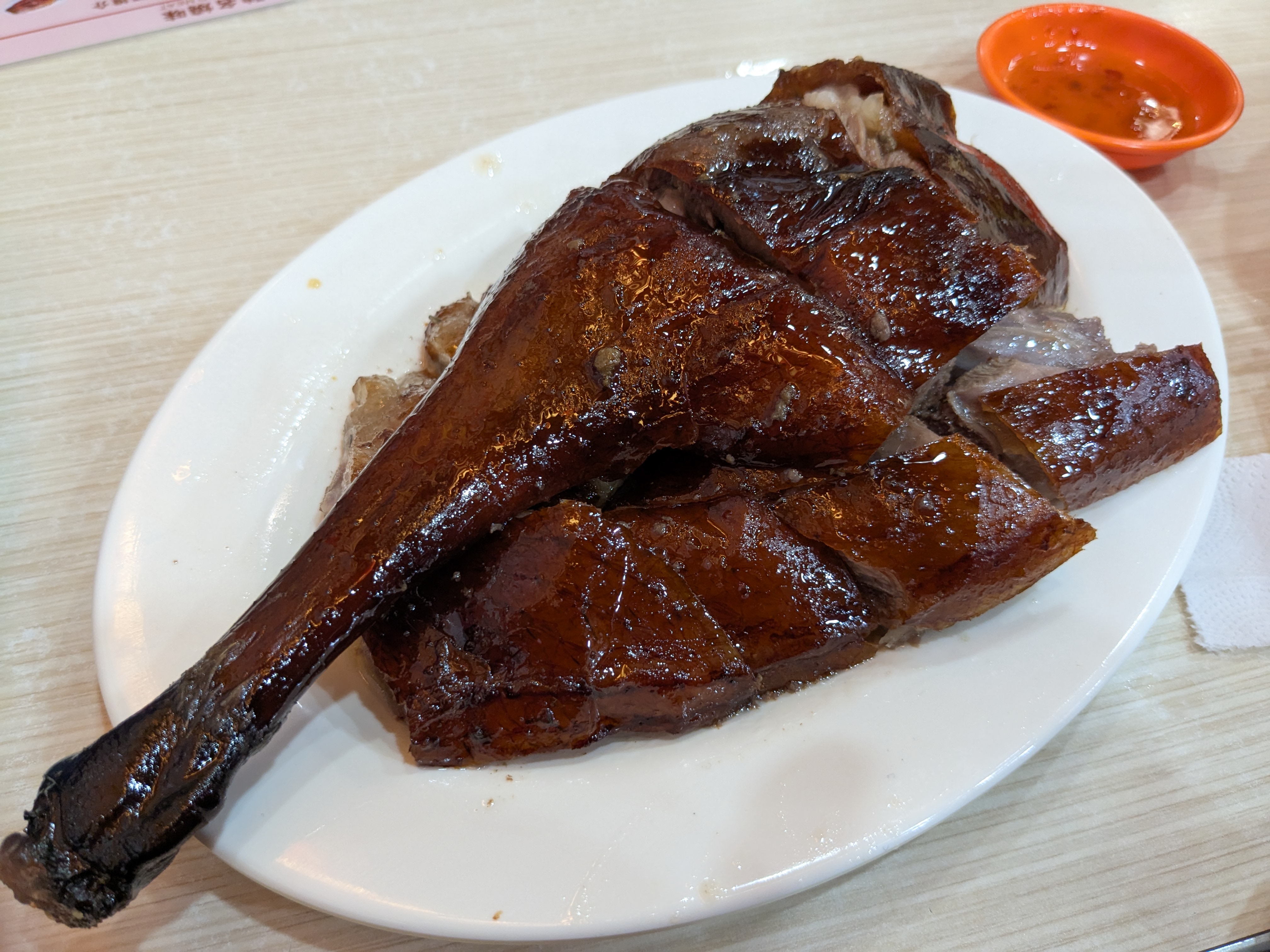
Among the Michelin restaurants, this 1-Michelin-star Yat Lok Roasted Goose definitely is a living evidence of how foodies can compromise comfort for tasty food. Located in Central, Hong Kong, the street is not well maintained. The restaurant’s exterior is unassuming and looks no different from many BBQ shops commonly found in Hong Kong. There is always a line outside across the street. The service is at best a 3 out of 5.  The restaurant does not take reservations and in fact, they do not have individual tables. The interior is so crowded that we are just a couple of feet away from other diners, complete strangers, sharing the same table. The food makes the wait worthwhile, and the price is affordable for this 1-star Michelin experience, so that I would return on my next trip to Hong Kong. This Yat Lok is among the most unique Michelin Experience. Yet, in Hong Kong, there are just so so so many restaurants serving super delicious roasted ducks. If it is not for its Michelin star, would I visit Yat Lok? And how many Michelin Stars would the Michelin Inspectors give to the many many other shops in Hong Kong serving roasted ducks?

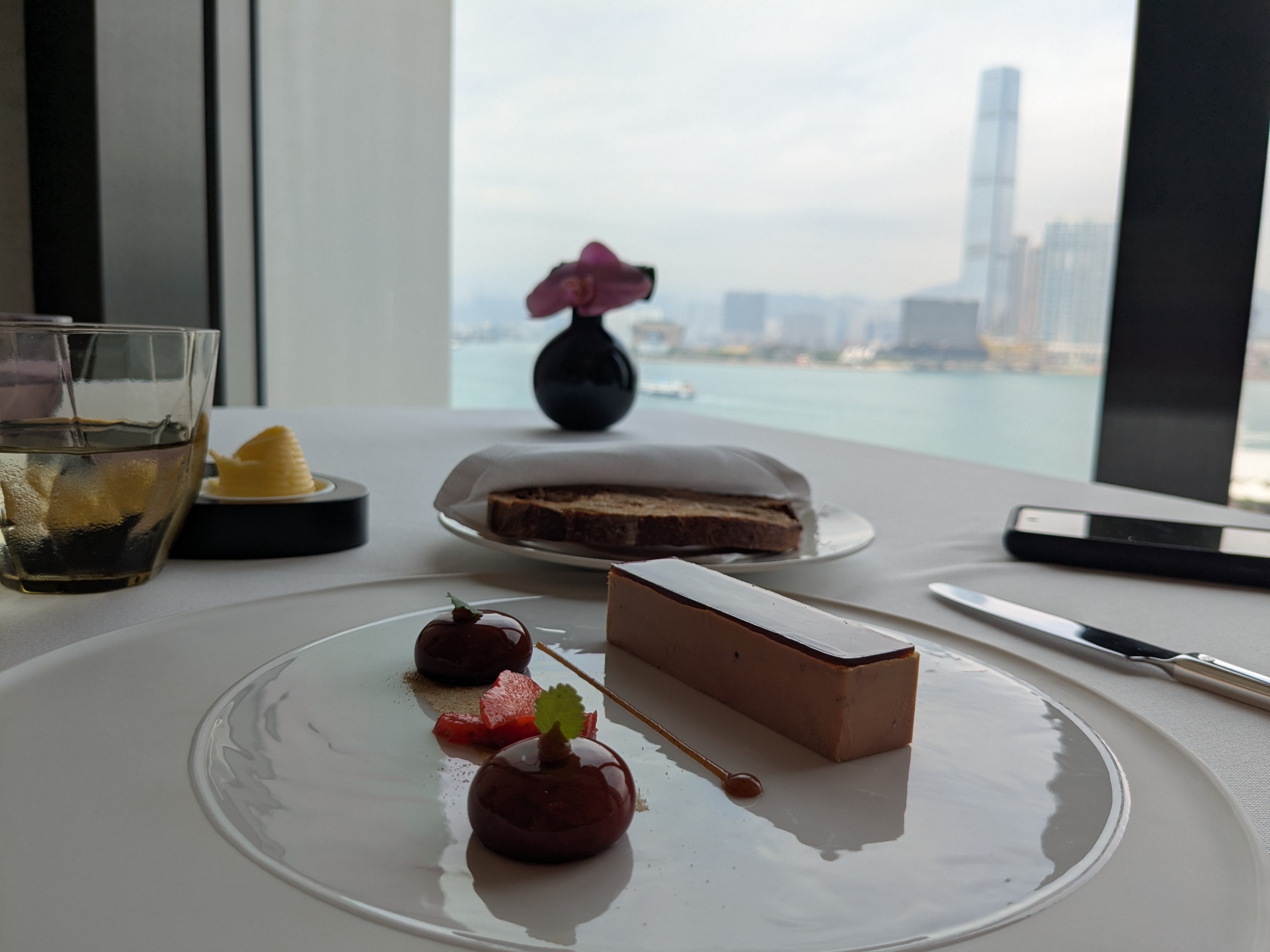
Within the same central area, there is a 3-Michelin-stars restaurant Caprice. Located in the upscale Four Seasons hotel, Caprice stands tall with its Michelin stars and its harbor view.  The harbor view and busy harbor traffic are scenes that one would not get tired of watching. The harbor view pairs perfectly with the fine cuisines and the perfect service. Its location makes it a great place for business or executive lunches. Its price is attractive compared to other three-Michelin-stars too.  Ask for a window seat on your visit.


Leave a comment »

The Michelin Dining

Over the years, we, foodies, have enjoyed the wonderful dining experiences of 35 Michelin Stars. In every way, these experiences live up to the Michelin star system definition. 

1-Michelin-star  (★) brings a very good restaurant with high quality cooking, consistency and is worth a stop.
2-Michelin-stars (★★) bring excellent cooking, with skilled and inspired cuisine, and is worth a detour.
3-Michelin-stars (★★★) are exceptional, a destination in itself and worth a special journey.
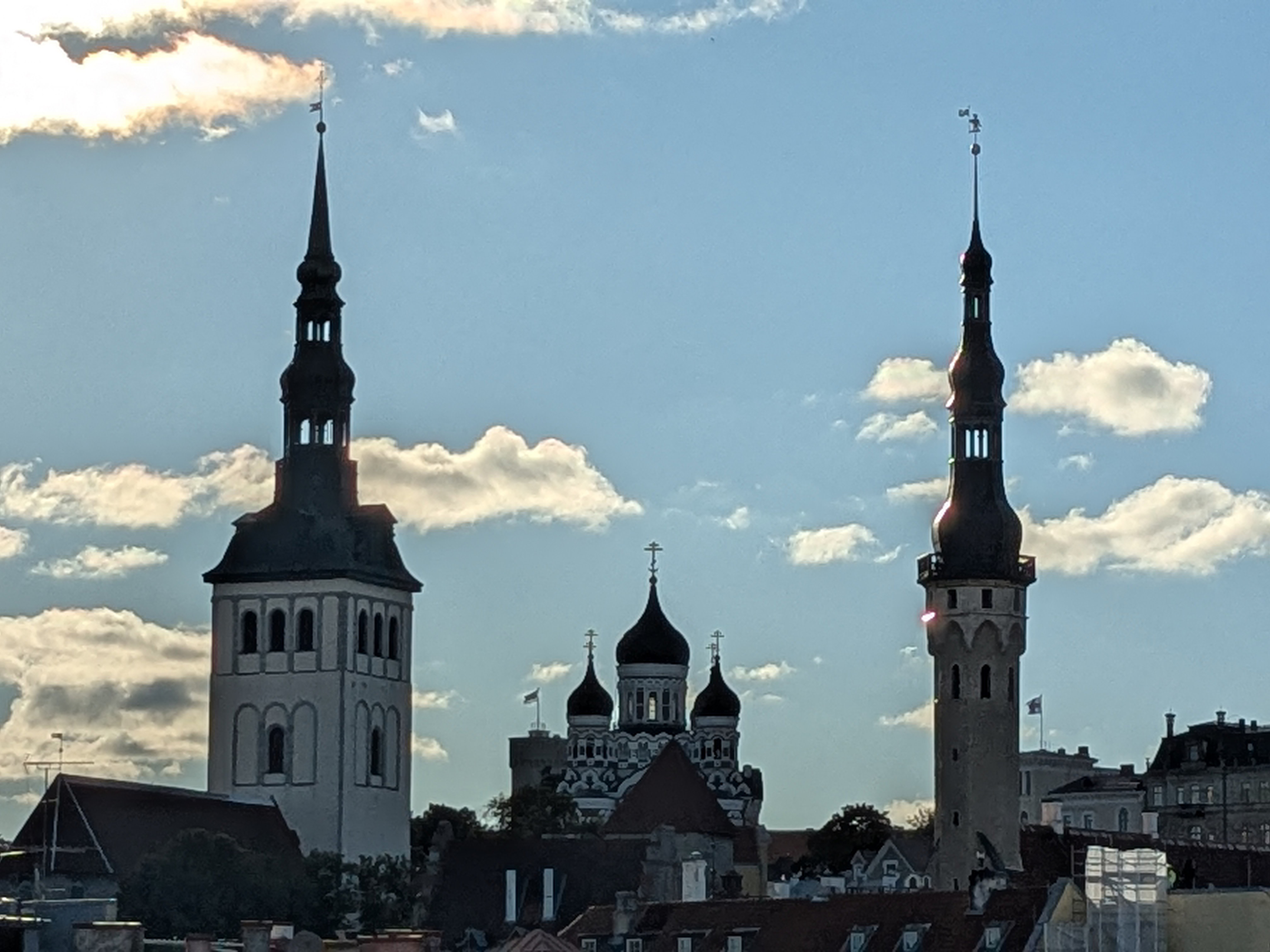
These Michelin stars are reviewed and updated annually. The restaurants must prove their quality and consistency every year to keep, gain, or lose their rating. Some award winning chefs get so burned out by these ratings and other similar cuisine ratings that they sometimes will start new restaurants. The ratings for the world’s no. 1 restaurant has been revised such that when a restaurant gets awarded the no. 1 in the world for the year, the restaurant stays on the list of no. 1 for good. I am almost happy for the chefs!
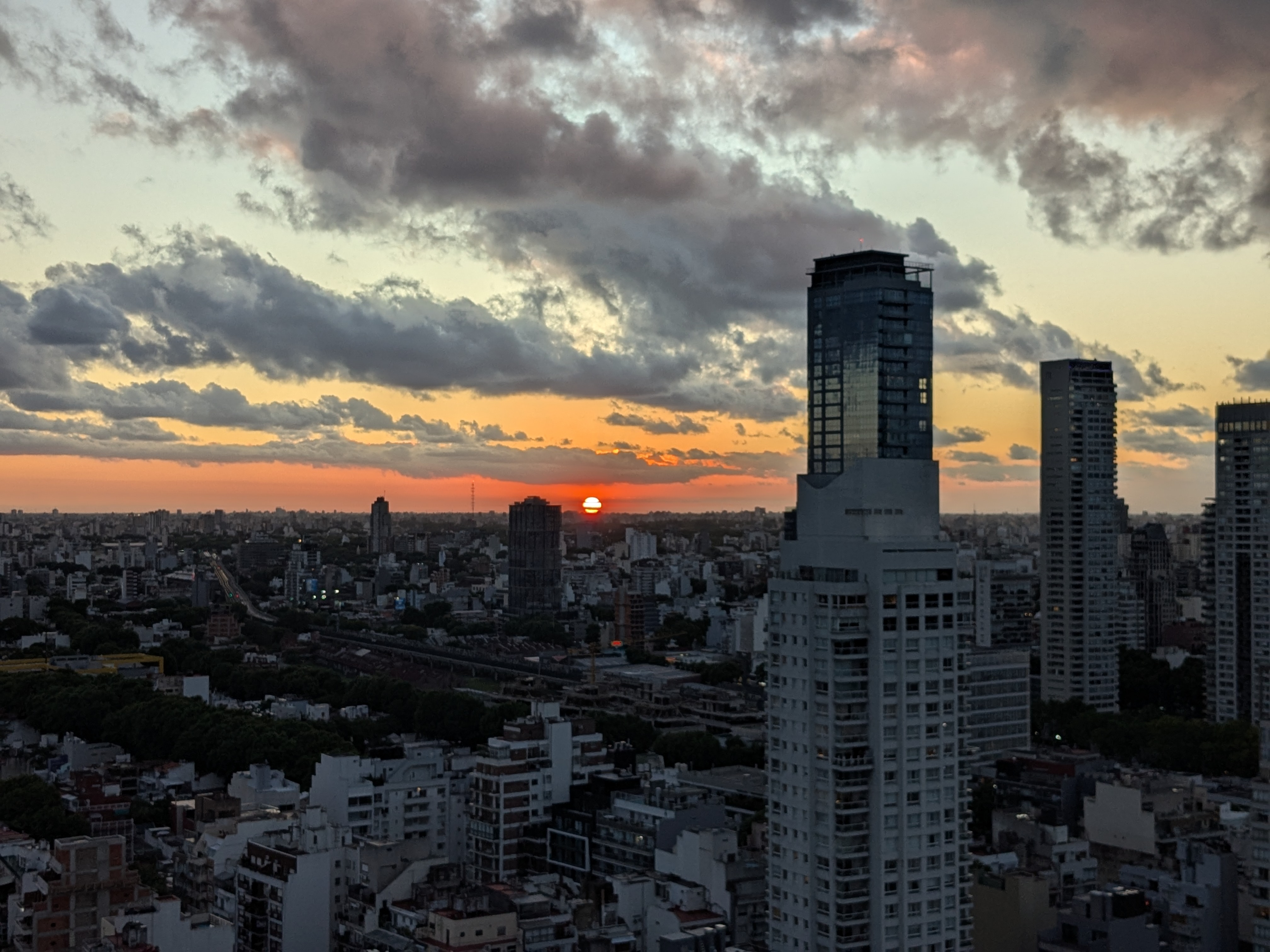
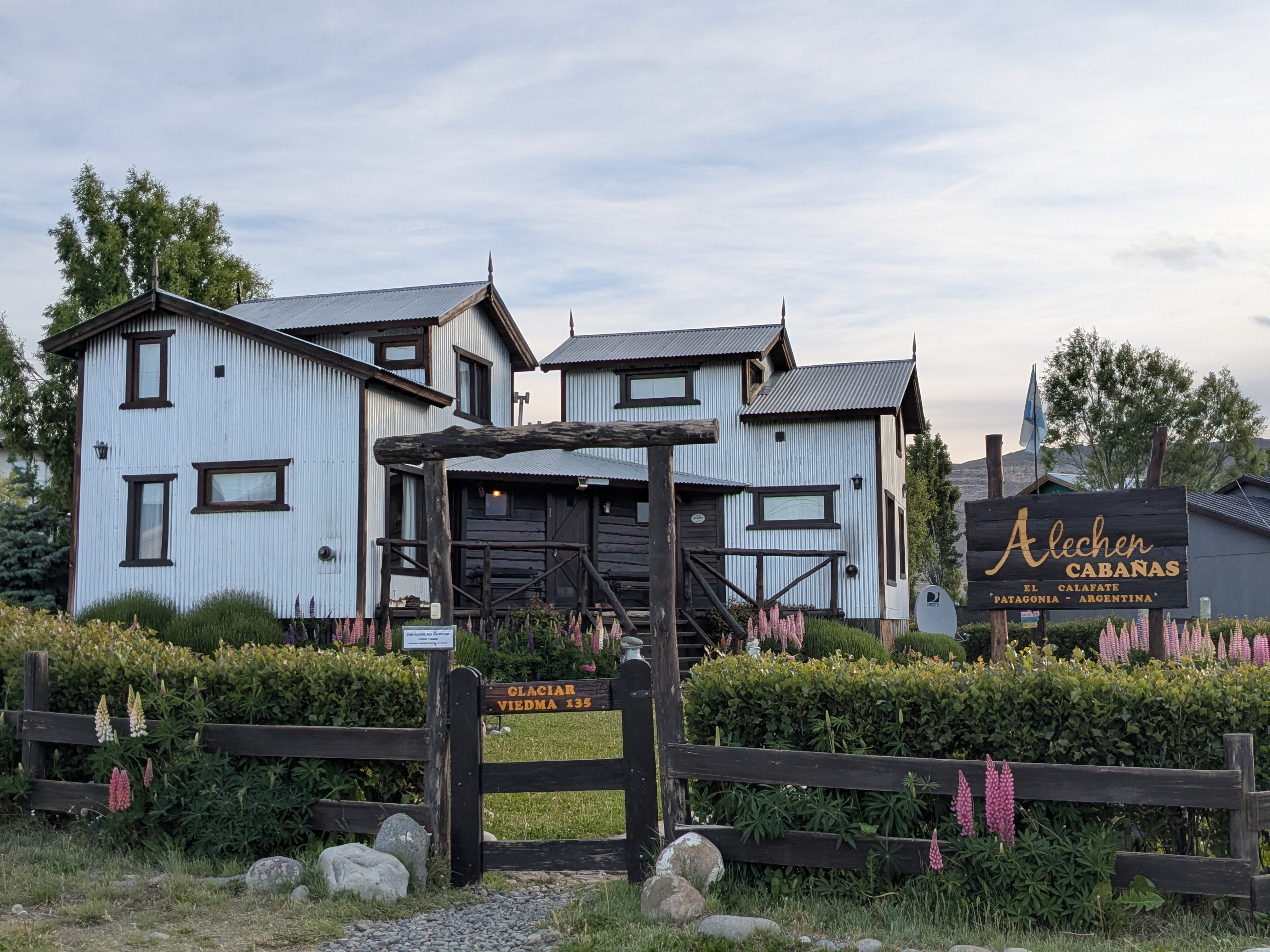
Our 35 Michelin Stars comprise over twenty restaurants, five 1-Michelin-star restaurants, two 2-Michelin-stars, and others 1-Michelin-star.

Dining at the 3-Michelin-stars restaurant is a one of a kind experience. They are for very very very special occasions. Even after the menu and the fancy dish names escaped our memory, the total dining experiences remain in the memories for a very very very long time.  

The Best of the Best

Dining at the world’s no. 1 restaurant, Noma in Copenhagen (2016) and French Laundry in Yountville, California (2023), have proven a lifetime experience.  

These top restaurants differ in their cuisines, there are some unexpected commonalities.

These best of the best don’t look like a palace on the outside, they are not gold-plated. In fact, they are almost hidden. They are often located on a street with pedestrians. They almost make an effort to hide them from the crowd. It exudes “I am the best of the best, and only those who make a special trip and pay special attention will find me”.  They are thoughtfully designed inside, but not fancy nor luxuriously high class decor that sometimes can make one uncomfortable or distracted. It is as if the decor cannot take the attention away from the cuisine they prepare, and that the diners can be comfortable and be served attentively to enjoy the offerings. The serving crew is nicely dressed up, they anticipate the diners’ needs, but skillfully leave the diners alone to enjoy. What a skill to have!
The best of the best have their own farm. It is a message that they are so particular about their creations that they have to start with growing their own ingredients. It is also a message that the ingredients have to be fresh. Foodies can relate that food tastes the best when fresh—corn, strawberries, tomatoes to just name a few. Their farms are mostly herbs and vegetables. If there are choices, they would like to raise their livestock and animals. I highly recommend signing up for those tours before the meal, and have a chance to ask some questions about the restaurants. 
The best of the best also welcome diners to visit their kitchens when schedule allows.

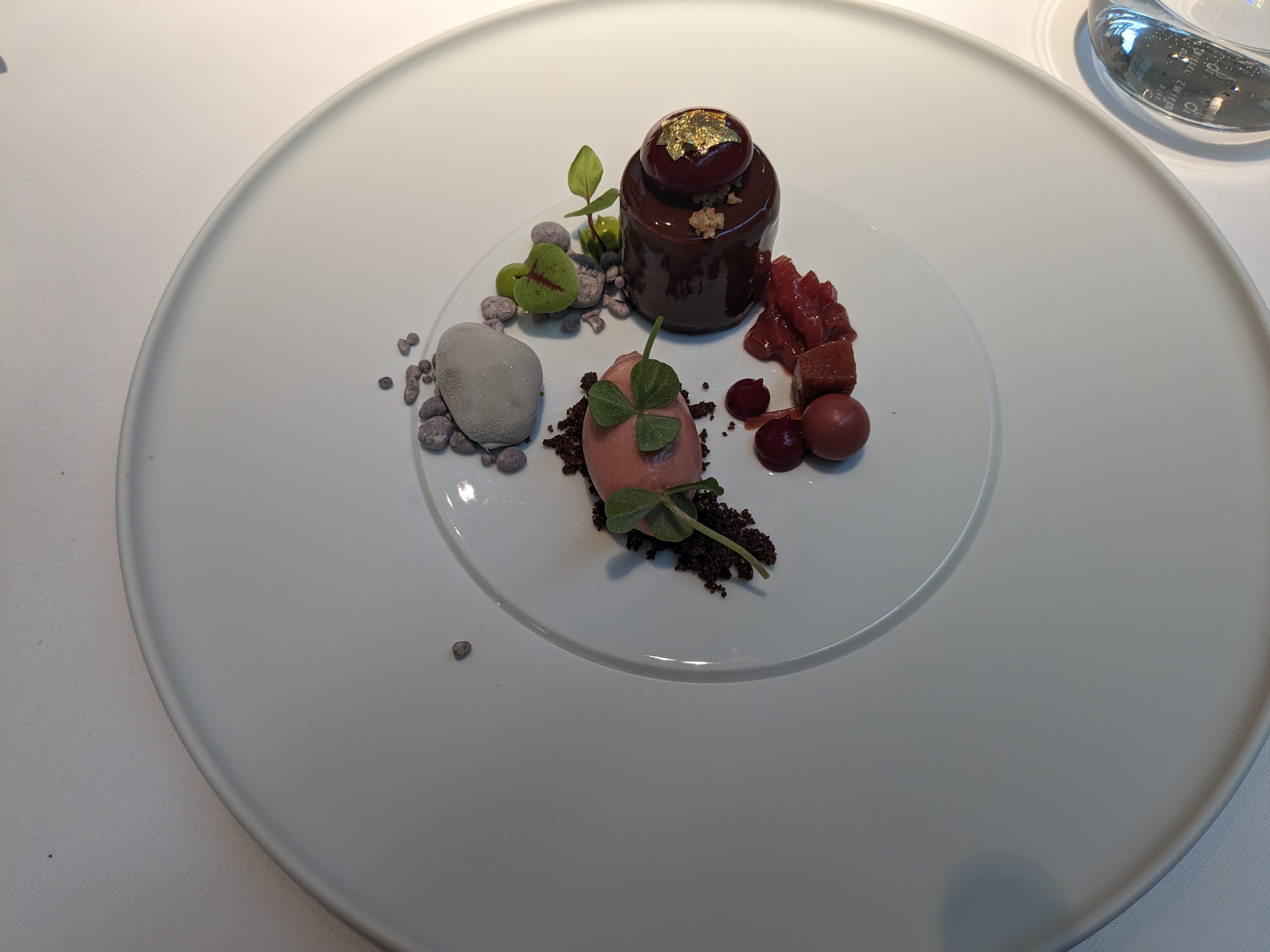
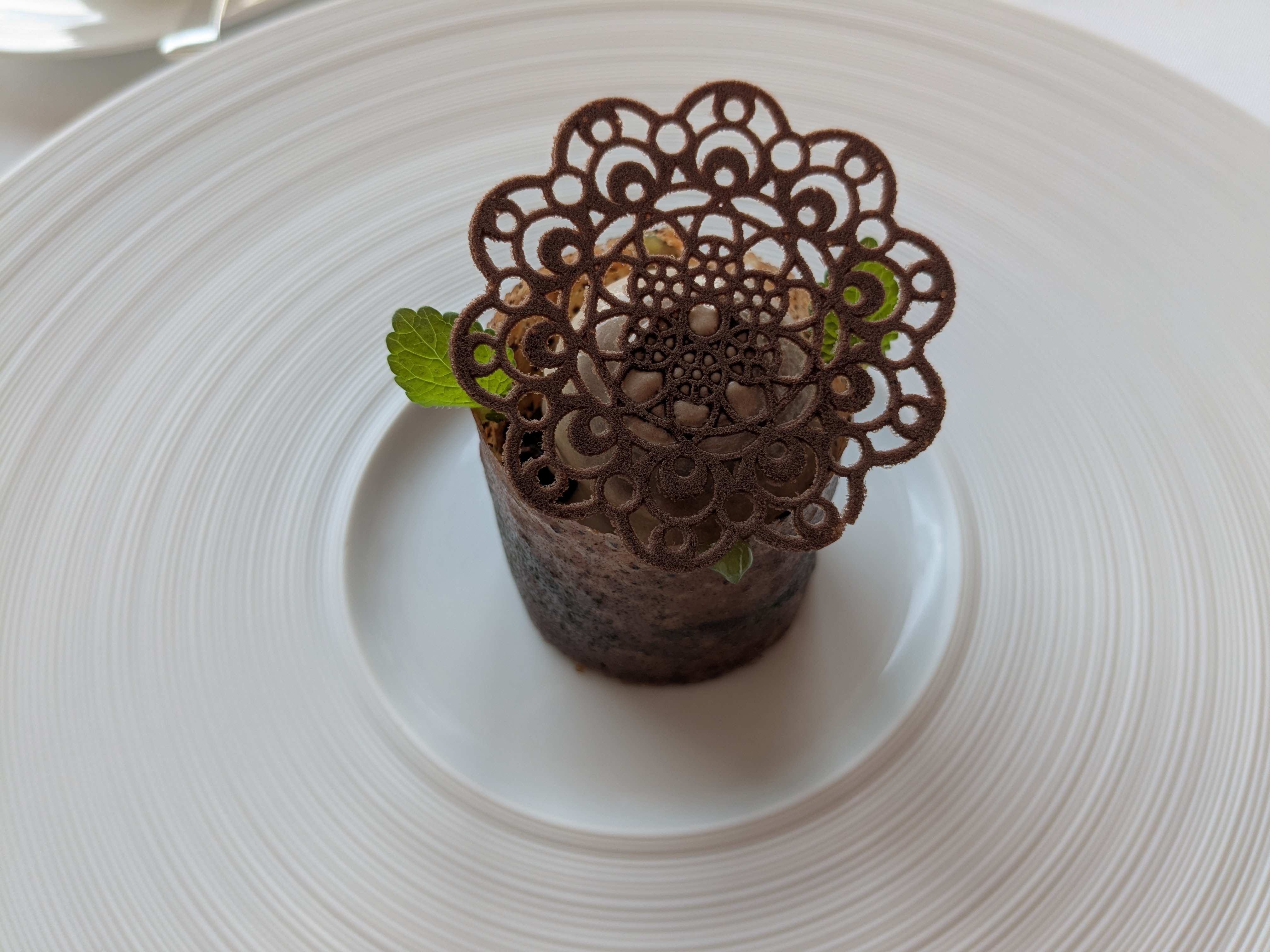
The best of the best offers dishes like pieces of art pleasing to the eyes, to the palate and to the senses.

These experiences often remind me of the limitation in language expressions. These experiences also remind me of the limitation of our memory storage and retrieval to share the food innovations and creations, the meticulous preparation, the beautiful presentation and the tastes. 

More on Michelin restaurants and experiences here.

Leave a comment »

Bariloche, Patagonia in Swiss Style

Bariloche has a lot to offer for a relaxing vacation and makes it a popular destination for travellers in the region.

San Carlos de Bariloche is about a two hours flight north of El Calafate.  Having lived in the Northern Atmosphere for my whole life, we believe going north means going to cooler weather, only to discover it works the other way in the Southern Atmosphere. We were met with warmer weather in San Carlos de Bariloche. We rented a car for the first time in Argentina with the places we plan to visit being more spread out. The car rental experience cannot be more different from the rental experience in the States. It took us over an hour, mostly waiting with only us in the line, to get the rental. When we finally got to the parking lot, the Avis rental lady took a lot of pictures of an unassuming Fiat. She carefully showed us the repair kit and spare tire, reminded us of the speed limit and the police camera before emailing the rental contract with all the pictures she had taken. It turned out the extra caution is not a sign of danger, more that the city has narrow roads, and is not always paved.

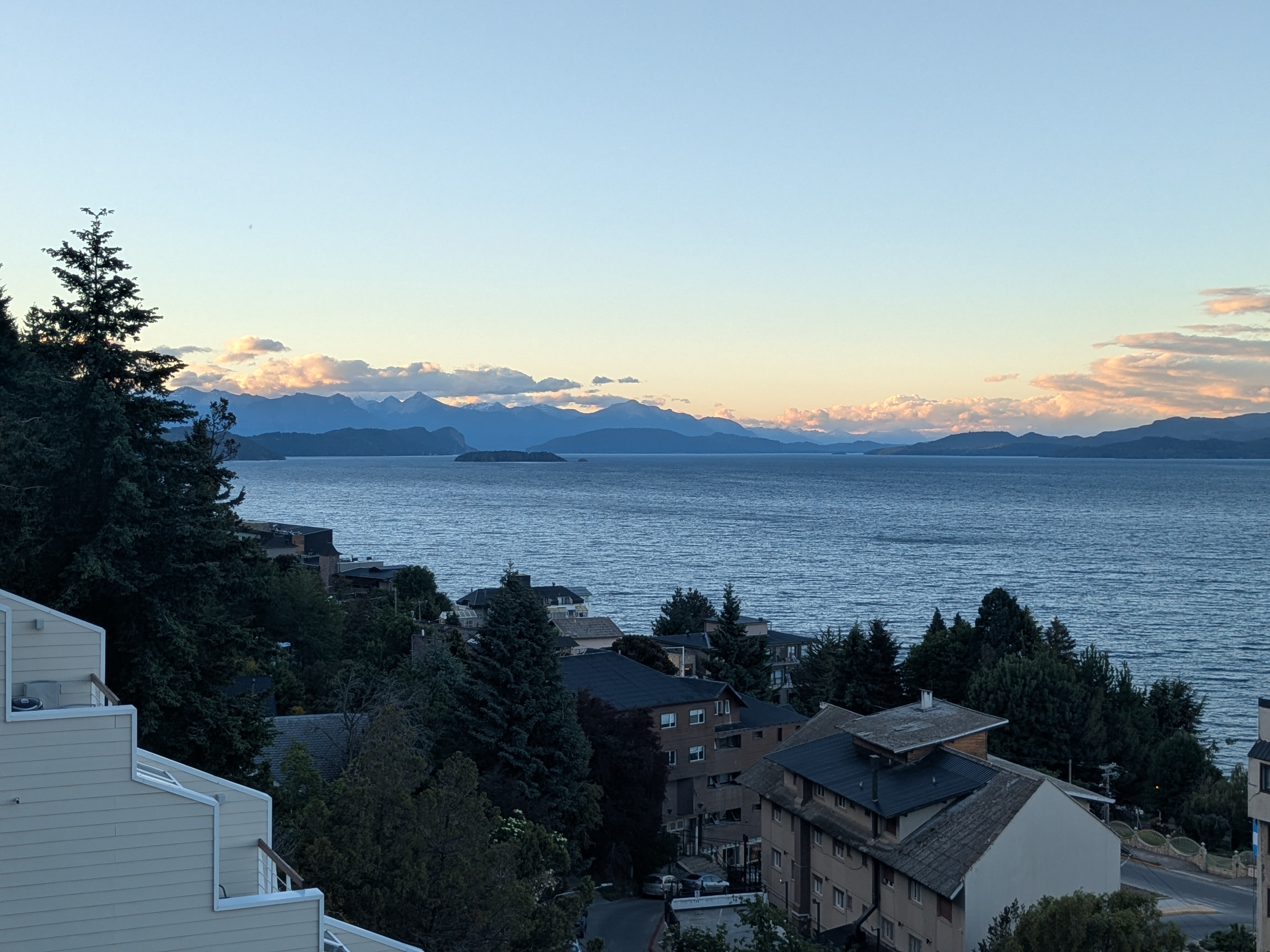
We safely arrived at our Airbnb which is on a narrow street. Fortunately, our Airbnb host Mariano met us outside and there was a very small parking garage. Airbnb reminded us of the beautiful Airbnb we had in Buenos Aires. It is a 2-story unit on the 7th floor with a great view of Nahuel Huapi Lake. Nahuei Huapi Lake is a massive, crystal-clear glacial lake in Argentina’s Patagonia region. The Chilean Border is only about an hour and a half drive. 

San Carlos de Bariloche downtown has a street lined up with many chocolate stores. Even though the chocolate is not as world renowned as Swiss Chocolate, the quality is equally good, and we recommended “Nanpui” for their chocolates. Almost all the chocolates sold have warning signs of “too much sugar” and “too much fat” on the box. These signs do not deter any customers. From the chocolate street, it was an easy stroll to the lake front.  There were some antique cars events on the day, and the city center was crowded with spectators. After a month in Argentina, we craved Chinese food and had an early dinner at Wong, one of the only two Chinese restaurants in town.

If you only have a day, the Circuito Chico is a convenient one-day road trip. There are chairlifts and hiking trails to walk up to enjoy some gorgeous views of lakes and mountains. The Llao Llao hotel is a top 5 star hotel with rustic cottage decor and a good place to enjoy snacks. Its service does not live up to the 5 star standard. The Colonial Suiza, a small Swiss-style town, can only be reached through gravel roads. We drove so very slowly that the rental Fiat handled the gravels without causing a flat tire. There were small ships good for getting some souvenirs, and we got some Patagonian tea bags. In Patagonia, the animals do not seem to be scared of people. We saw a small fox stopping in the middle of the road and did not seem to care.

If you have more than one day, the seven lakes road trip would take you to Nahuei Huapi and Lanin National Park. It makes a full day trip on a scenic 110-120 km stretch of the famous National Route 40. There are lakes after lakes, small and large. Living up to the Patagonia wilderness, there are only two big towns: Villa de Angostura and San Martin de Andes; there are hardly any other small towns or inhabitants in between. Angostura is a charming small town with shops and eateries, and better roads. These lakes remind me of Lake Tahoe, equally beautiful. The seven lakes are enhanced with the surrounding forestry landscape and at times the beautiful bright yellow Scotch Broom and purple Lupines lining up along the freeway. It is an easier road trip with the well paved National Route 40 that connects the national parks of Argentina in Patagonia.  

If you have more than two days, there is a boat trip to Victoria Island and Forest of Arran where Sequoia Trees, Black Sand Beach, Native Trees and Hiking trails await. 

Bariloche is Patagonia with peaceful lakes, Swiss atmosphere, chocolates and National Parks connected through a myriad of roads, from unpaved to well paved, with speed limit from 20, 40, 60 and 80 km per hour. 

Few travellers spend five weeks in Argentina on their first trip to South America.  We had experiences for a life time.

The End

Leave a comment »

El Chaltén is Patagonia – Laguna de Los Tres Iconic Hike

The ultimate hike Laguna de Los Tres is a 20km (10km one way) full day hike, and many consider the last 1km as very very very tough. I have a bit of acrophobia, and receive reassurance that the hike is not next to a cliff or any of the dangerous treks, but have little idea how tough the trail is. We are slow hikers so we started early at 7am in the morning, with some bottles of water, raingears, and a pole. 

Along the trail, there are signs for each kilometer. In the first few kilometers, we took the time to enjoy nature, admire Mount Fitz Roy from afar, take pictures, let other hikers pass by, while carefully avoiding patches of muddy terrains to keep our shoes dry. Along the way, we ran into Jackie, the solo British traveller we met at the Nibepo Aike Estancia, the second time in two days. After a few hours, we got to the 9km mark feeling pretty good. There is a warning that the next 1km requires top fitness level. The last 1km uphill has taken us over 2 hours over very tough terrains, and hiking down was equally not not tougher.  Laguna de Los Tres certainly lives up to its reputation. 

It was still Spring time, the main Laguna de los Tres, directly below Mount Fitz Roy, was not yet defrosted. The frozen lake was connected seamlessly with the snow on the mountain. It was super beautiful and the air was refreshing. The frozen lake has not shown its turquoise charm we often find in pictures.  We were rewarded with the snow-capped Fitz Roy peaks in a comfortable chilly weather, with a lone fox wandering among us, hikers. We took the views all in at the summit. Fitz Roy towers above us, on the other side, we saw the beautiful larger blue Laguna (Laguna Sucia/Laguna Capri/Lago Argentina).  

We could have stayed here for much longer, but it was time to head back. With our slow pace, it was getting dark. The hike started at 7am and we returned by 9pm. This is arguably the longest hike we had done since the Half Dome at Yosemite decades ago. This one feels tougher. At the end, we could feel that we lost some belly fat and some weight. It was such an experience that it felt like if this Laguna De Los Tres became our very last tough hike, it would be all right.  Do we still have more in our tank for future hikes of similar challenges?  Only time will tell. 

The next day, we chilled at a nearby meme cake cafe, enjoyed an excellent chocolate mint tea, served in an iron pot. Thigh and hip muscle fatigue aside, our joints felt good. Thanks to Taichi practice in the last few months.  After a day of rest, we felt ready for some easy short hike.

The day after, we started the day with a Cappuccino and Mocha at the Macchiato cafe right across the street. Talked to the barista about their sold out beautifully designed t-shirt that reminds us of the T-shirt displayed in a similar coffee shop in one of our Hawaii trips.

Some hikes stay with you forever — Laguna de los Tres is one of ours.

Next: San Carlos De Bariloche, Nov 26 to 30.

Leave a comment »

El Chaltén, the Hikers’ Paradise, is Patagonia

El Chaltén is the hikers paradise. It is the place where hikers meet and it has the iconic hike of Lagoon de Los Tres. Laguna de los Tres offers breathtaking, close-up views of Mount Fitz Roy and its glacier. The 20 km round trip takes 7–9 hours. Laguna de los Tres, “Lake of the Three”, is not about three lakes, It refers to the three prominent peaks towering above the lake, which are Mount Fitz Roy, Poincenot, and Saint-Exupéry, located in Los Glaciares National Park near El Chalten, Argentina. Fitz Roy captained the HMS Beagle Charles Darwin was on almost two hundred years ago. He explored the El Chaltén region with Charles Darwin in 1834.

We are not among the rock climbers who scale the Granite Wall of Mount Fitz Roy. Chouinard and team did that back in 1968 (Pg 45 to 52 of Dirtbag Billionaire) before he founded the Patagonia company. The Patagonia logo is based on none other than Mount Fitz Roy.

El Chaltén is a convenient 3 hours bus ride from El Calafate. El Chaltén has a different vibe and is like a village where visitors have just one thing in mind – outdoor exploration/hiking. It takes less than 30 minutes to stroll from one end to another. San Martín is the main avenue, not one of, in El Chaltén. Strolling in the town, we can see the different faces of Mount Fitz Roy from afar.  The town is filled with hostels/hotels/airbnb, coffee shops, gift shops, grocery stores and choices of restaurants. Our Airbnb, a comfortable unit next to the host family,  is in a perfect location.

El Chaltén’s itinerary is very simple – hiking followed by day(s) of rest.

A day after the arrival, we did the primary waterfall hike in El Chaltén, Chorrillo del Salto (Waterfall) to test our hiking gear. It is a relatively short forest trail, located at the north end of San Martin Avenue. It offers a view of, 20-meter high waterfall at the end. On the day, it was windy and dusty, creating a slightly unexpected challenge than an easy and flat trail that it is known for. After the hike, we went for an early dinner at a Parrillo restaurant, which displayed pictures of communist leaders Fidel Castro, Ernesto “Che” Guevara. “Che”, an Argentinian, has been a hero. “Las Malvinas son argentinas” is another discovery how some Argentinians still believe Las Malvinas (i.e. the Falkland islands) belong to Argentina.

Argentina Correo (Post Office) is undergoing changes so much that the Post Office looks terribly run down and it stays closed during opening hours. There are one or two gift shops selling stamps. To mail a postcard, it costs more than $10 USD, equivalent to 15000 Argentina peso, in 5 different stamps. I mailed two postcards. We then had lunch at the restaurant next to our Airbnb served with Parrillo lamb, salad, we enjoyed and had enough left over for dinner. Our star gazing plan faltered after knowing that the time for it would be after midnight. 

Next: The iconic hike Laguna de los Tres, Nov. 23

Leave a comment »

Nibepo Aike Estancia, an experience for a lifetime (cont’d)

In Nibepo Aike, through the windows of our room, we have a perfect view of the snow-capped mountain ranges, the beautiful scenery, sometimes chickens and birds outside. We could stay in our room, sitting on the sofa, zipping tea, reading books and from time to time, look up to appreciate the beauty of nature. 

There are horseback riding activities from one hour to three hours. The first day we did a 3-hour horseback riding in the afternoon around the area. The pasture and the lake are tranquil and beautiful; the horses, the cattle and the birds look relaxed. Patagonia Criollo horses are renowned for their endurance. Criollo horses are intelligent, steady and calm, often forming deep partnership with the riders. The tan-colored horse I rode on the first afternoon lived up to the reputation. It was the best. She was gentle, experienced and responded well to the rein. Its narrower body was comfortable to ride on. I connected with it right away. This afternoon in Patagonia Estancia gave me the best horseback riding experience ever. Unfortunately “my horse” needed rest in the following days. The next afternoon, I rode a black horse with a broader body. It was not as comfortable. We did an hour of horseback riding to herd the sheep back to the barn in the evening. It was fun even though it was mostly the staff riders who guided the sheep back to the barn. The third day was a morning ride. My white horse was the most active. It just wanted to gallop, especially when she saw other horses galloping. I had to keep reining it in. Three horses in three days, even in a short time, it is apparent these horses have very different temperaments. I am most connected to the gentle tan-colored horse on the first day and the other two horses seem to sense my preference. 

We got to know a few of the Estancia staff. We met the owner when we looked for the directions to the hiking trail up the short hill overlooking the ranch. The owner looked older. He was so tall and energetic that he walked three times faster. We needed to jog to keep up with his walking. He is a happy fellow. The general manager Silvano took such good care of us. We chatted with him whenever he was not as busy. He makes a wonderful hotelier with good knowledge of the ranch operations, and endearing people skills. There is a native, the know-it-all, taking care of all kinds of chores in the farm and he is everywhere working all the time. There is also a gentleman and a young lady taking care of the horses and are very knowledgeable about them. The female tour guide spoke arguably the best English and handled multiple languages at ease as she took us around on the ranch day.  Even for a few days, I came to know the ranch staff better than the staff of other accommodations, as we saw each other throughout the days.

The Estanica experience gives us a true connection to the animals, the caring staff and nature. It is an experience of a lifetime. 

Next: El Chaten, the hikers’ paradise, Nov 21 to 25.

Leave a comment »