oliviatamccue

about everything, anything or something

Magic of Finish Lapland : Santa, Reindeer, Sauna, Aurora

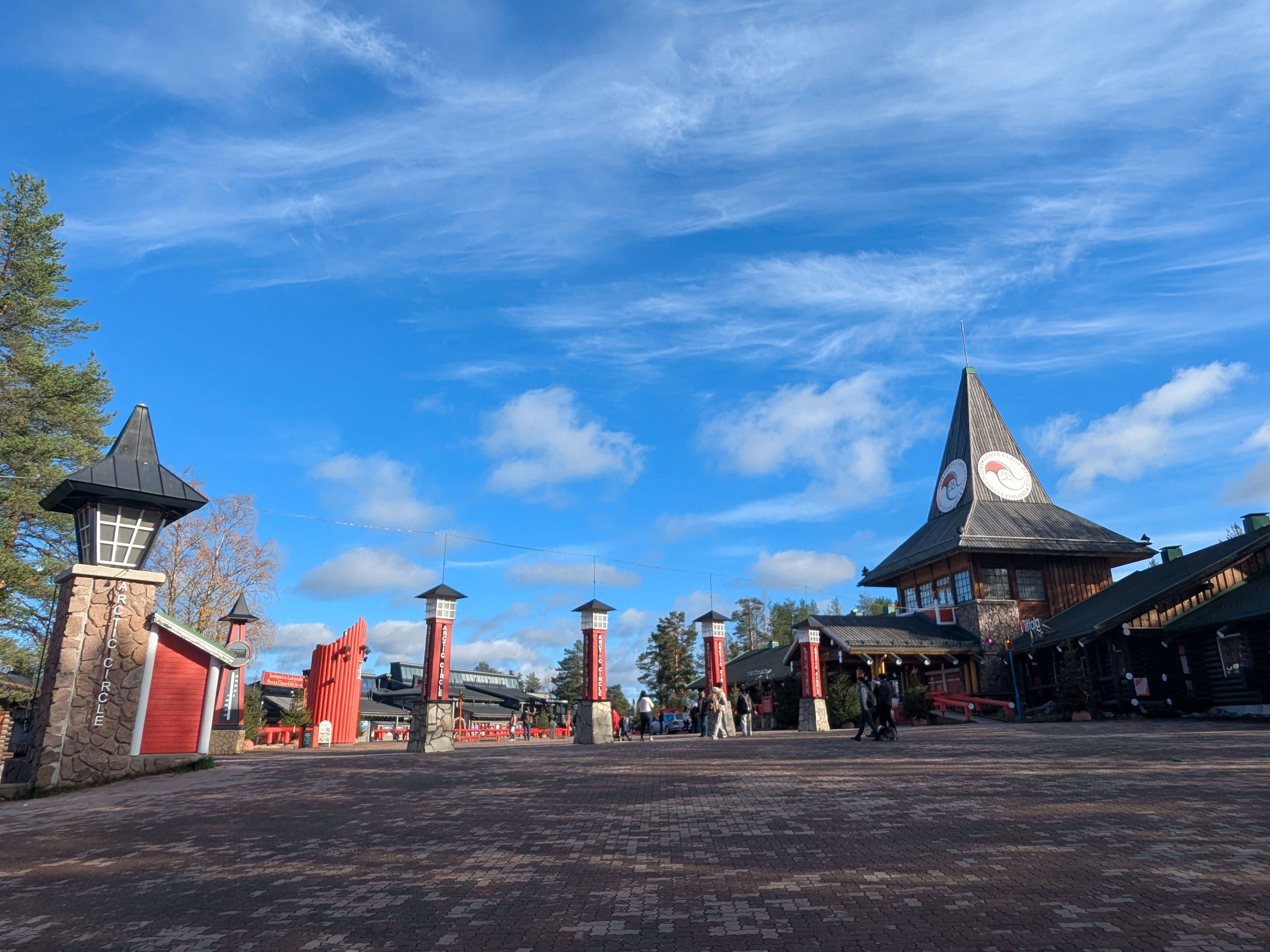
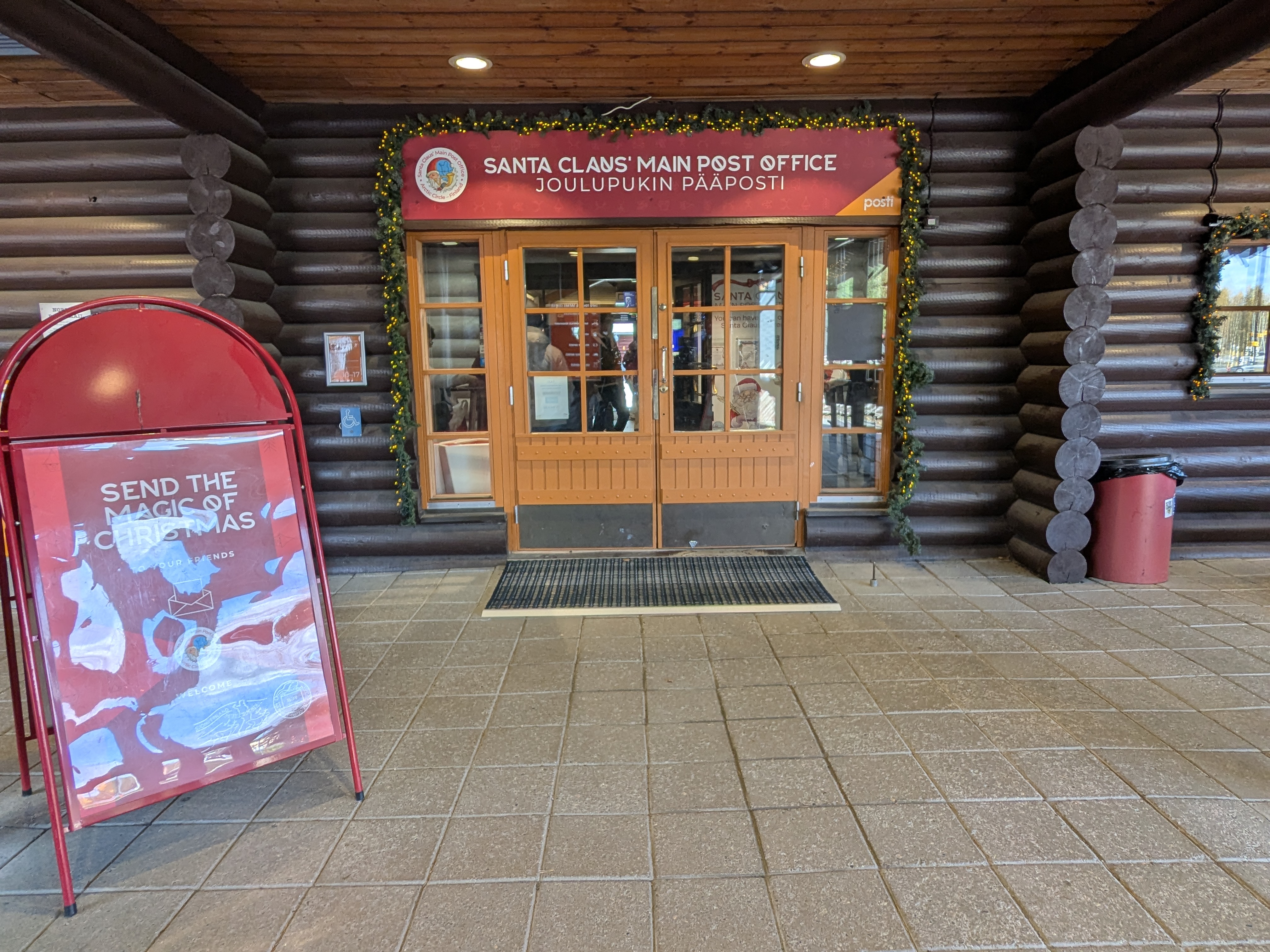
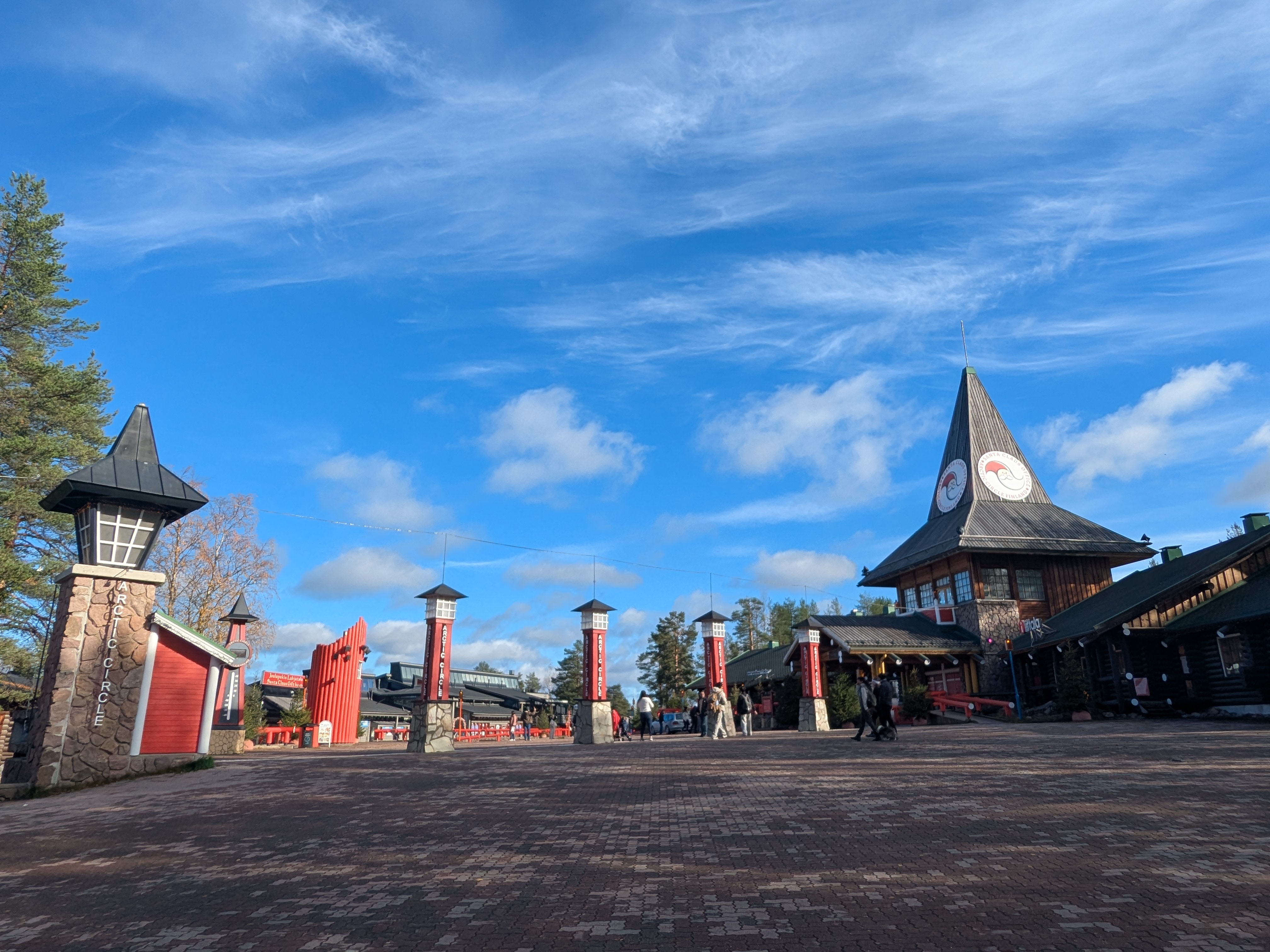
Rovaniemi, located in Finnish Lapland, is one and a half hours of flight north of Helsinki. It is mostly a quiet airport. On our return trip from Rovaniemi back to Helsinki, there was just one flight on the Flight board, i.e. our flight back, that afternoon. Within the baggage re-claims area, there are a good number of Santa Claus pictures, tour ads that remind of the Christmas holidays and overall happiness. It is the official and happy place of “Santa Claus”. Whether you choose to believe in Santa, this place fully endorses Santa. The Santa Claus Village, at the border of the Arctic Circle, is just a short drive from the airport. The Santa Claus Post Office makes a popular stop inside the Village. It is both a Post Office and a bustling stop for reasonably-priced souvenirs. Its mailing services are of two types: the normal type and the special service that will deliver your cards around Christmas. I wish I had prepared the mailing list in advance and I could have stayed there for an extra hour or two to send my greetings to more families and friends.
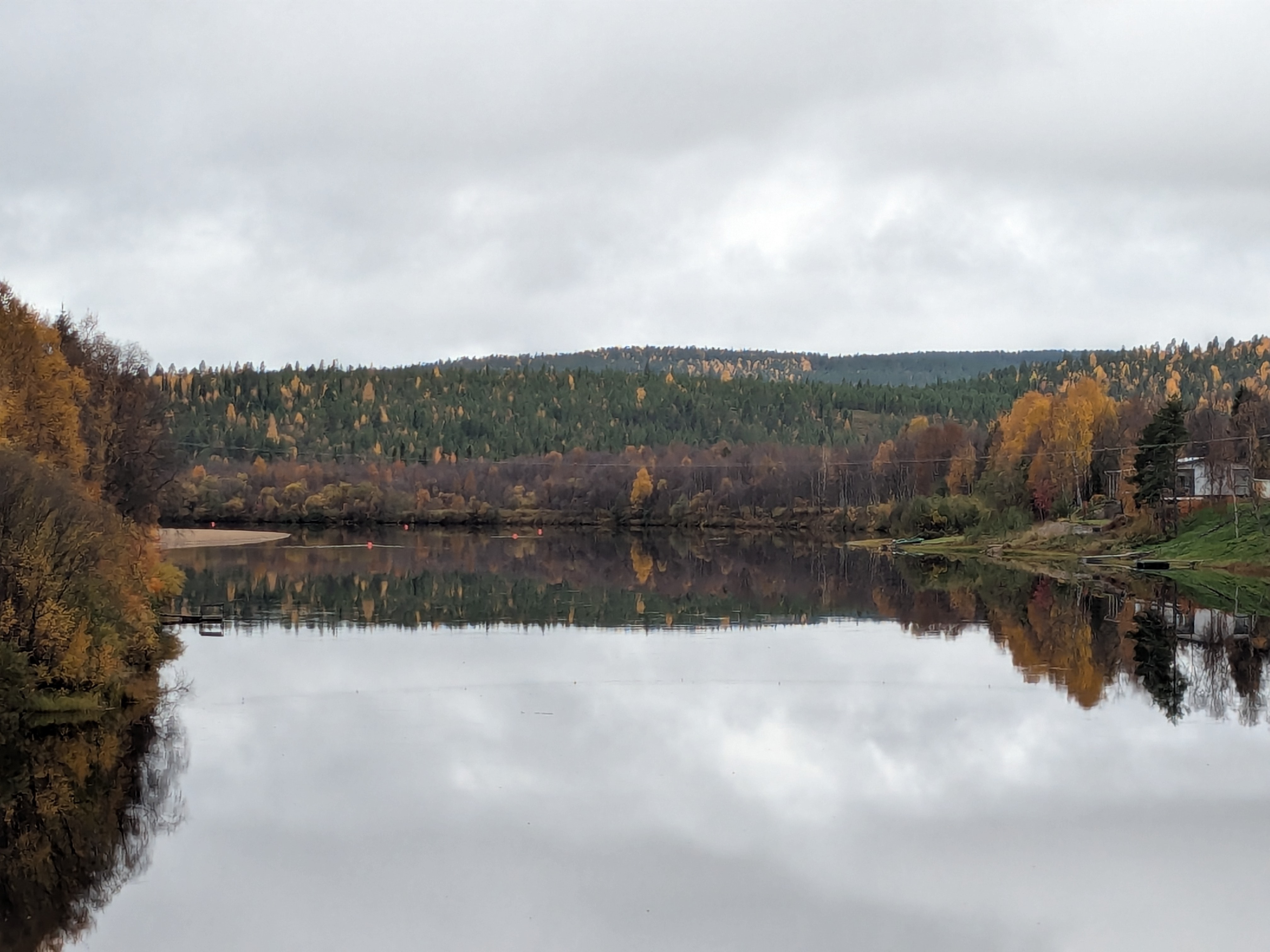
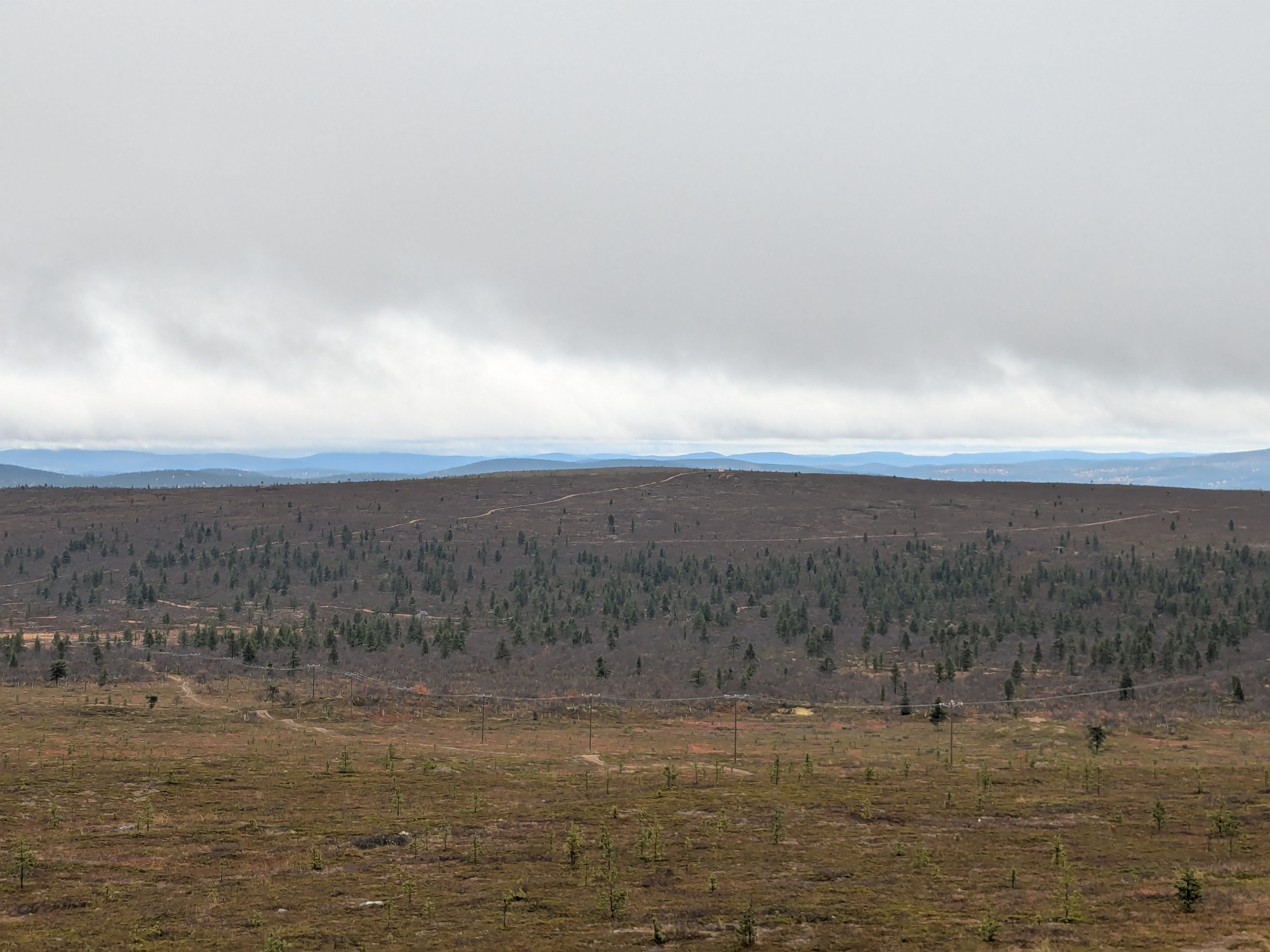
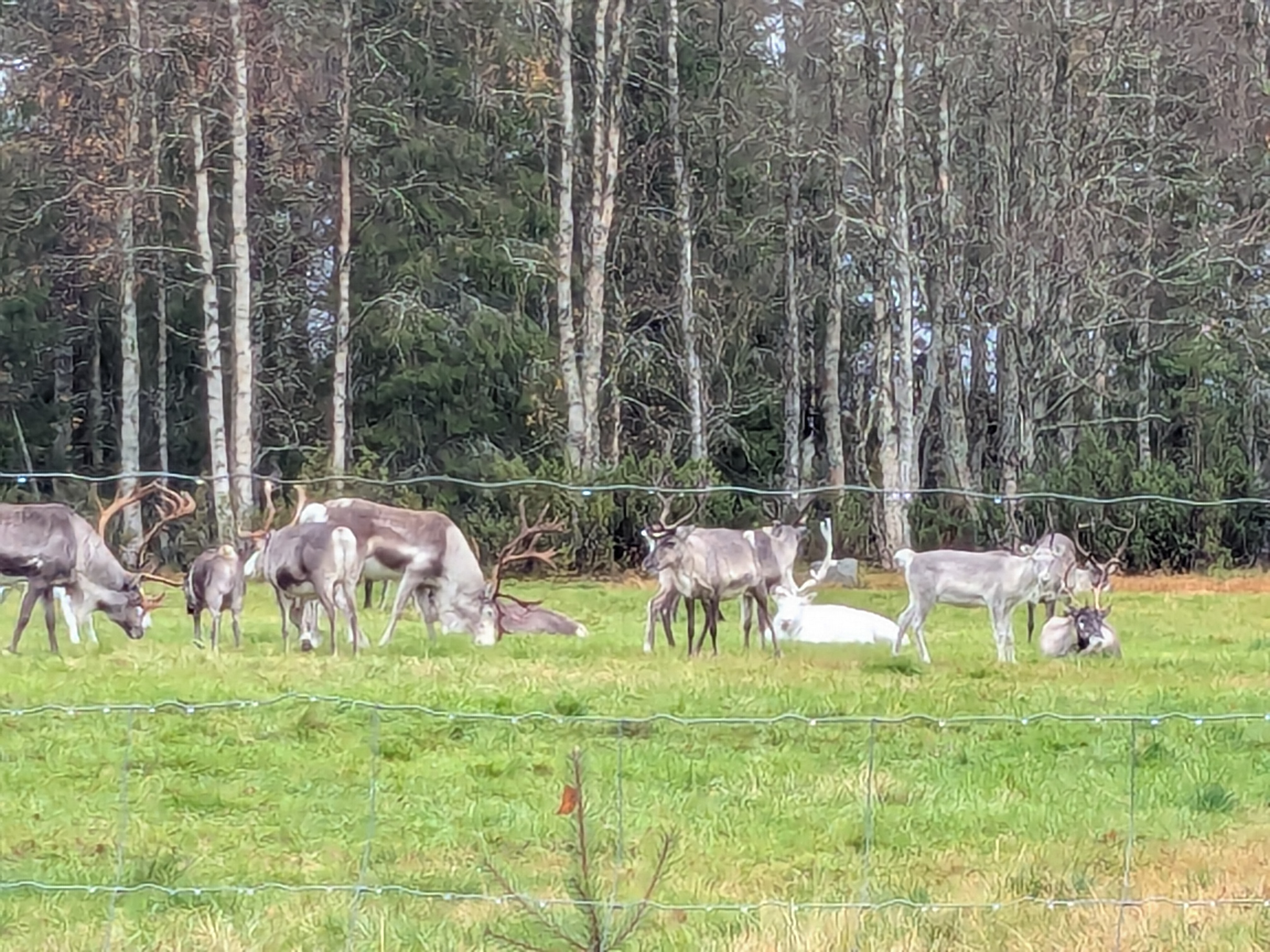
Lapland is a region that spans four northern European countries: Norway, Sweden, Finland and Russia. Sweden Lapland has the largest land area, while Finnish Lapland is more famous internationally. It reminds me of  Patagonia that spans multiple South American countries. September is cold but not that cold. It is the beginning of the Aurora season. In the early fall, there were not many tourists. Finnish Lapland delighted us with beautiful fall colors and lakes as we drove up further north in Lapland, and inside the Arctic Circle. The road is well paved with few cars. We saw reindeers daily and saw them crossing the road a couple of times. The reindeers in Lapland, with a bigger population than people, are beautiful and mild creatures. They own the road and expect the cars to stop for them. Their antlers grow very fast, and we can find them everywhere as decor in restaurants and hotels. Their steak is more chewy than beef and has a texture that feels like a mix of liver and beef. It is not overly gamey but also not a taste to fall for. I prefer seeing them roaming around in the open.  Every sighting adds a share of happiness to the day.
In Lapland, we stayed in Santa’s Hotel Aurora & Igloos for a night and the Wilderness Hotel Inari for four nights. Both offer in-room Sauna. This personal Finnish Sauna is absolutely something worth paying extra for. The in-room Sauna room is small and fits two people. They are so cozy and comfortable. They are essential in cold weather. Imagine having a private sauna in the morning, and another one in the evening inside the Arctic Circle in your own room. It warms the body, the heart and elevates the happiness index.

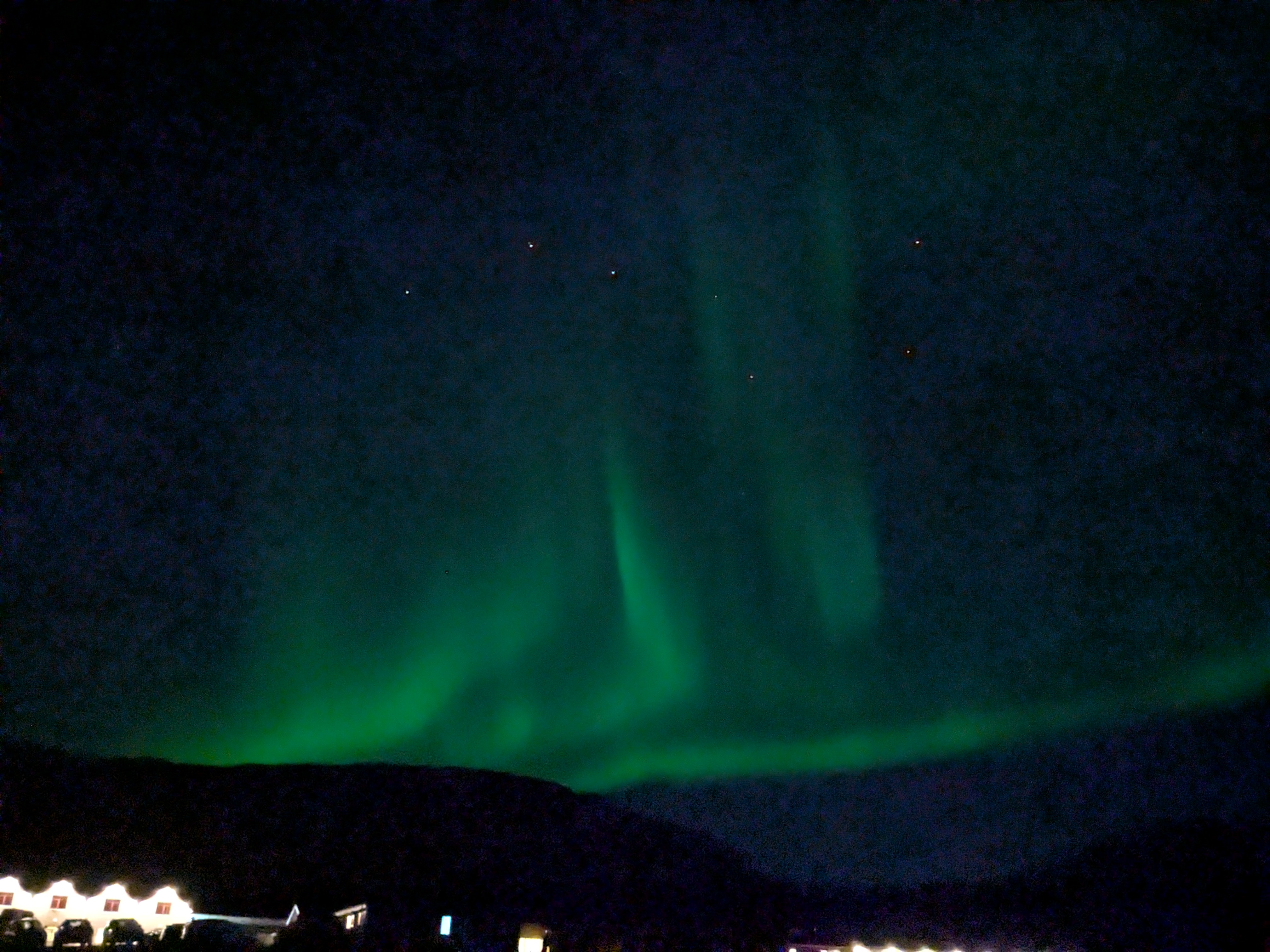
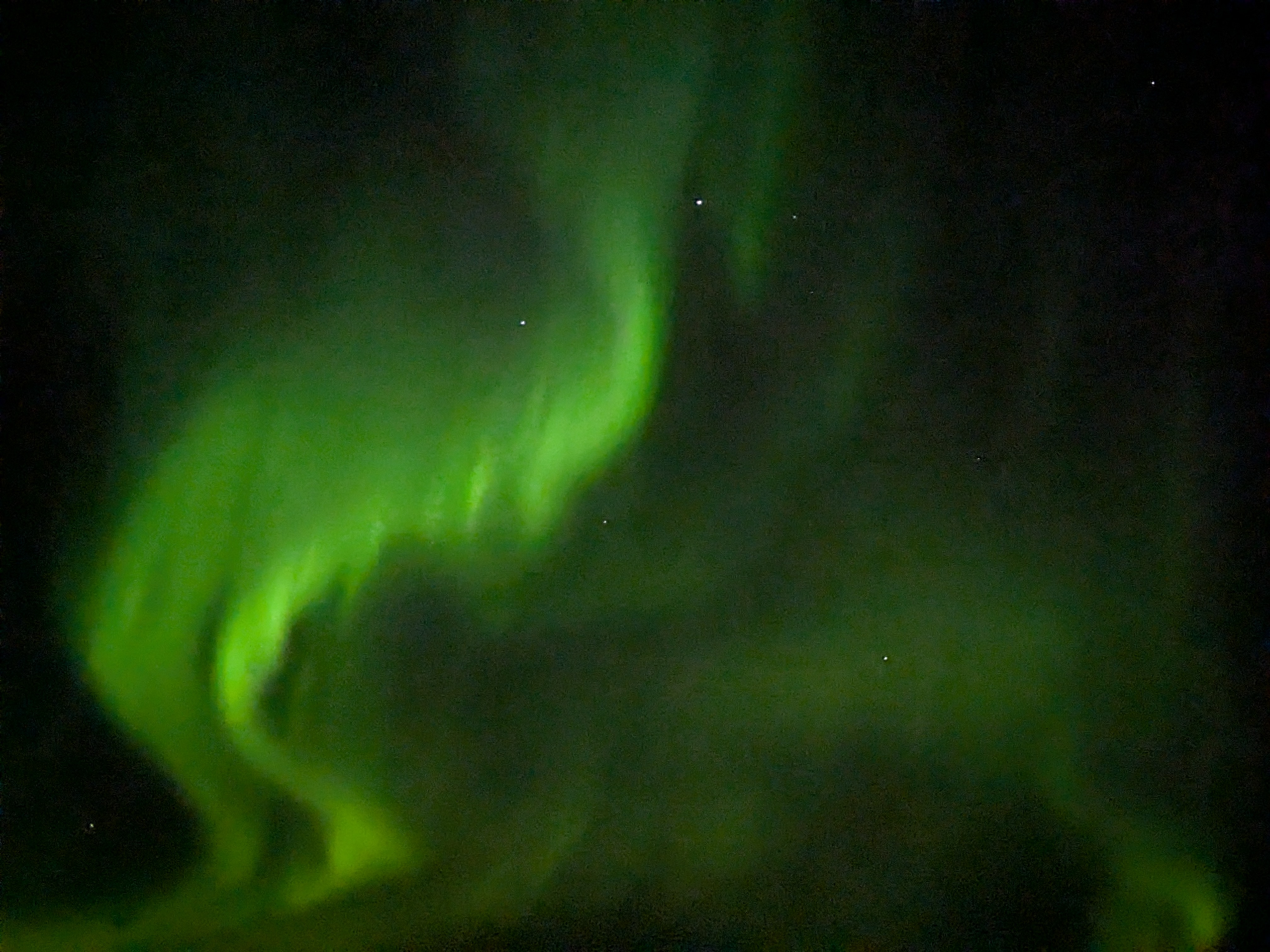
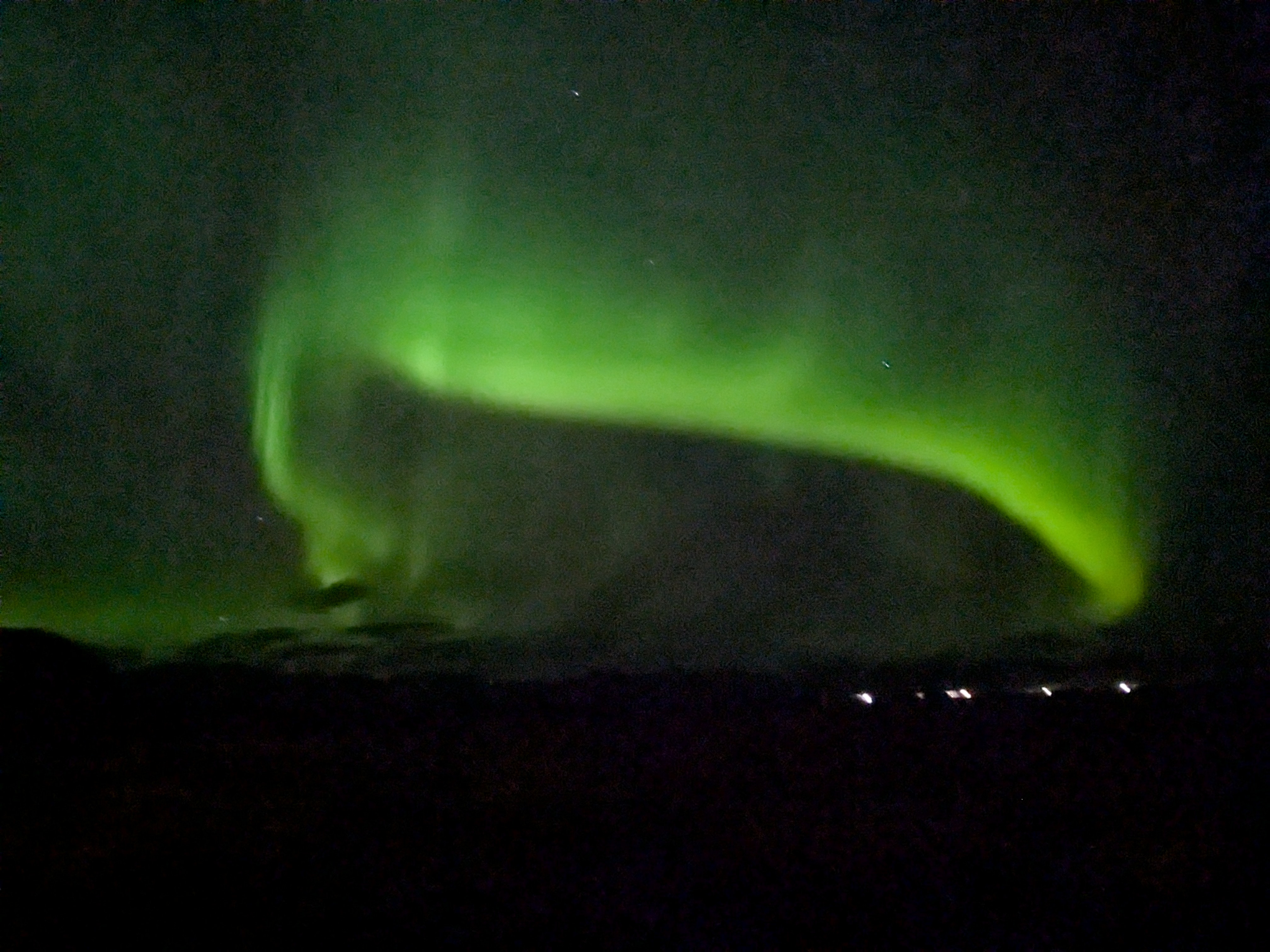
Lapland is a good place to spot Aurora. Solar activity has its cycles and each lasts about 11 years. 2025 was the peak in the current Solar Cycle (Solar Cycle 25 from 2019 to 2030). The sun has started the descending phase of the Solar Cycle, but remains relatively strong. The peak of the next Solar Cycle will be mid 2030s, another ten years away. Solar activities are but a factor to spot Aurora. Because the Aurora happens above the stratosphere, a clear sky, or at least some openings in between the clouds, is essential. A clear starry night is a good sign for the aurora chasers.

A good Kp index, 3 or above in the scale of 0 to 9, and a clear night sky are what you need for Aurora in Lapland. We pushed our luck for Aurora by staying in aurora cabins/ice chalets with glass ceilings/windows, at the Wilderness Hotel Inari, just next to a peaceful lake. Aurora can take place any time after dark. We installed the Northern Lights App that gave Aurora alerts so we wouldn’t miss it should it happen in our sleep. The weather was not kind unfortunately. Just when we had our hopes high with sunny skies in the day and a promising Kp index, the sky turned cloudy most evenings and it rained half of the nights. The Northern Lights App gave one medium alert and a weak alert. We caught the sightings of both, not quite the strong display as the one we had in Iceland.

As the locals often say, you don’t find the Aurora; the Aurora finds you.

More on Timeless Lapland: The Saami Culture and and Ancient Fell in upcoming blog.
Leave a comment »

Helsinki, Finland: What makes the World’s Happiest Capital

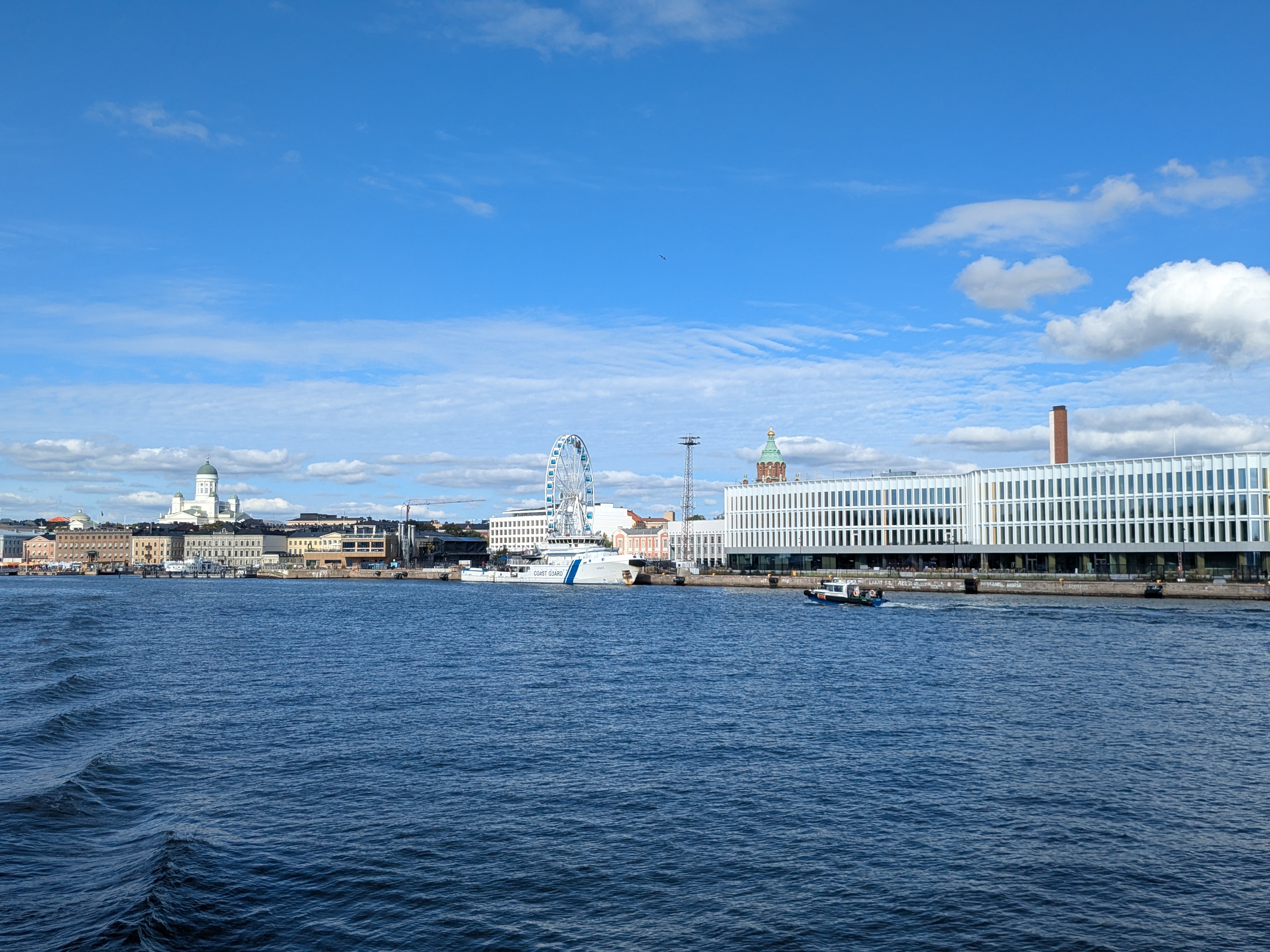
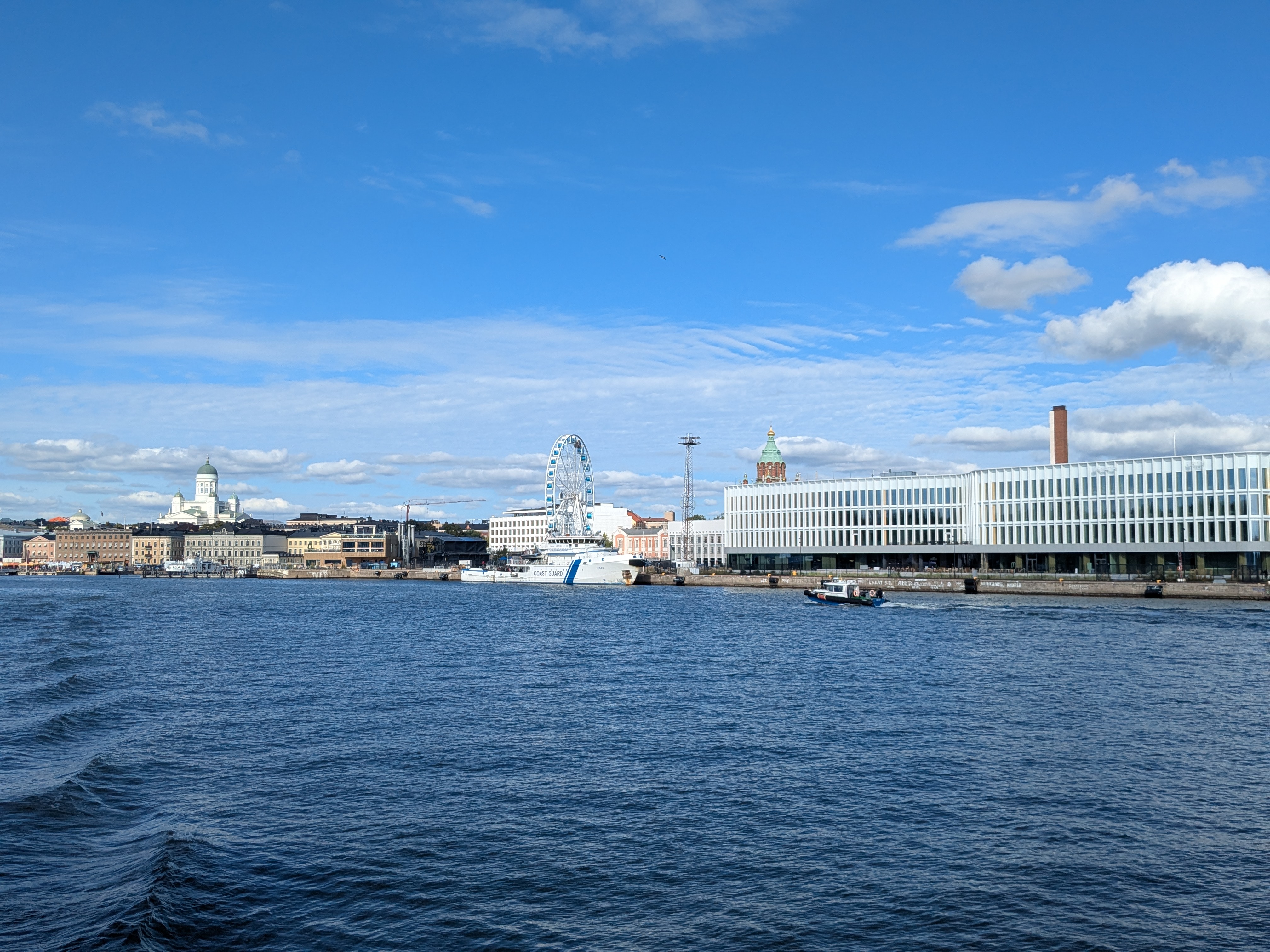
Happiness and Sauna came to mind as we arrived in Helsinki,  the capital of Finland, in good weather. Clean, modern and beautiful, Helsinki, the capital of the world’s happiest country, is easy to like and is a pleasant city to spend time in. We wanted to find out what makes people happy here.

Like many capital cities in Europe, Helsinki is a walkable place and many attractions are within minutes of walking from the Airbnb we stayed at.

On the streets and in parks, strong social connections are on display. People often are in pairs or groups, and they are conversing happily with each other. That goes along with the research that warm relationships are big predictors of long-term happiness and health, outperforming money and fame. Finns speak Finnish among themselves, and they speak English comfortably. The locals mind their own business and left the tourists, like us, alone, but when we asked for directions, they answered with a smile. Their genuine willingness to help others show another strong foundation of happiness. For reasons I do not know, even though Finland has a long border with Russia, they are also less concerned than the Baltic states that we visited later.

Could learning and creating be another source of happiness? Libraries are a good place to find many locals and to discover the culture. The Helsinki Central Library Oodi is unlike many libraries I have visited. It has an aesthetic and modern architectural design. Inside of the multi-storied buildings, it has impressive amenities. There is a cafe inside the library with good soup and affordable prices. On different floors, there are spaces and equipment that enable people to come here to work together or on their own: design something, build a product, create arts and crafts of many kinds. Book lovers can easily spare a couple of hours reading or simply relaxing. Oodi represents what a library in a capital city can be: creating a sense of community, cultivating creativity, and enabling citizens to learn, to design and to have fun.

University is another good place to find the younger generations. We made a quick stop at the University of Helsinki and enjoyed the coffee break at the “Think Corner”. It is not a typical tourist attraction, but it is such a unique place to feel the innovative spirit.

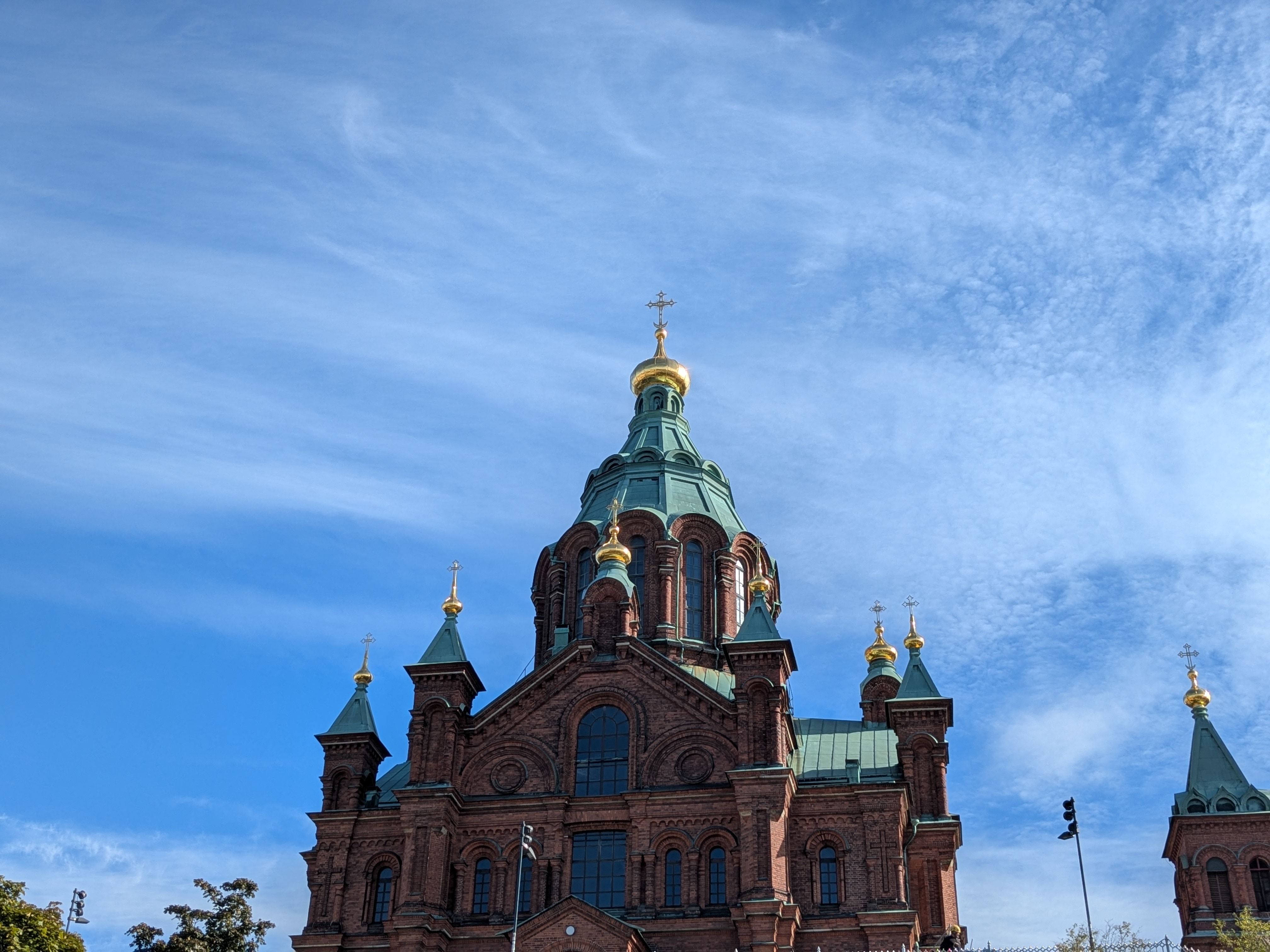
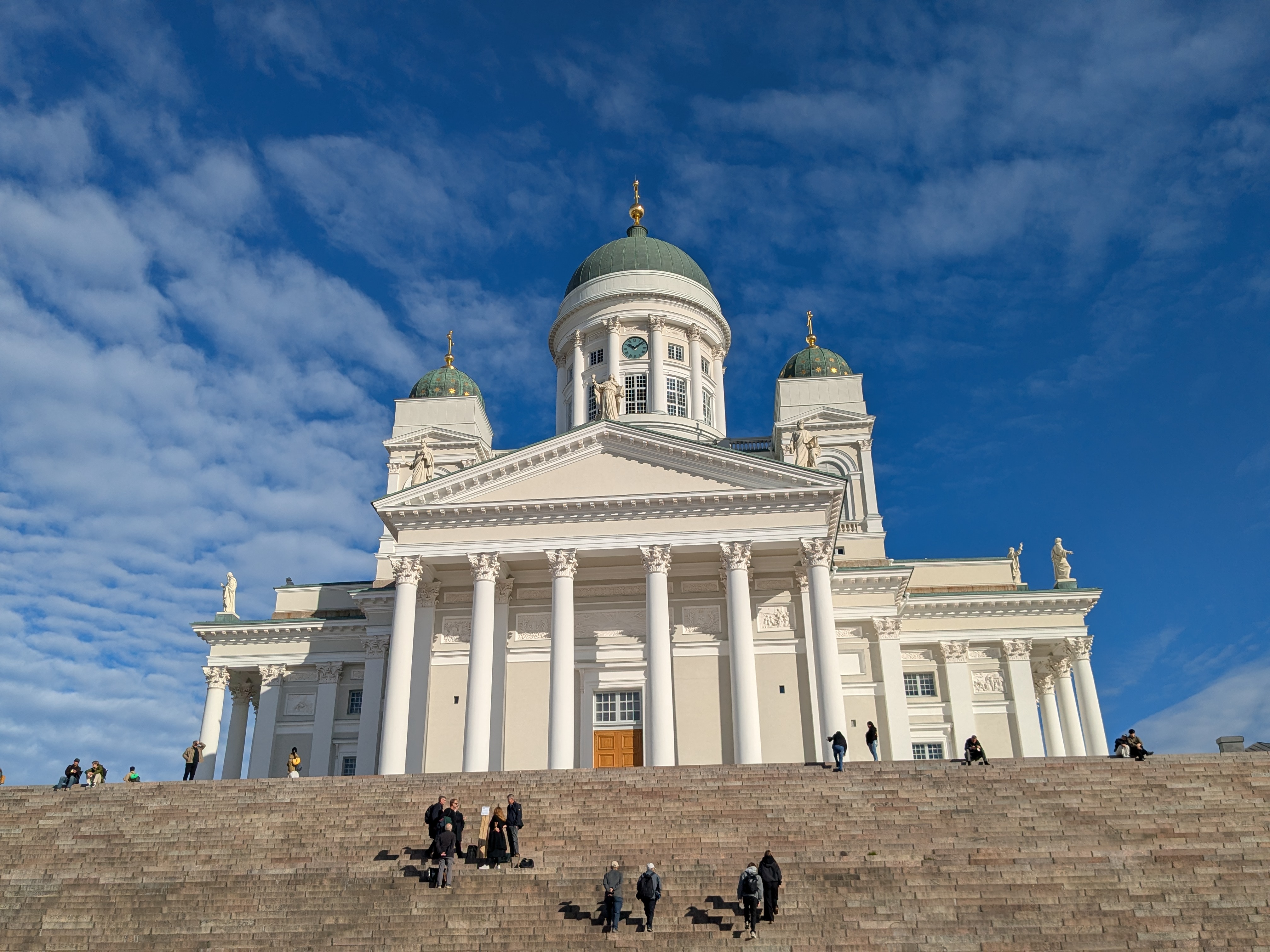
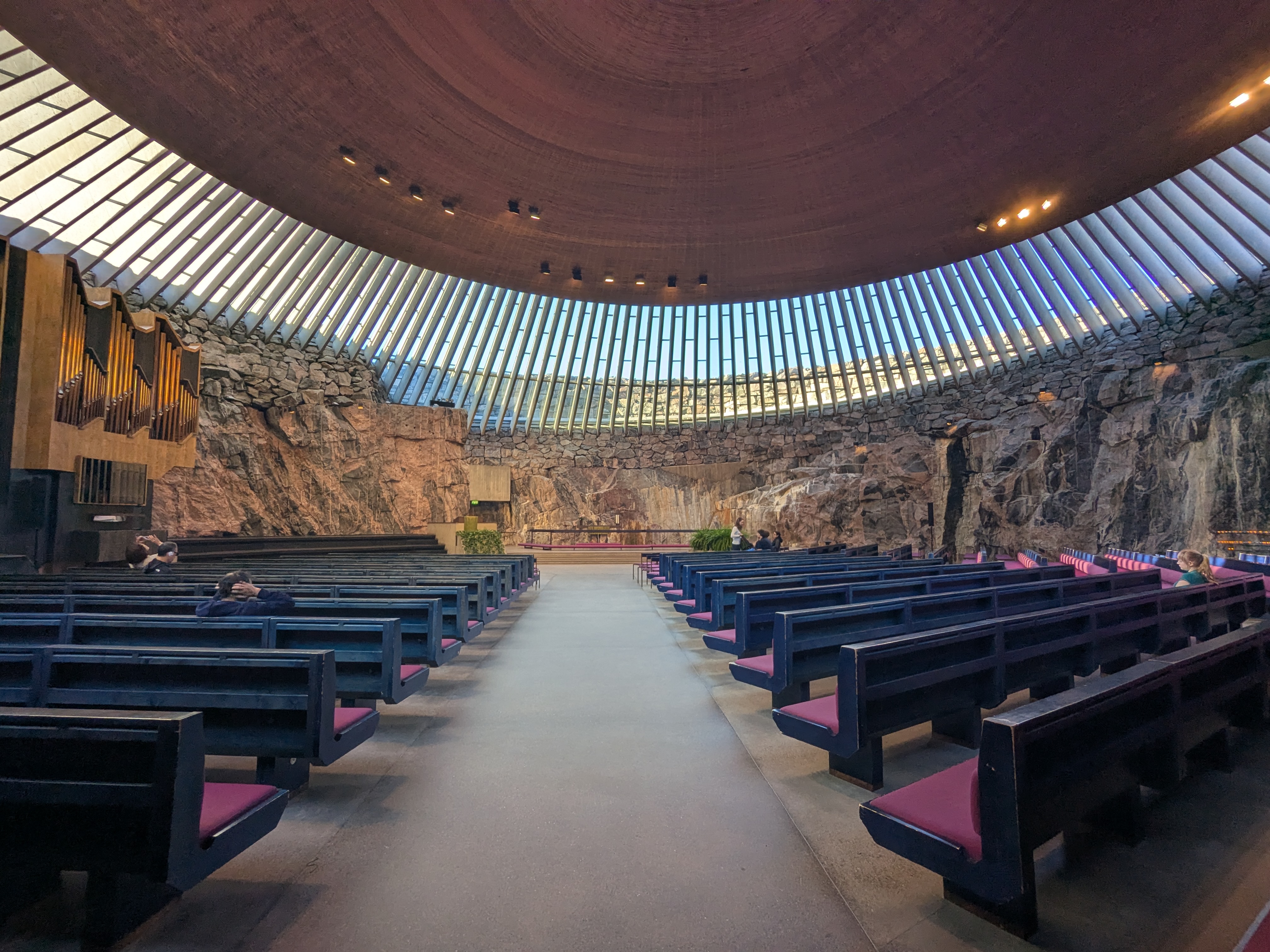
Helsinki has its share of churches: the Helsinki Cathedral, the Uspenski Orthodox Church and the unique Rock Church on a rock.  And the Suomenlinna fortress reminded us of the history of Sweden sovereignty, Russia occupation before becoming the Finland of today.

Helsinki may not have a list of must-see tourist attractions, but there can be no bigger tourist attraction than experiencing what happiness is all about.

More about Finland Sauna, Santa Claus and Arctic Circle in next blog.
Leave a comment »

What people don’t tell you about Iceland: we are what we eat (Part 4)

Iceland has an ample supply of geothermal energy and it is felt in everyday life. Cold tap water is not just potable, it feels clean and pure. I enjoy every sip. There are many places where the tap water is potable, but Iceland makes tap water delicious. Hot tap water smells like sulphur and I have to get used to it. After using the hot water, I like to keep the cold water running for just a bit, to get my drinking water. There are famous hot springs or spas like the Blue Lagoon. They are expensive, and one only goes there for an experience. Locals go to public swimming pools. The public swimming pool has clean, treated freshwater heated by natural geothermal energy. In addition to lap pools, there are hot tubs and cold tubs. They are very affordable. We went to one public swimming pool one morning, and greatly enjoyed it. We highly recommend it if you have two hours or so to spare and want to live like the  locals.

I will remember Icelandic food for a very long time.

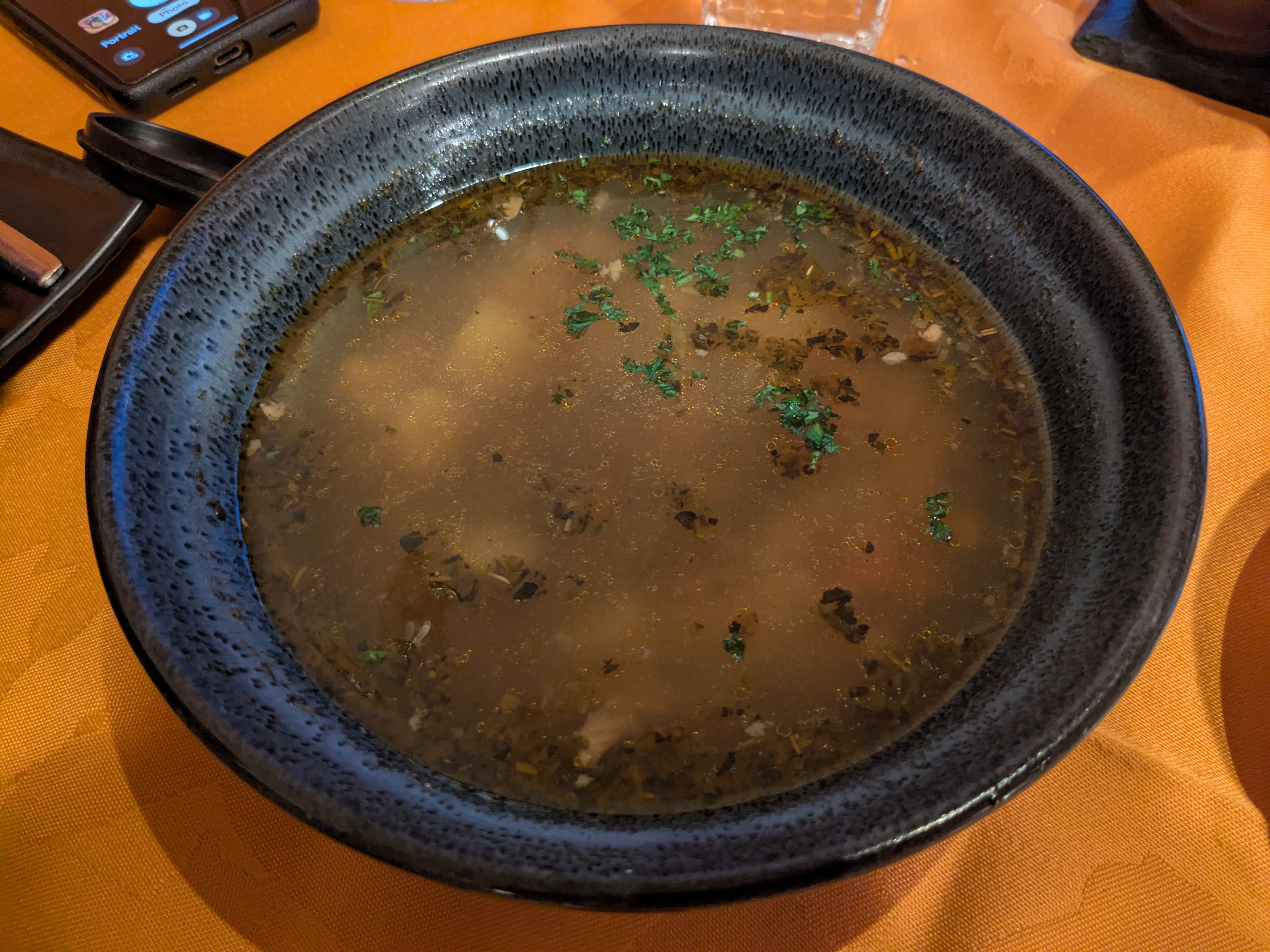
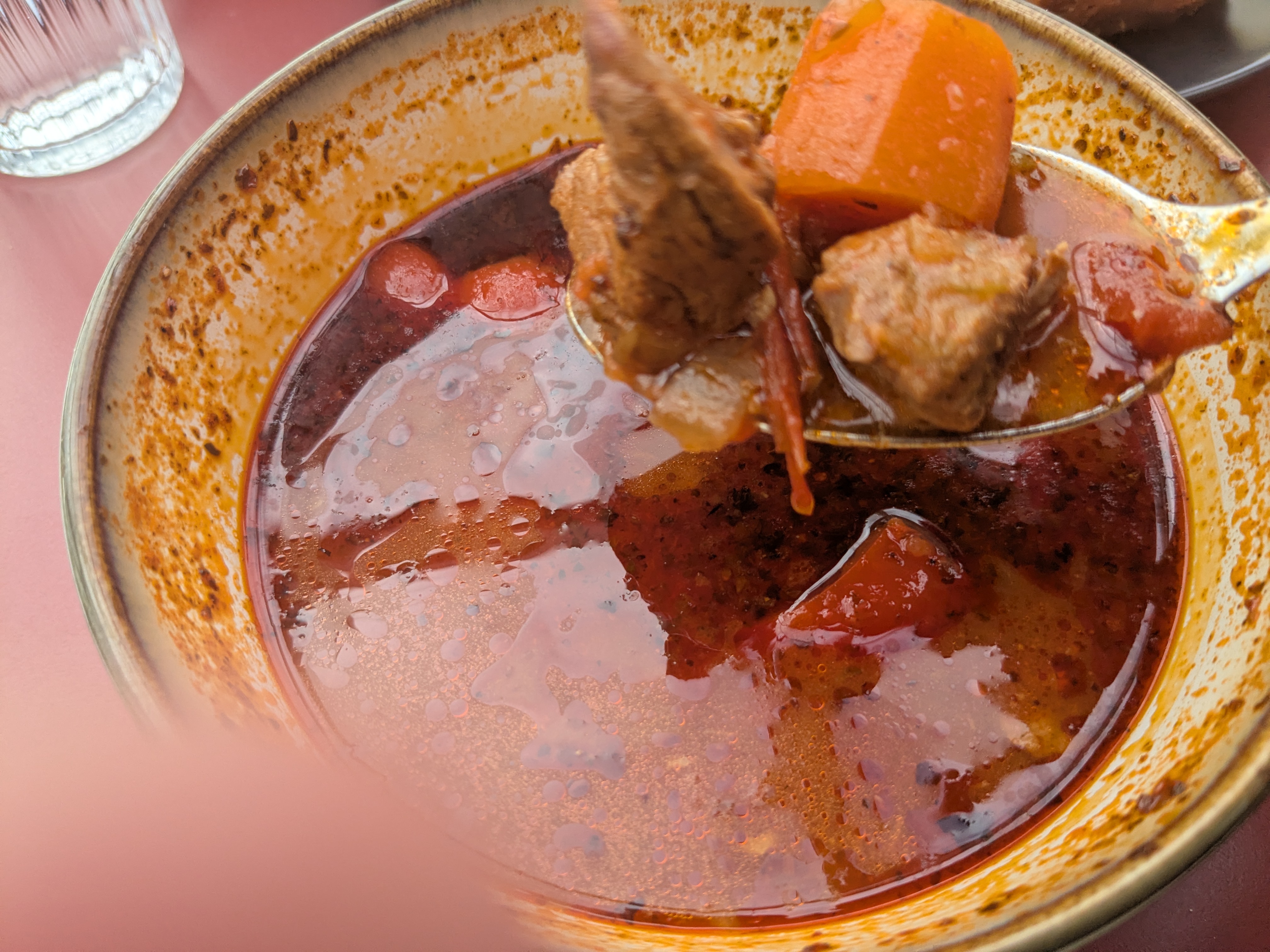
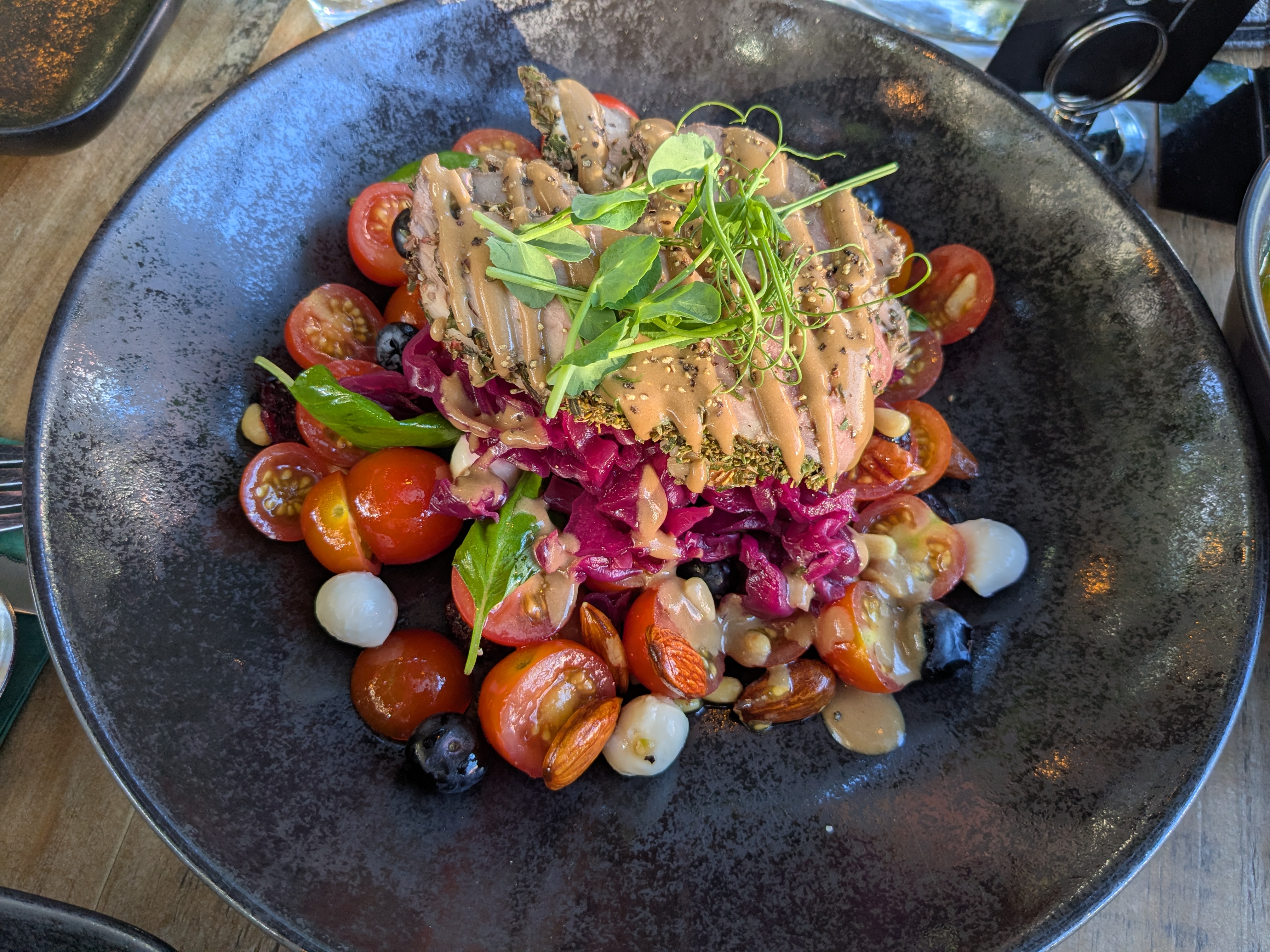
You don’t even need to like eating lamb to enjoy the lamb soup or lamb dishes. I am not much of a lamb person and I became one in Iceland.  I had the best lamb soup after the Thrihnukagigur (inside the volcano) Tour and the best lamb steak at Reykjavik. In a way, it is a reminder of how food intake affects our body. Icelandic sheep are free to roam and graze on wild mountain vegetation. The bigger sheep often looks like one that needs shearing. The lady, who served us the lamp soup, is familiar with the sheep lifecycle, and takes pride that the farmers do not feed the sheep with grains or corn.
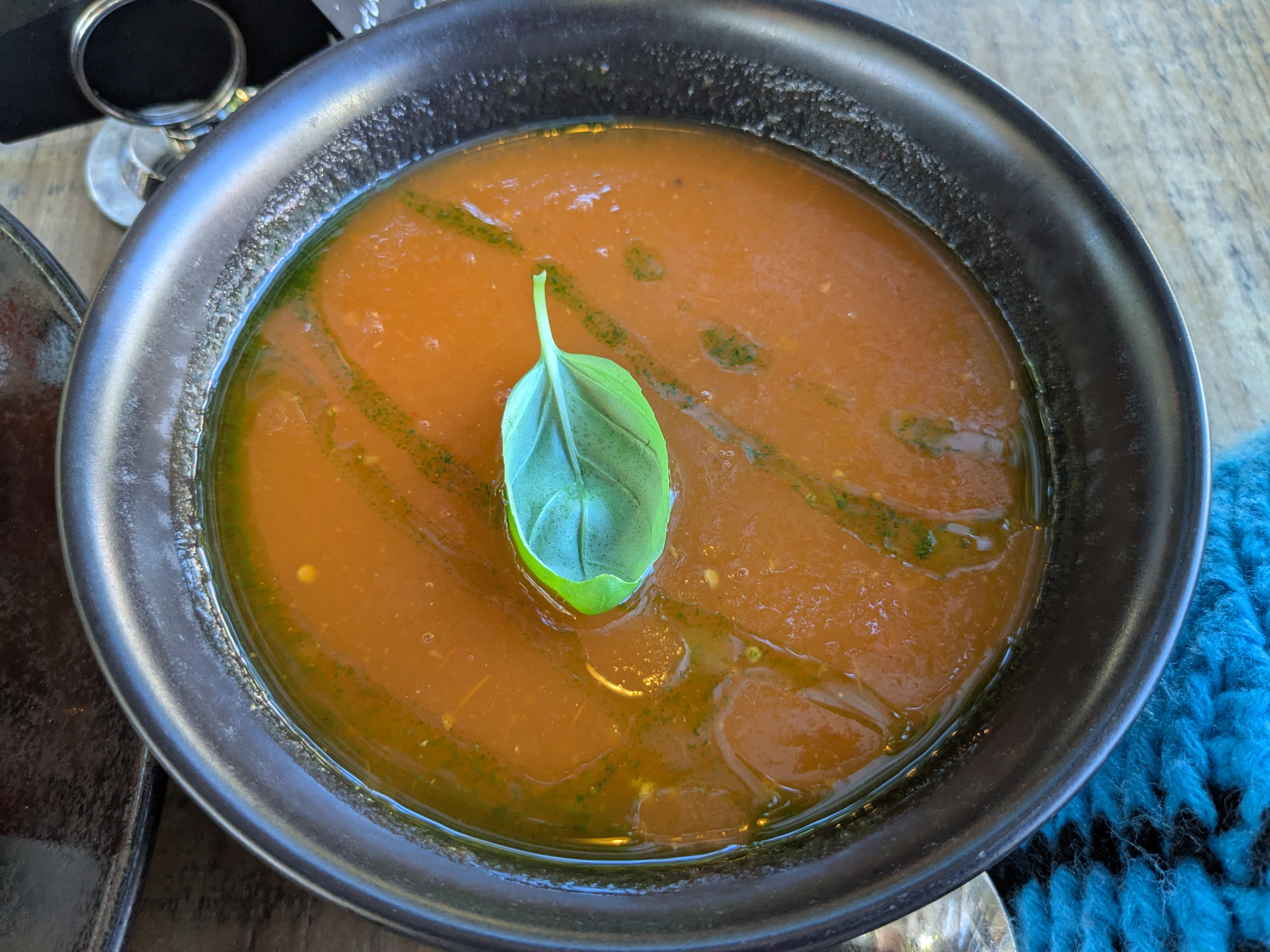
Short summer months and its volcanic soil makes it hard for Iceland to have grains and many other vegetables. Tomato is an exception where Icelanders have aced producing many of them in indoor tomato farms. It is surreal to see how the little soil can produce a tomato shrub that grows to over ten feet.  These tomatoes make such fresh and tasty tomato soup. Tomatoes become the vegetable we consume the most as snacks on our road trips.  They are really good.

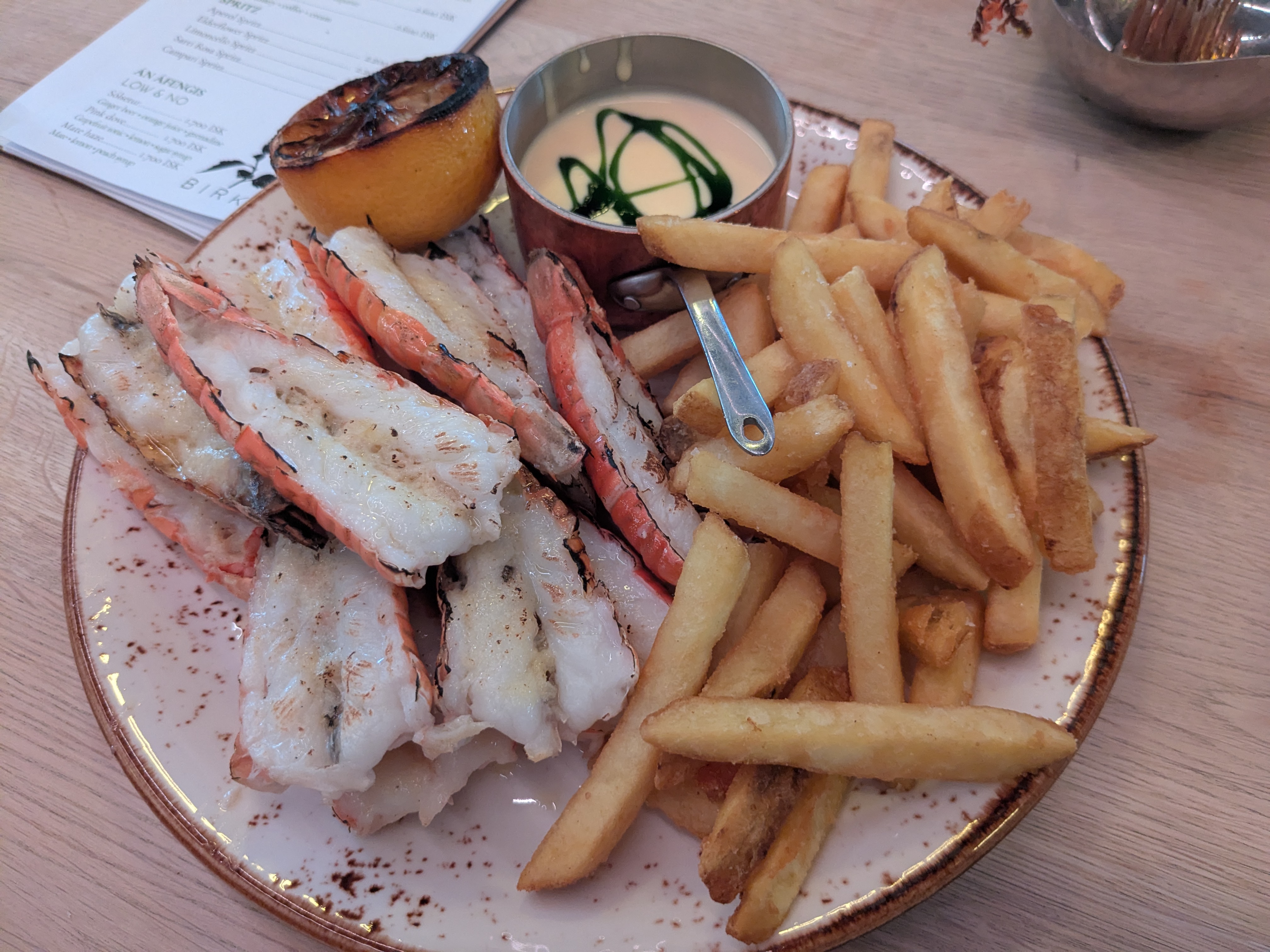
Being surrounded by the ocean, Iceland is largely self-sustaining in its animal-based food. Its lamb tastes great. Its fish tastes fresh. It has its smaller version of Lobster (Langoustines).

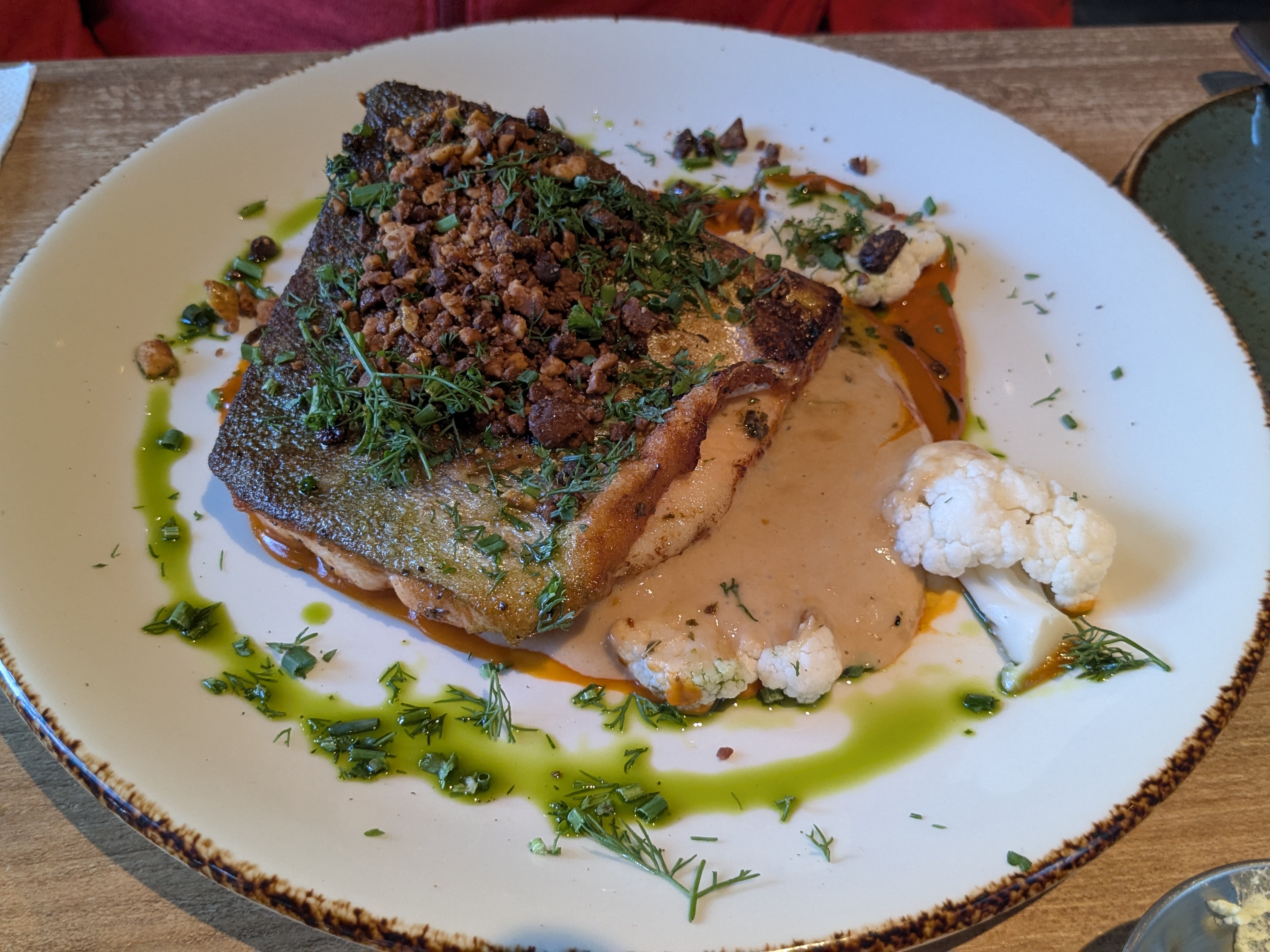
Langoustine, salmon, trout and cod all make healthy and delicious dishes. My favorite fish goes to the Arctic Charr. This fish is not often served in other places, but its texture and tastes are really unlike anything else. It is fish but it does not have all the things that make people dislike eating fish.

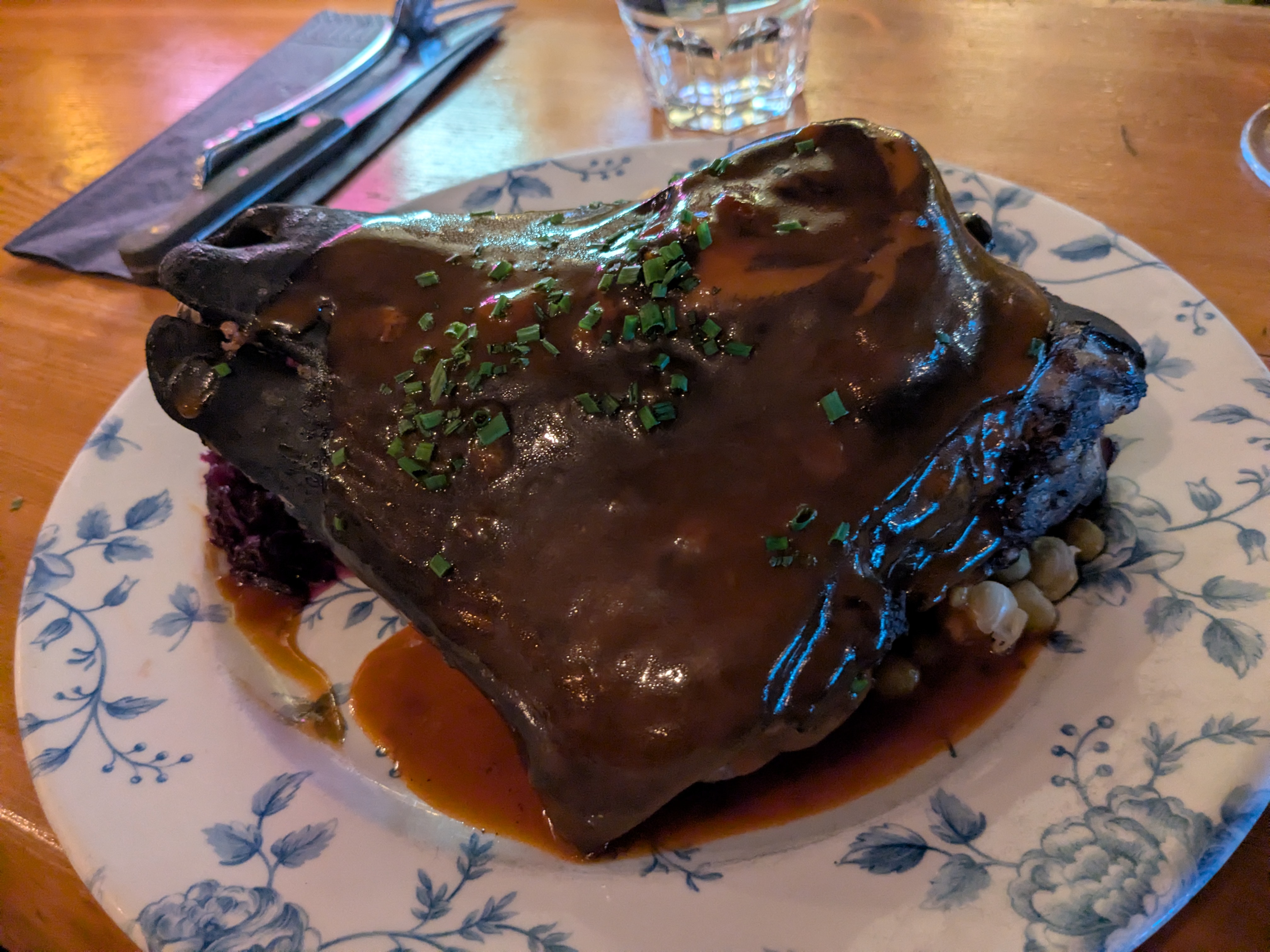
If you’re eager to check off local culinary bucket-list items, puffins and sheep’s head are worth trying though they didn’t make our “repeat” list. They are not served in many restaurants either.  As for the smelly fermented shark (hákarl), watching the visible shock on neighboring diners’ faces was all the convincing we needed to pass. We have tried shark meat in other places, and learned later that the sharks around Iceland are poisonous, and need the special fermentation process to make them edible.

The true culinary stars of Iceland go to the Arctic Charr, the Icelandic Lamb and the Tomato soup. The snack stars go to the Icelandic yogurt Skyr and the Icelandic chocolates. They are the standouts that I happily return to again and again.

Leave a comment »

What people don’t tell you about Iceland (Part 3)

Iceland is not part of the EU. It keeps its own currency, ISK, and has its own Icelandic language. The Icelandic language is made up of words of many letters. We gave up remembering the name of places fairly quickly.

As an island in the North Atlantic Ocean, Iceland has a very high cost of import and export. There are quite a few essentials that Iceland is largely self-sustaining: energy such as electricity and heating from its hydro and geothermal energy, basic animal-based foods, delicious tomatoes produced in in-door tomato farms. There is still a long list of imports. For example, its subarctic climate and short summer growing window makes it very challenging to farm large-scale grain crops, so it has to import 99% of the grain. Take the shy, furry and lovely Icelandic sheep, it is more economically viable to slaughter most of them than importing the grains to feed them during the winter months. While the Icelandic sheep can live up to 14 years, their typical lifecycle is far far shorter. The traditional lifecycle of Icelandic sheep consists of lambs being born indoors in May, roaming completely free on their own to graze on wild mountain vegetation all summer, and being rounded up for slaughter at their peak weight around September.  Its life span has been shortened from 14 years to less than a year. It is brutal. At the same time, just because these Icelandic sheep do not feed on corn or grains, their meat tastes much more delicious than any other lamb that I have had everywhere else.

Iceland is also known for “it is not just cold but expensive”. Its gasoline is about 4 times of US gasoline rates. Restaurant dinners are easily well over $100 for 2. I wanted to ask Icelanders how they manage such a high cost of living, but it is not easy to meet the locals. With a population density of 4 people/km2 , Iceland has more tourists than locals. In comparison, New York has over 11,000 people/km2 and highly concentrated urban districts in Hong Kong easily exceed 40,000 people/km2. The majority of the tour guides and restaurant servers we ran into are from other countries such as Ireland, UK. While the majority of Icelanders speak English fluently, finding them on the street takes some luck. Finally we met some Icelanders in the Hlemmur food mall that locals also dine at. From the conversations with them, we learned that the education, including college education, is mostly free, the covered health plan is of high quality, and the housing is affordable (we also found our airbnb daily rate is compatible with many other European places). While dining out is expensive, the grocery markets and home cooking offer more affordable alternatives.

Parking fee is ~$8 USD (1000+ ISK) for every attraction, large or small. There is no escape. You will be charged a penalty if you don’t pay for it.  Some public WCs have a turnstile and cost ~$3 USD (300 ISK). As much as this takes some getting used to, I find the underlying principle of “whoever uses it, pays for it” to be fair and efficient.

Long after the conversations with the locals, it keeps coming back in my mind that Iceland has a better way where the government covers the most essential aspects of life: health, housing and education. In doing so, it gives everyone a fairer chance to define their lives. I keep wondering when the US will do the same.

Leave a comment »

What people don’t tell you about Iceland (Part 2)

Many think of Iceland as one of the coldest countries. Coastal Iceland has a more moderate climate than most think. Michigan has colder winters. Toronto and New York have similar winter temperatures. In Iceland, the weather forecast for the next hour comes across as more misses than hits. You can experience four seasons in one day. With far fewer man-made structures, there is nowhere to hide from weather. Its unbelievable geology, together with the unpredictable weather, the biting-winds, the persistent rain and the cold, it is the place to feel the raw power of nature and its beauty first hand.

There is no need to rough it to endure without modern gears. High quality wind breakers and rain gears will keep you warm and dry. That, together with the high quality hiking gears, are what you need to enjoy Iceland. Many times in my two weeks, when I look around to find what people wear, they all wear hiking shoes. Hiker or not, a pair of comfortable and sturdy hiking shoes are a must in Iceland.

With the weather and the geology, Iceland is arguably the only place we paid more for the car insurance than the rental car alone. It was expensive. It was worth it, not only for the peace of mind, but for what can possibly happen. These protections are either sold as a bundle or as separate add-on.  We purchased the full bundle. There are some special  protections that are not commonly heard of. Fortunately our rental car did not run into any that needed the protection.

  • Grave protection covers damage to headlights and the windshield/body from rocks kicked up on unpaved or gravel paths. There are rocks almost everywhere, with the gusty winds and your car, the loose rocks can create damages.
  • Sand and Ash Protection covers catastrophic paint, glass, and body damage caused by volcanic sand and ash storms.
  • Door insurance covers damage when gale-force winds catch and bend or snap car doors. We ran into gusty winds exceeding 25 miles/hr during the South Coast Drive. Gale force could snap a car door. We were careful before opening the car door in the “gale force”: checked for anything before opening the door that the door could strike if the wind blew it open to the max, then opened the door very slowly.

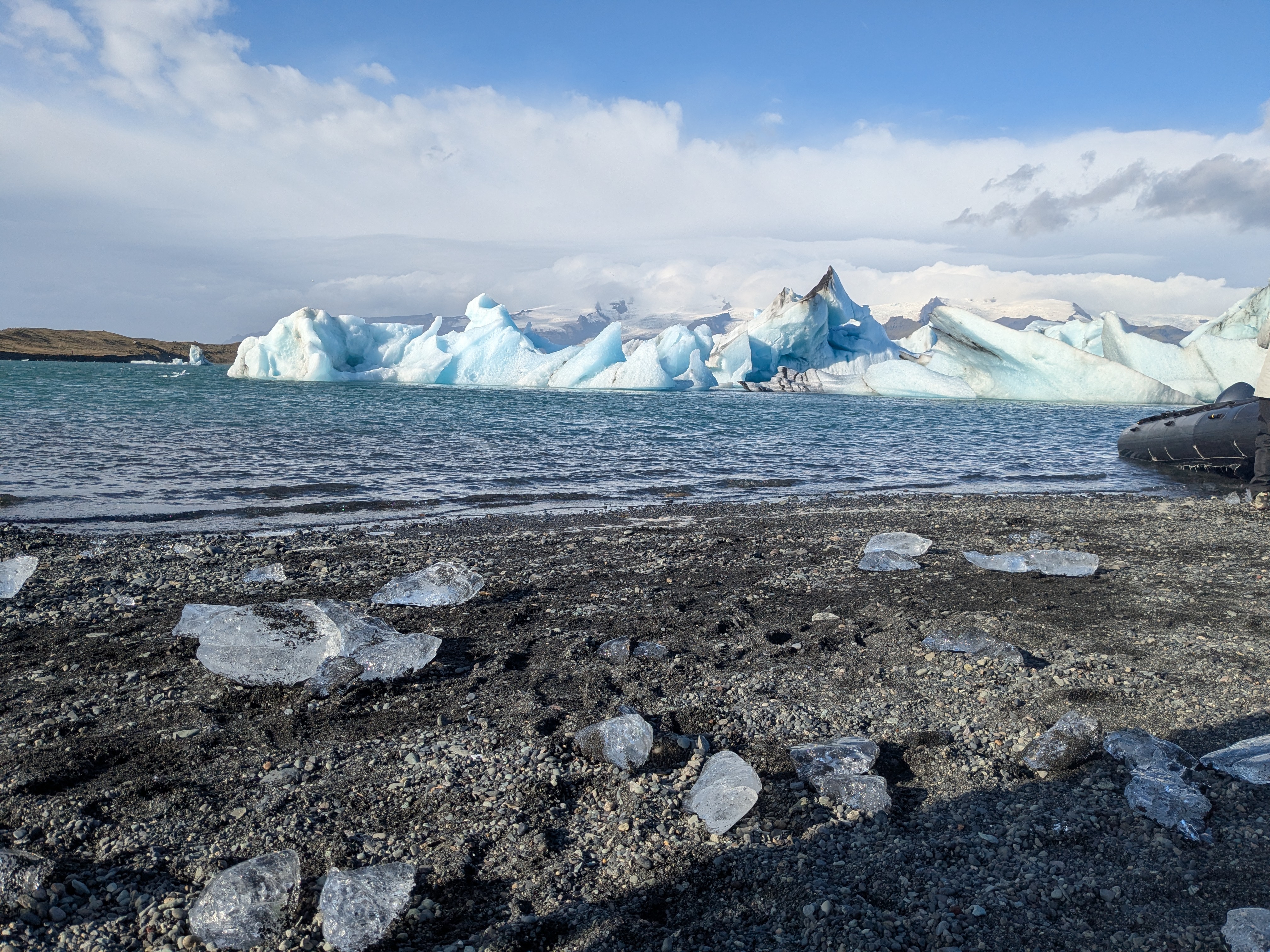
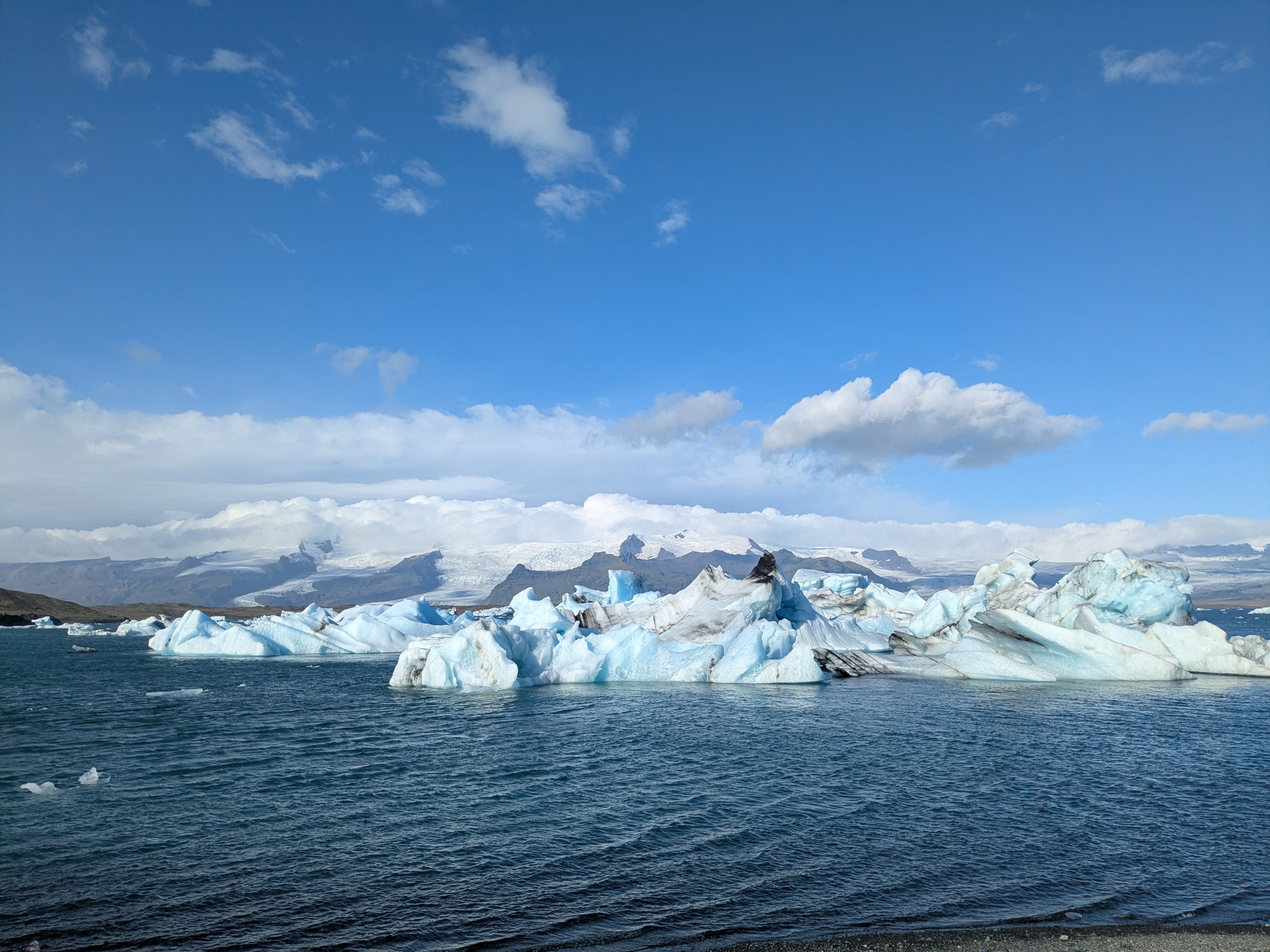
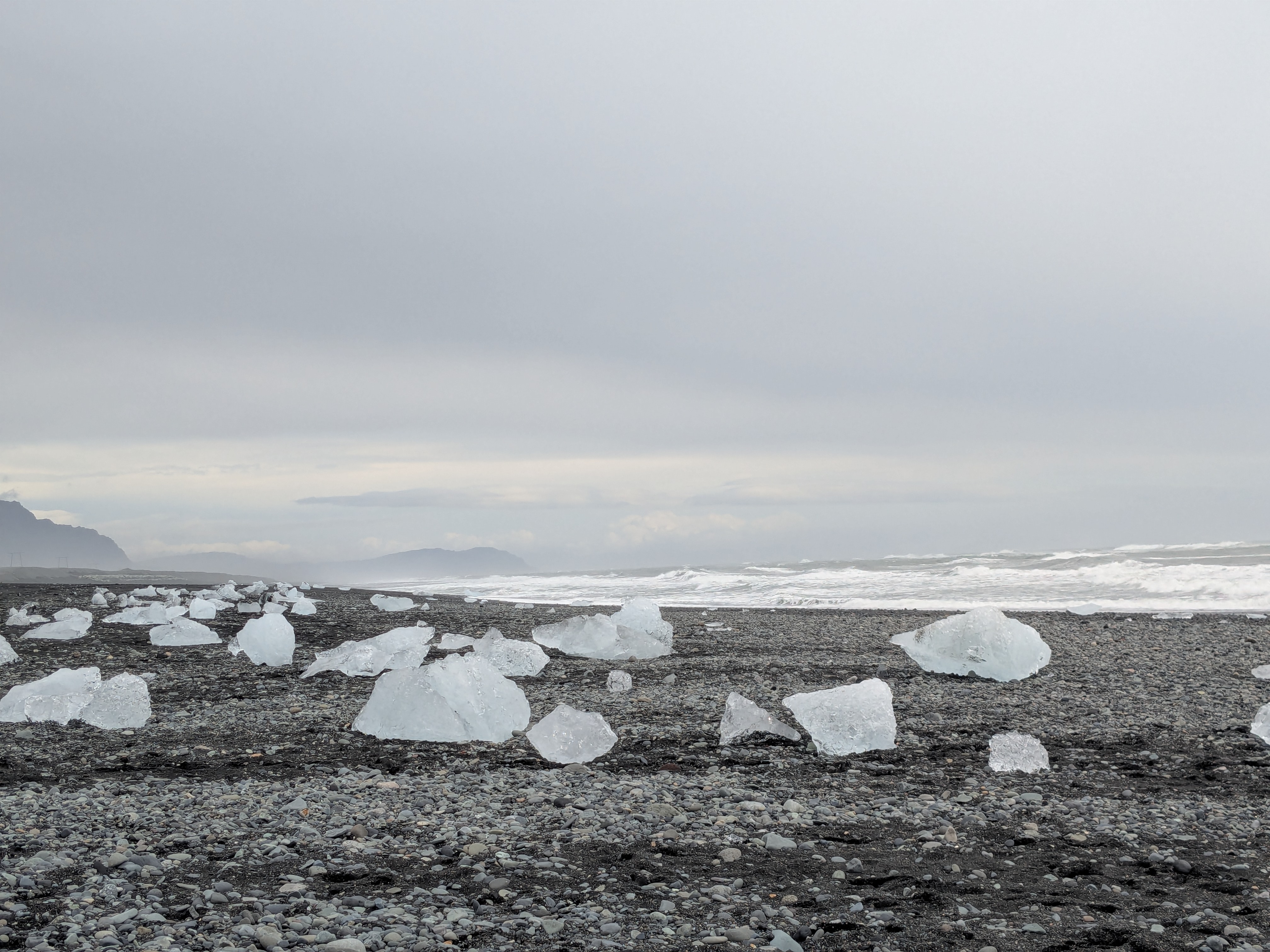
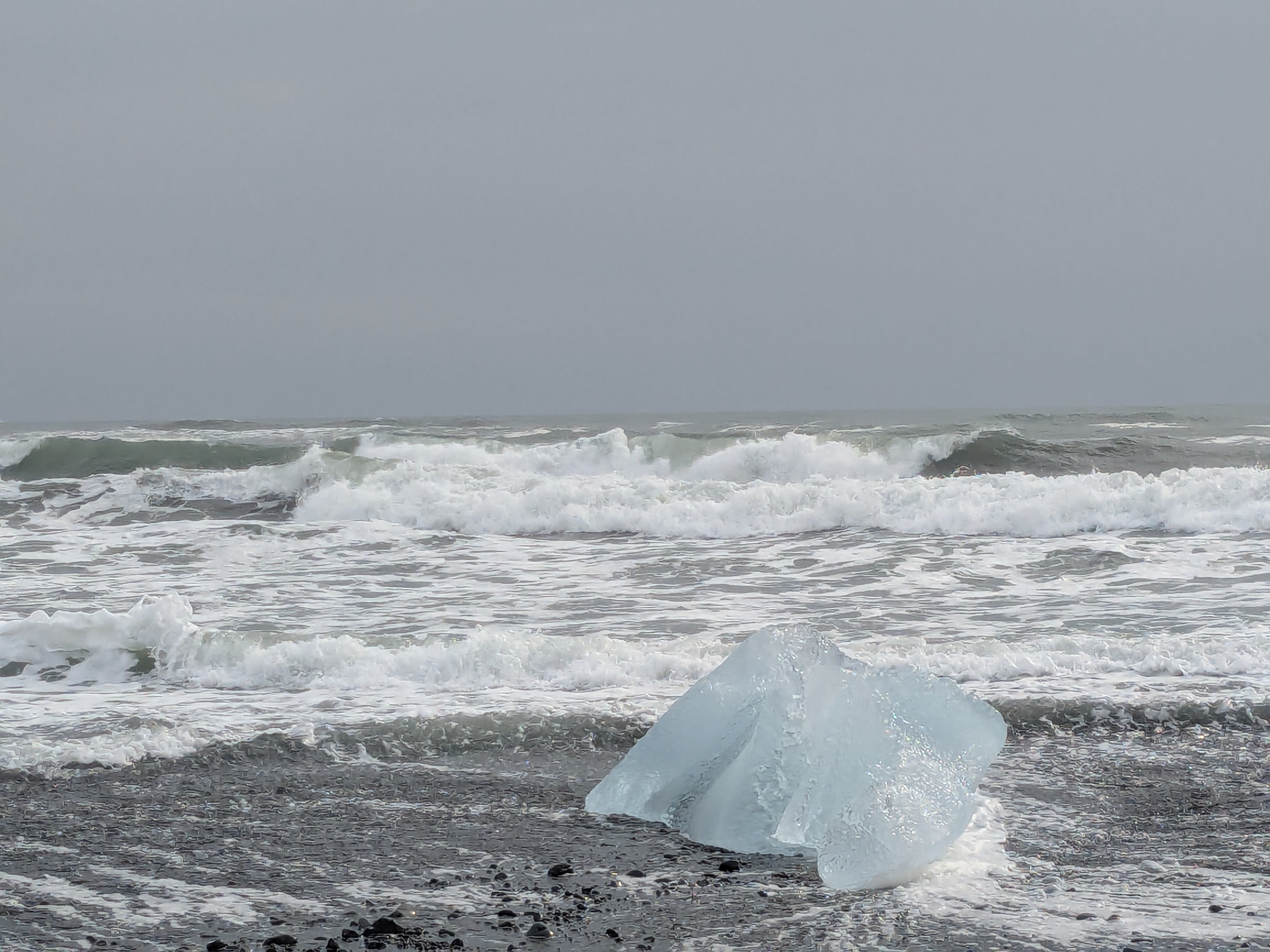
Iceland is a must go for genuine nature lovers. Geologists could even regret not going earlier. I would remember for a very long time to hike in the highlands, to go down the inside of the volcano, the cave. And it is a once-in-a-life experience to stroll on the black sand (lava) Diamond beach, where the glacial lagoon, icebergs and glacier are on one side, crystal-like iceberg cubes washed ashore the beach and the Atlantic ocean waves on the other side.

I am glad I spent two weeks there and got a taste of its weather (to be continued).

Leave a comment »

What people don’t tell you about Iceland (Part 1)

Iceland is memorable in many unique ways. There are so many experiences to share, yet words and pictures alone can never fully capture them. I hope my next few posts will give you a taste of what we discovered—and perhaps inspire you to include some of them in your own journey.

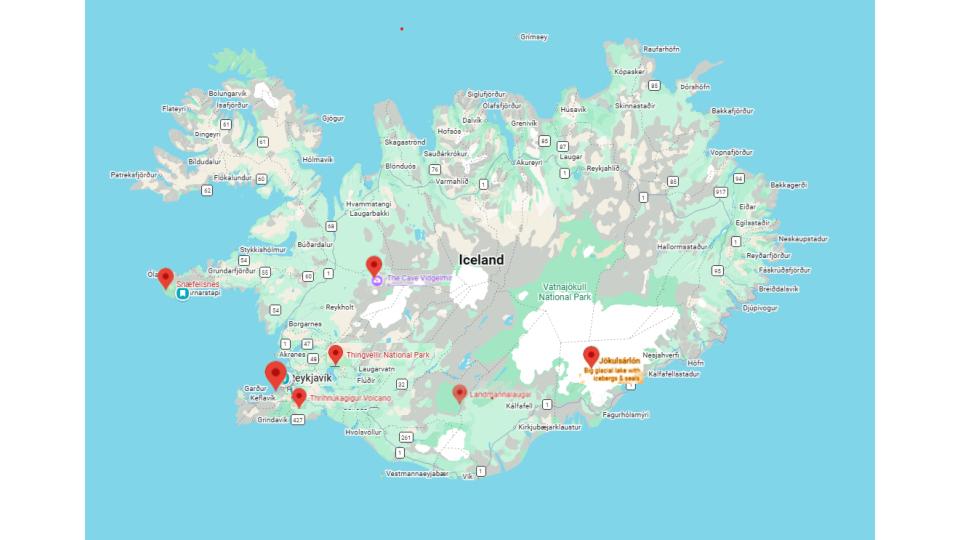
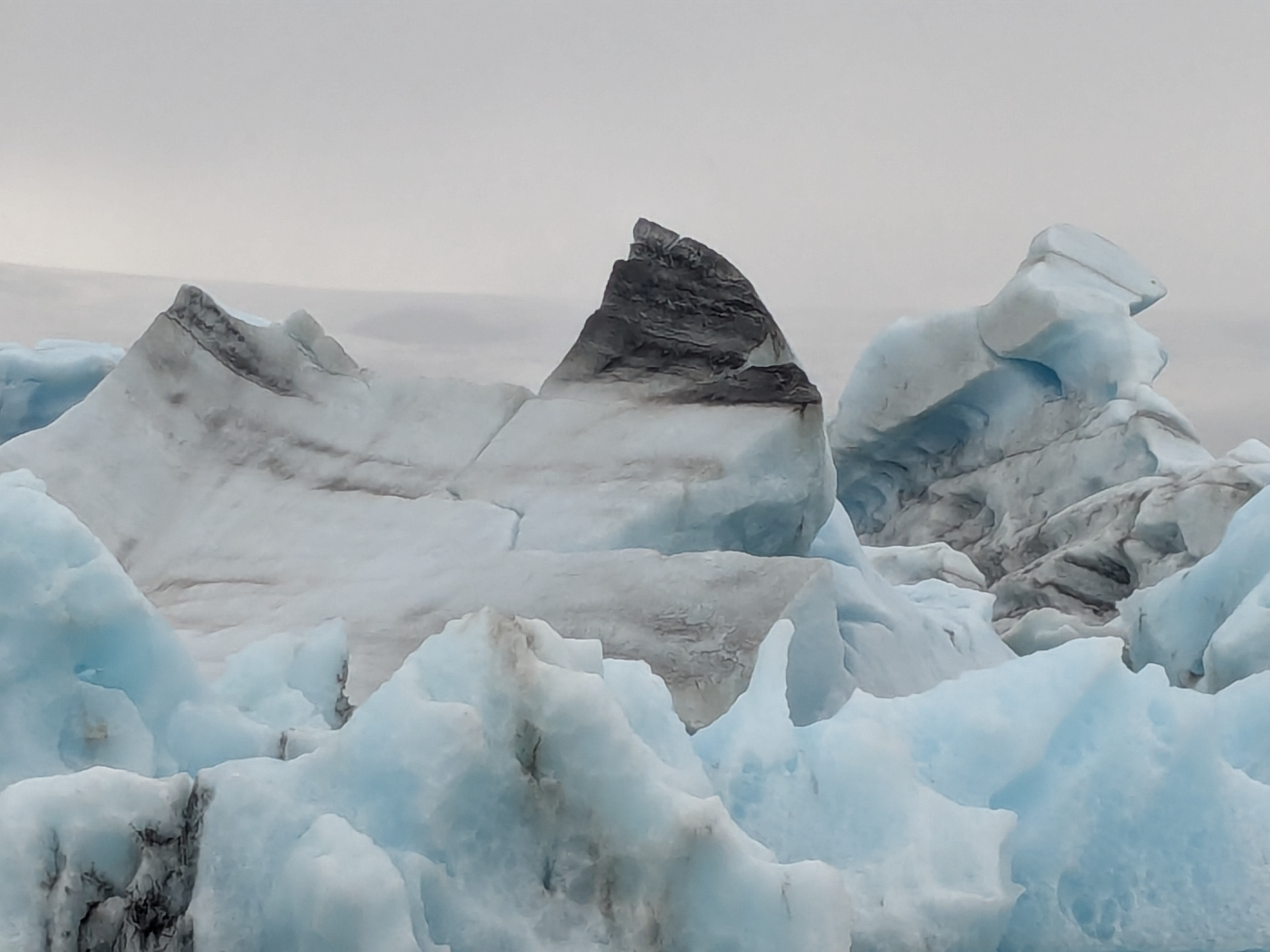
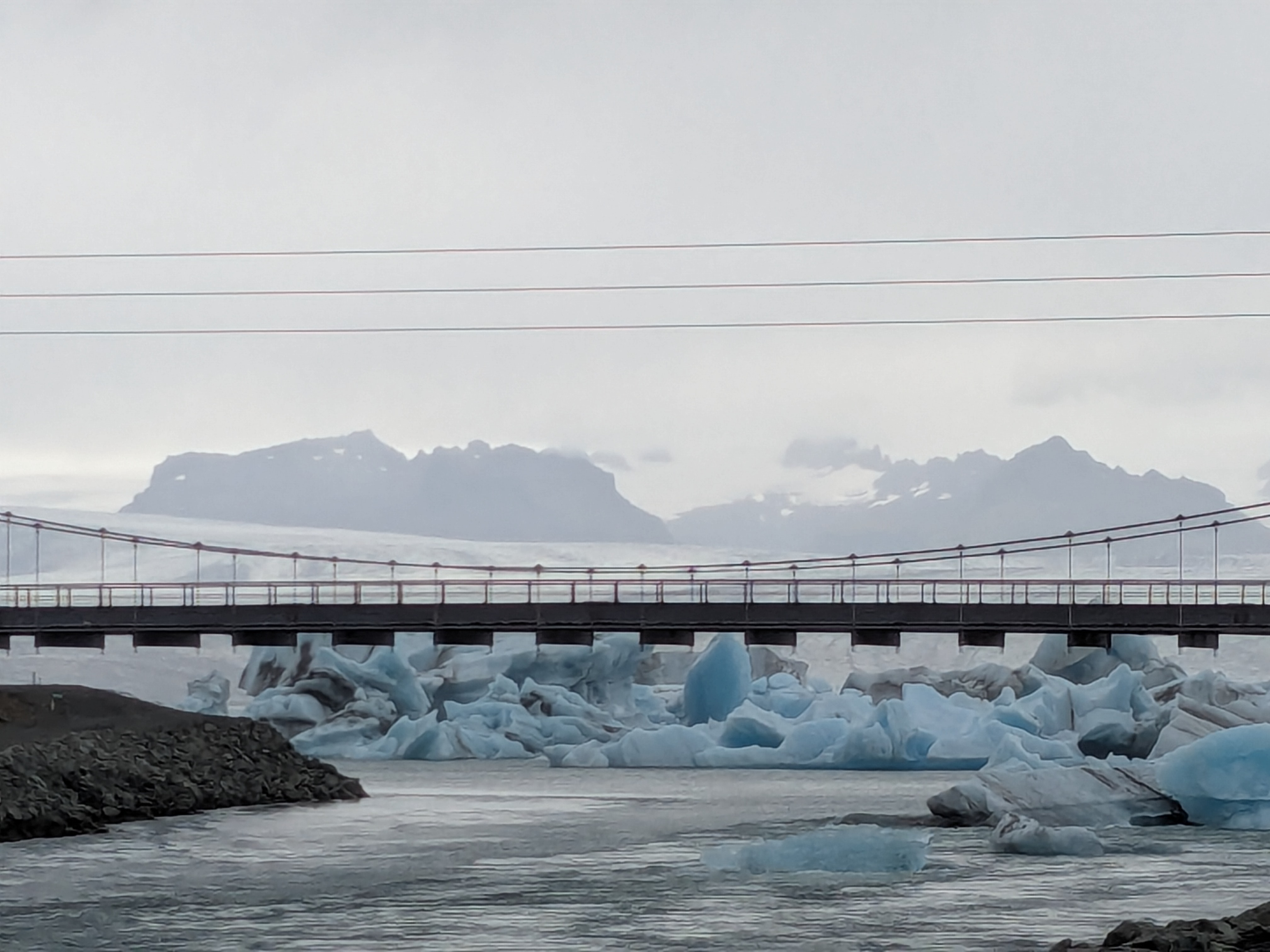
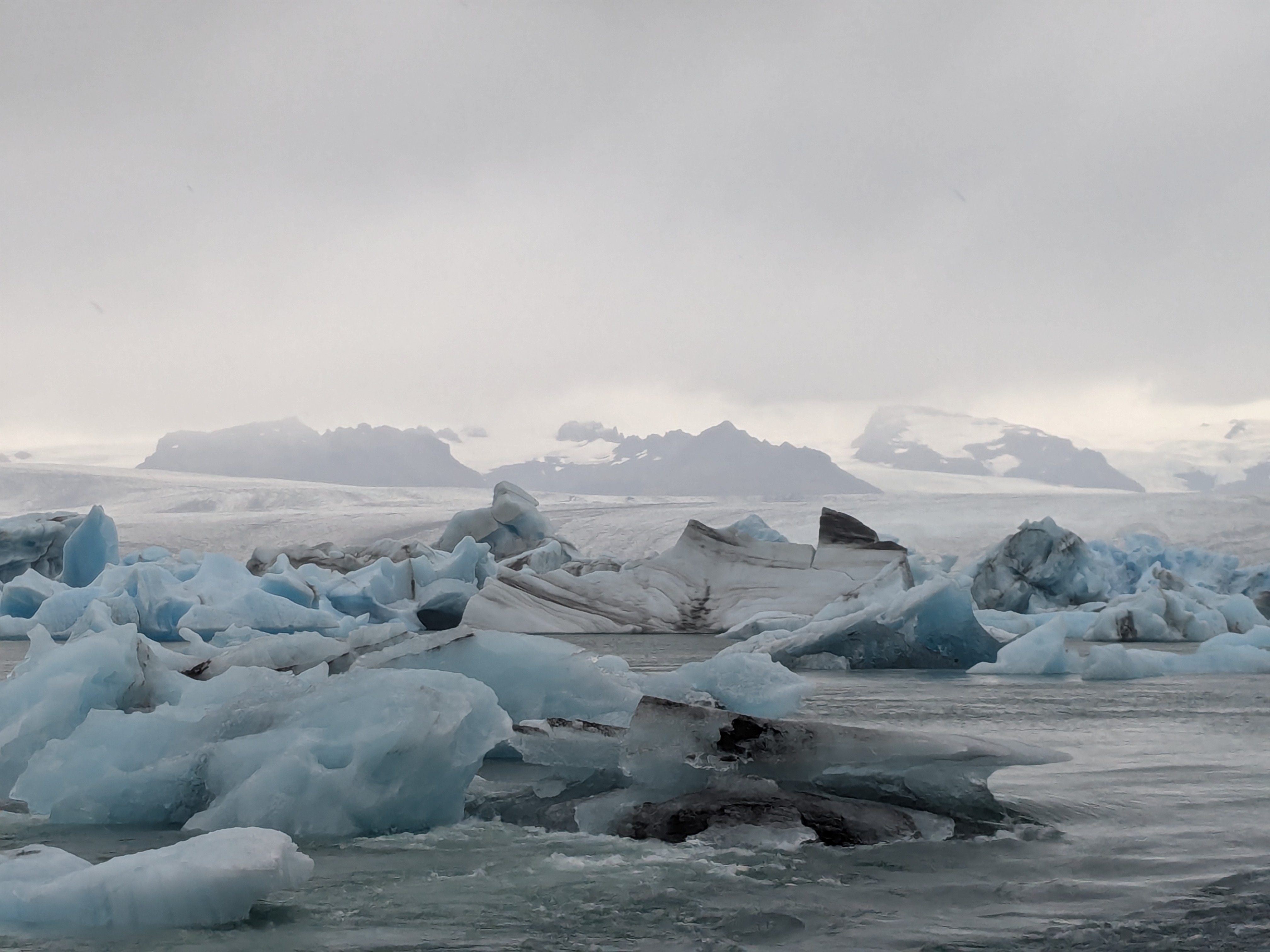
Iceland has among the most diverse geologies, and the most beautiful natural formation. The world-famous Jokulsarlon Glacier Lagoon is otherworldy beautiful. I would never get tired of strolling on the black sand beach, picking up rocks of different colors or touching the freezingly cold glacial ice cubes, like diamonds on black sand. On one side of the Fellsfjara/Diamond Beach, there are glaciers and icebergs floating on the lagoon. On the other side, there is the Atlantic Ocean drumming. Iceland is the place to feel connected with the mighty nature and to feel deeply humbled.

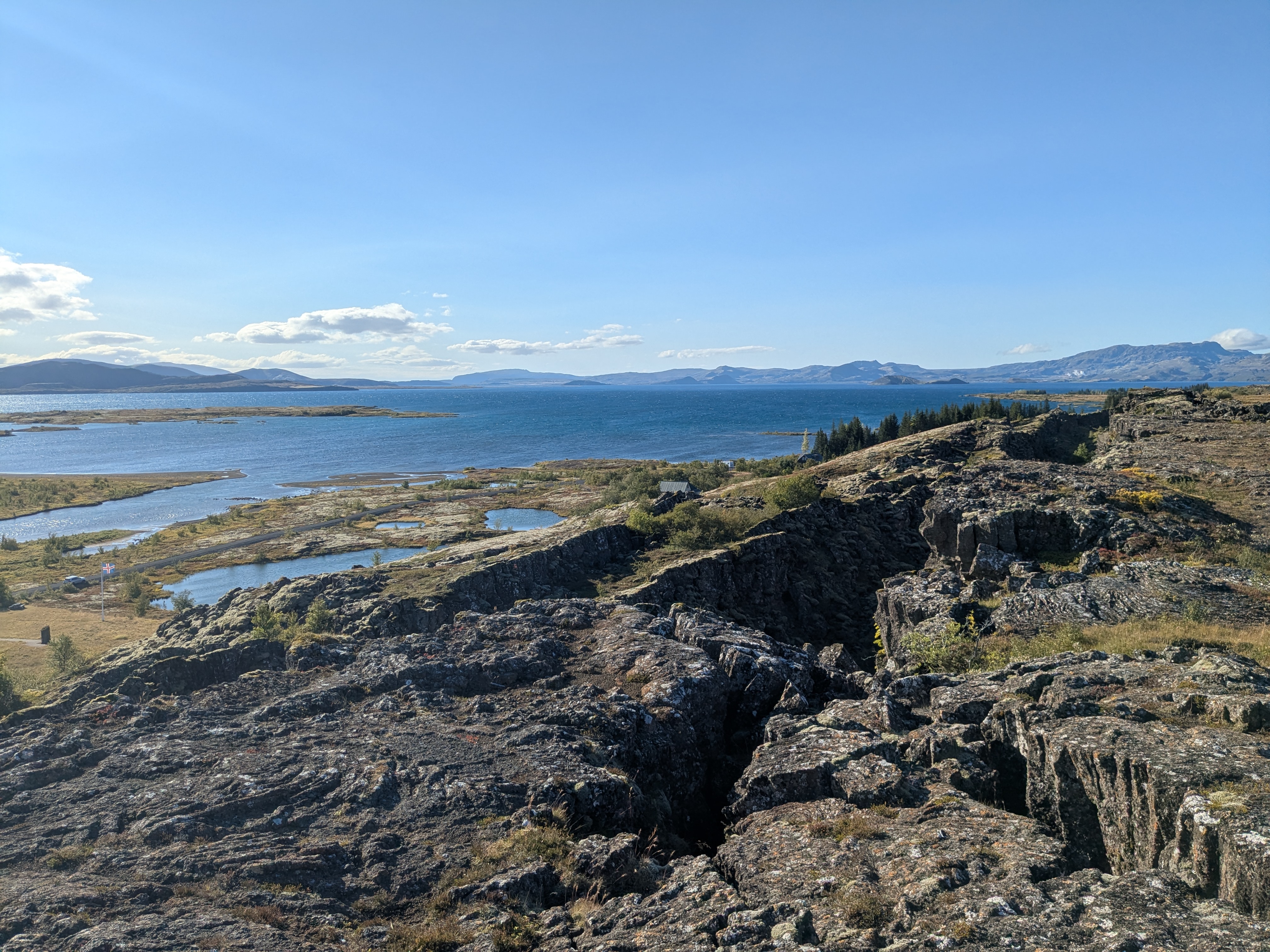
The birth of Iceland was millions of years in the making. Iceland, now an island sitting alone in the North Atlantic Ocean, did not exist before. Hundreds of millions of years ago, there was one big landmass, Pangaea. Pangaea eventually drifted apart to become North America, Europe, and Asia. That actual separation and the creation of Iceland occurred through geological events over many millions years. There was the separation of supercontinent pangea into North America+Greenland tectonic plate and Eurasia. This tectonic rift opened up what is now the North Atlantic Ocean. As the continents drifted apart, a massive volcanic hotspot, a mantle plume, stayed deep beneath the ocean floor right along the rift. Over tens of millions of years, this hotspot spewed out immense amounts of lava. Eventually, so much volcanic rock (lava) piled up that it broke through the ocean’s surface to form the island of Iceland. Iceland was born directly on top of the crack where North America and Europe split. We visited the Þingvellir (Thingvellir) National Park, the only place on Earth where the Mid-Atlantic rift rose completely above sea level. It is surreal to walk directly along the Almannagjá fault of the rift.

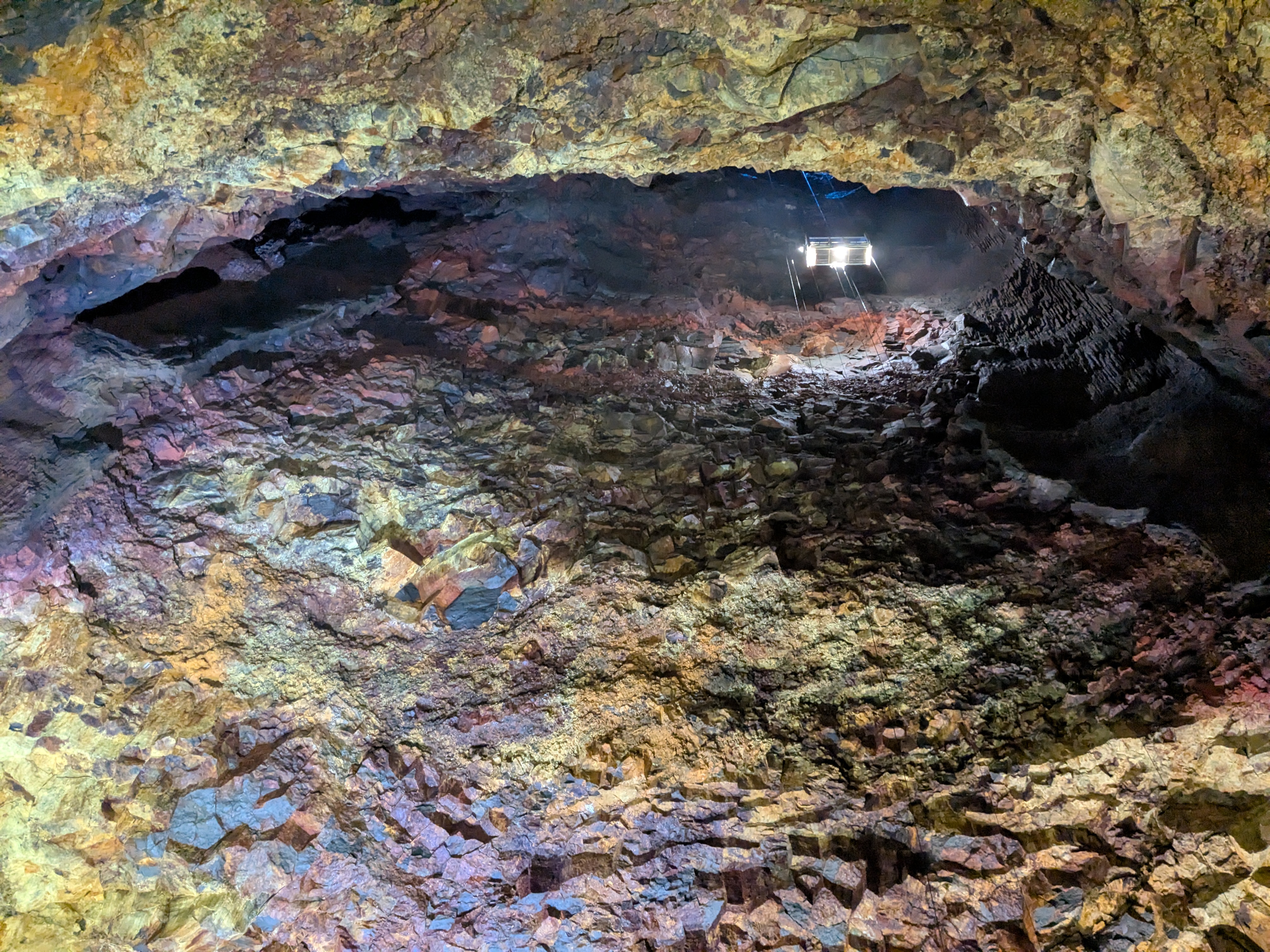
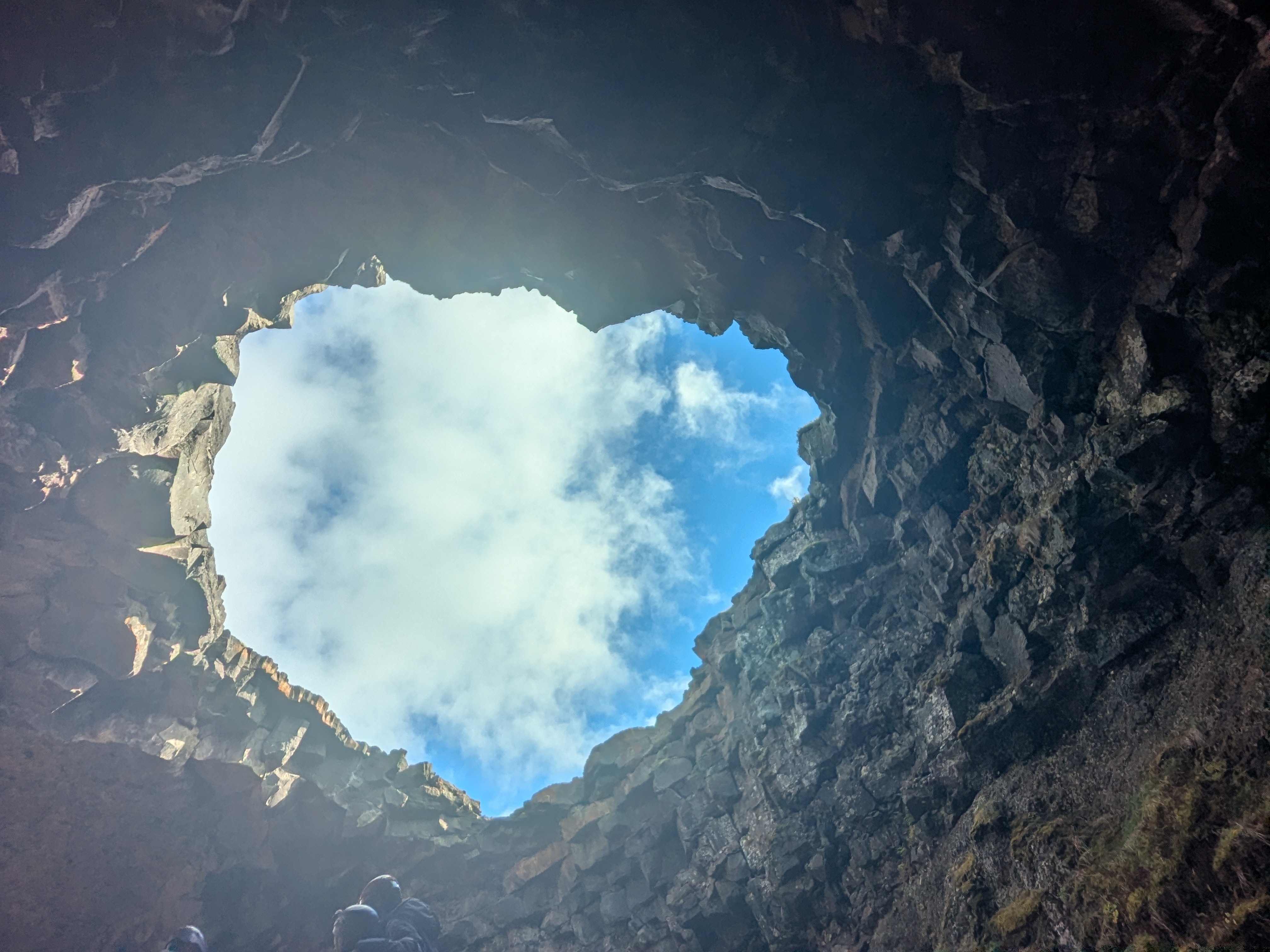
Iceland by its name does not tell you about its abundance of volcanoes. Iceland has over a hundred volcanoes, to the extent that it does not describe individual volcanoes, but volcanic systems, 32 of them. The 2010 Eyjafjallajökull subglacial eruption sent such a massive ash plume into the atmosphere, causing the grounding of over 100,000 flights in Europe, and stranding around 10 millions travelers for nearly a week. Lava and black sand beaches are the reminders of these eruptions, as are the geothermal hot springs and the unique sulphur smell as we turn on the hot water tap. The Perlan museum showed an immersive video of volcano eruptions. The video got us inside the Þríhnúkagígur volcano and we ‘descended’ into the only accessible lava chamber on planet Earth.

Water takes many forms in Iceland. The Icelandic water, from the tap, tastes pure and delicious. The hot water, from the tap, smells like sulphur and it reminds us of the many volcanoes and geothermal hot springs everywhere.  There are also glaciers. The gigantic Vatnajokull glacier, the largest in Europe, occupies 8% of the Iceland landmass.

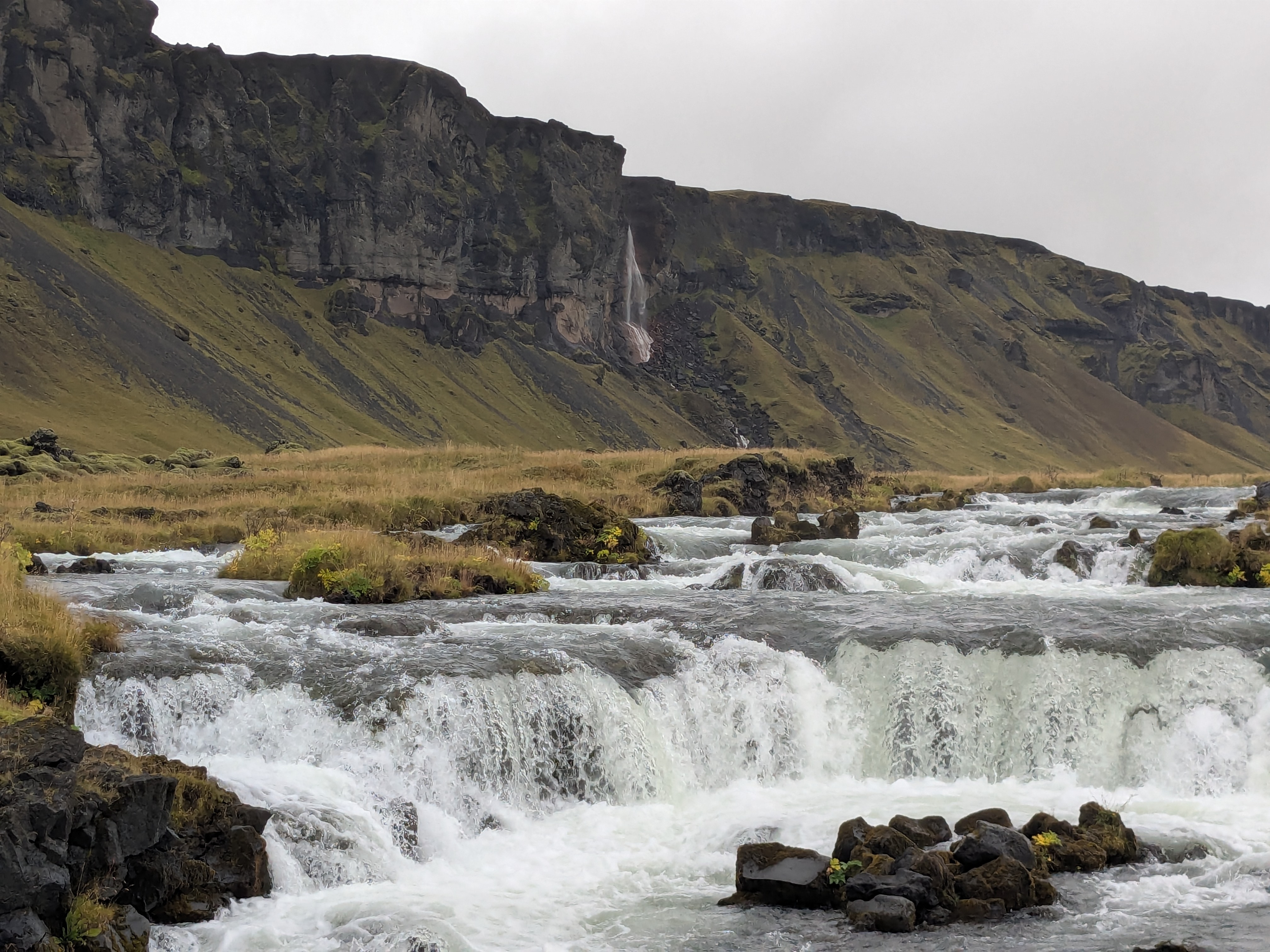
Iceland by its name does not tell you about its abundant waterfalls. In most other places in the world, we make an effort to visit a particular waterfall. In Iceland, we surreptitiously found a few very beautiful waterfalls that are unnamed and unmapped. A search shows Iceland has an estimated 10,000+ waterfalls, most of them are unnamed and unmapped. I never got tired of finding another waterfall. Waterfall lovers can just go wandering.

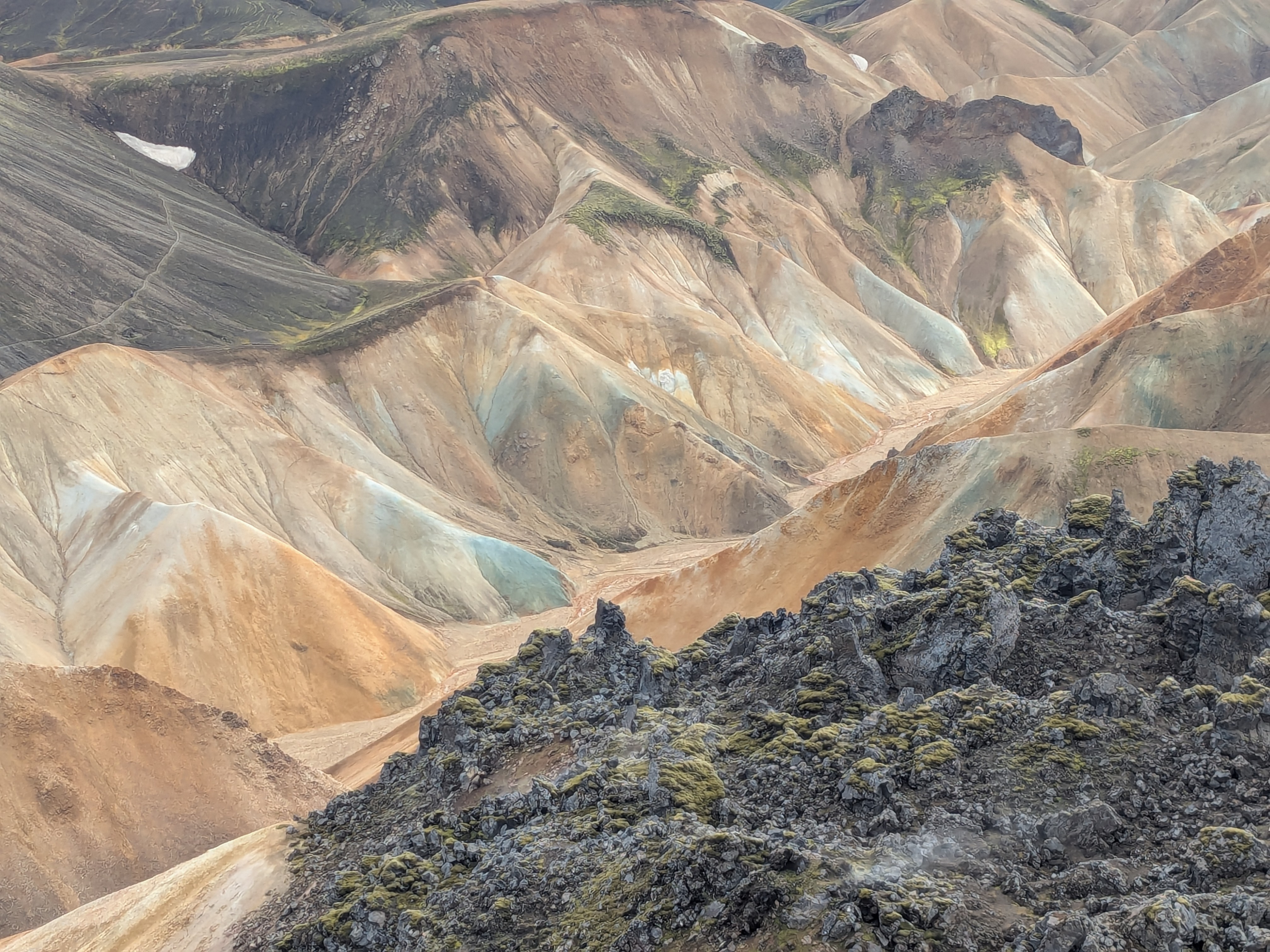
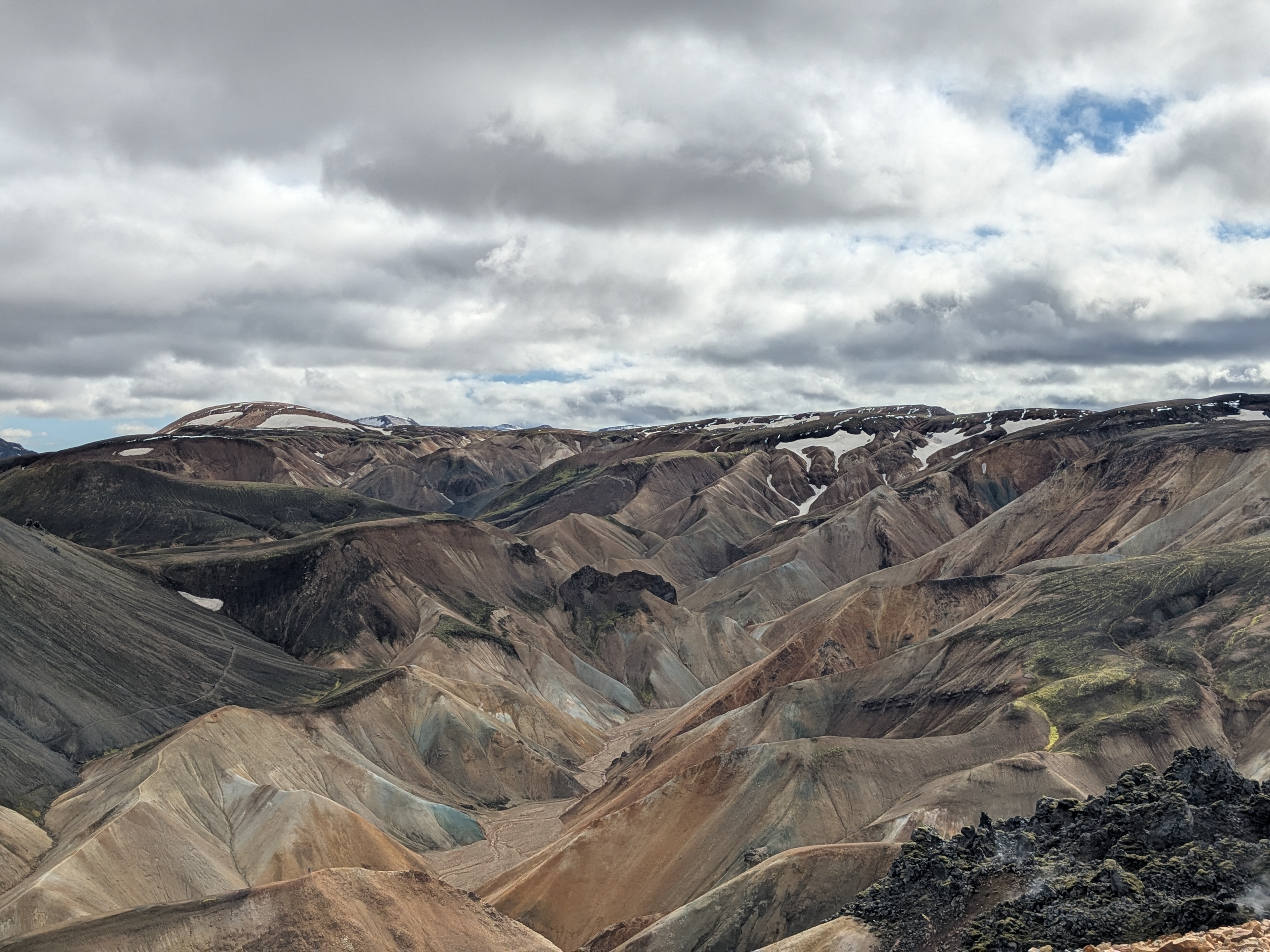
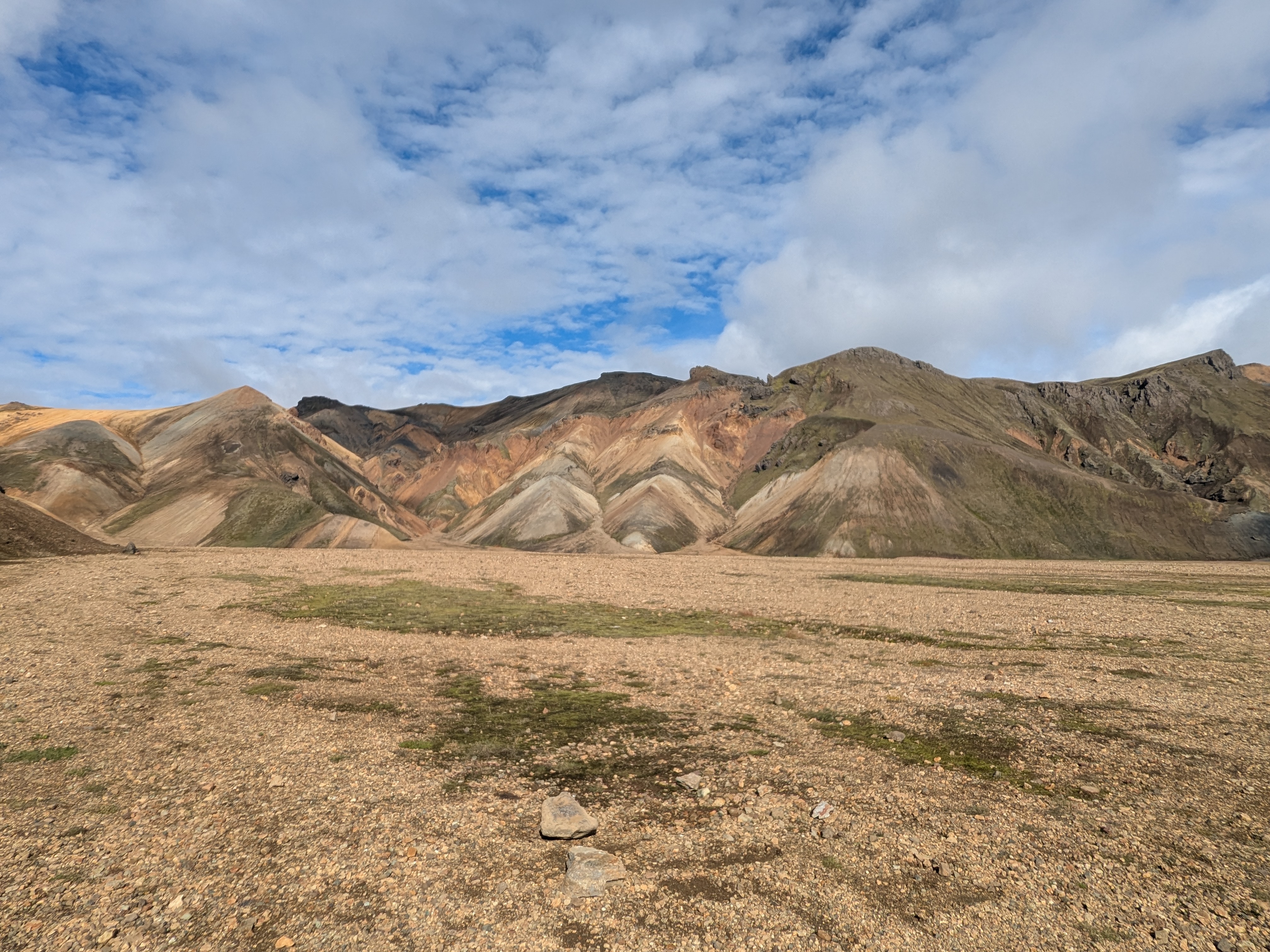
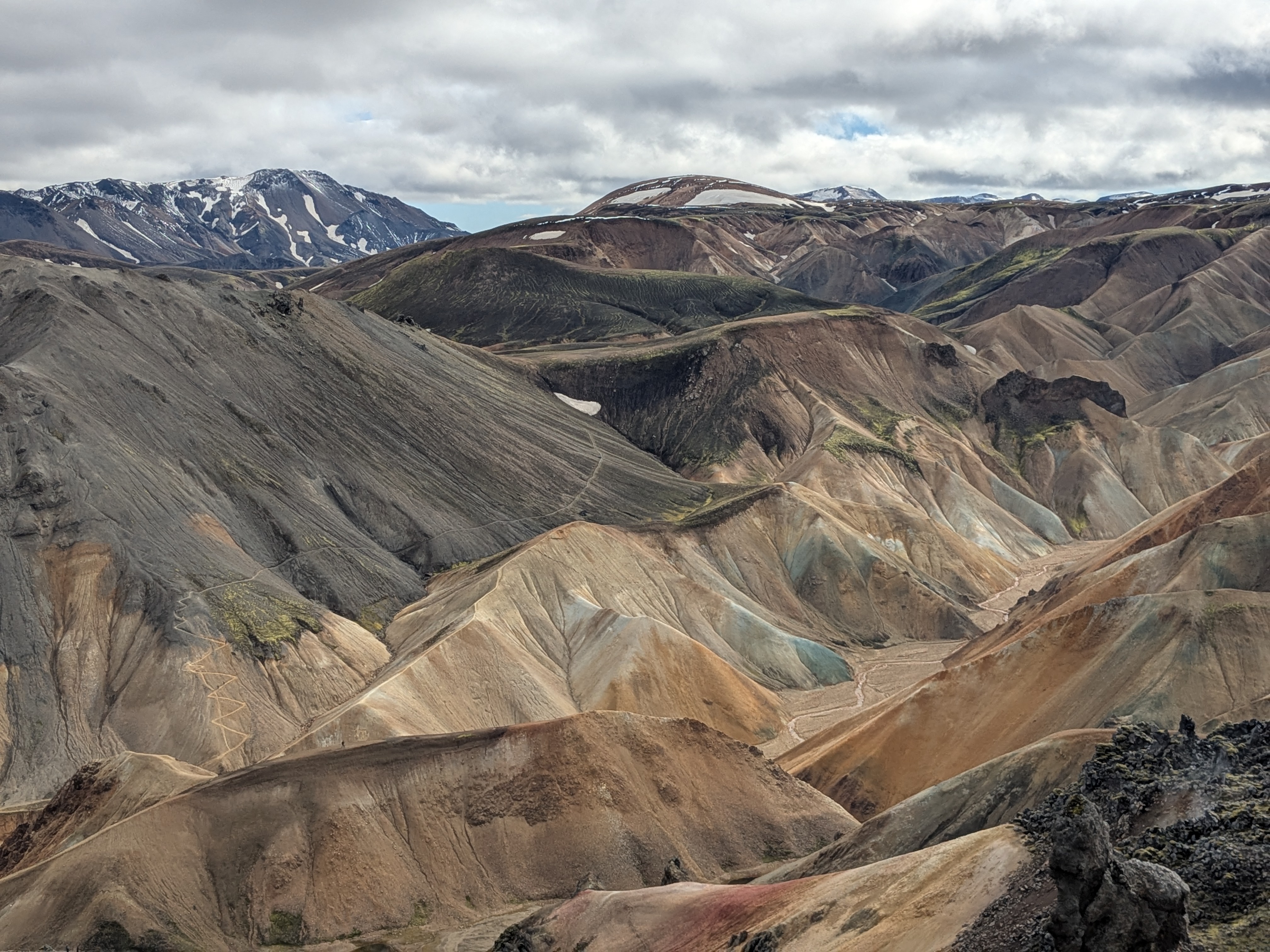
I thought of Iceland as a big flat piece of land in the middle of the Atlantic Ocean. In reality, the Central Highlands of Iceland make up an uninhabited, volcanic plateau covering about 40% of its landmass. We had one of the most scenic 3-hour hikes among the Landmannalaugar highlands with its colorful rocks painted by the different minerals: copper, sulphur, chloride, iron. It was a day of fine weather but we were told that the weather was severe a day ago with biting winds,downpours and likely frigid cold.

Iceland offers glaciers, volcanos, hot springs, waterfalls, the highlands and so much more. Many places can come across as we are on Mars, while many places have unparalleled beauty of nature.

There are more that you don’t often hear about (to be continued).

Leave a comment »

Iceland: The Ultimate Highlight of Our Nordic and Baltic Journey

Iceland’s untouched natural wonders—glaciers, waterfalls, volcanoes, and colorful highlands—are the real attractions, making it an unparalleled destination. Iceland’s dramatic scenery can come with challenging landscapes and weather conditions. Some pre-trip preparation is desired, but not to the point of a fixed daily schedule, that sometimes takes away the joy of exploration.

We book a few things before the trip while leaving some daily details to ad-hoc arrangements. We first booked the flights arriving Iceland and departing Iceland, turning the travel wish list to a reality. With that and a rough sketch of regions to explore, we reserved accommodations. Iceland can be very expensive, but the stays are pretty reasonable if you take the time to find them ahead of time. We then reserved a 4WD SUV.  Before the trip, we also booked a few guided tours (Volcano tour, Cave tour, highland tour) to visit places that are more complicated to explore alone.

The first week, we stayed in an airbnb in Reykjavik to ease into another time zone and use it as a hub to visit places in the proximity of the capital city. It is just a few minutes walk to the coastline. This airbnb is true to the spirit of airbnb home sharing, which I like. The host is a professor. There are shelves of non-fiction covering very interesting topics (e.g. Cosmology everything you need to know to master the subject in one book). The kitchen has everything for home cooking and some closets are half-filled, all the signs that the “professor” lives here from time to time. In the second week, we drove along the south coast, and had short stays in hotels or guest houses.

Travellers, me alike, often make the mistake of solely visiting the capital of a country. The capital of Iceland, Reykjavik, the capital of Iceland, has amazing Icelandic food, tourist landmarks and lovely souvenir shops. A local shared with us the Northern Lights display in the capital that we missed the night before. Overall Reykjavik is a lovely place and has a lot to offer, but you must spend more time outside of the capital to see its true character and the raw beauty of Iceland.

At a comfortable pace and some hiking, we explored some amazing attractions. Here is the post-trip 2-week itinerary that I feel good sharing. My favorite places are in bold. There is still half of Iceland for another trip.

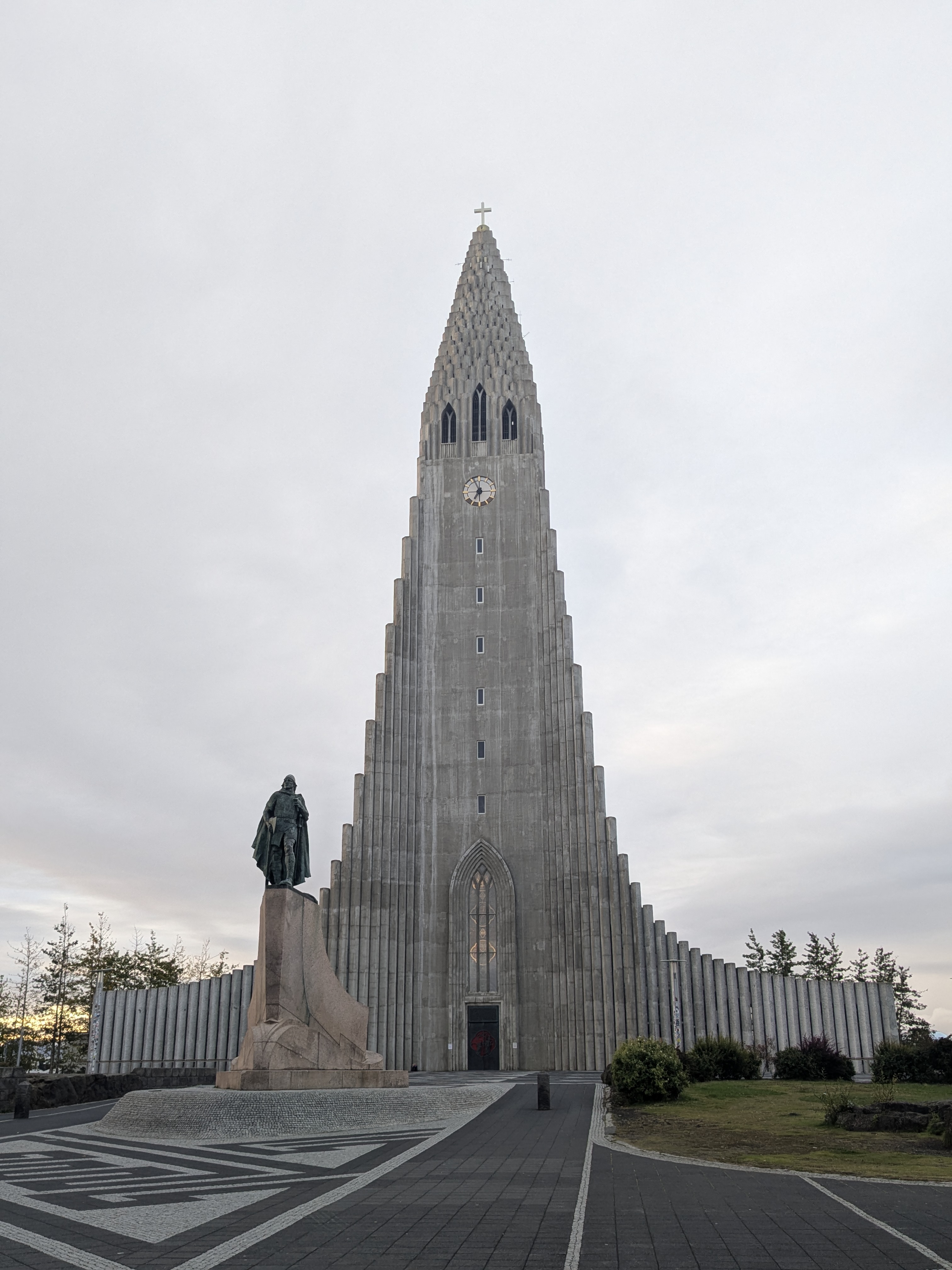
  • Day 0 (Sep 1) – Arrive at Reykjavik: Pick up rental car, stock up at Costco, check in airbnb, explore the harbor front and Hallgrímskirkja area, and have dinner at Íslenski Barinn.
  • Day 1 (Sep 2) – Reykjavik: Morning jog along the coastline, lunch at Hlemmur Mathöll (Food Hall), and five hours exploring geological and aurora exhibits at Perlan Museum.
  • Day 2 (Sep 3) – Reykjavik Swimming: Walk around 101 Reykjavík and Old Harbor, lunch at Hlemmur Food Hall, relax at Sundhöllin pool, and shop.
  • Day 3 (Sep 4) – Highlands Excursion: Full-day guided excursion to Landmannalaugar in the Highlands, hiking colorful rhyolite mountains and soaking in geothermal hot springs.
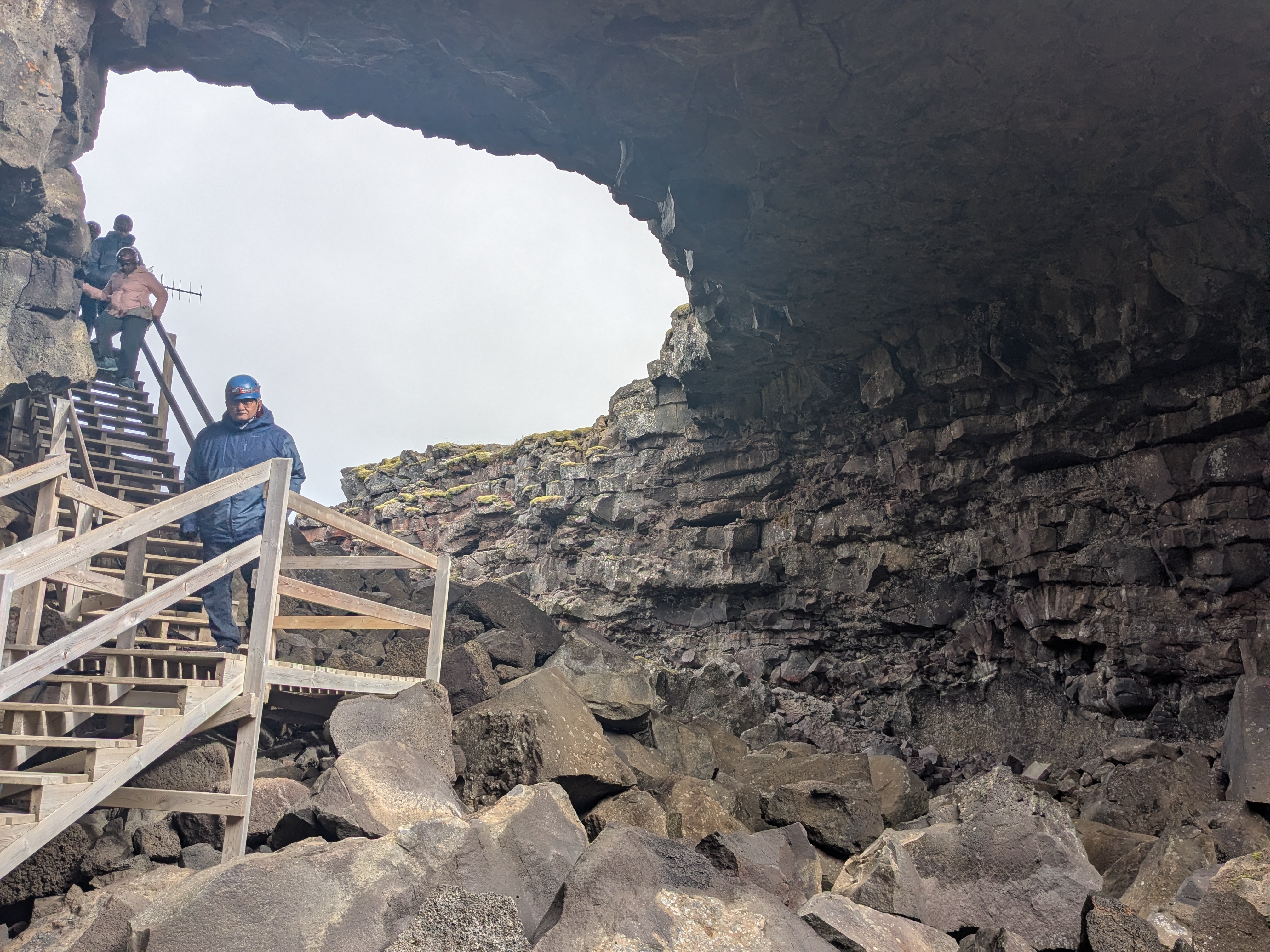
  • Day 4 (Sep 5) – Cave & Lava Waterfall: Tour Víðgelmir lava cave and nearby Hraunfossar lava waterfalls; return to Reykjavík for dinner at Hlemmur Food Hall.
  • Day 5 (Sep 6) – Inside the Volcano tour: Hike lava fields and descend into the Thrihnukagigur volcano magma chamber; dinner at Old Iceland Restaurant in Reykjavík.
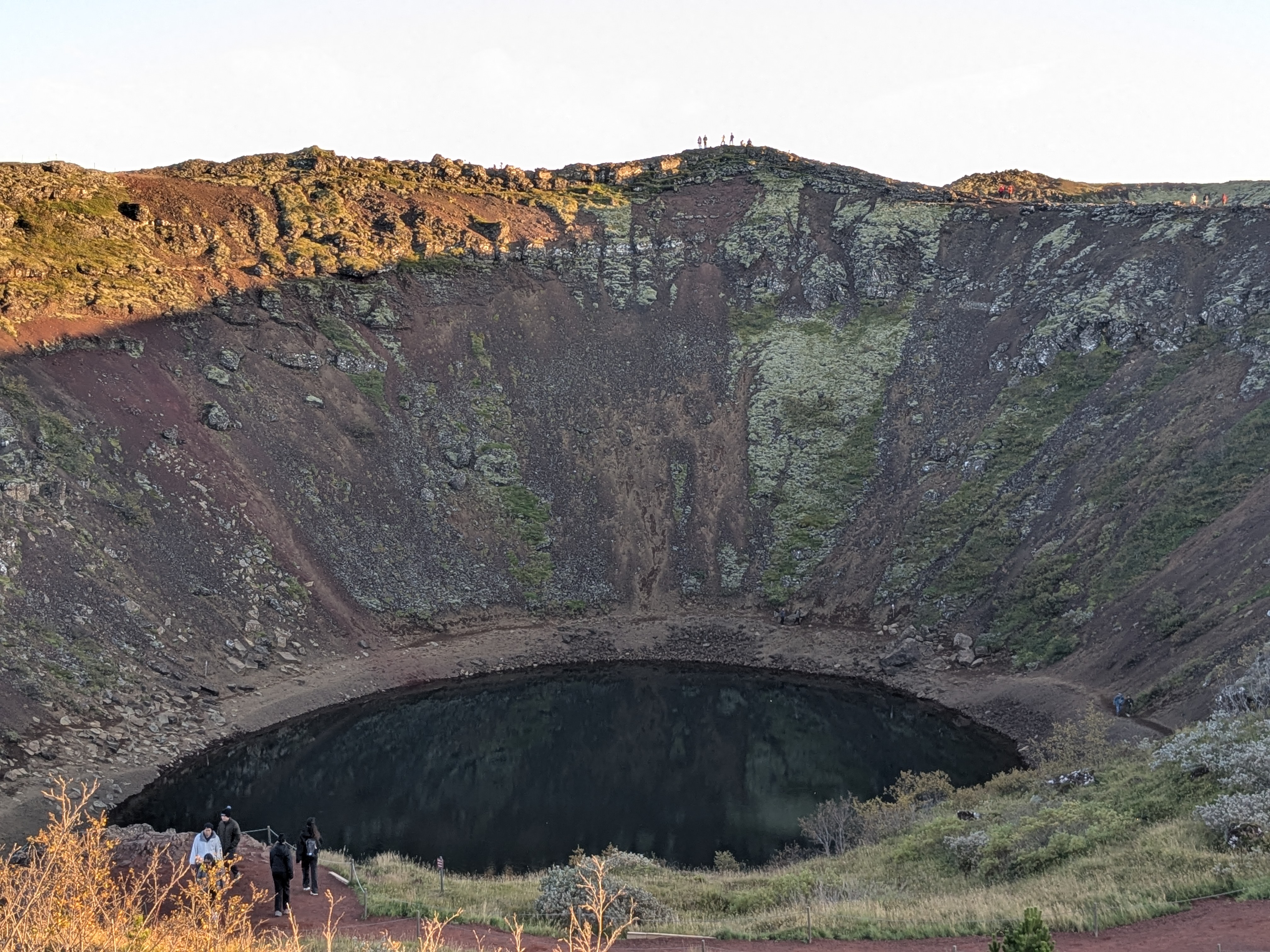
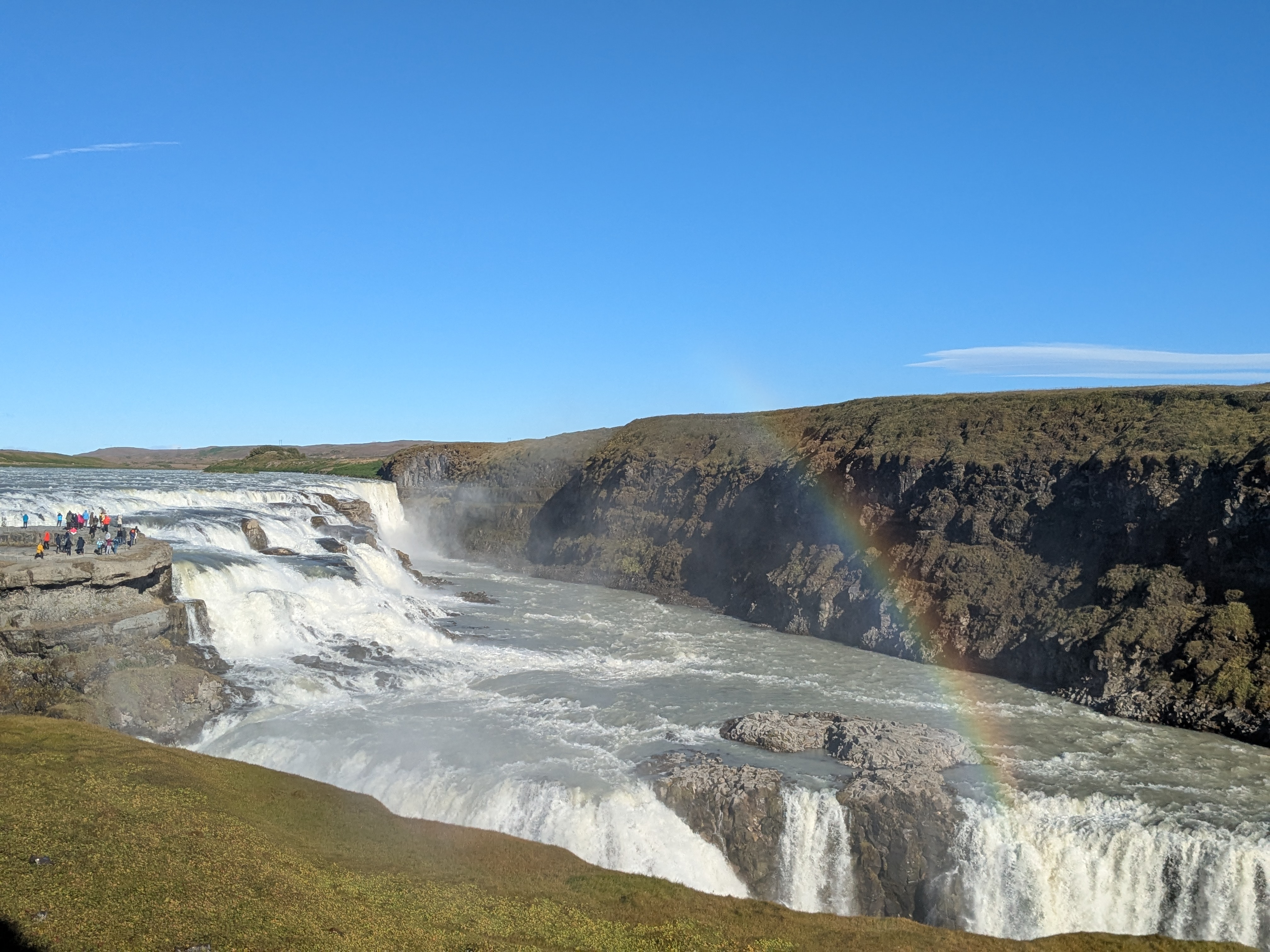
  • Day 6 (Sep 7) – Golden Circle: Tour Þingvellir, Geysir, Gullfoss, and Kerið crater, with lunch at Friðheimar tomato farm.
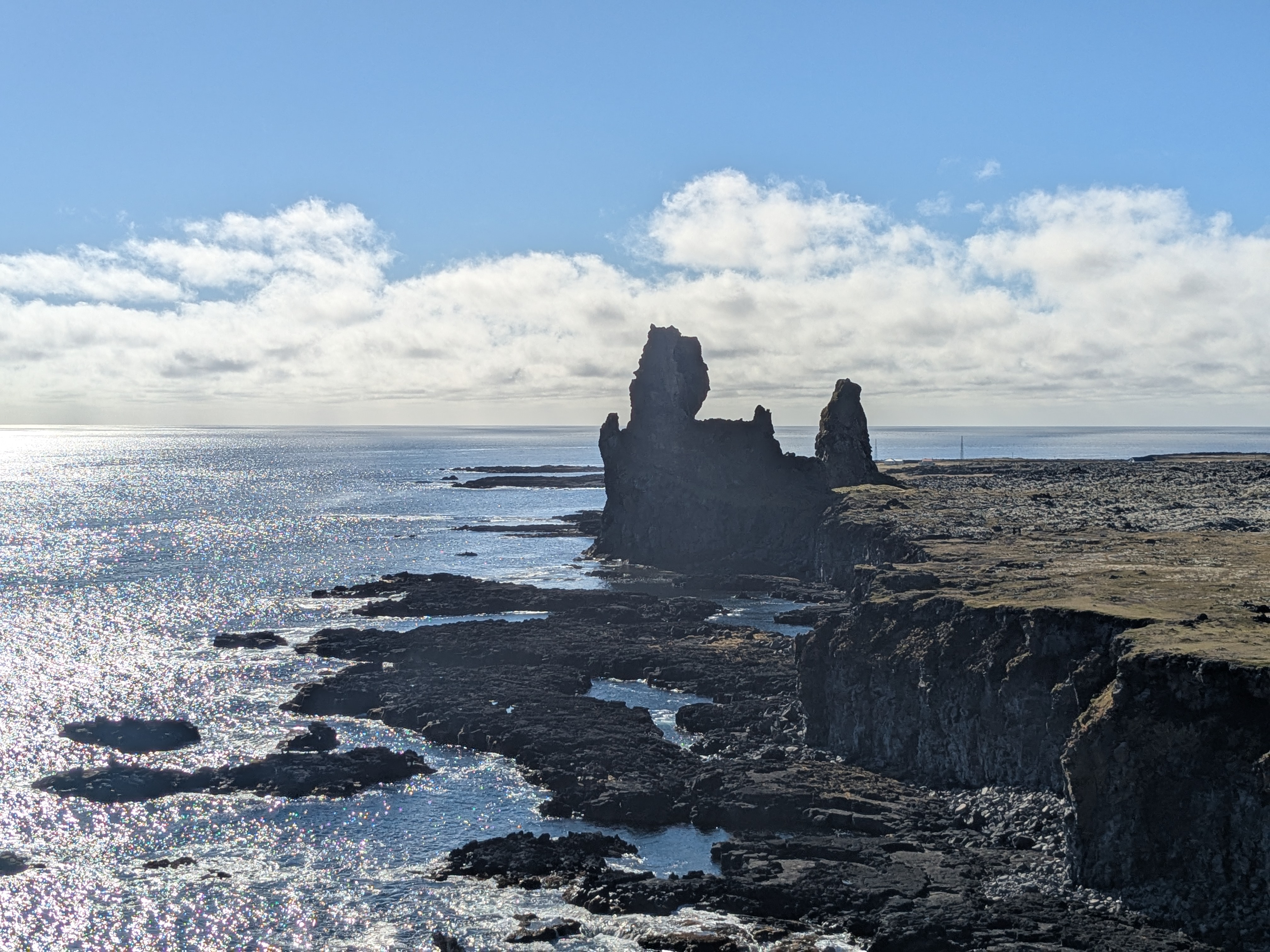
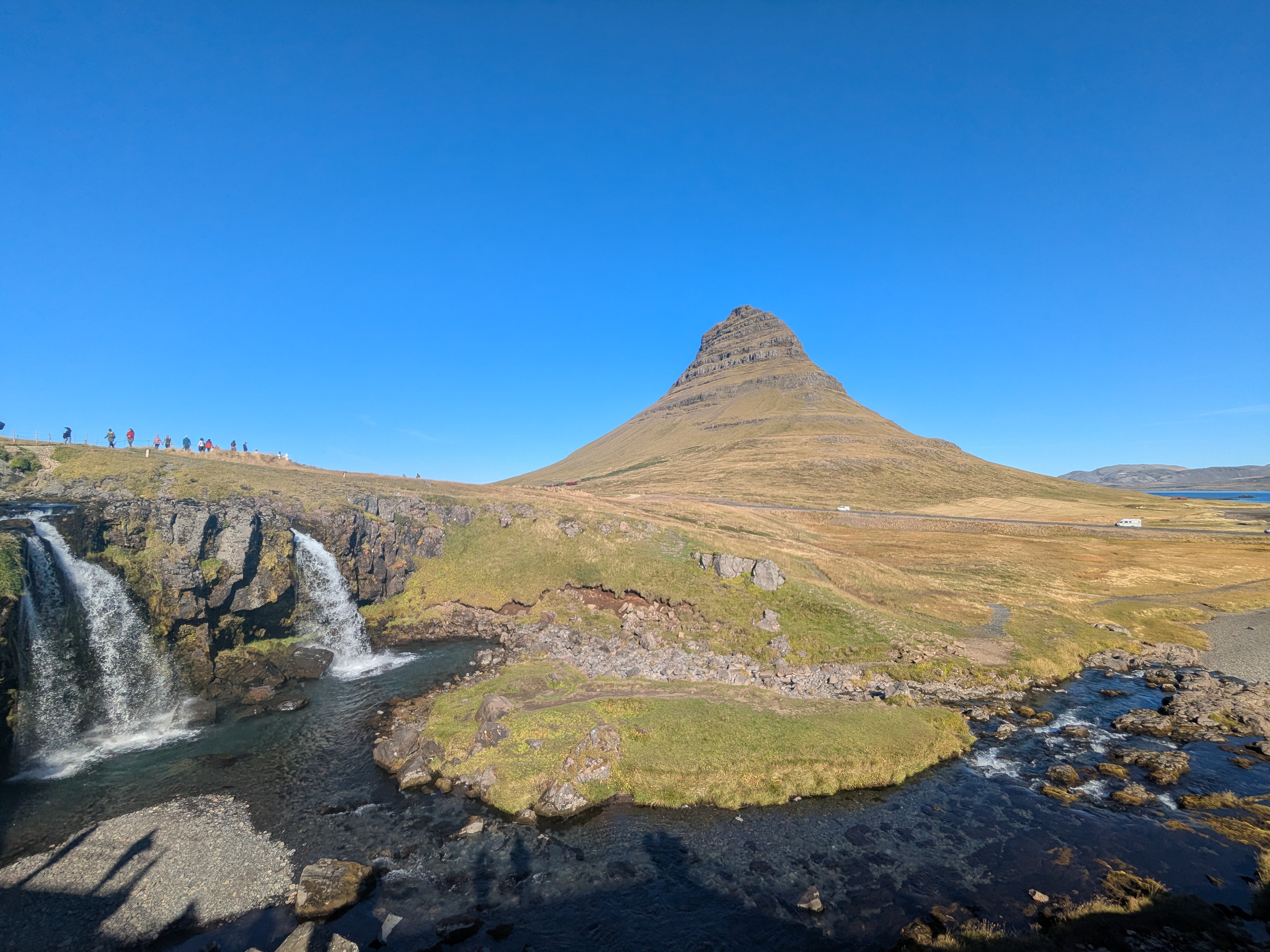
  • Day 7 (Sep 8) – Snæfellsnes Peninsula: Explore Kirkjufell mountain, coastal cliffs, and crater landscapes; search for Northern Lights back in Reykjavík.
  • Day 8 (Sep 9) – South Coast Waterfalls: Visit Seljalandsfoss and Gljúfrabúi waterfalls and hidden canyon; stay near Eyjafjallajökull. Stay at the Garage.
  • Day 9 (Sep 10) – Vík & Fimmvörðuháls: Visit Skógafoss waterfall, hike Fimmvörðuháls trail, explore Dyrhólaey and Reynisfjara black sand beach, and drive toward Höfn. Stay 2 nights at Hotel Smyrlabjorg
  • Day 10 (Sep 11) – South East Coast: Watch glaciers, icebergs, ocean and seals at Jökulsárlón Glacier Lagoon and Diamond Beach, visit Vestrahorn, and spot Northern Lights.
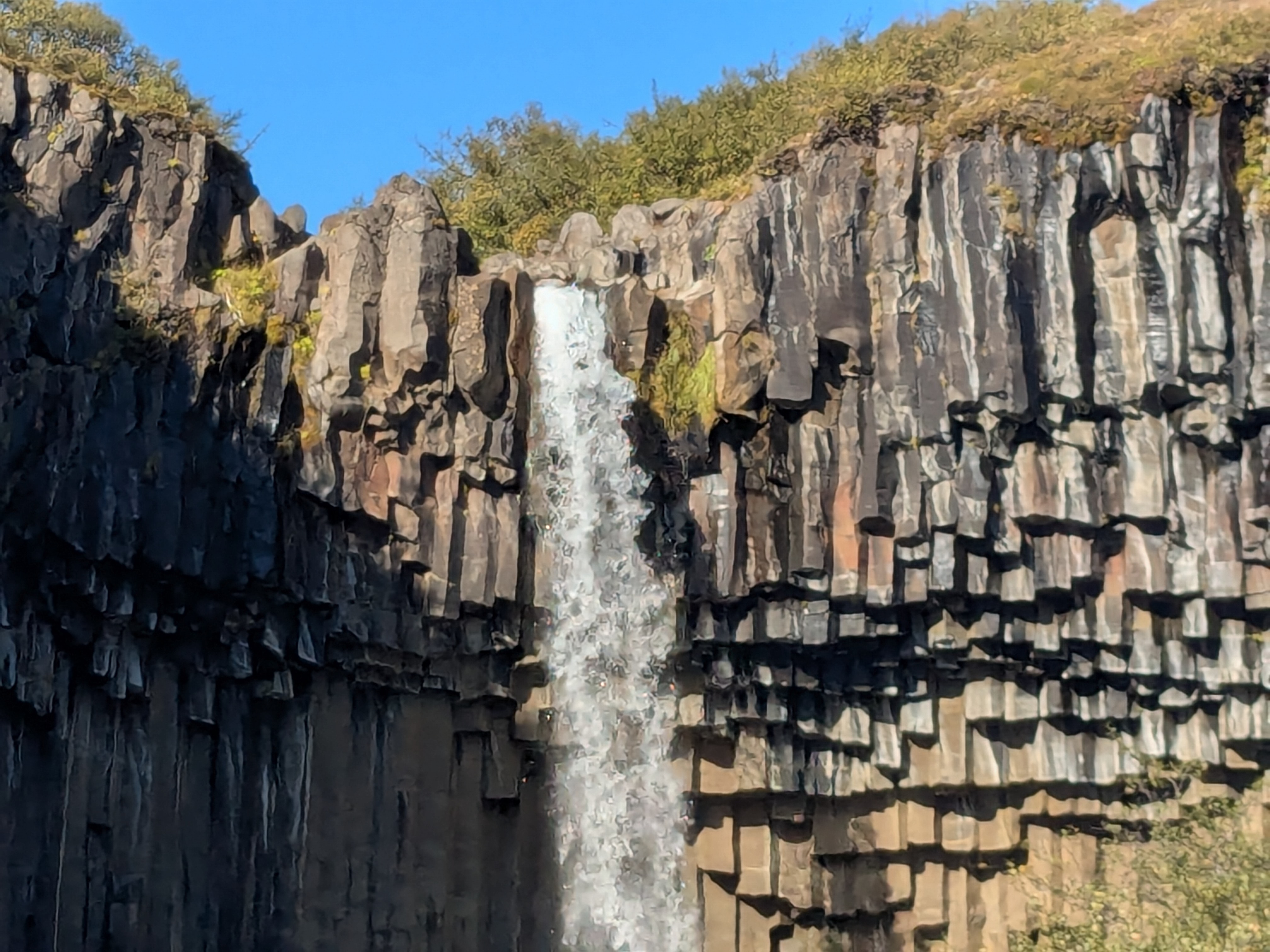
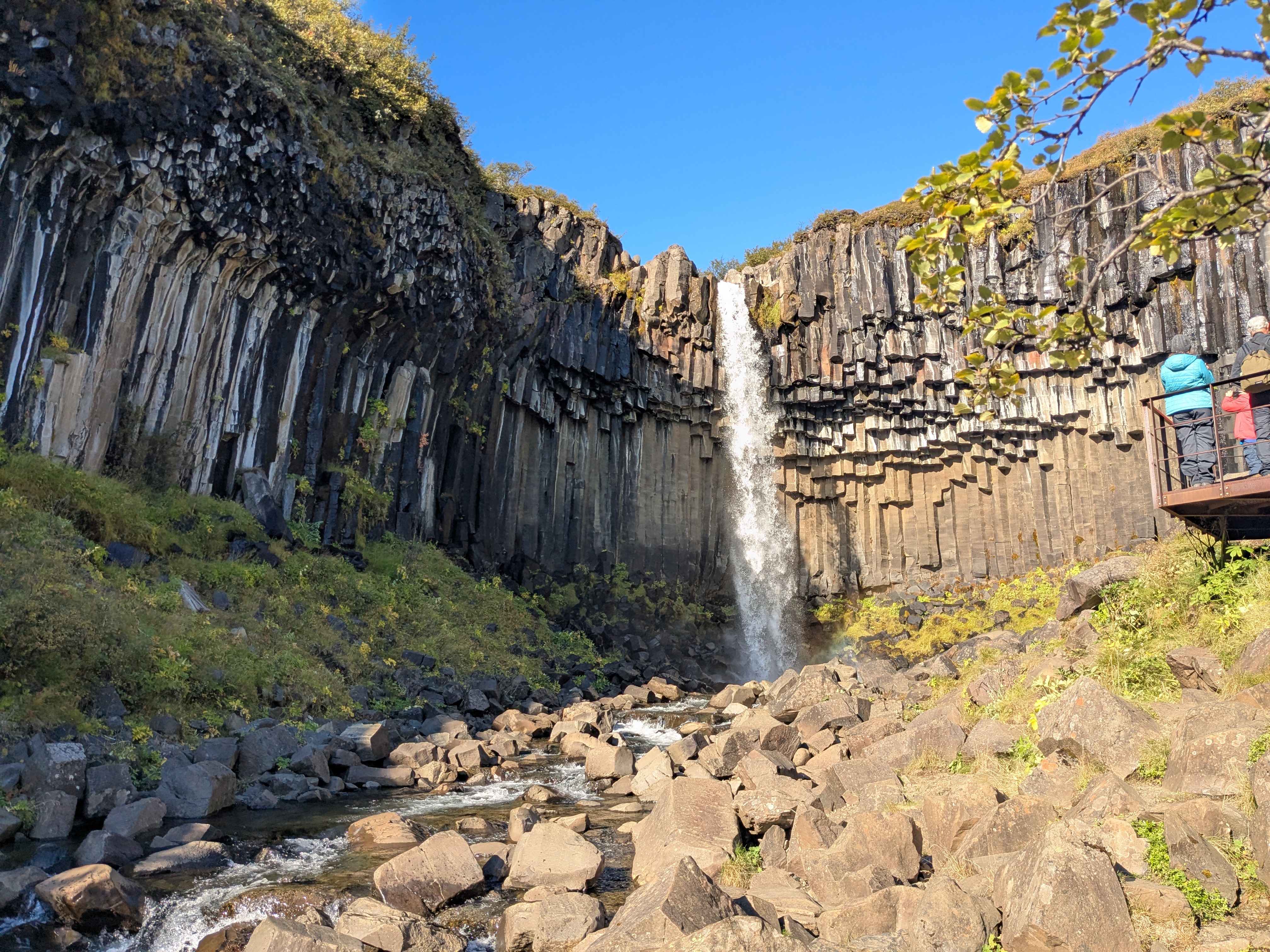
  • Day 11 (Sep 12) – Vatnajökull & Skaftafell: Visit Fjallsárlón glacier lagoon and hike to Svartifoss waterfall in Skaftafell National Park before driving to Selfoss. Stay at the Arctic Wind near Reykjavik.
  • Day 12 (Sep 13) – Blue Lagoon to Helsinki: Relax at the Blue Lagoon geothermal spa before taking an afternoon flight to Helsinki, Finland.

There are so many experiences I’d love to share, yet words and pictures can never fully capture them. In  my next few posts, I will share what people don’t tell you about Iceland—and perhaps inspire your own journey.

Leave a comment »

Northern European Odyssey: Iceland, Finland, and the Baltics

Iceland’s untouched natural wonders—glaciers, waterfalls, volcanoes, and colorful highlands—are the attractions. It is the “Land of Fire and Ice”. I feel there are no other places on earth that offer such a geological diversity and beauty, not even close. But Iceland’s appeal goes beyond its landscape: It  also ranks as the world’s second-happiest country in the World Happiness Report 2026.

Finland has been the world’s happiest country for the ninth consecutive year. It is a three and a half hours flight from Reykjavik, capital of Iceland, to Helsinkijcapital of Finland. It is the place to find out what makes people happy,  to be inside the Arctic Circle, to visit Santa and the reindeers, and to catch a glimpse of Aurora. There are some observations about the happy nation.

Located south of Helsinki, the Baltic States, made up of Estonia, Latvia and Lithuania, offered cultural richness and medieval charm. The Baltic States are classified as North Europe not Eastern Europe. The pride in their hard-won independence from the Soviet Union, their wariness of Russia, and their support for Ukraine are evident in the Baltic capitals.

While every stop across Finland and the Baltic States brought something truly special to our month-long journey, Iceland’s dramatic natural wonders unquestionably stood apart as the ultimate highlight. Iceland will always hold a special place in our travel memories. This is the country that I plan to return to soon.

There are so many experiences I’d love to share, yet words and pictures alone can never fully capture them. I hope my next few posts will give you a taste of what we discovered—and perhaps inspire you to include some of them in your own journey.

Below is the month-long North Europe trip, with my favorite places in bold.

  • Day 0 (Sep 1) – Arrive at Reykjavik: Pick up rental car, stock up at Costco, check in airbnb, explore the harbor front and Hallgrímskirkja area, and have dinner at Íslenski Barinn.
  • Day 1 (Sep 2) – Reykjavik: Morning jog along the coastline, lunch at Hlemmur Mathöll (Food Hall), and five hours exploring geological and aurora exhibits at Perlan Museum.
  • Day 2 (Sep 3) – Reykjavik Swimming: Walk around 101 Reykjavík and Old Harbor, lunch at Hlemmur Food Hall, relax at Sundhöllin pool, and shop.
  • Day 3 (Sep 4) – Highlands Excursion: Full-day guided excursion to Landmannalaugar in the Highlands, hiking colorful rhyolite mountains and soaking in geothermal hot springs.
  • Day 4 (Sep 5) – Cave & Lava Waterfall: Tour Víðgelmir lava cave and nearby Hraunfossar lava waterfalls; return to Reykjavík for dinner at Hlemmur Food Hall.
  • Day 5 (Sep 6) – Inside the Volcano tour: Hike lava fields and descend into the Thrihnukagigur volcano magma chamber; dinner at Old Iceland Restaurant in Reykjavík.
  • Day 6 (Sep 7) – Golden Circle: Tour Þingvellir, Geysir, Gullfoss, and Kerið crater, with lunch at Friðheimar tomato farm.
  • Day 7 (Sep 8) – Snæfellsnes Peninsula: Explore Kirkjufell mountain, coastal cliffs, and crater landscapes; search for Northern Lights back in Reykjavík.
  • Day 8 (Sep 9) – South Coast Waterfalls: Visit Seljalandsfoss and Gljúfrabúi waterfalls and hidden canyon; stay near Eyjafjallajökull. Stay at the Garage.
  • Day 9 (Sep 10) – Vík & Fimmvörðuháls: Visit Skógafoss waterfall, hike Fimmvörðuháls trail, explore Dyrhólaey and Reynisfjara black sand beach, and drive toward Höfn. Stay 2 nights at Hotel Smyrlabjorg
  • Day 10 (Sep 11) – South East Coast: Watch glaciers, icebergs, ocean and seals at Jökulsárlón Glacier Lagoon and Diamond Beach, visit Vestrahorn, and spot Northern Lights.
  • Day 11 (Sep 12) – Vatnajökull & Skaftafell: Visit Fjallsárlón glacier lagoon and hike to Svartifoss waterfall in Skaftafell National Park before driving to Selfoss. Stay at the Arctic Wind near Reykjavik.
  • Day 12 (Sep 13) – Blue Lagoon to Helsinki: Relax at the Blue Lagoon geothermal spa before taking an afternoon flight to Helsinki, Finland.
  • Day 13 (Sep 14) – Arrive Helsinki: Rest and recover in Helsinki, visit Oodi Central Library, and explore local grocery markets and neighborhood cafes.
  • Day 14 (Sep 15) – Helsinki Sightseeing: Tour Helsinki Cathedral, Uspenski Cathedral, Rock Church, and Suomenlinna Sea Fortress, followed by dinner at Korea House.
  • Day 15 (Sep 16) – Arrive Rovaniemi & Luosto: Fly to Rovaniemi, drive autumn landscapes to Luosto, stay at Santa’s Hotel Aurora, eat reindeer dinner, and enjoy private sauna.
  • Day 16 (Sep 17) – Scenic Drive to Inari: Drive north through scenic autumn forests and lake views to Inari, spotting reindeers, and check into Wilderness Hotel Inari.
  • Day 17 (Sep 18) – Sámi Culture in Inari: Visit Siida Sámi Museum and outdoor trail to learn about indigenous culture; catch Northern Lights through clouds.
  • Day 18 (Sep 19) – Inari Relaxation: Enjoy a restful day at the resort in Inari with lakeside walks and a traditional Finnish sauna experience.
  • Day 19 (Sep 20) – Fell Hiking: Explore Saariselkä fell and hike up Kiilopää fell in Urho Kekkonen National Park for tundra views.
  • Day 20 (Sep 21) – Santa Claus Village: Drive to Rovaniemi, visit Santa Claus Village at the Arctic Circle, send postcards, return rental car, and fly to Helsinki.
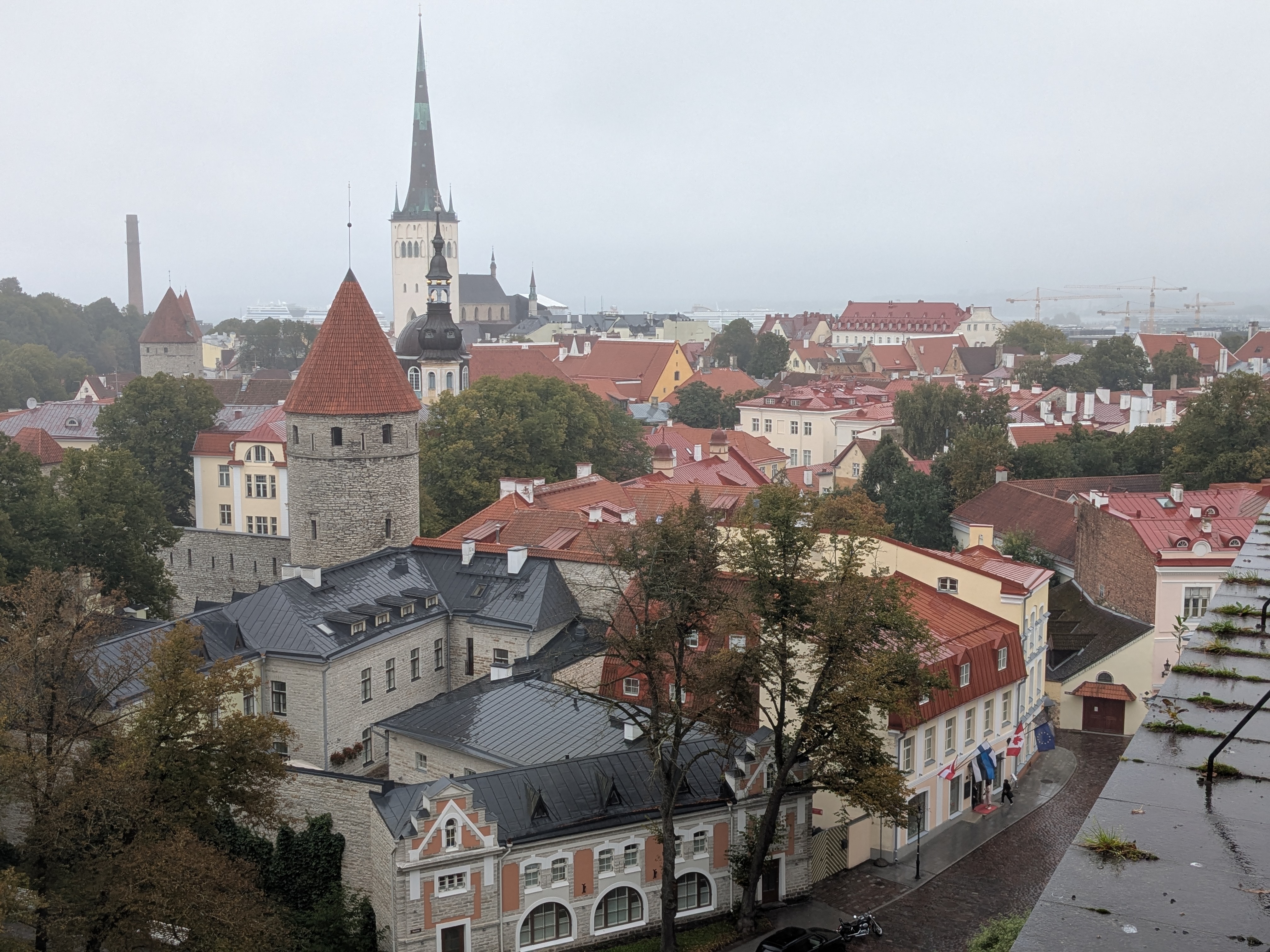
  • Day 21 (Sep 22) – Arrive Tallinn: Take a 2-hour ferry to Estonia, check in to Airbnb in Tallinn, explore the medieval Old Town (Vanalinn), visit Raekoja Plats, and enjoy local treats at Maiasmokk cafe.
  • Day 22 (Sep 23) – Tallinn Sightseeing: Visit Fat Margaret tower, St. Mary Cathedral, and Onion Church; enjoy crispy pig leg lunch at Peppersack and coffee at Maiasmokk.
  • Day 23 (Sep 24) – Kadriorg & Seaplane Museum: Explore Kadriorg Park and Palace, have lunch at Kurze, and visit the Seaplane Museum in the afternoon.
  • Day 24 (Sep 25) – Bus to Riga: Take a 4-hour Lux Express bus from Tallinn to Riga, check into Airbnb, and enjoy a traditional dinner at Ala Pagras pub.
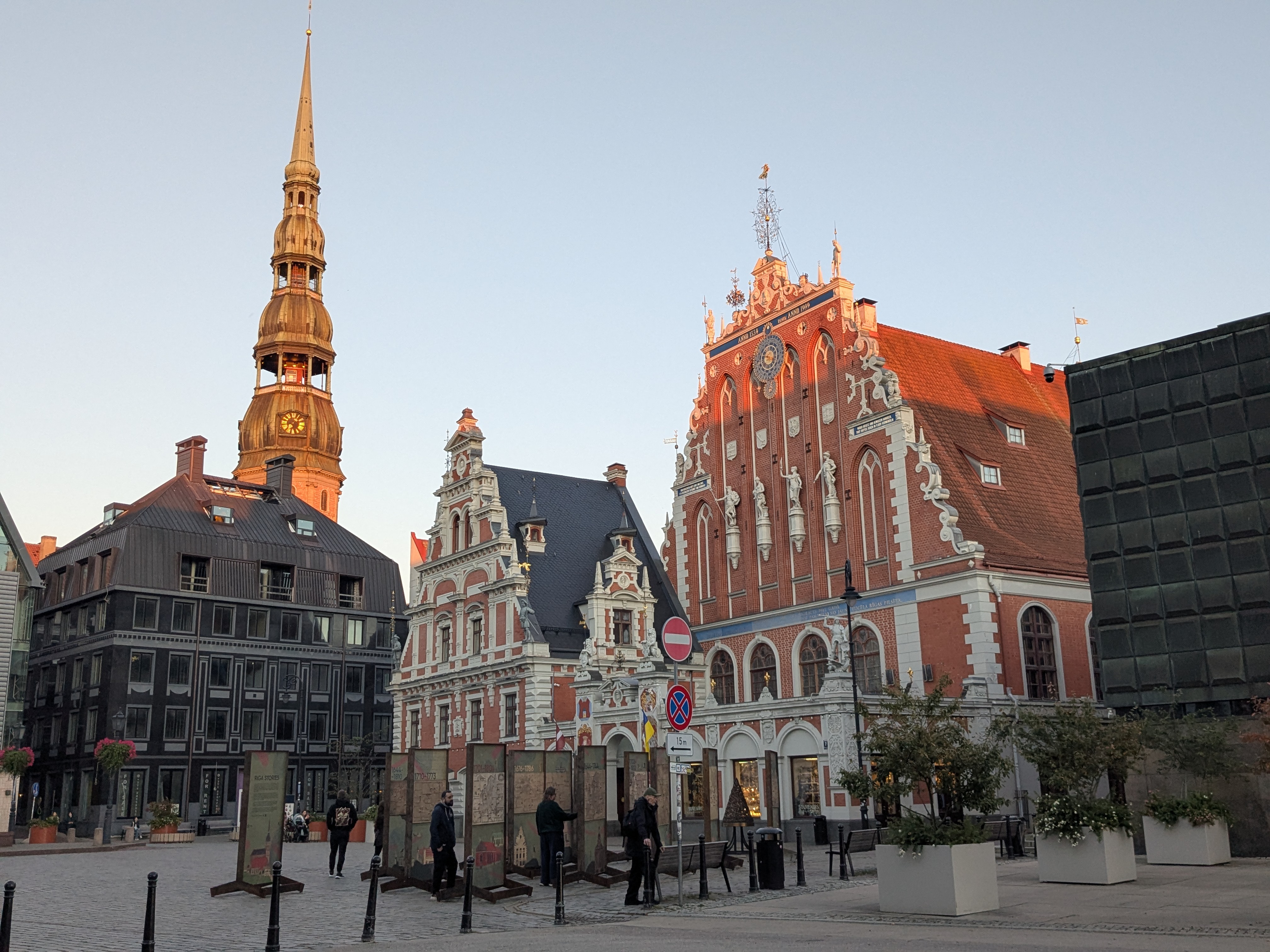
  • Day 25 (Sep 26) – Riga Architecture & Market: Stroll Riga’s old town and Art Nouveau architecture, visit the Occupation Museum and Central Market, and try Latvian set lunch.
  • Day 26 (Sep 27) – Riga Sunny Day: Enjoy sunny weather exploring Riga’s National Museum, Dom Cathedral, St. Peter’s Church, and charcoal-grilled turbot lunch.
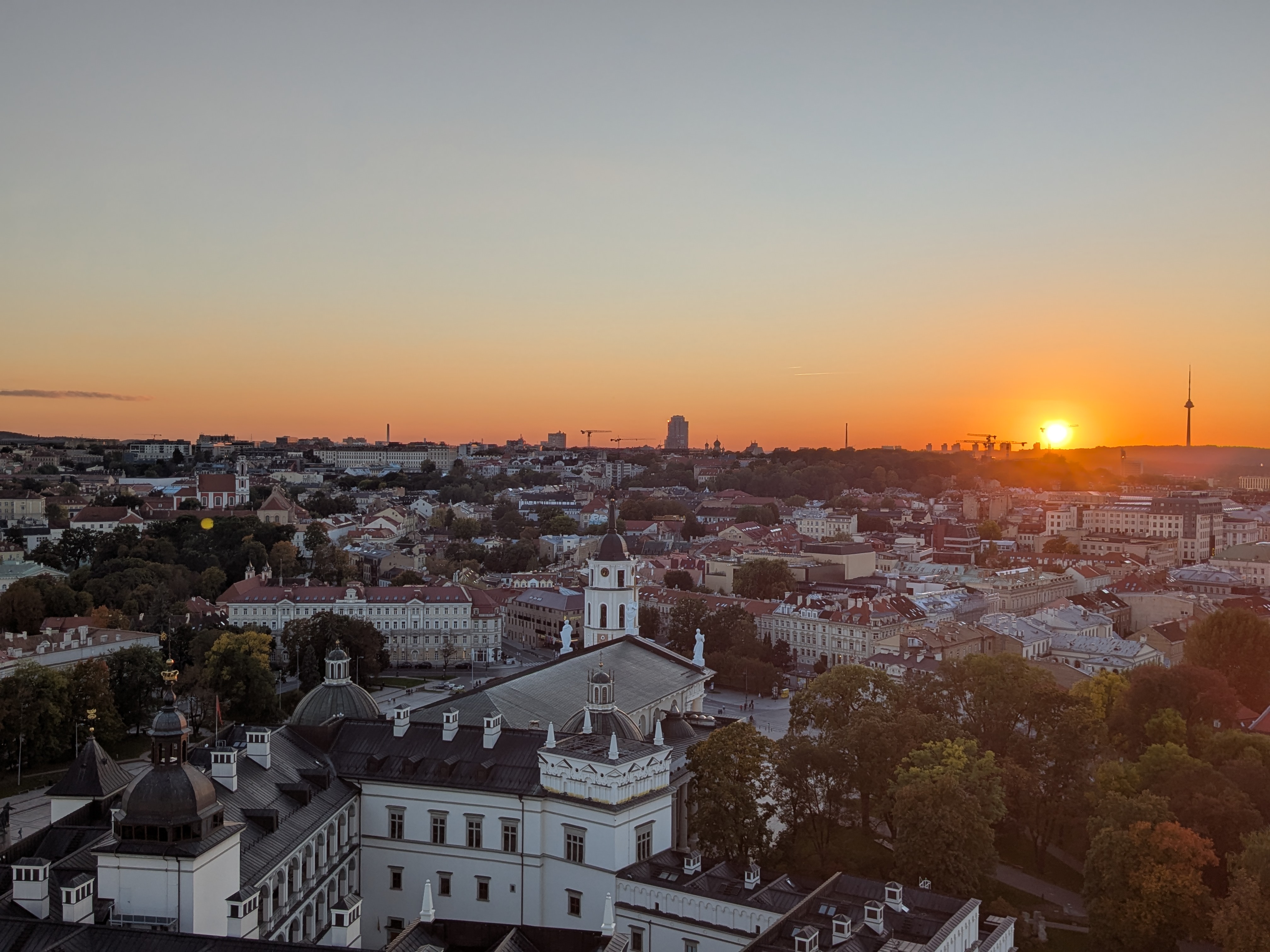
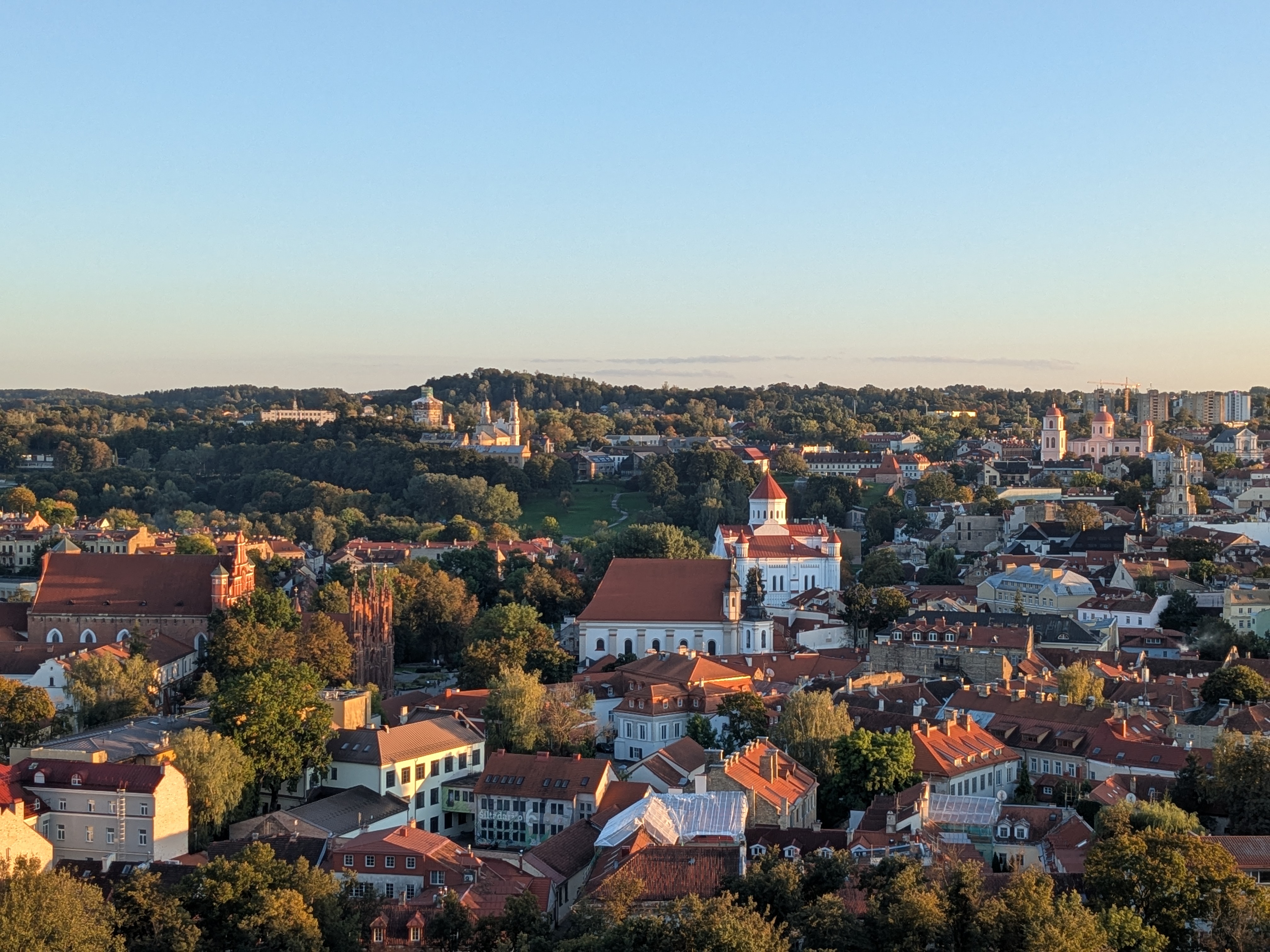
  • Day 27 (Sep 28) – Bus to Vilnius: Take a 4-hour Lux Express bus to Vilnius, explore Pilies street, and hike up Gediminas Castle Tower for sunset.
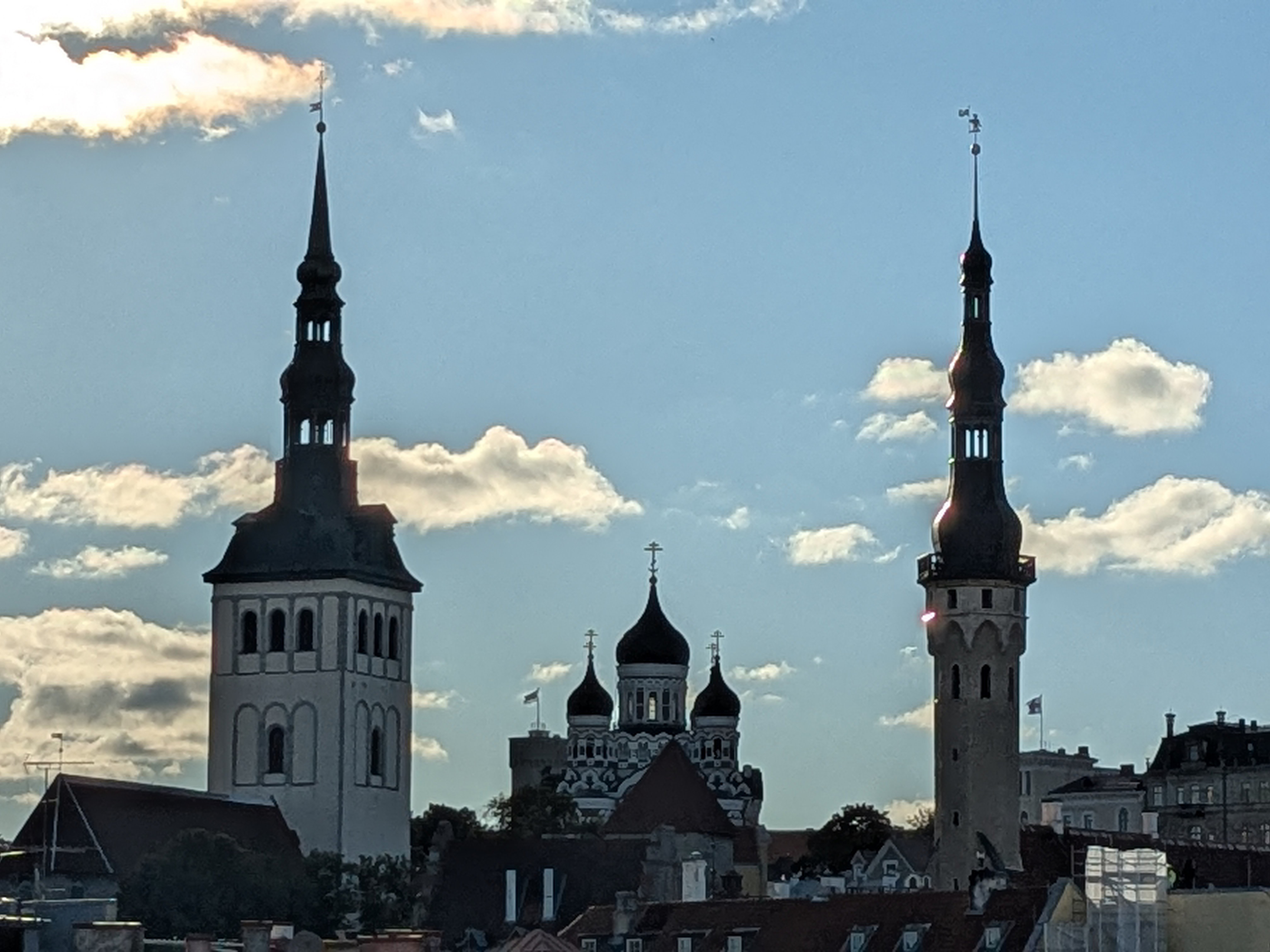
  • Day 28 (Sep 29) – Vilnius Exploration: Visit the Gate of Dawn, Vilnius University, Užupis art area, Palace of the Grand Dukes, and celebrate birthday dinner at Džiaugsmas, a Michelin-starred restaurant.
  • Day 29 (Sep 30) – Departure: Early morning walk to Vilnius airport for flight back via Frankfurt.

Leave a comment »

The Michelin Experience (Cont’d)

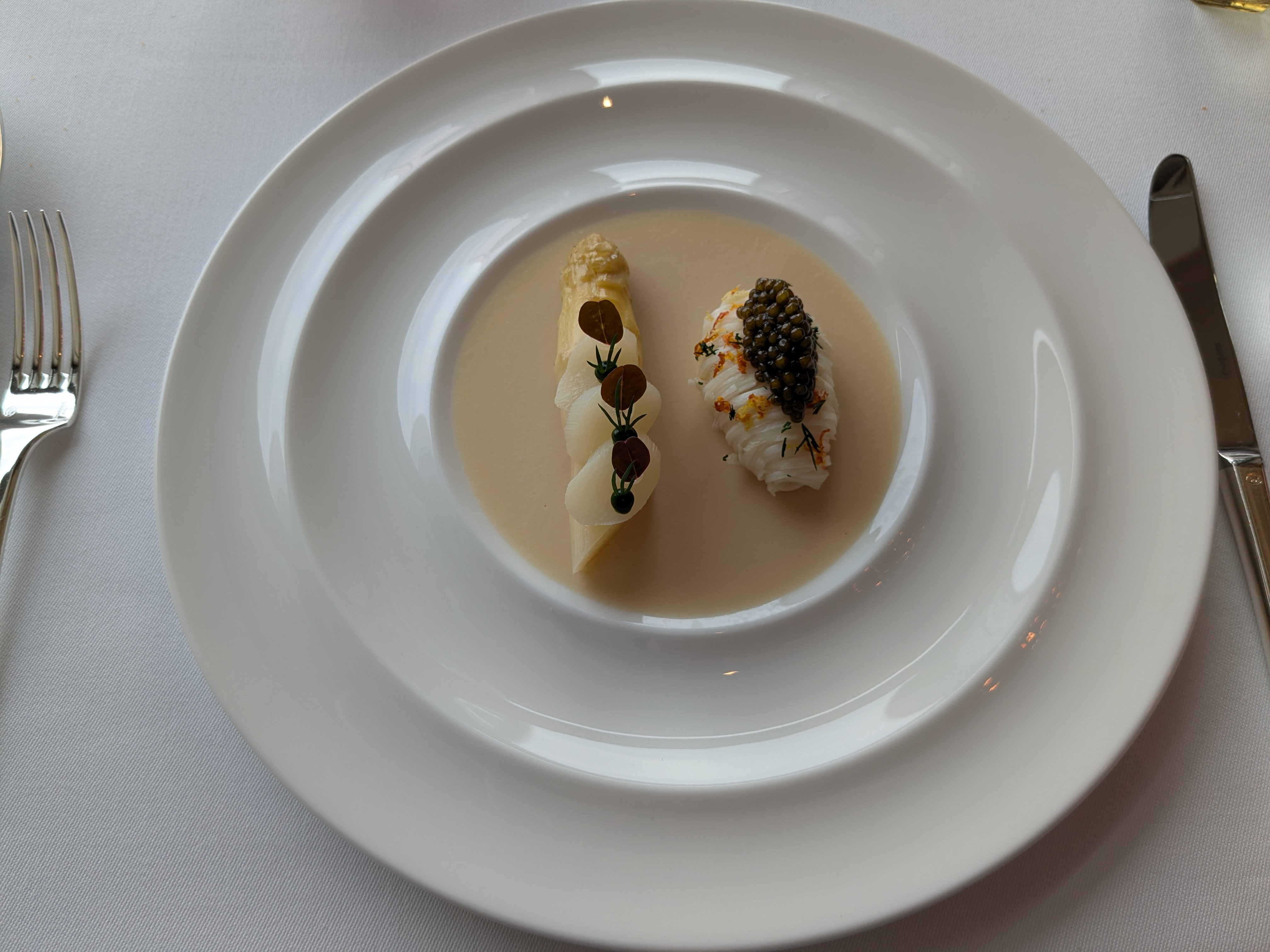
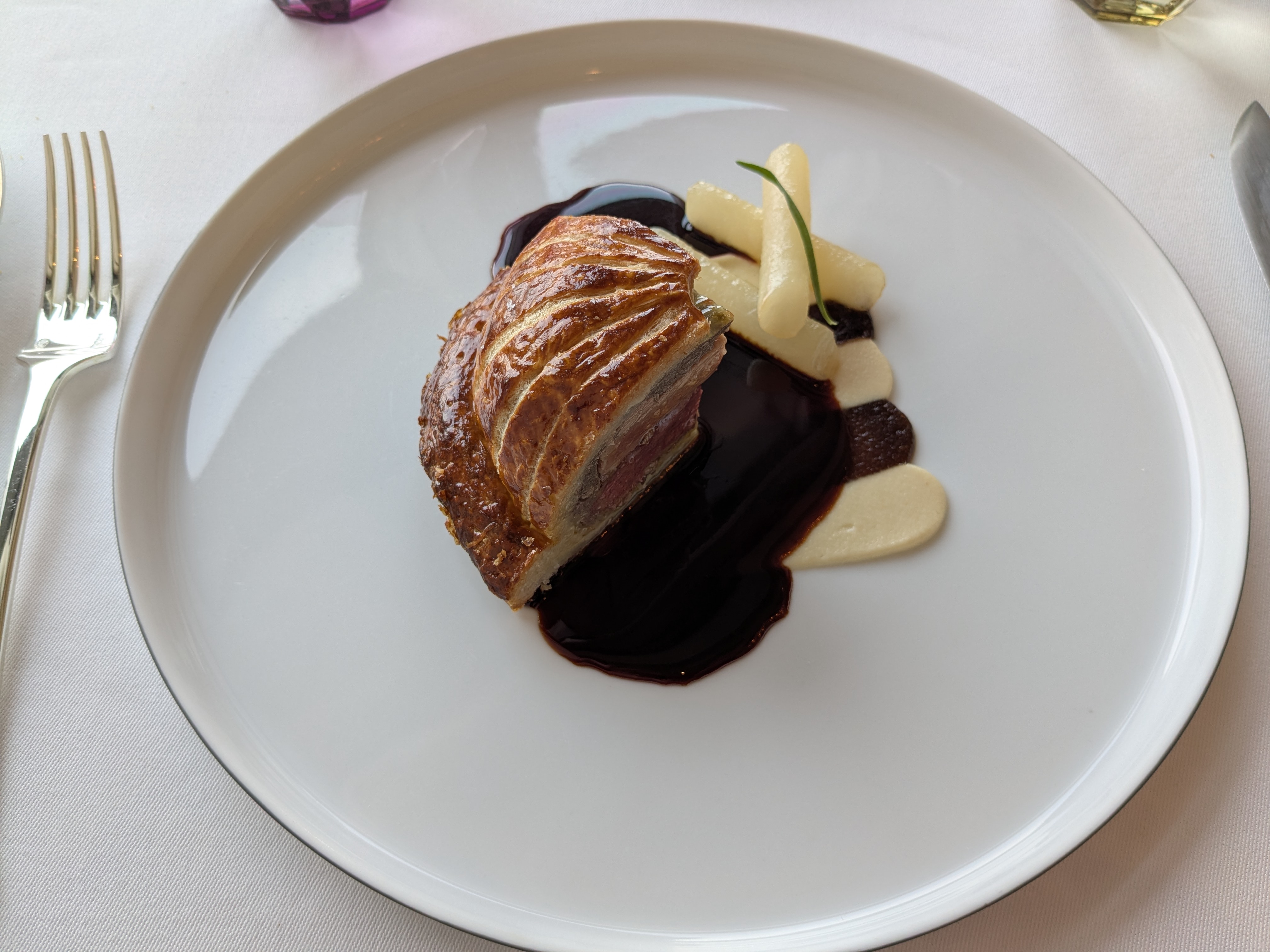
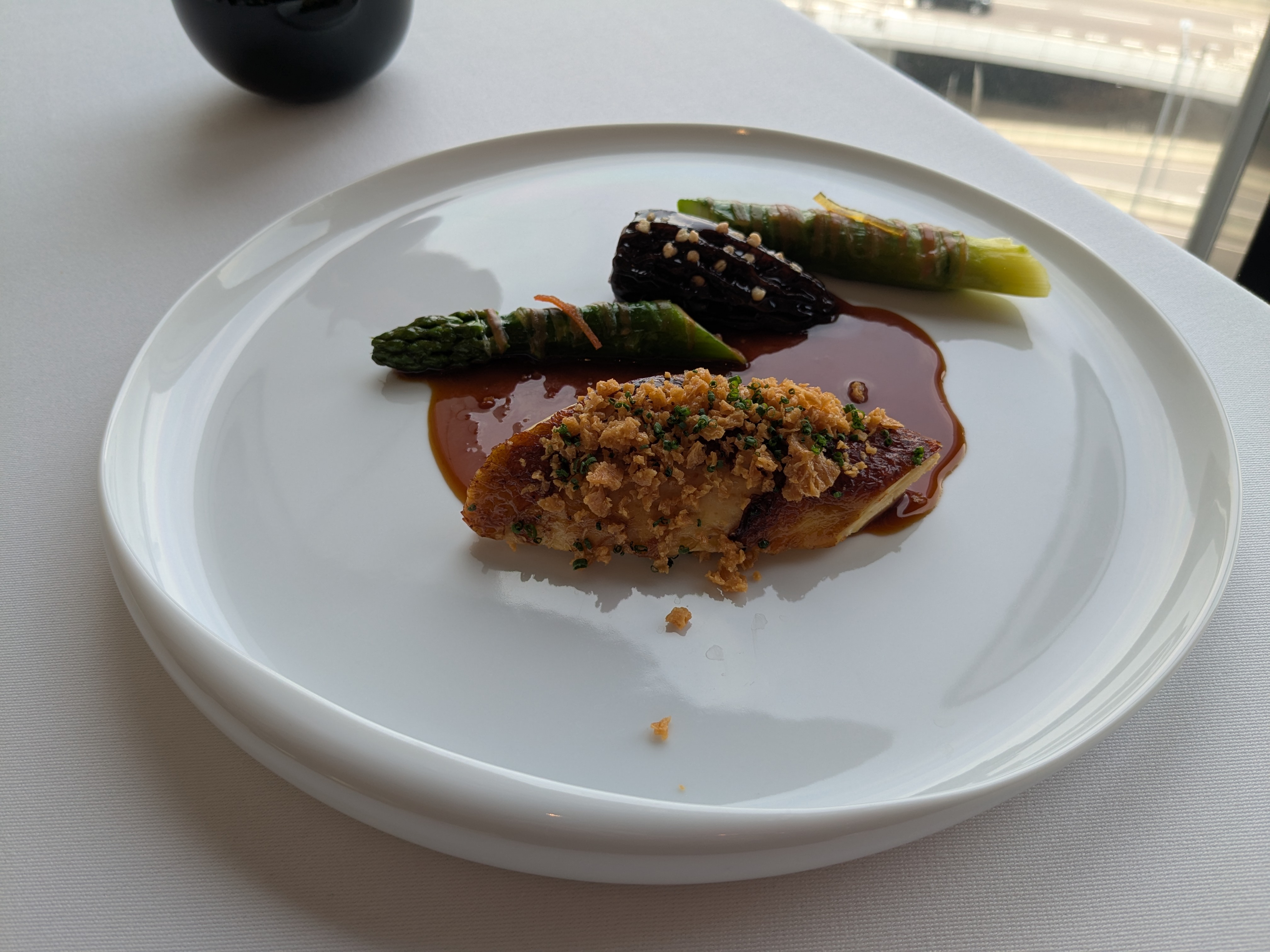
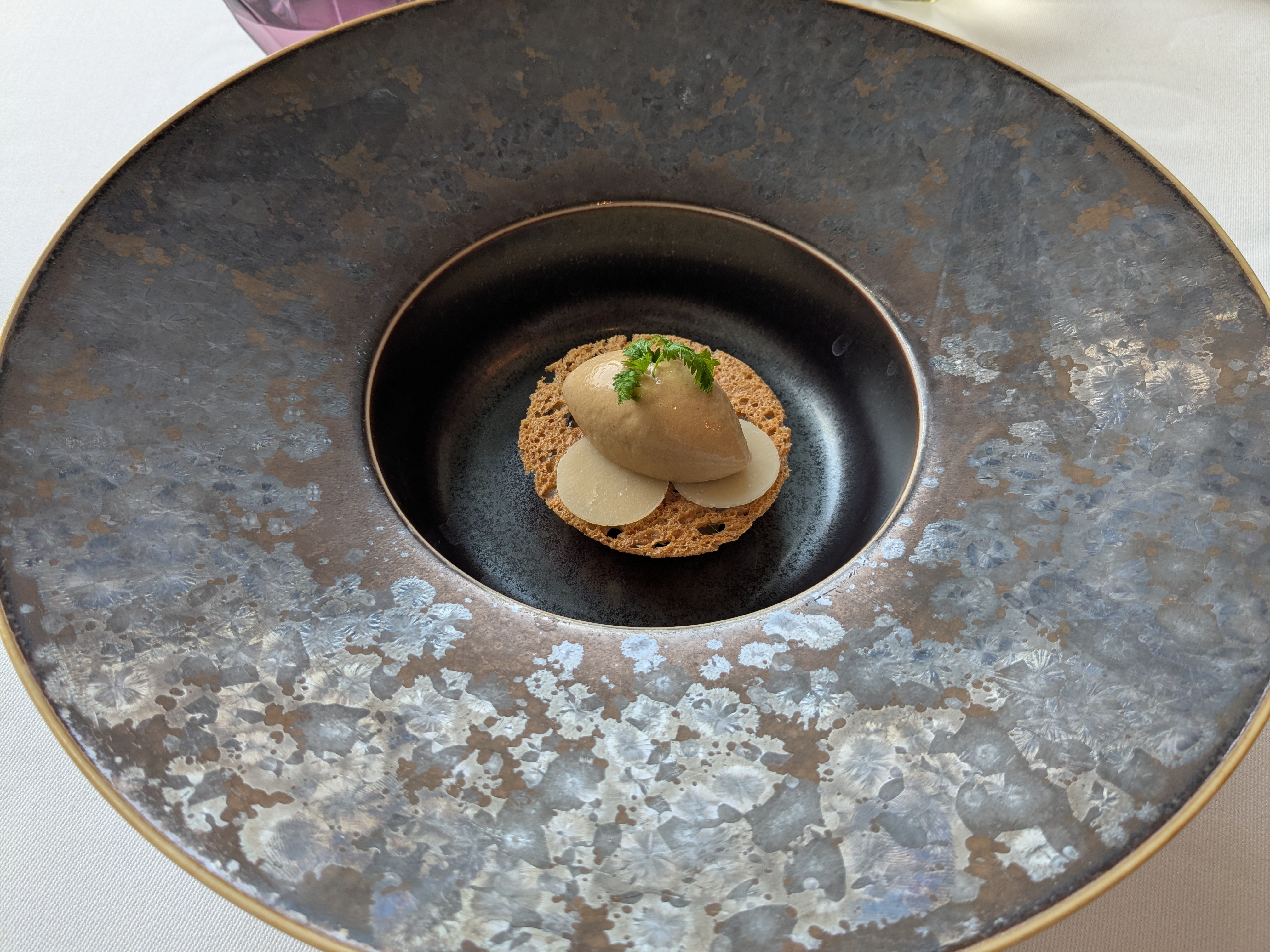
Michelin is an experience to share, to appreciate, to enjoy.

The Latest California 3-Michelin-stars Experience

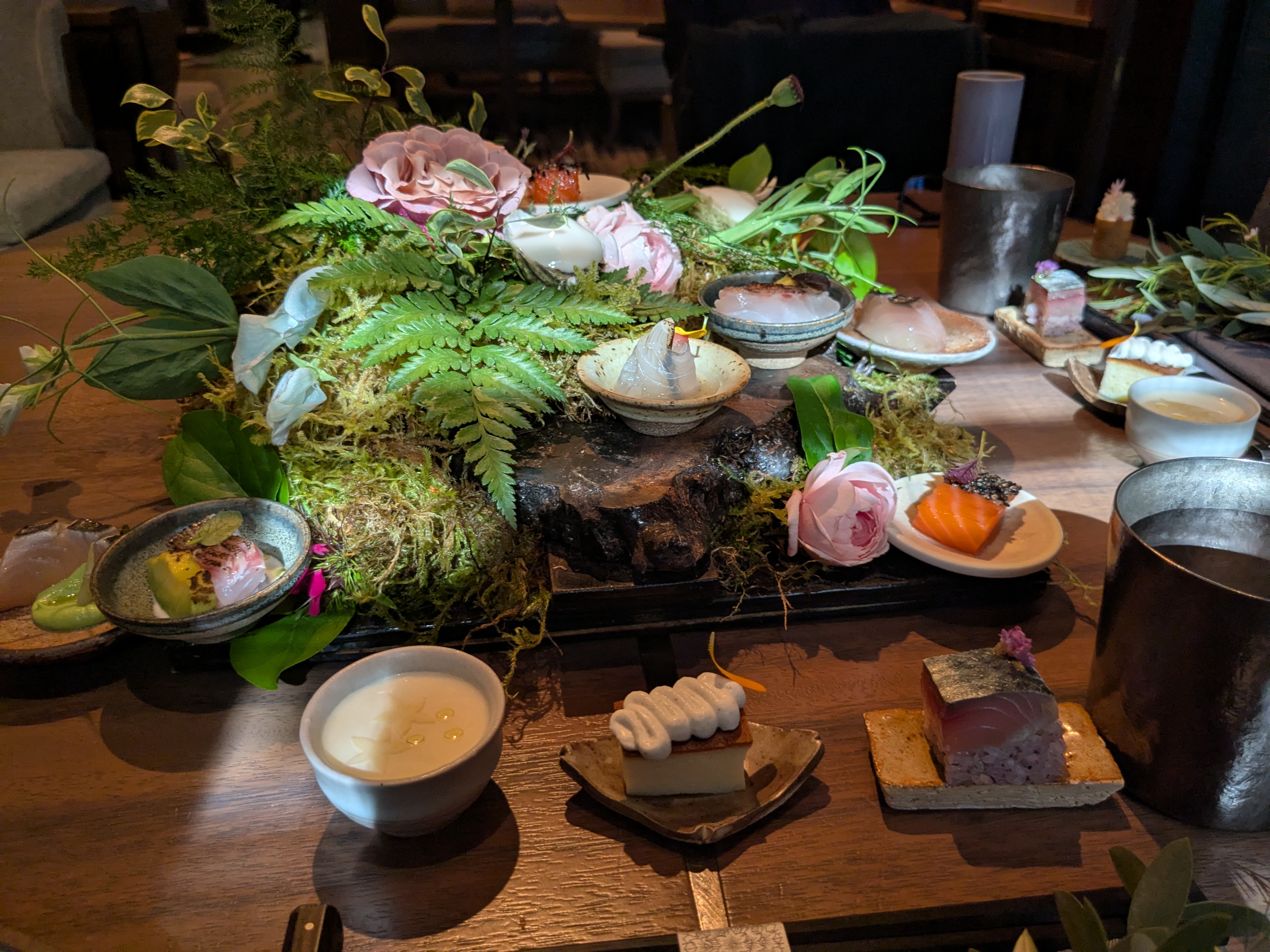
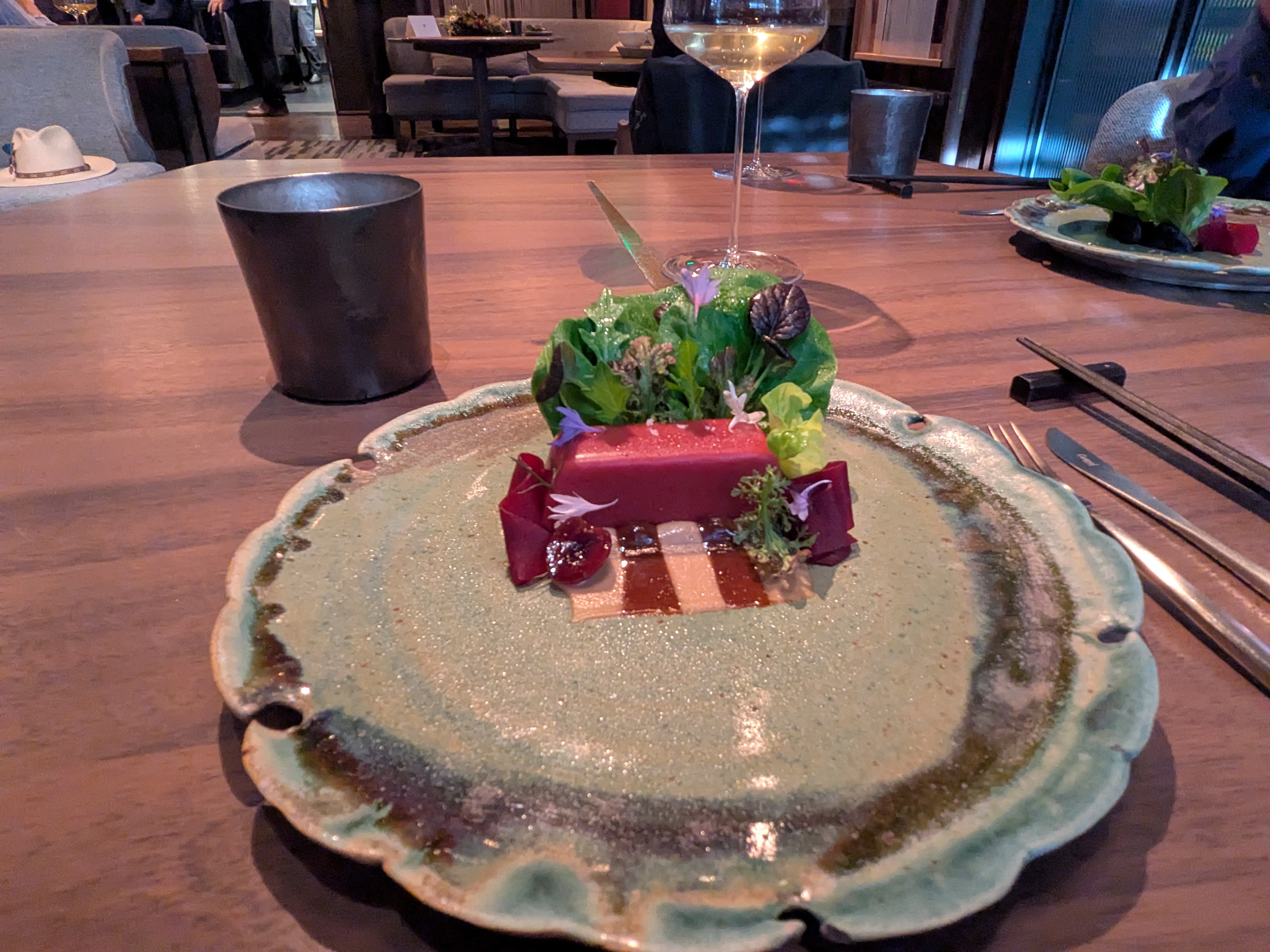
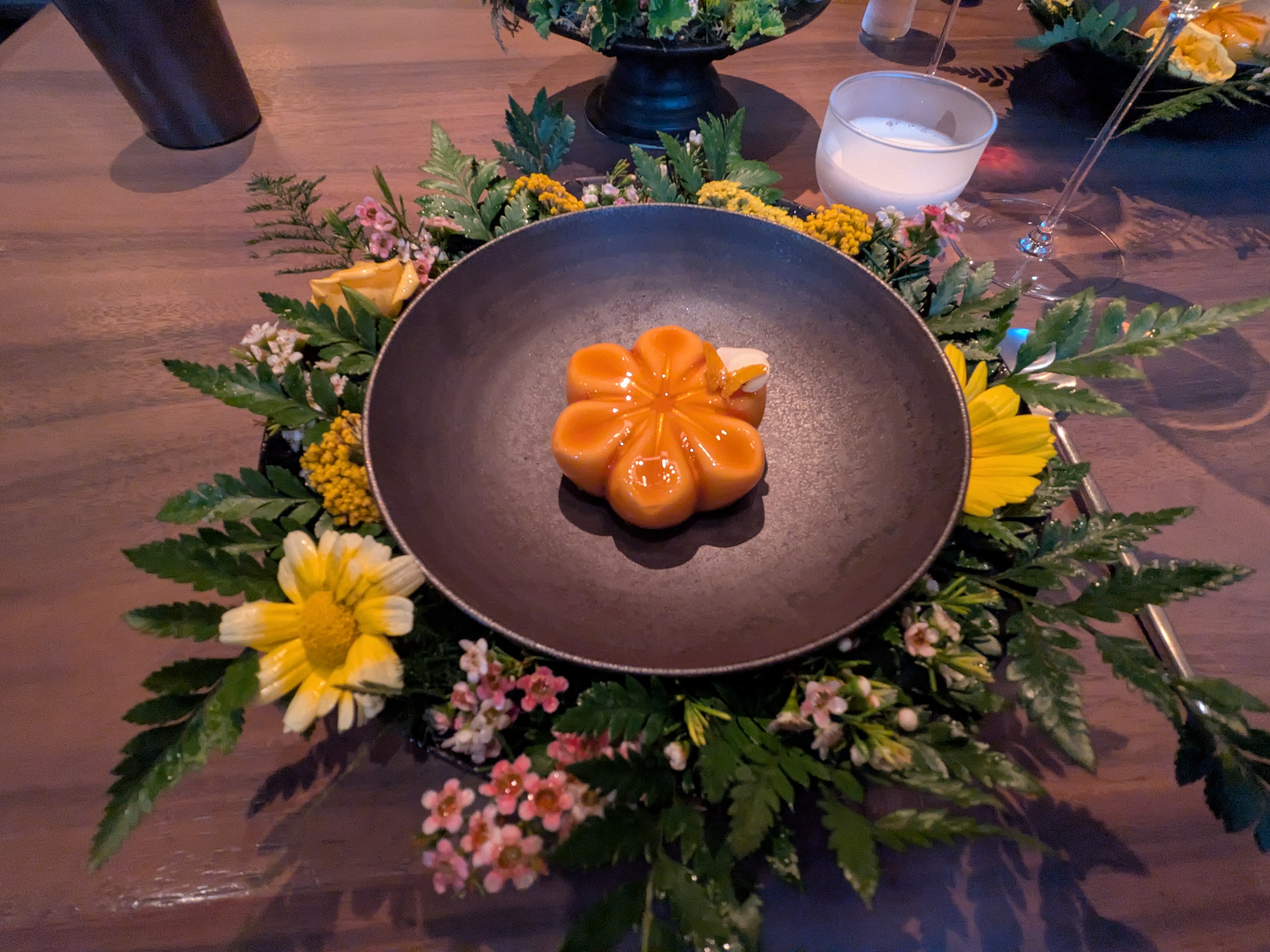
I don’t remember when we started celebrating birthdays and anniversaries with fine dining in Michelin restaurants. In the birthday celebration earlier this month, we had an amazing experience at the Single Thread. Located in Healdsburg,California, Single Thread has its own organic farm and serves a set menu.  It comes across as a fusion of 20% French with cheese/butter, 10% California, and 70% Japanese Kaiseki style. 

The 3-Michelin-stars Single Thread in Healdsburg has been arguably the most expensive birthday dinner.  Without wine, it costs about $700 per person for a set menu. At the end of the day, do I remember $700 more or do I remember the very memorable dining experience on my birthday? The latter without a question.  


The Berlin Facil Michelin Experience

Located close to the venues of the Berlin Film Festival, this 2-Michelin-star restaurant is among my very favorites. It is not a set menu. We all can pick what we like the most.  Some fine dining restaurants do not strike the balance between attentive service and put the diners at ease.  Facil just strikes the perfect balance in its service.


The Buenos Aires Don Julio Michelin Experience

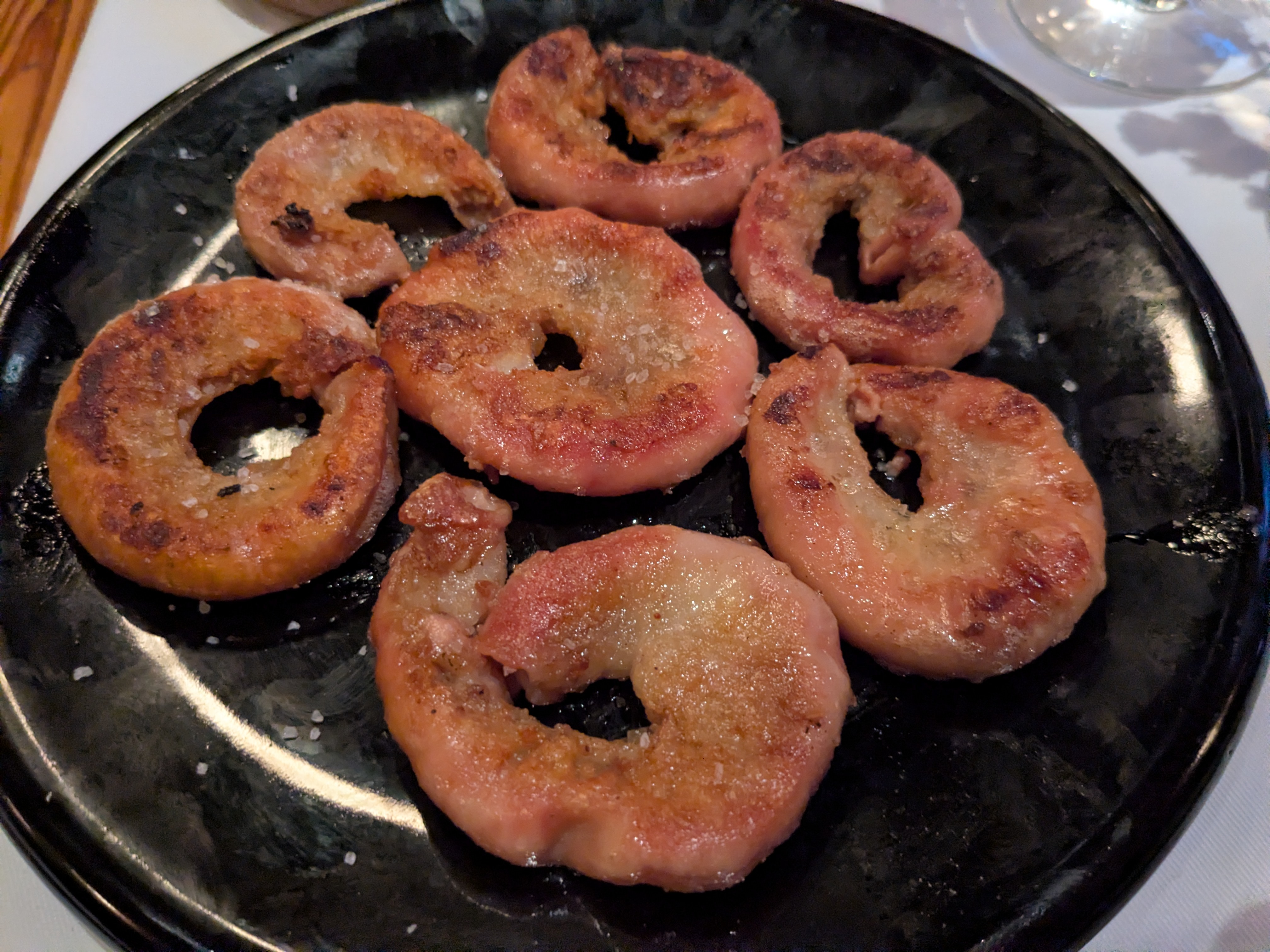
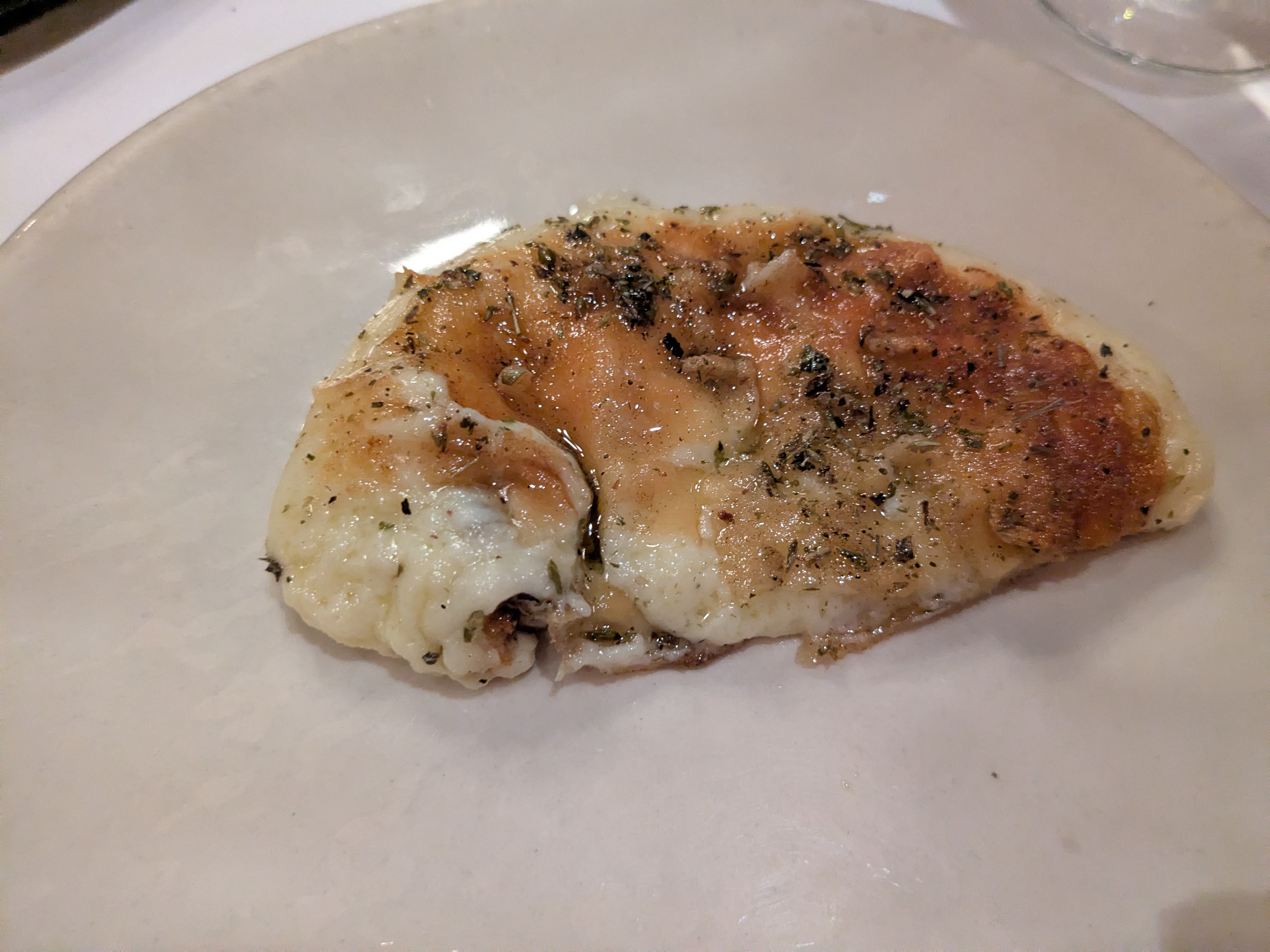
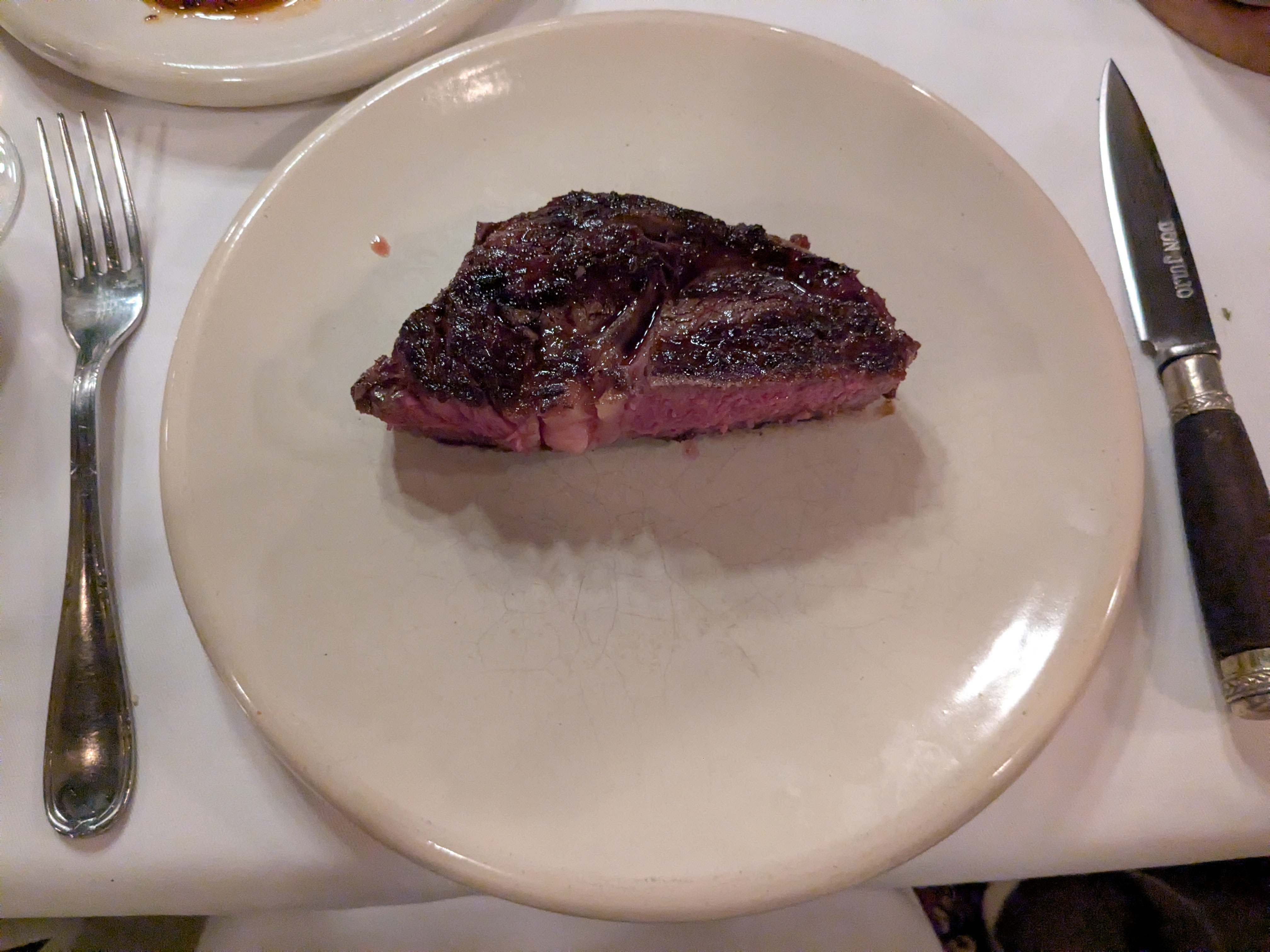
Some consider this as the best restaurant in Latin America and ranked in the top ten of the world. Located in the Buenos Aires Palermo area, Don Julio lives up to the 1-Michelin-Star rating. It is not easy to get a reservation but not impossible. Even with reservation of the first evening slot, foodies can expect to line up outside of the restaurant before the restaurant opens at 7pm; and be prepared that some servers may not be very fluent in English. 


The Unique Manresa Michelin Experience

Manresa was a restaurant in Los Gatos, California that specialized in California cuisine. It was founded in 2002 by chef David Kinch. It earned three Michelin stars in 2016. In one year, Forbes rated Manresa the best restaurant in the United States. In November 2022, Kinch announced Manresa’s closure with its final day being December 31 of that year. 

 Manresa was among the first Michelin-star restaurants we visited during special occasions.

Manresa was among the first Michelin-star restaurants, if not the first, we visited during special occasions. It was many years ago, when it was a 3-Michelin-stars restaurant and was arguably closest to our residences. We went to celebrate our wedding anniversary. We did not know what to expect and ended up more than impressed. The dining memory has unfortunately faded over the years; and at that time, there was not yet the practice of taking photos using mobile phones to immortalize the experience. After a good number of fine dining experiences, the detailed experiences become hard to recall.

We would however always remember Manresa. Like other 3-Michelin-stars restaurants, its exterior is not eye-catching. We overshot and needed to make a U-turn in some side street in a seemingly residential area. Our wedding anniversary is in October. It was somewhat dark in the neighborhood. That was before Google Maps. We had to find a safe spot to make a U-turn.  Maybe there was a sign that said no U-turn.  Just when we did the U-turn, a police car showed up out of nowhere. The police ended up giving us a traffic ticket!!!  We went ballistic. Traffic tickets in California are never cheap. Thankfully we recovered just before the dinner to have a good time, and not let that spoil the occasion. Over the years, sometimes, I still ponder that had we told the police that we were celebrating our wedding anniversary, would he let us go without a ticket. We would never know, but in the grand scheme of life, this forever memory may just be worth more than the ticket. 


The Best Price-Performance Michelin Experience

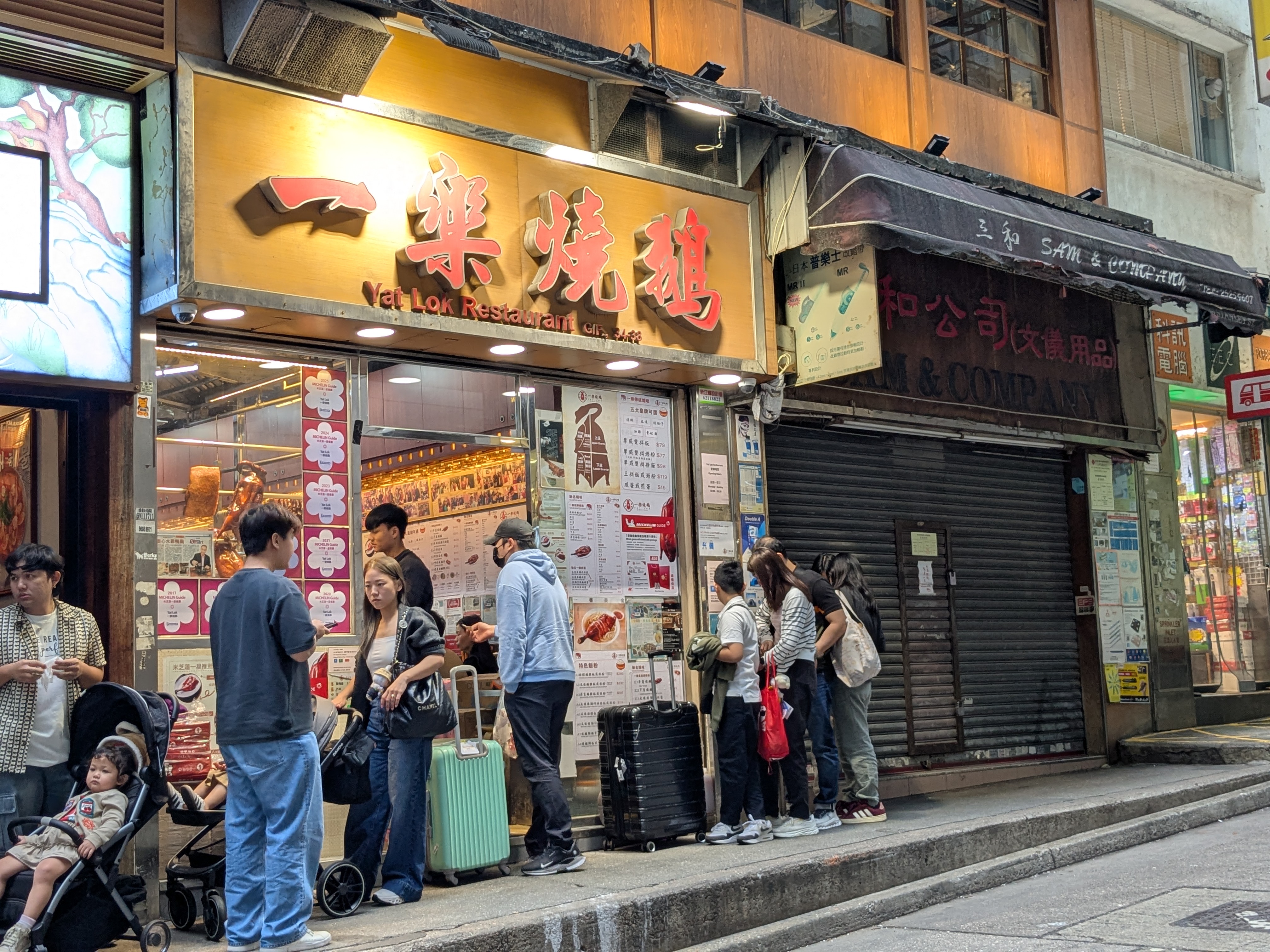
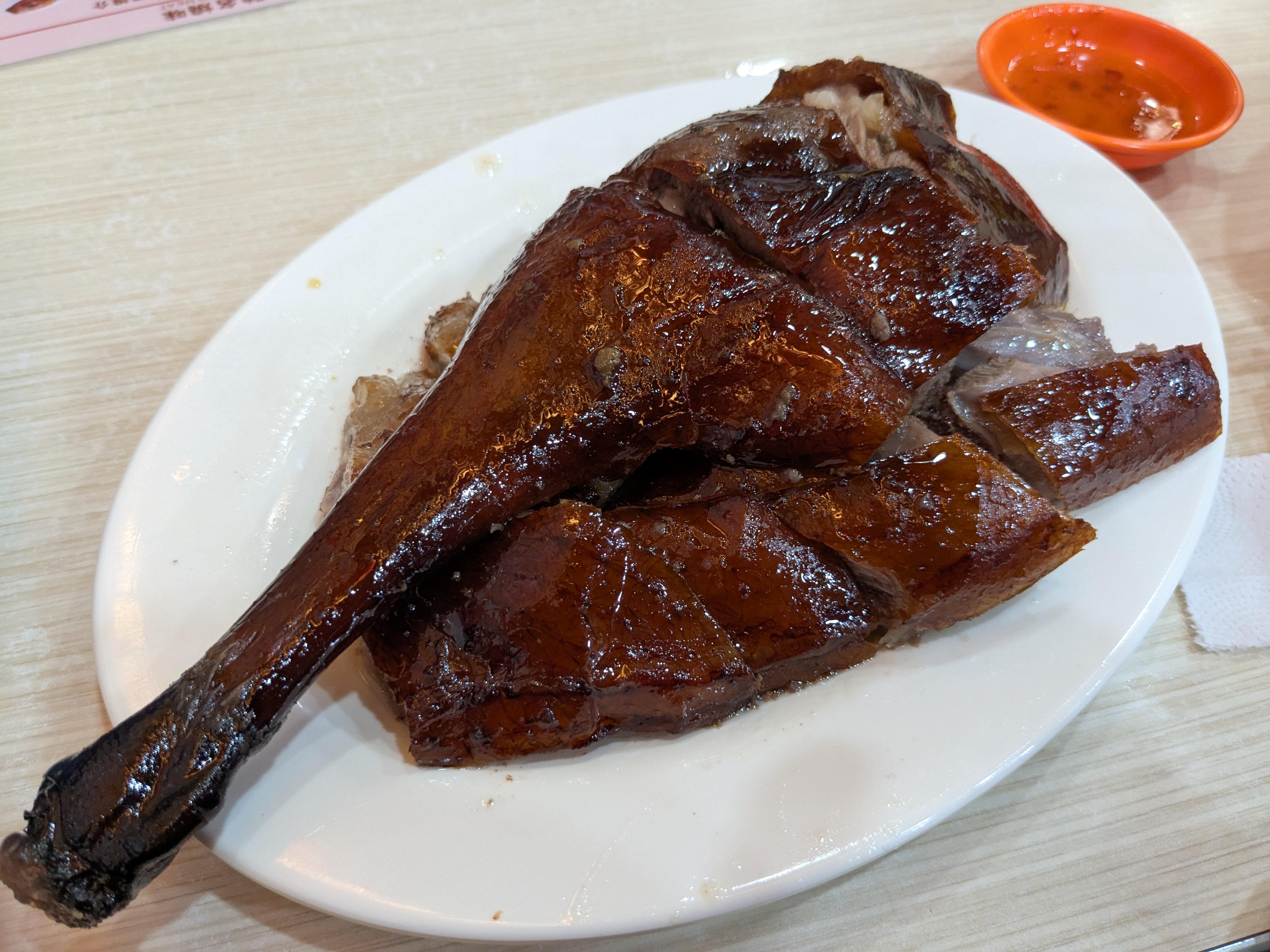
Among the Michelin restaurants, this 1-Michelin-star Yat Lok Roasted Goose definitely is a living evidence of how foodies can compromise comfort for tasty food. Located in Central, Hong Kong, the street is not well maintained. The restaurant’s exterior is unassuming and looks no different from many BBQ shops commonly found in Hong Kong. There is always a line outside across the street. The service is at best a 3 out of 5.  The restaurant does not take reservations and in fact, they do not have individual tables. The interior is so crowded that we are just a couple of feet away from other diners, complete strangers, sharing the same table. The food makes the wait worthwhile, and the price is affordable for this 1-star Michelin experience, so that I would return on my next trip to Hong Kong. This Yat Lok is among the most unique Michelin Experience. Yet, in Hong Kong, there are just so so so many restaurants serving super delicious roasted ducks. If it is not for its Michelin star, would I visit Yat Lok? And how many Michelin Stars would the Michelin Inspectors give to the many many other shops in Hong Kong serving roasted ducks?

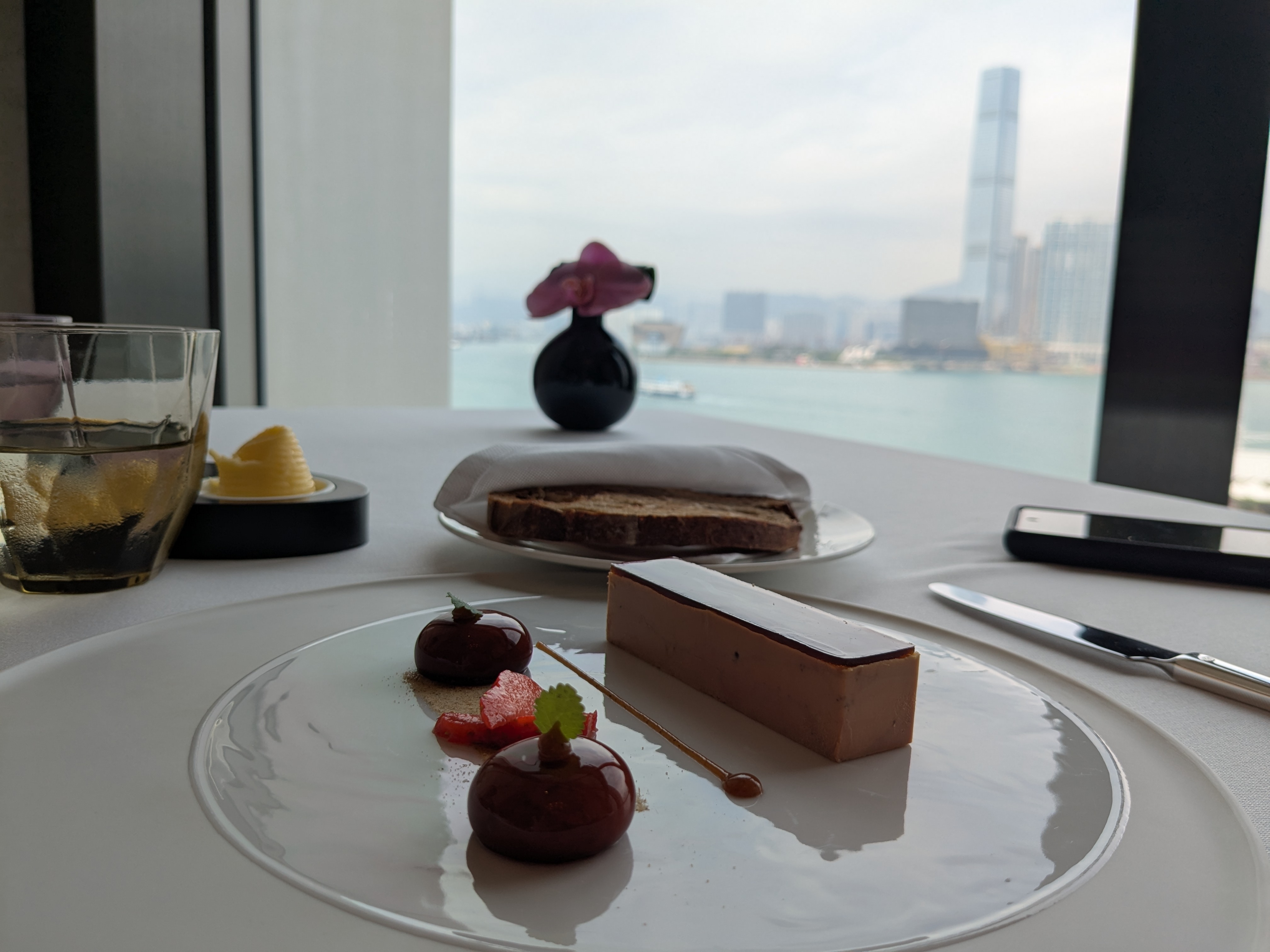
Within the same central area, there is a 3-Michelin-stars restaurant Caprice. Located in the upscale Four Seasons hotel, Caprice stands tall with its Michelin stars and its harbor view.  The harbor view and busy harbor traffic are scenes that one would not get tired of watching. The harbor view pairs perfectly with the fine cuisines and the perfect service. Its location makes it a great place for business or executive lunches. Its price is attractive compared to other three-Michelin-stars too.  Ask for a window seat on your visit.


Leave a comment »

The Michelin Dining

Over the years, we, foodies, have enjoyed the wonderful dining experiences of 35 Michelin Stars. In every way, these experiences live up to the Michelin star system definition. 

1-Michelin-star  (★) brings a very good restaurant with high quality cooking, consistency and is worth a stop.
2-Michelin-stars (★★) bring excellent cooking, with skilled and inspired cuisine, and is worth a detour.
3-Michelin-stars (★★★) are exceptional, a destination in itself and worth a special journey.

These Michelin stars are reviewed and updated annually. The restaurants must prove their quality and consistency every year to keep, gain, or lose their rating. Some award winning chefs get so burned out by these ratings and other similar cuisine ratings that they sometimes will start new restaurants. The ratings for the world’s no. 1 restaurant has been revised such that when a restaurant gets awarded the no. 1 in the world for the year, the restaurant stays on the list of no. 1 for good. I am almost happy for the chefs!

Our 35 Michelin Stars comprise over twenty restaurants, five 1-Michelin-star restaurants, two 2-Michelin-stars, and others 1-Michelin-star.

Dining at the 3-Michelin-stars restaurant is a one of a kind experience. They are for very very very special occasions. Even after the menu and the fancy dish names escaped our memory, the total dining experiences remain in the memories for a very very very long time.  

The Best of the Best

Dining at the world’s no. 1 restaurant, Noma in Copenhagen (2016) and French Laundry in Yountville, California (2023), have proven a lifetime experience.  

These top restaurants differ in their cuisines, there are some unexpected commonalities.

These best of the best don’t look like a palace on the outside, they are not gold-plated. In fact, they are almost hidden. They are often located on a street with pedestrians. They almost make an effort to hide them from the crowd. It exudes “I am the best of the best, and only those who make a special trip and pay special attention will find me”.  They are thoughtfully designed inside, but not fancy nor luxuriously high class decor that sometimes can make one uncomfortable or distracted. It is as if the decor cannot take the attention away from the cuisine they prepare, and that the diners can be comfortable and be served attentively to enjoy the offerings. The serving crew is nicely dressed up, they anticipate the diners’ needs, but skillfully leave the diners alone to enjoy. What a skill to have!

The best of the best have their own farm. It is a message that they are so particular about their creations that they have to start with growing their own ingredients. It is also a message that the ingredients have to be fresh. Foodies can relate that food tastes the best when fresh—corn, strawberries, tomatoes to just name a few. Their farms are mostly herbs and vegetables. If there are choices, they would like to raise their livestock and animals. I highly recommend signing up for those tours before the meal, and have a chance to ask some questions about the restaurants. 

The best of the best also welcome diners to visit their kitchens when schedule allows.

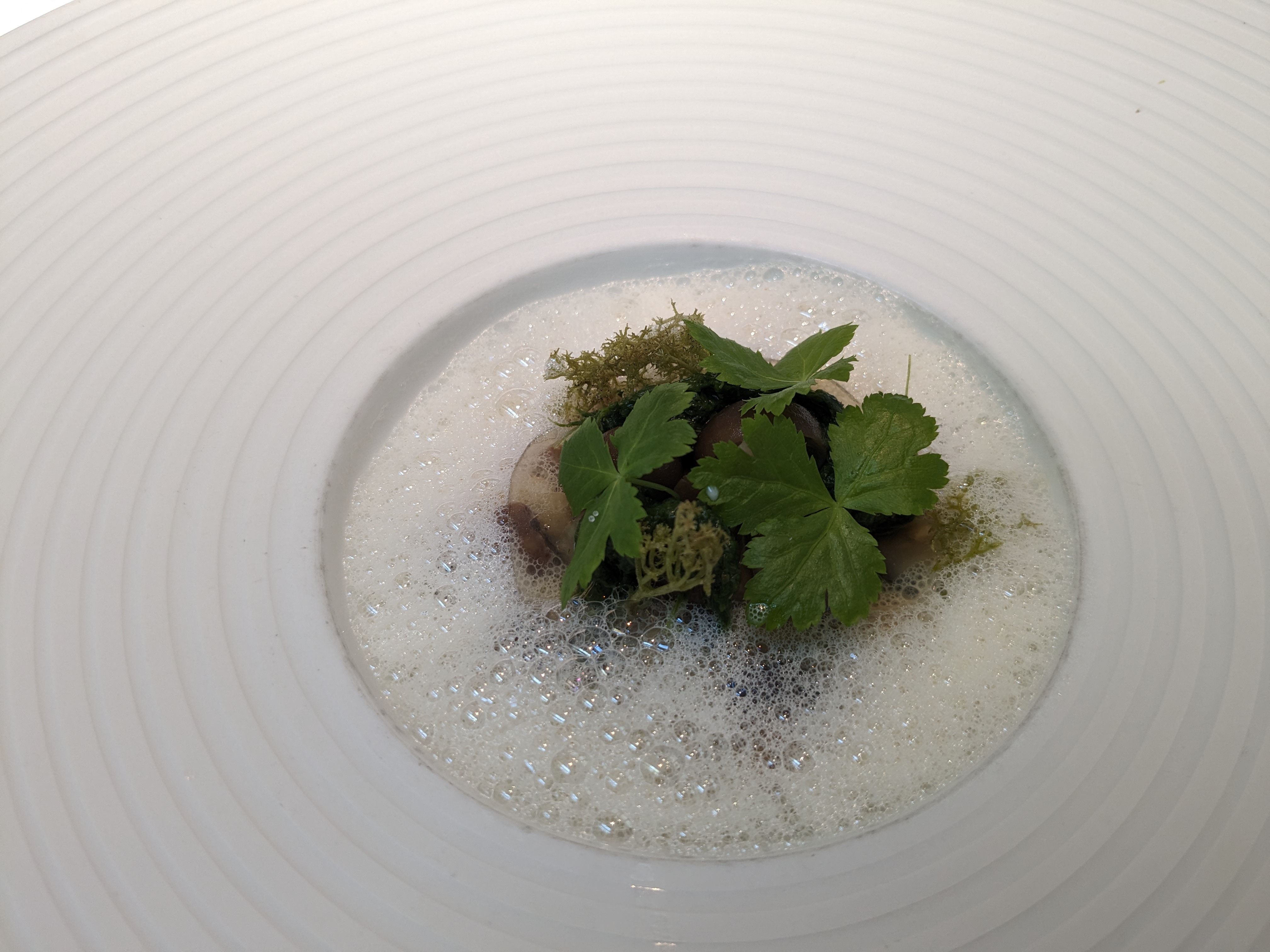
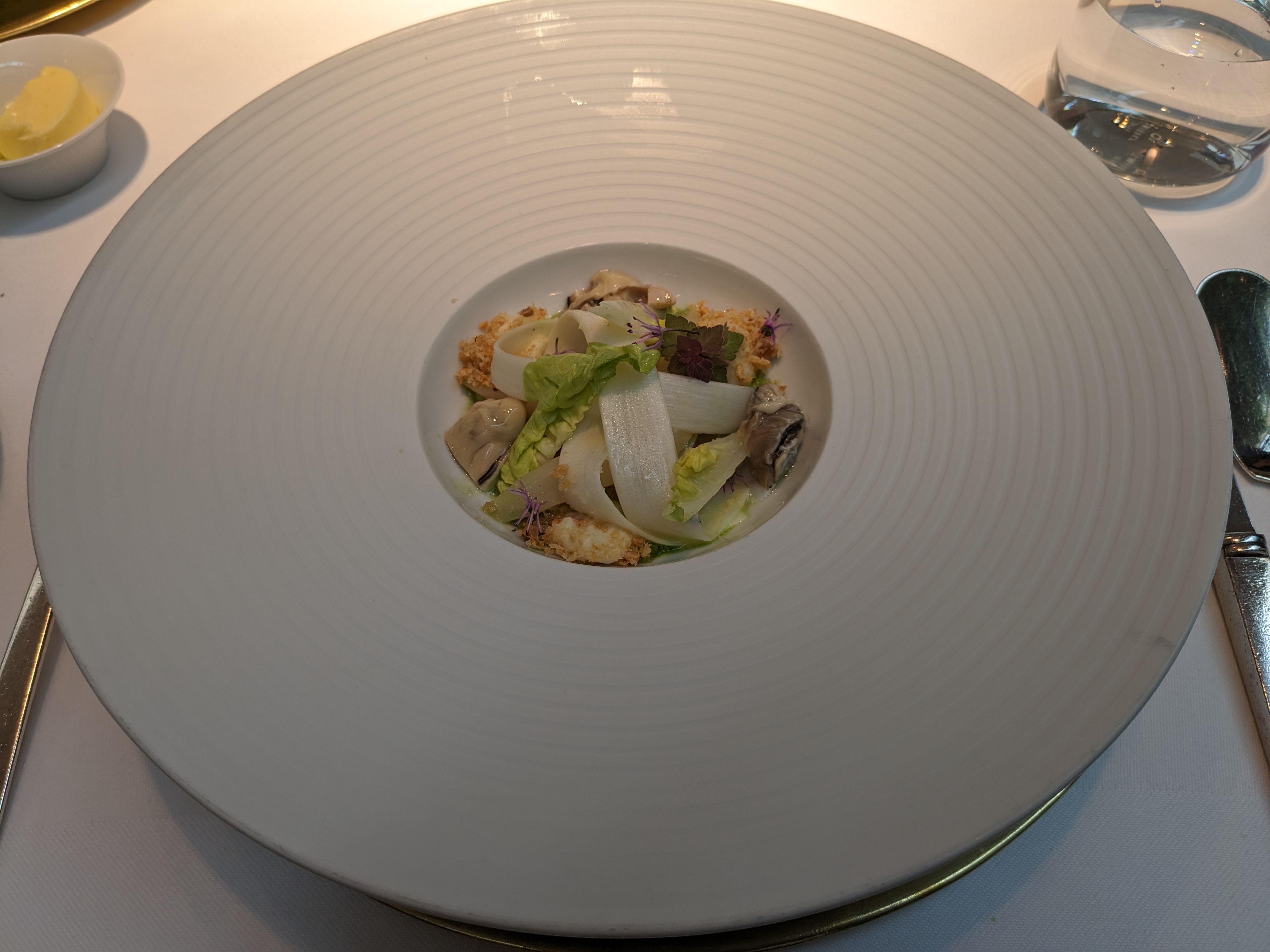
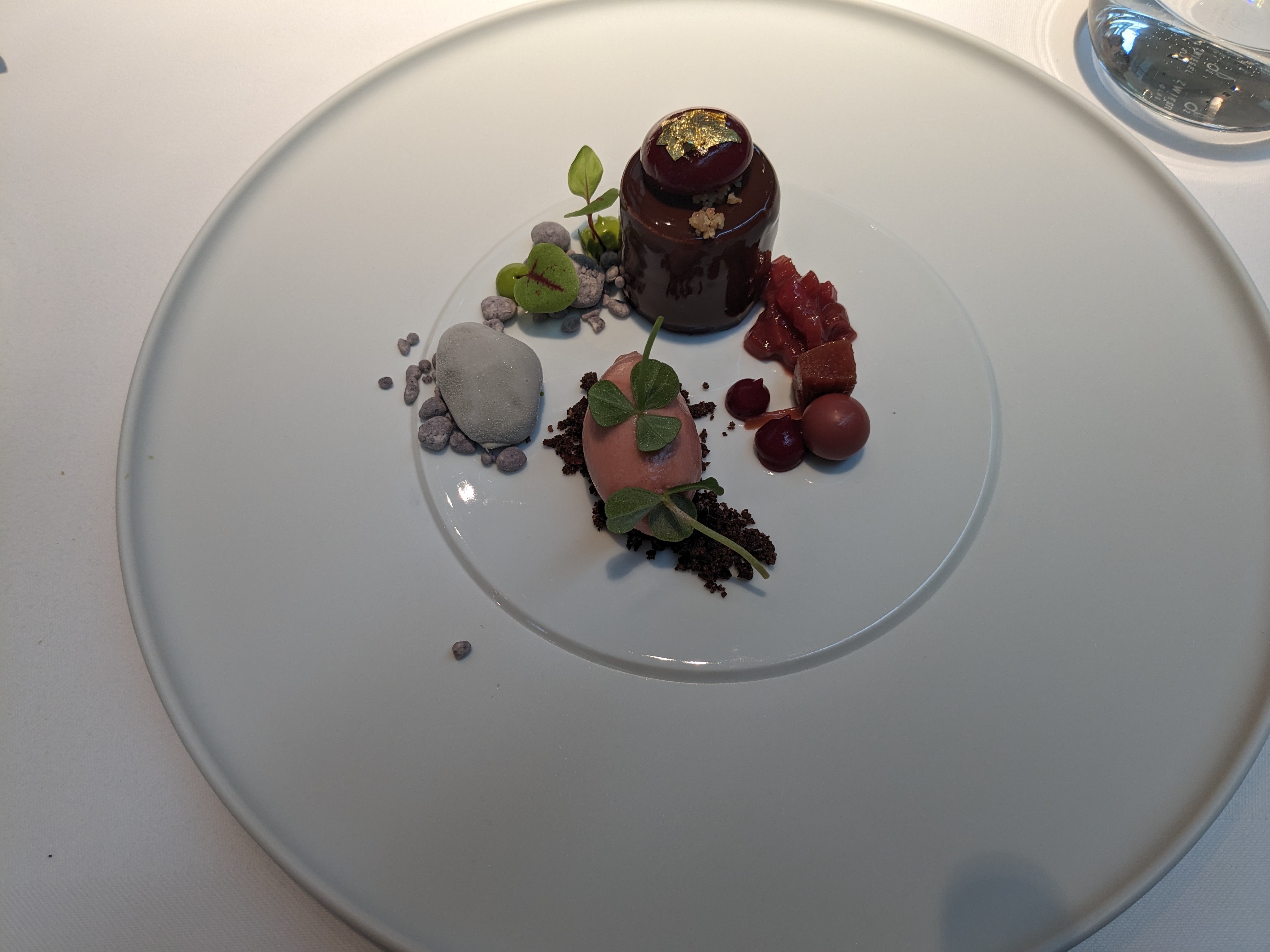
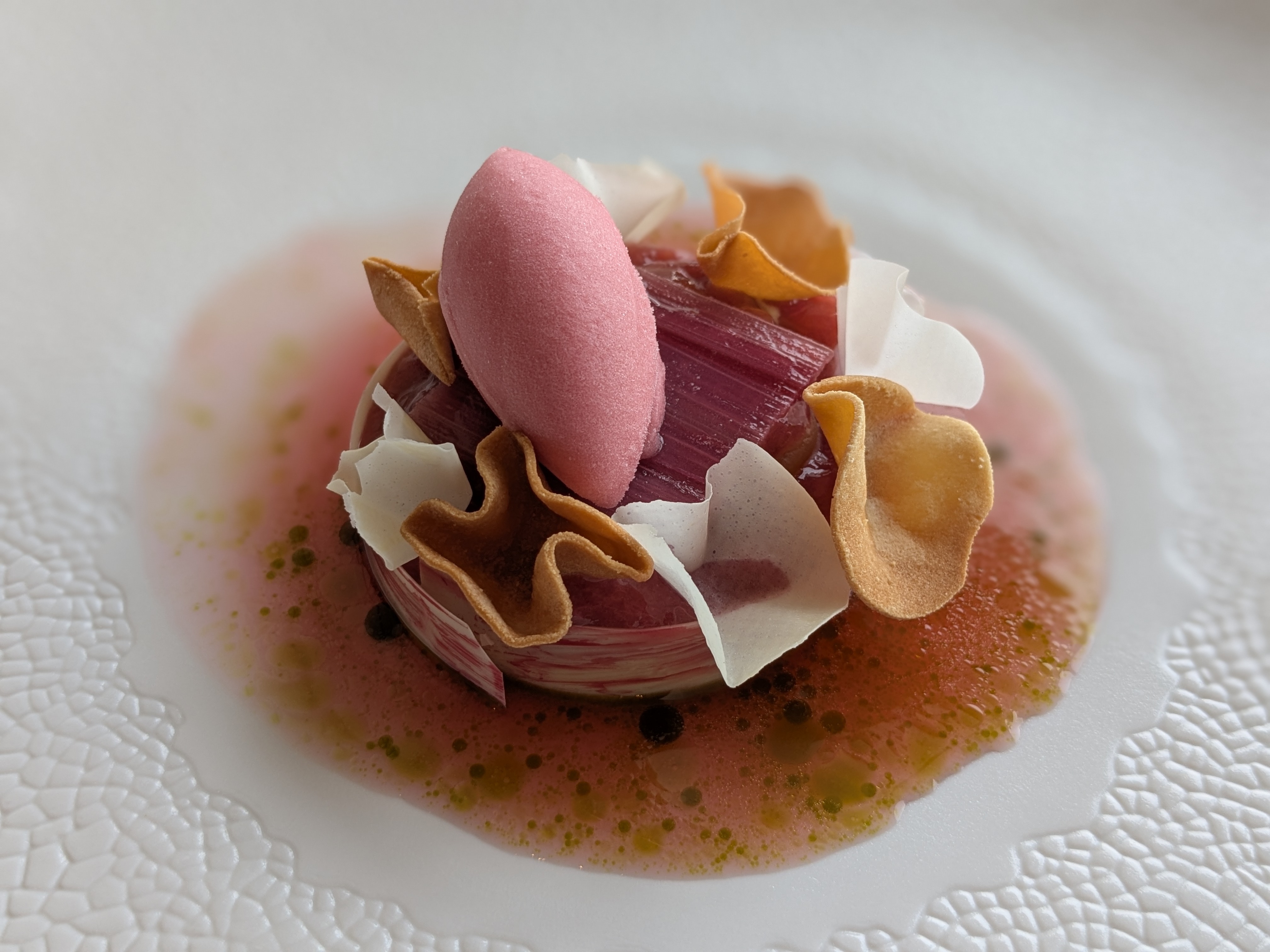
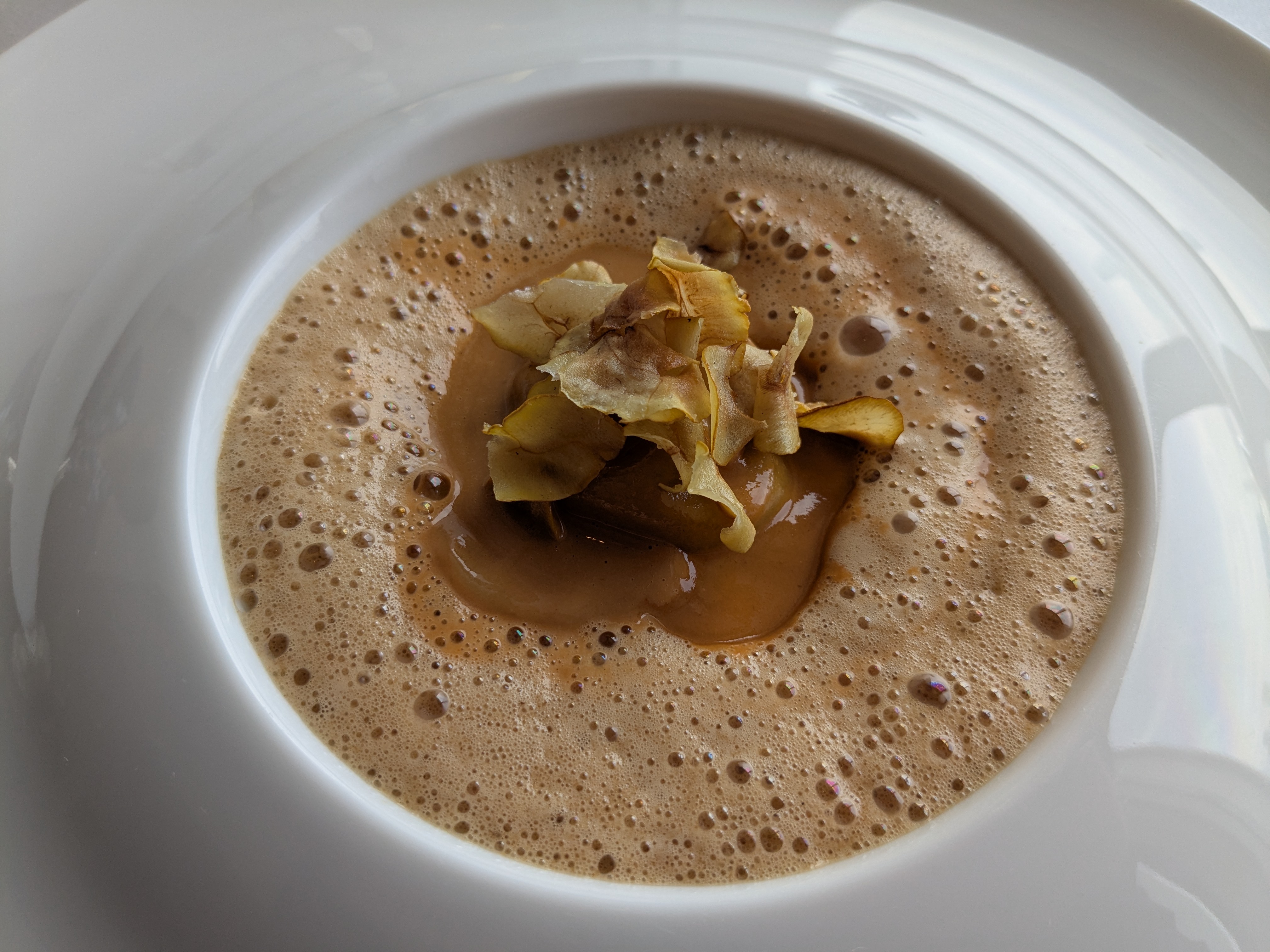
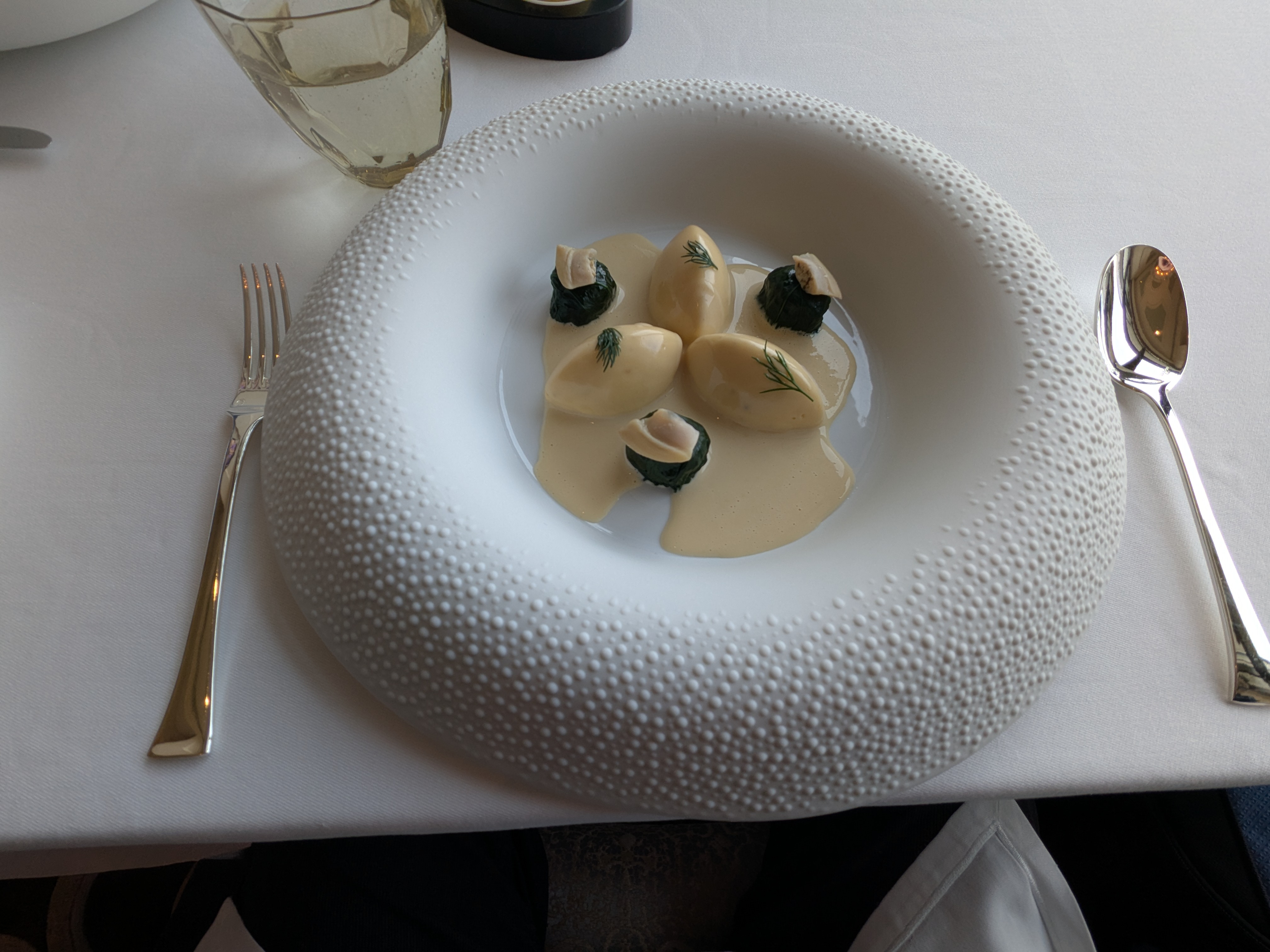
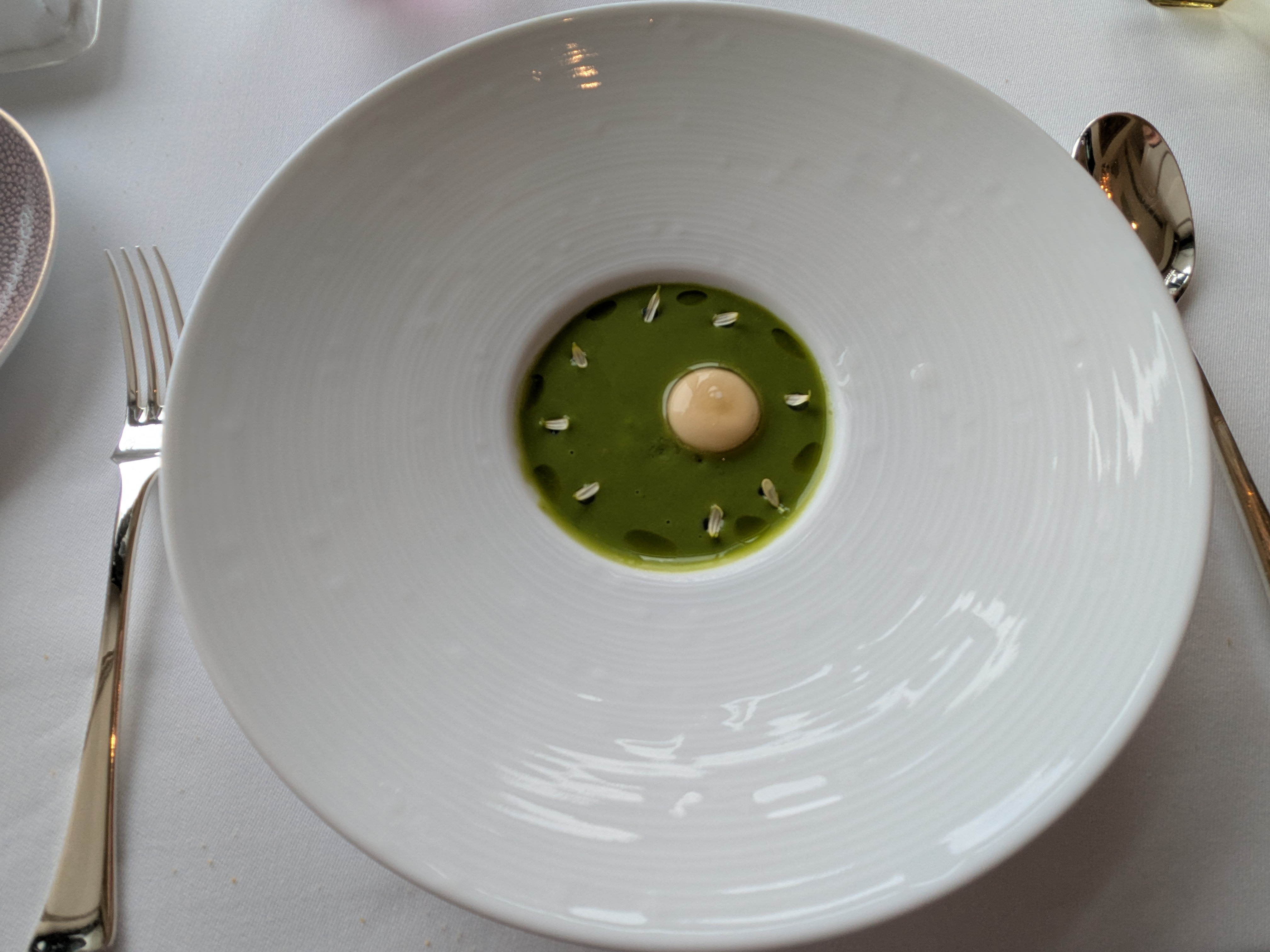
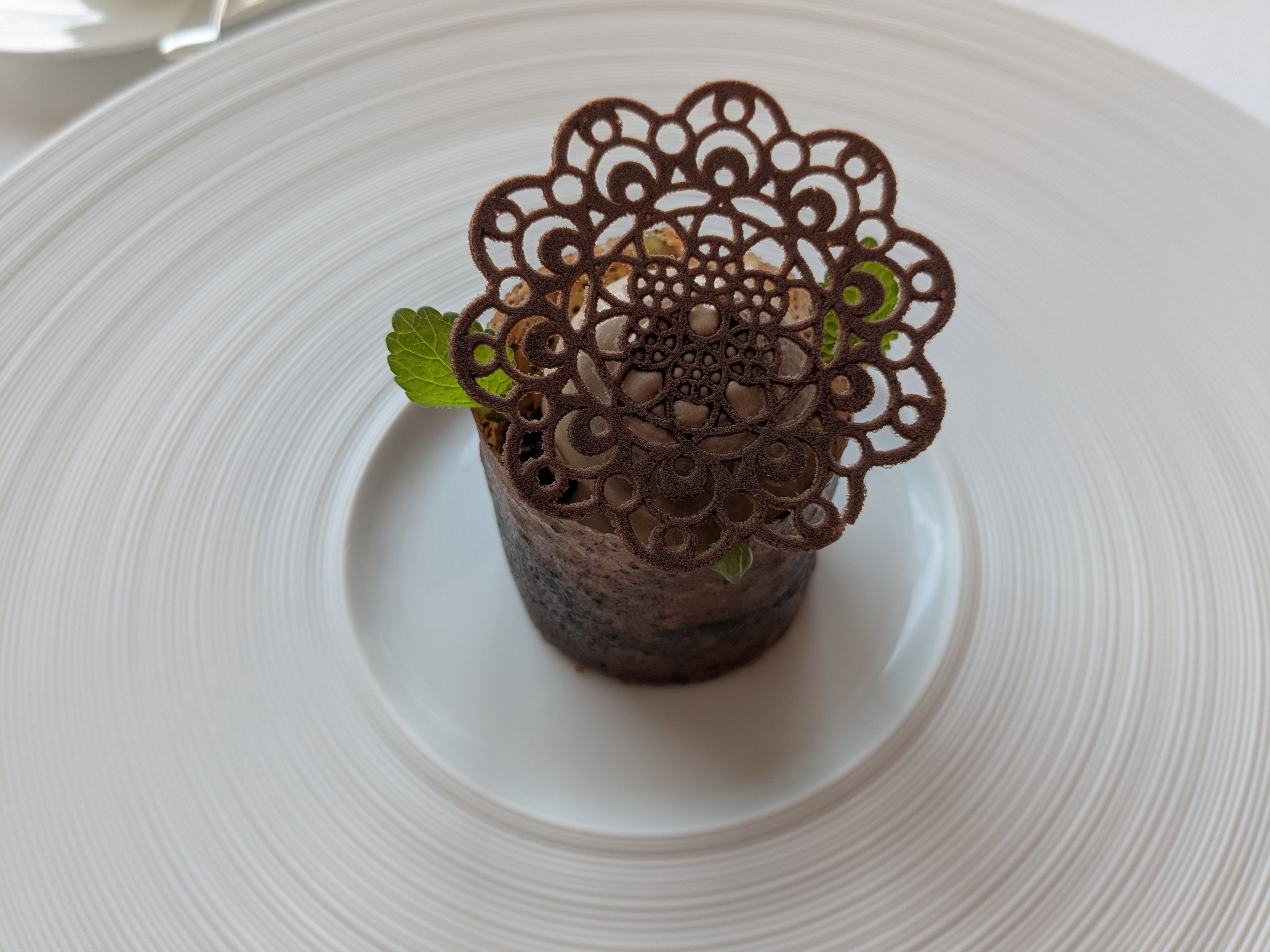
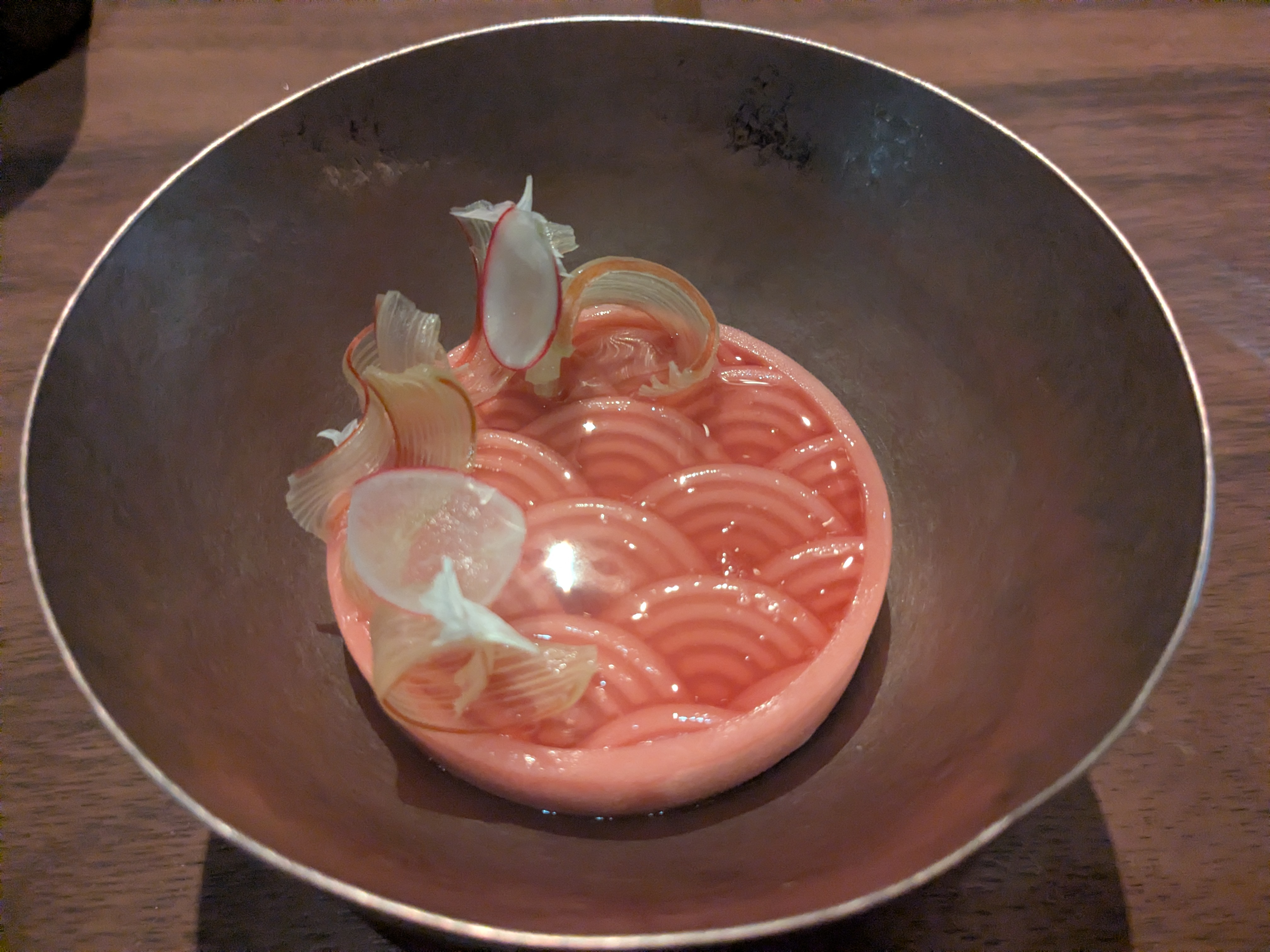
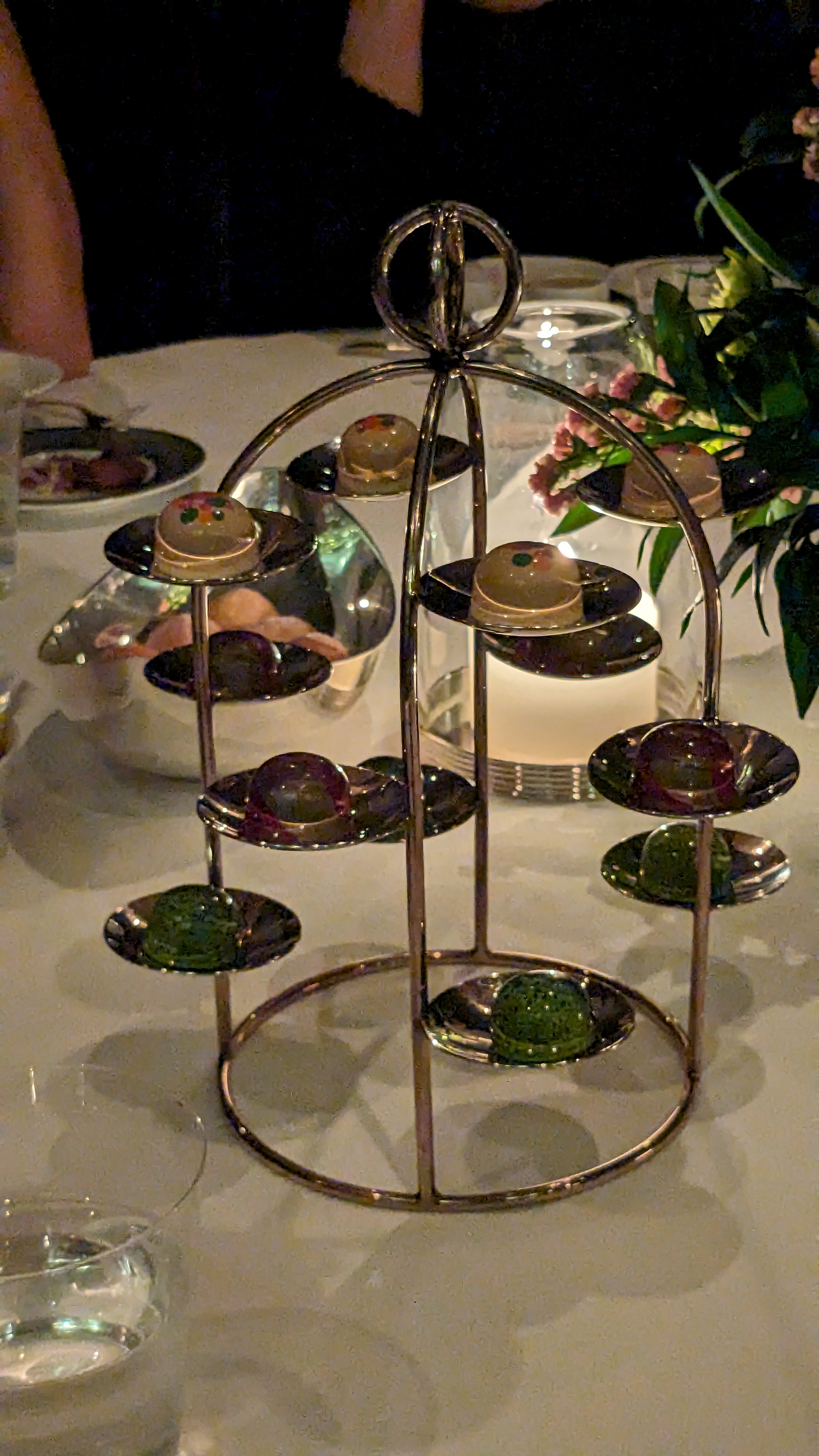
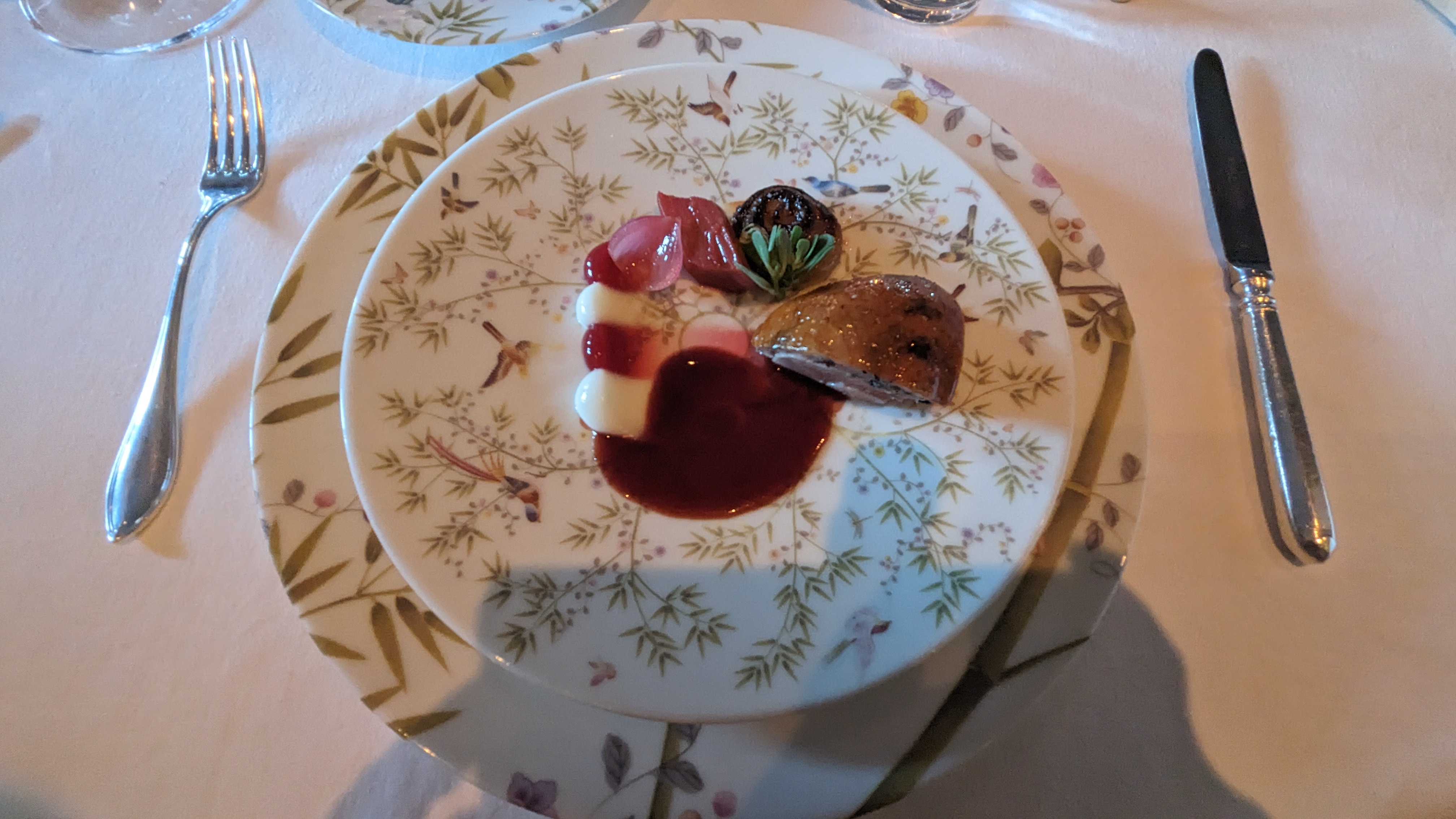
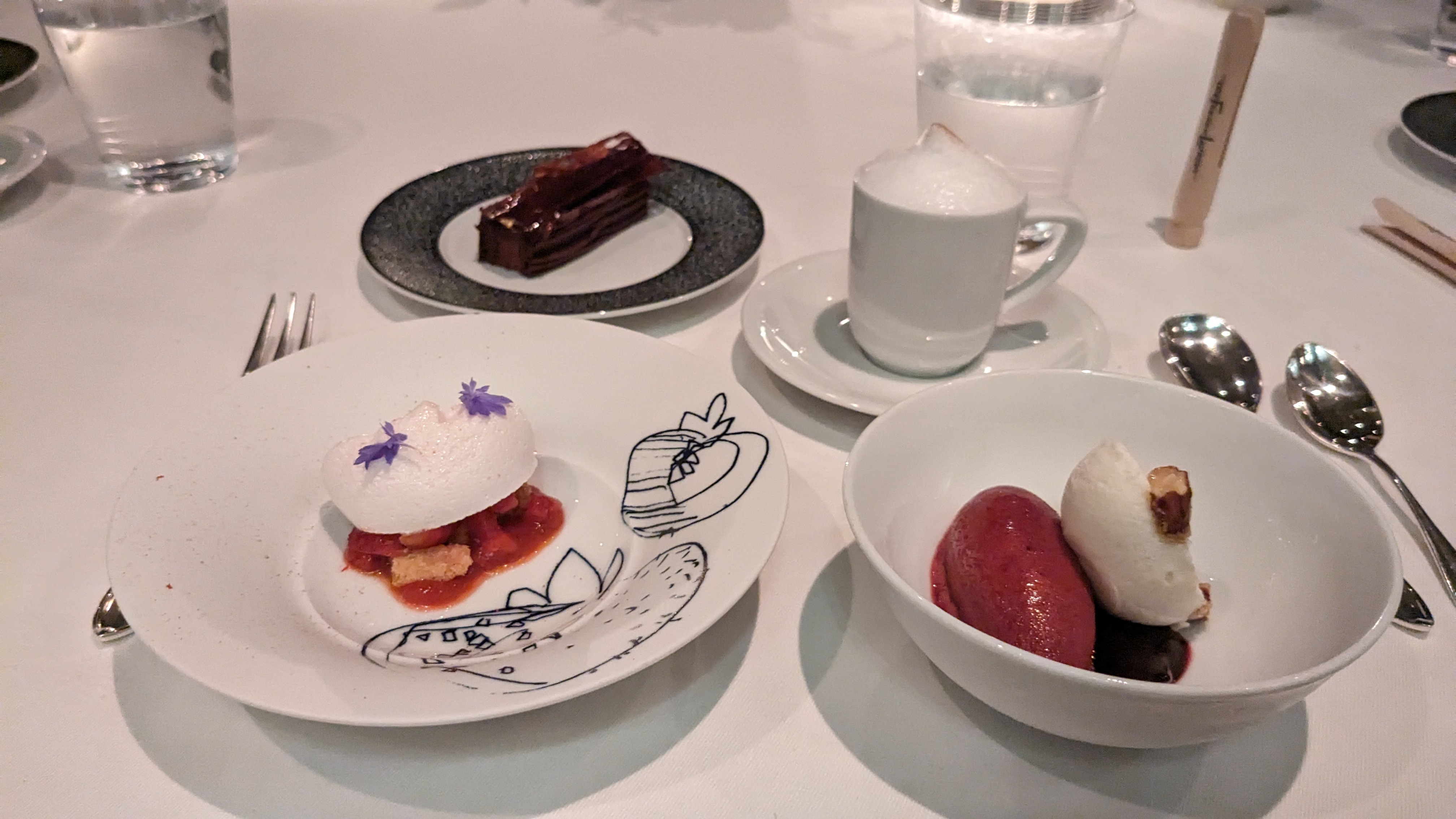
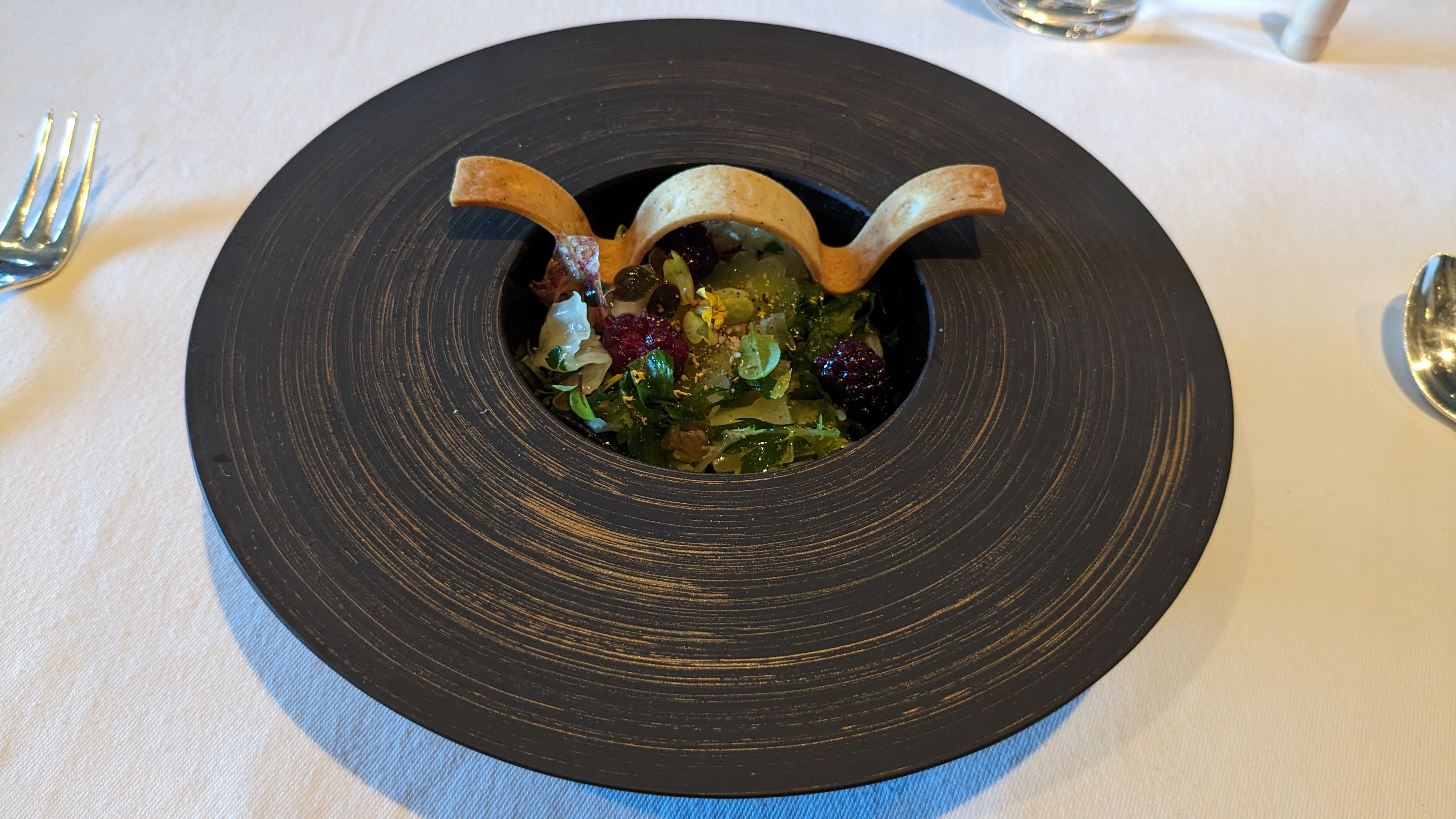
The best of the best offers dishes like pieces of art pleasing to the eyes, to the palate and to the senses.

These experiences often remind me of the limitation in language expressions. These experiences also remind me of the limitation of our memory storage and retrieval to share the food innovations and creations, the meticulous preparation, the beautiful presentation and the tastes. 

More on Michelin restaurants and experiences here.

Leave a comment »