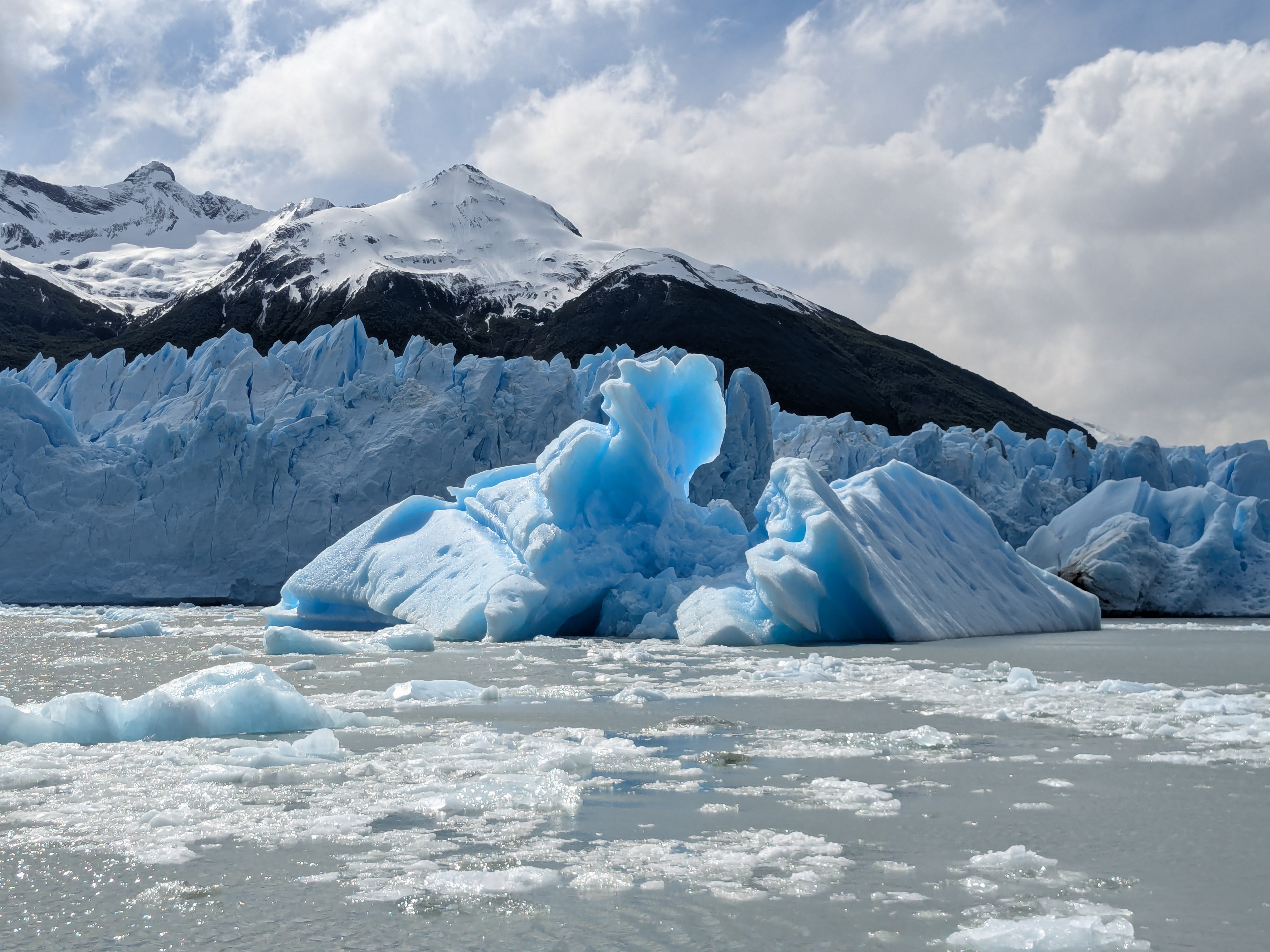
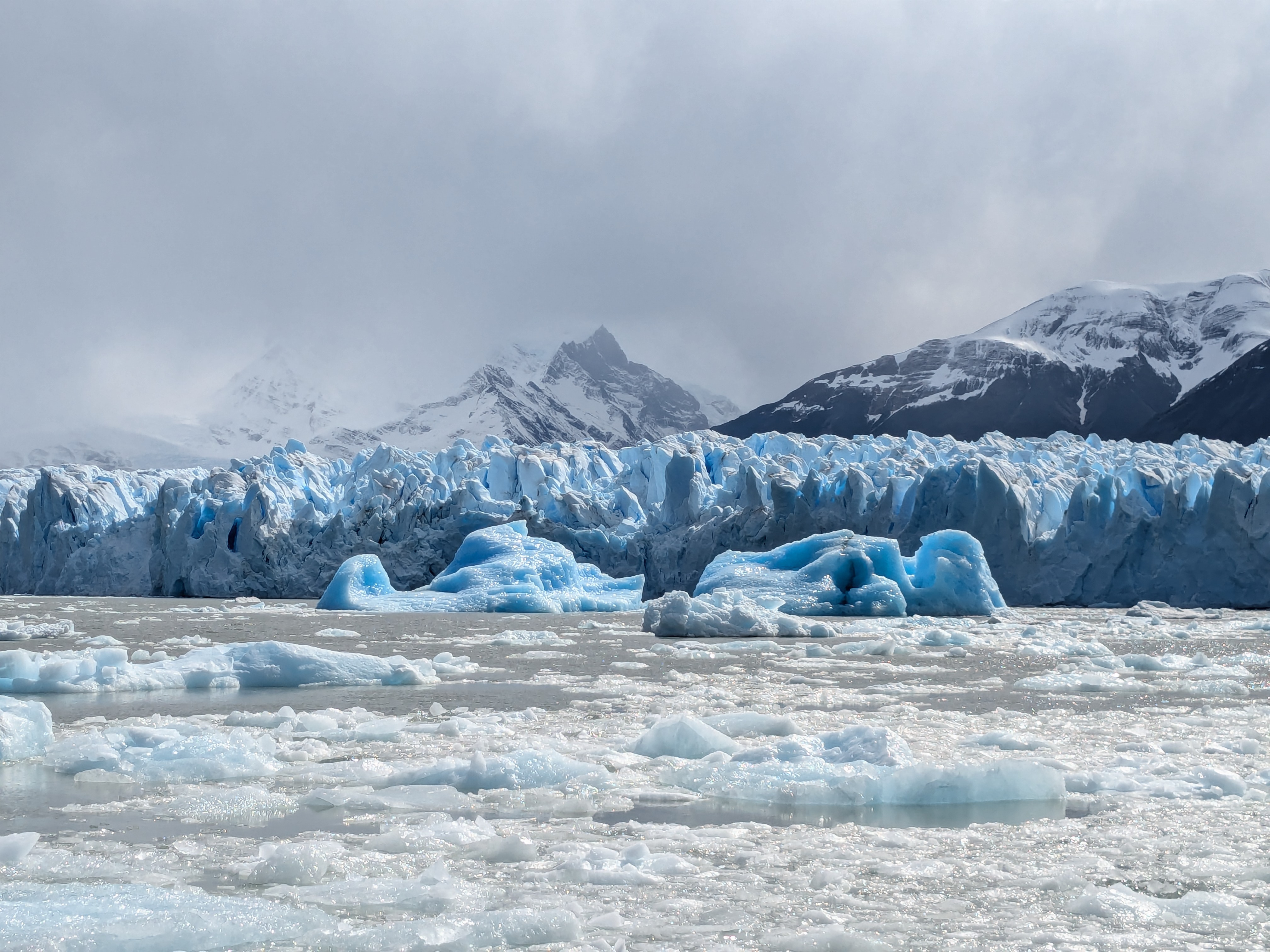
New places usually rank higher on my travel list. But there are exceptions. Alaska is one of the very, very few places I would happily return to again and again.
My first Alaska trip was right after COVID. It was a 2-week trip. I wrote about the Alaskan experiences of a lifetime. This August I travelled back to Alaska. This time on a cruise.
This Alaska cruise was my second ever cruise. My first cruise experience was almost two decades ago. That was a 4-day Mexico cruise on Carnival Paradise departing from Los Angeles. I will always remember this only cruise I took with my late mother.
This Alaska cruise is the second leg of a college reunion to celebrate an anniversary. The first leg was a one-week road trip to Calgary and Banff. We are near retirement or already retired. From Sydney, Melbourne, Hong Kong, Vancouver, Seattle and the Bay Area, we met in Vancouver. We celebrated the anniversary with a sitdown dinner before the cruise and did a Zoom with other classmates who could not join in person. My spouse and I joined the reunion in this second leg, a round trip 7-day Dawes Glacier in Alaska from Vancouver, on Celebrity Solstice.
The cruise check-in process is similar to regular airport check-in. The different cruise companies are like the different airlines. There are a few differences. First, the cruise process is apparently more optimized. The cruise lines had arranged an explicit boarding time window spread throughout the day. There were way more support staff for cruise check-in from the moment you get to the cruise terminal. We dropped off the luggage within a minute or so. The lines moved fast. Second, at airport check-in and customs, the passengers often look busy and stressed; at the cruise check-in, the passengers look forward to getting on the cruise, relaxed and excited. Third, the cruise passengers are diverse in age and groups. There are family groups. There are youngsters. There are the seniors. There are reunion groups like us. The passengers on our cruise are respectful, open to small talk, and comfortable to be left on their own. Seemingly there are singles too for whom the cruise has arranged single-only activities.
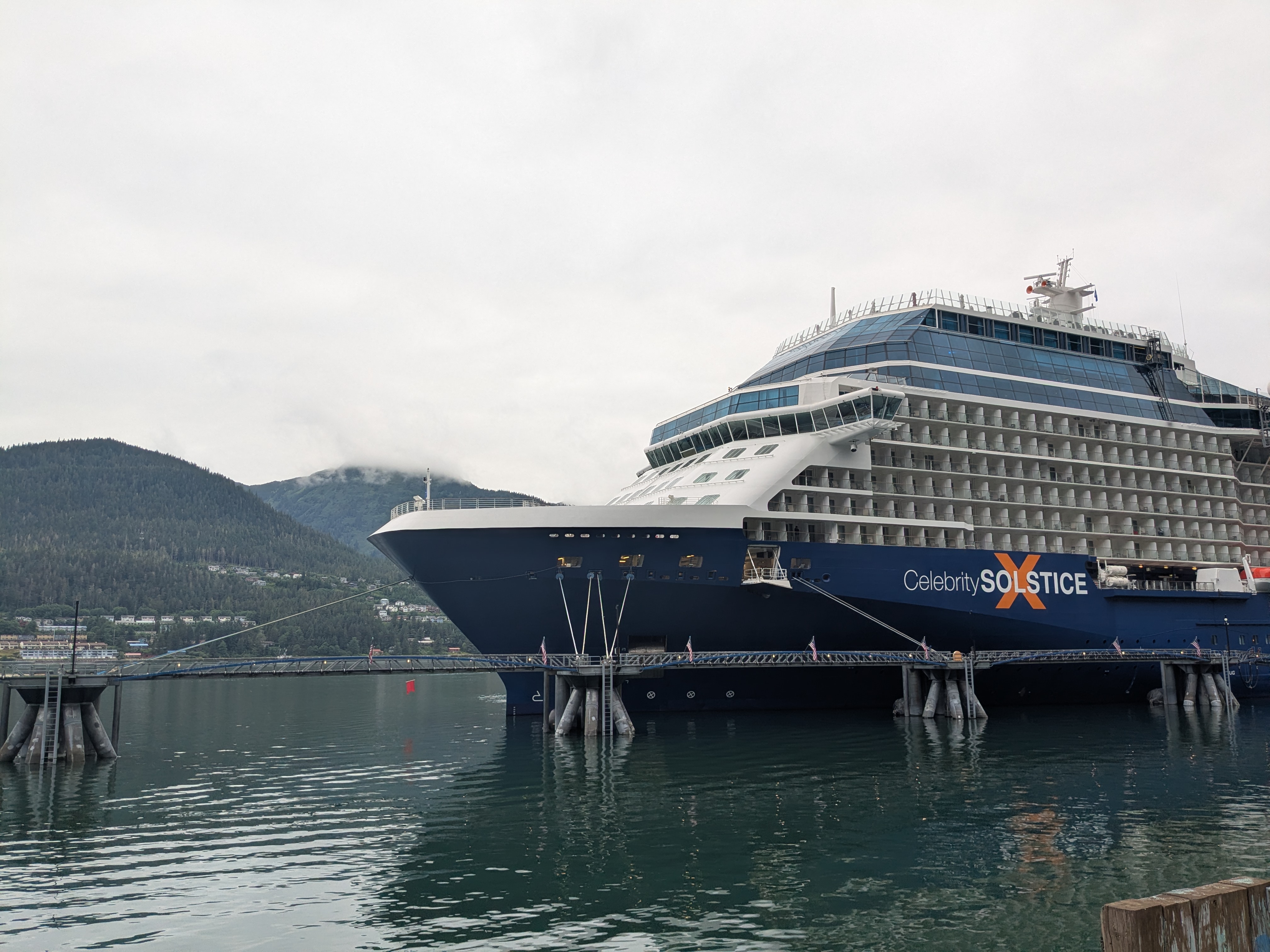
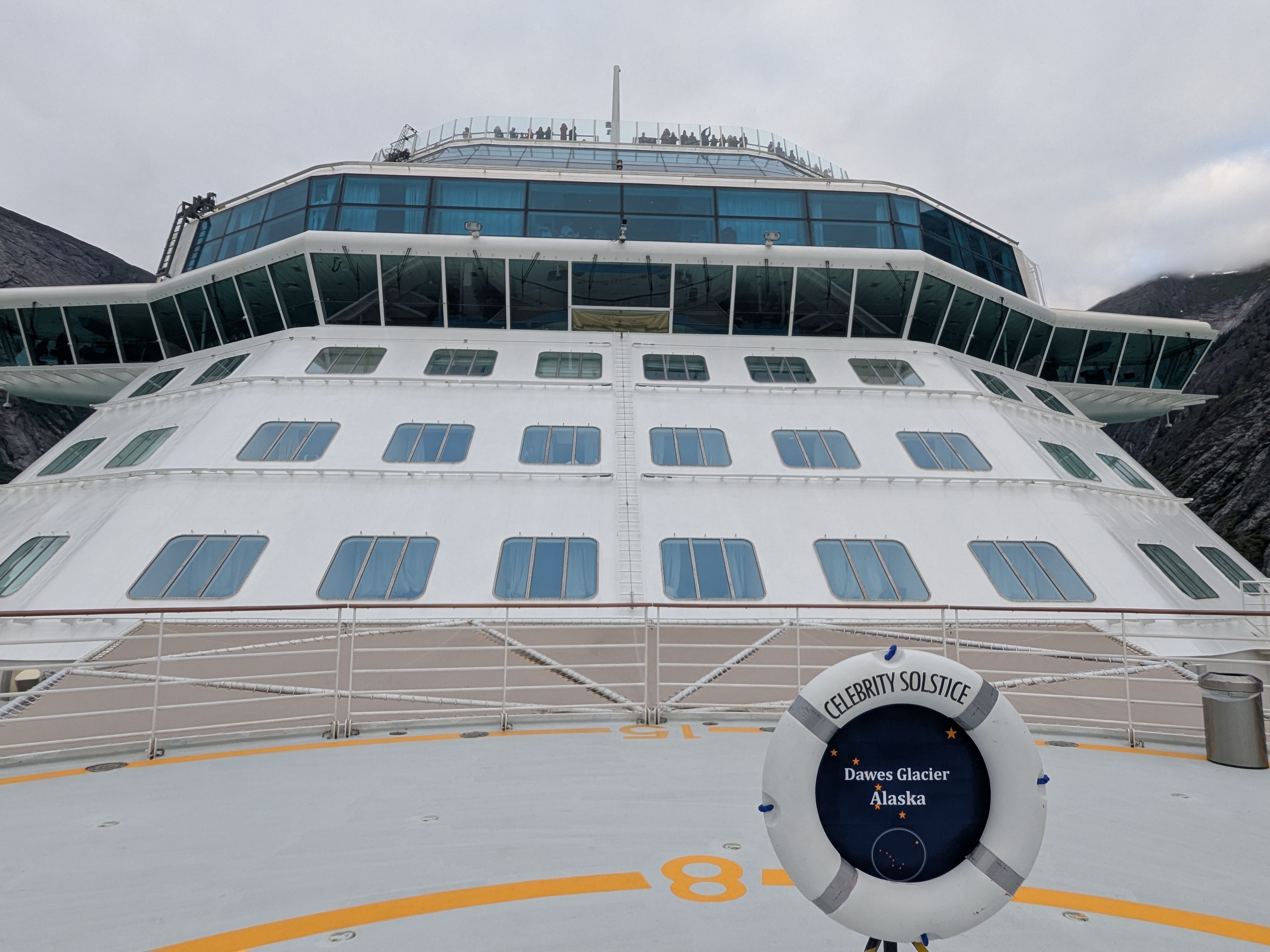

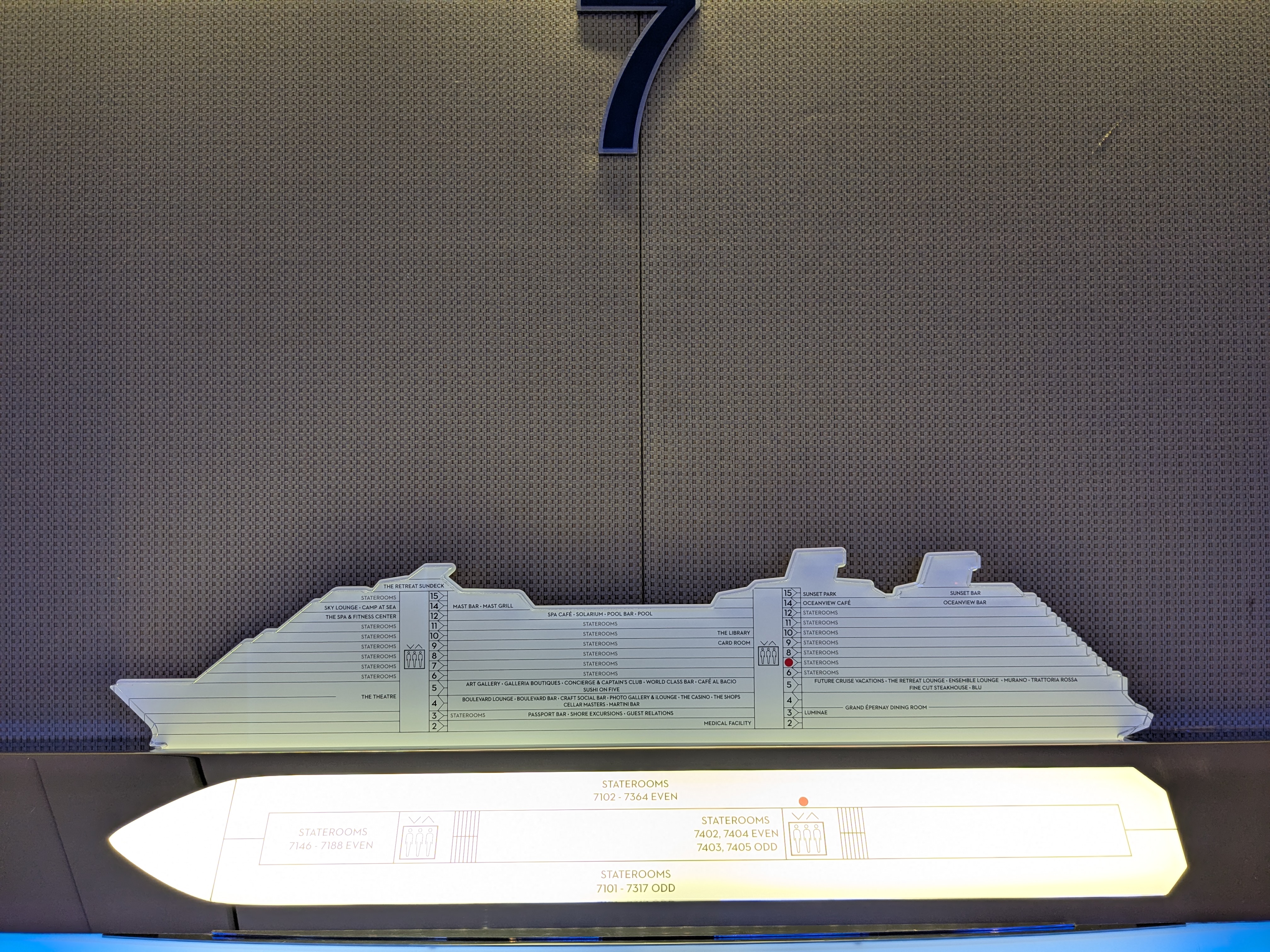
Once onboard the ship, some went for the all-you-can-eat cafe right away. We explored the 15-story ship facilities, from the library, the pools, the gym, the spas and more. When we took the first cruise to Mexico, our room was tiny and without a window. This time, we booked a stateroom with a balcony. We could just chill on the balcony, read a book, or just do nothing and be mesmerized by the changing landscape. What an upgrade! There was no going back to the windowless inside room.
The Oceanview cafe is arguably the place we visited the most. We went there for morning coffees, for water, for all-you-can-eat meals or simply to find our group. The view, the setting, the food are all excellent. In the evening, it was sit down dinner where we selected our dishes. After a couple of days, we discovered that the sit down dinner was a waiter-served version of an “all-you-can-eat” meal too. (This album captures the delicious dishes we enjoyed at our reunion dinners. Fair warning—it may make your mouth water!)
We were excited about the beautiful landscape, glaciers, flora and fauna. But breakfast and dinner were often when the group came together, sharing stories and some good laughs. In many ways, these were the moments that made the reunion feel most like a reunion. I cannot remember every conversation, but I will remember the characters, the sharing, and simply being together. These are the moments I will savor the longest.
On the two sea days, we were well entertained with morning stretch sessions, the eloquent naturalist talks by Barb Lane, the mini-concerts and the salsa/chacha dancing lessons aside from the meals, pool time, gym time and sauna time.
On port days, we took excursions at each port, sometimes together and sometimes separately. It was as if the spirit of the reunion followed us—we kept running into each other even on days when we had chosen different excursions. It was hilarious to discover that two of us had somehow ended up in a random photo taken by another member of the group.
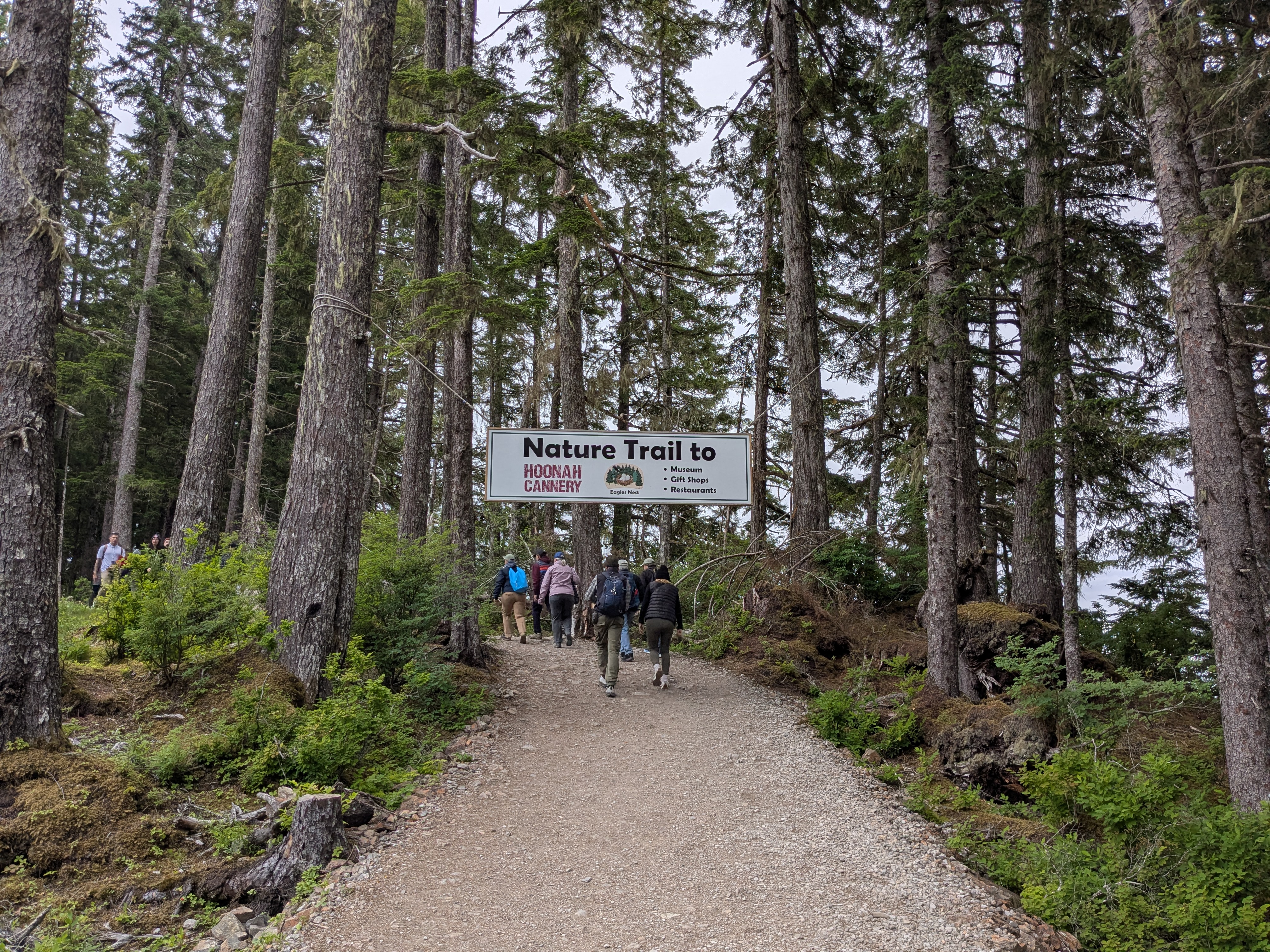
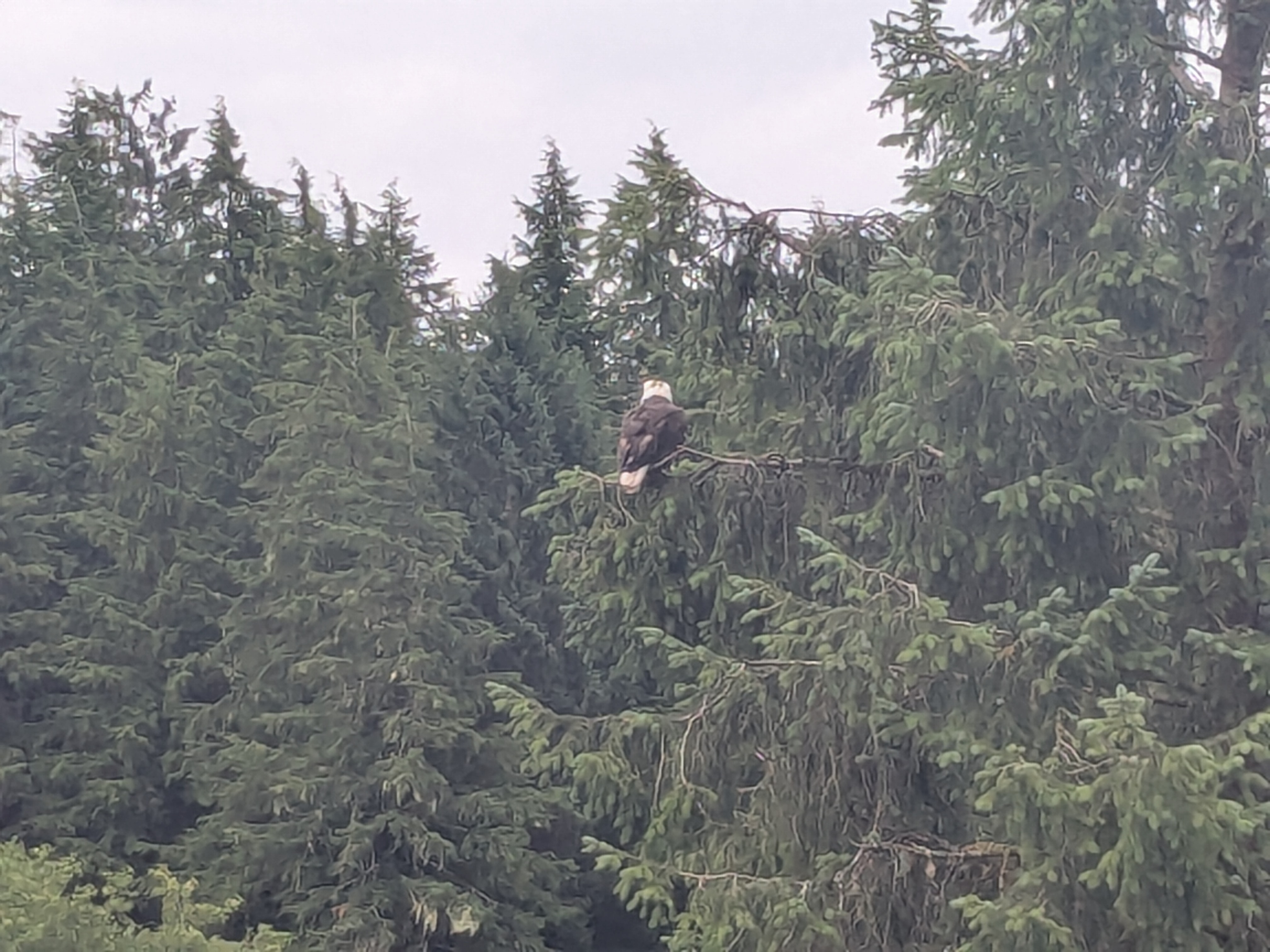
Ice Strait Point was our first port in Alaska. Off the ship, the first thing to do was to breathe in the ultra clean and fresh Alaskan air. The second activity was to walk in this last frontier. Ice Strait Point/Hoonah has very limited shopping opportunities. We joined a Whale Watching excursion which offered guaranteed whale watching. The sightings of bald eagle, orcas, a couple of Humpback Whales, and a raft of sea lions were highlights of the day. One orca swam across the bow of our boat. Its streamlined fin and body is otherworldly smooth and beautiful.


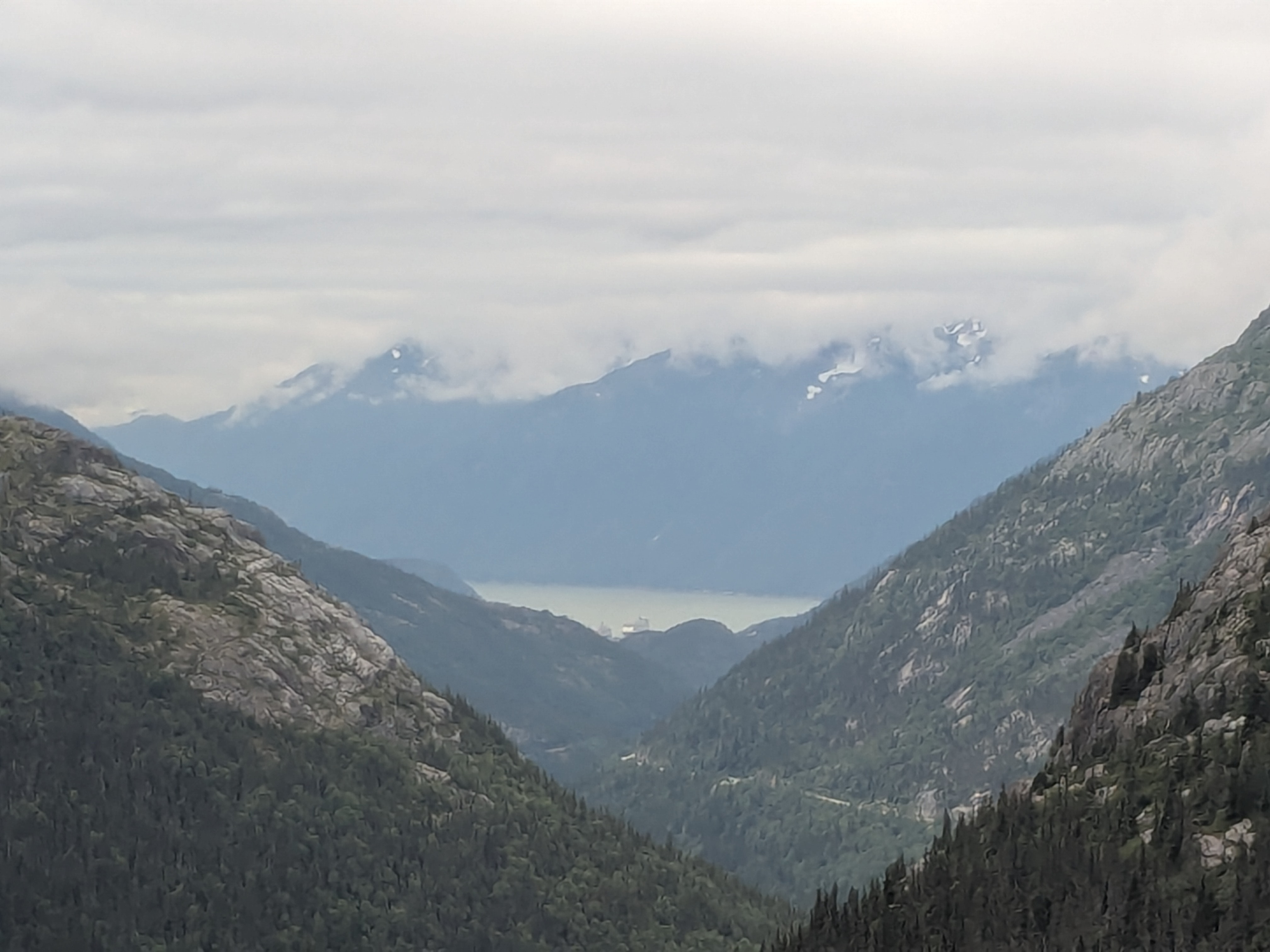
Skagway was our next port. Skagway was on the route of the Klondike Gold Rush, the historic 1896 gold rush region in Yukon, Canada. We joined the White Pass & Yukon Route scenic train excursion, to climb up to the White Pass Summit. While waiting, we met a couple who had taken the same tour seven years ago. The train ride was very scenic with lots of mountain and forestry landscape. Maybe we would be like that couple to take the train again years down the road. After the train, we strolled around downtown, visiting the Klondike Gold Rush National Park Service visitor center to learn more about the Gold Rush era. There was a Dewey Lakes trail system nearby, with some trails. We hiked the Lower Dewey Lake trail, a surprisingly strenuous uneven rocky trail at the beginning and then a more flattened trail along the lake. It was a short hike but not an easy one. The challenge facing the stampeders a century ago, before the train route, resonated loudly. These stampeders had to hike up the White Pass with more than a full load, in harsh weather, for days and months.



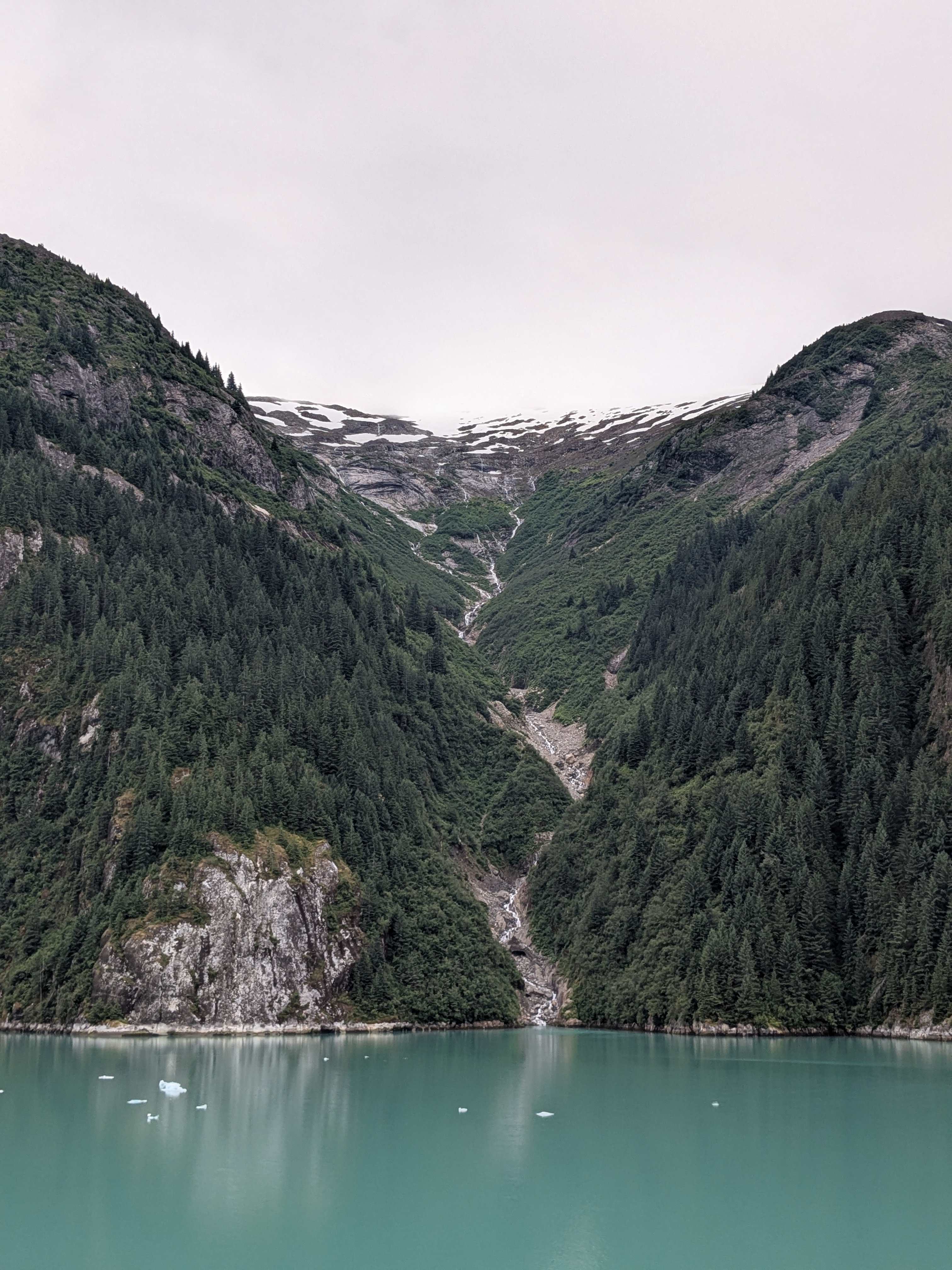
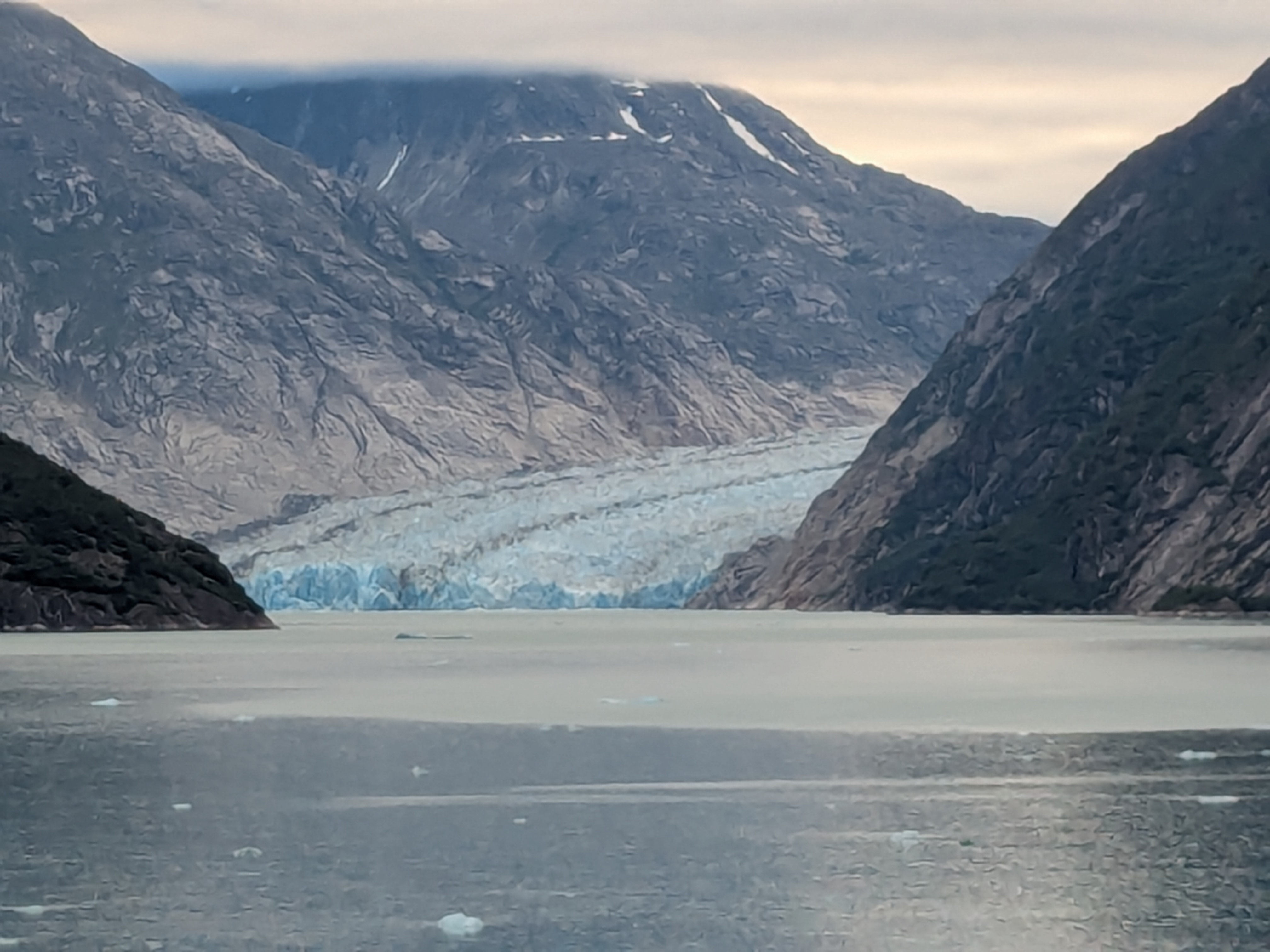
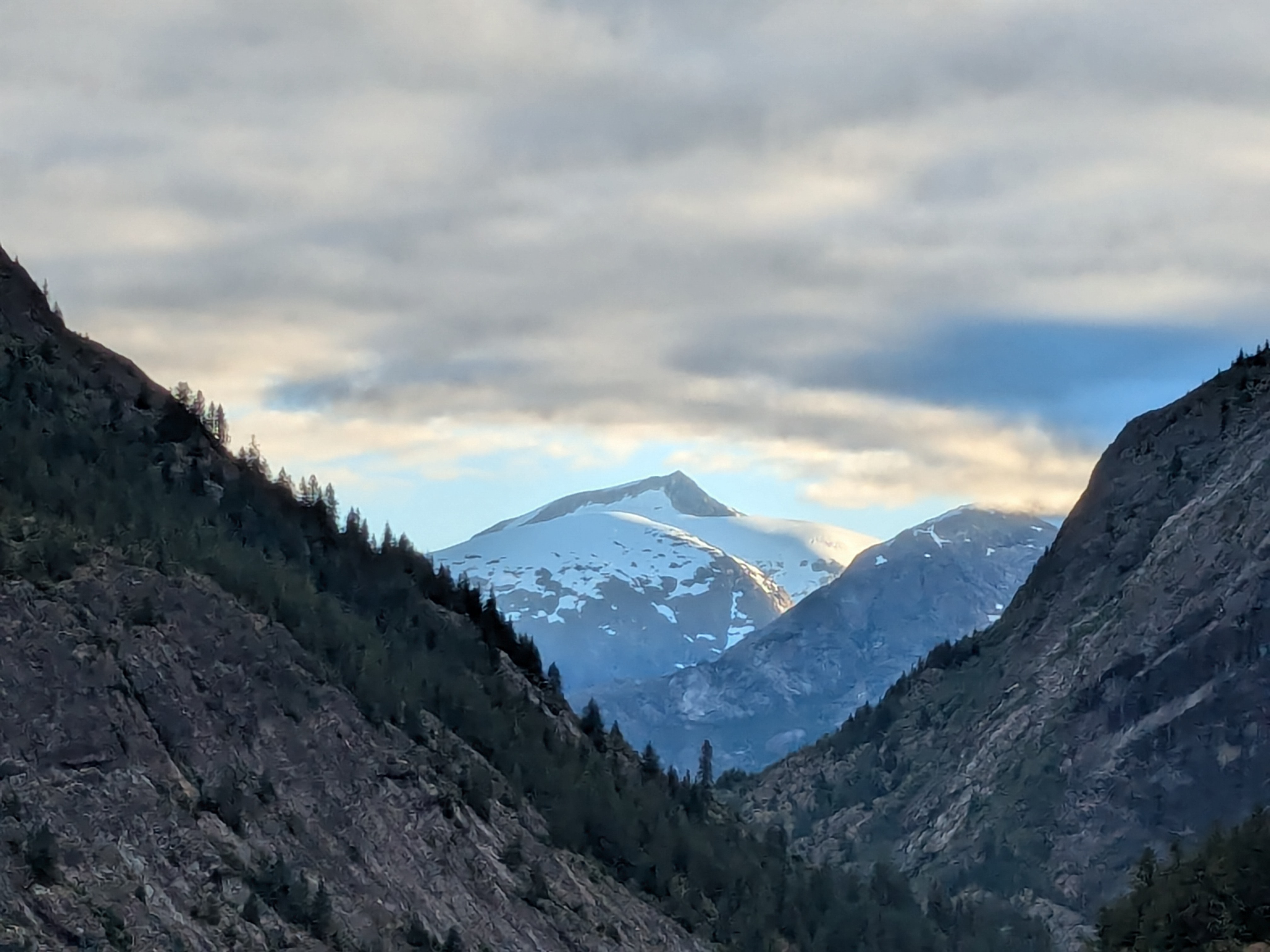
The most scenic journey happened on the way to Juneau, when the ship sailed through Endicott Arm towards the Dawes Glacier. The Endicott Arm is a stunning fjord, located just about 50 miles southeast of Juneau. Dawes Glacier is a 20-mile long active tidewater glacier. It is among the few glaciers that can be reached by cruise ships. We stood at the bow of the ship (i.e. the front row of the helipad area with no other passengers in front) for a very very long time. It was cold.There was so much to take in, the landscape, the water and the glacier, that we endured the coldness. The water kept changing color as we sailed towards the glacier, shifting from the ocean color to blue to turquoise to jade. At this crack of dawn, it was quiet, it was beautiful, it was otherworldly, just like Alaska.
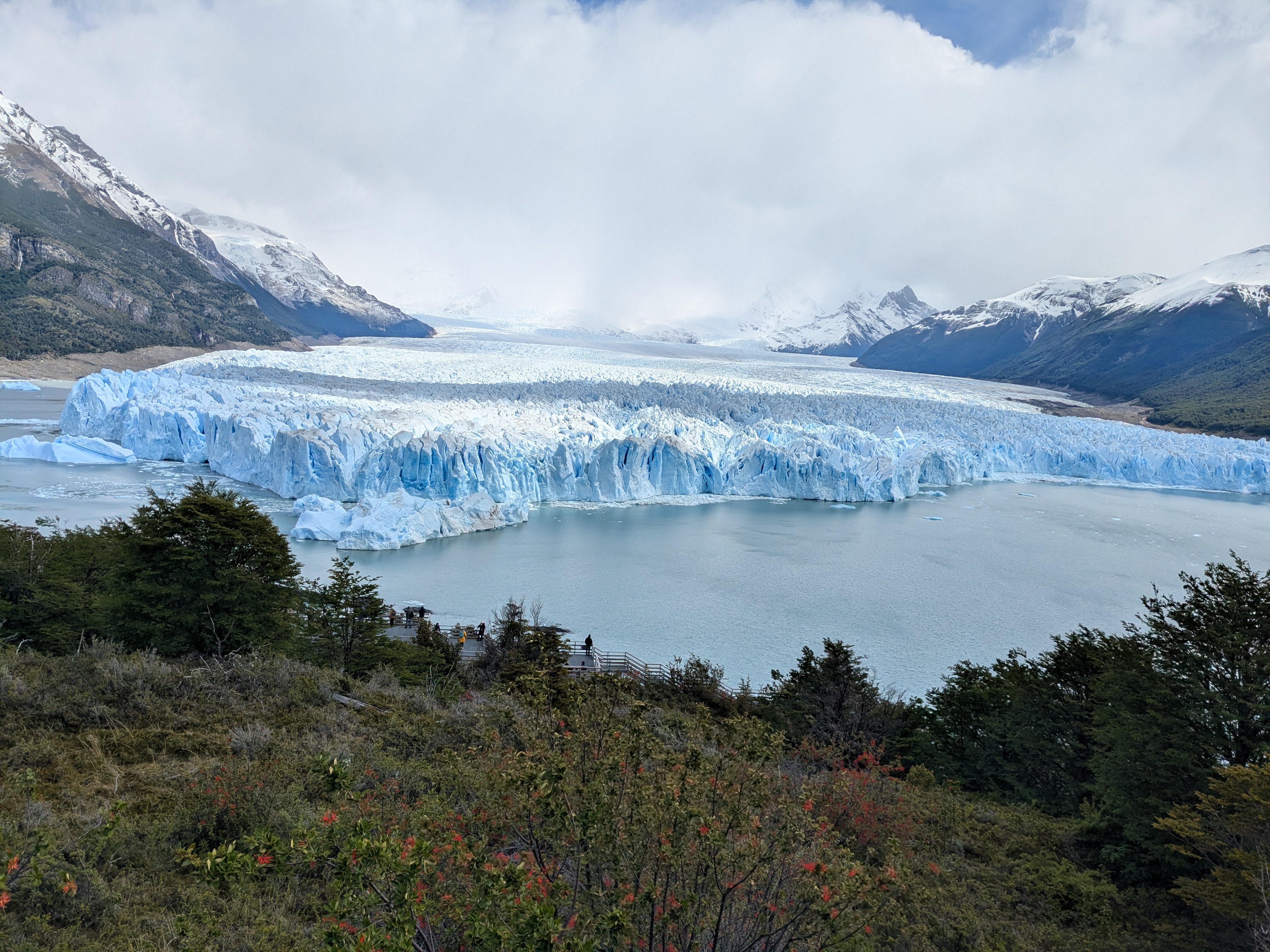
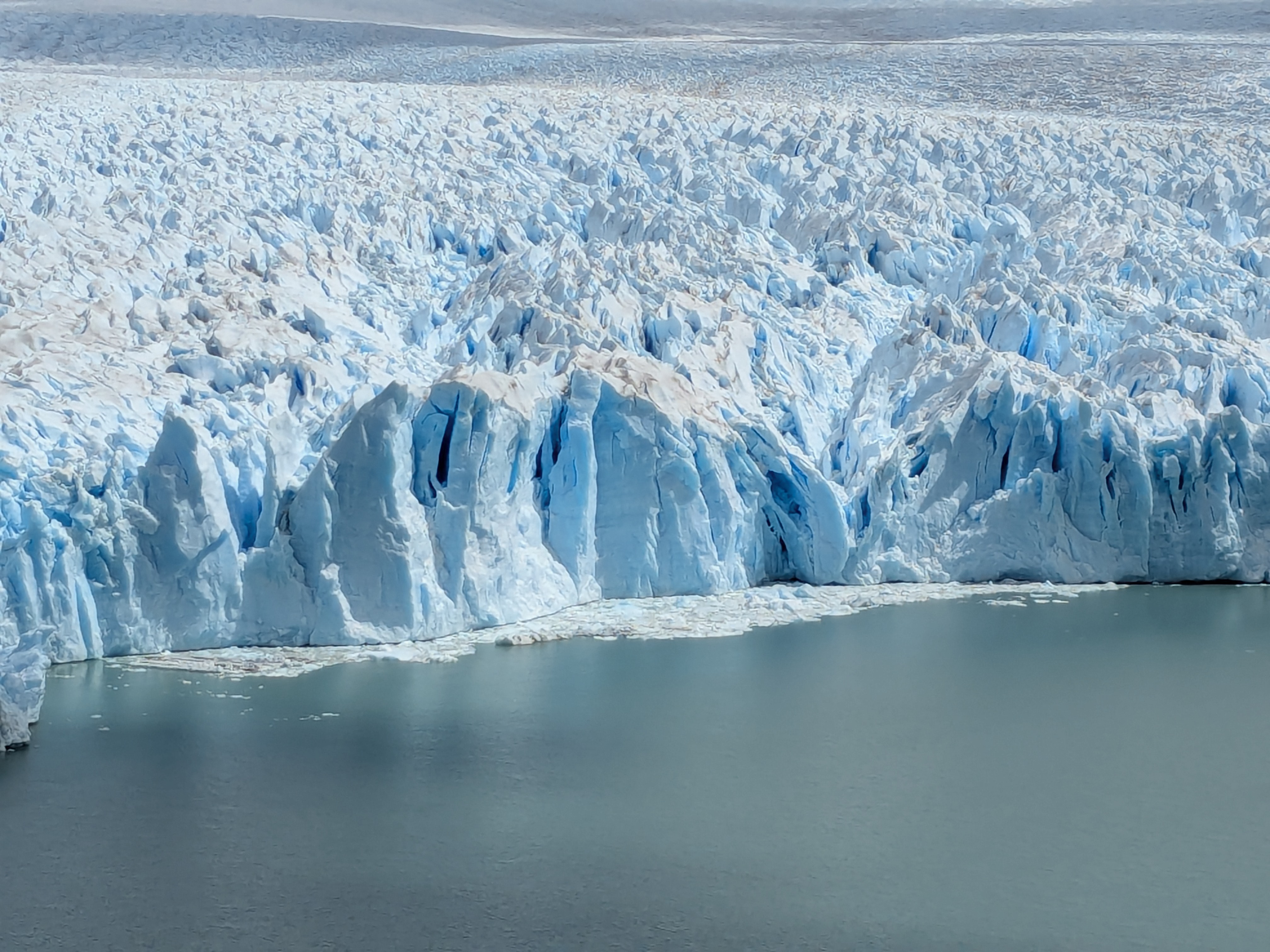
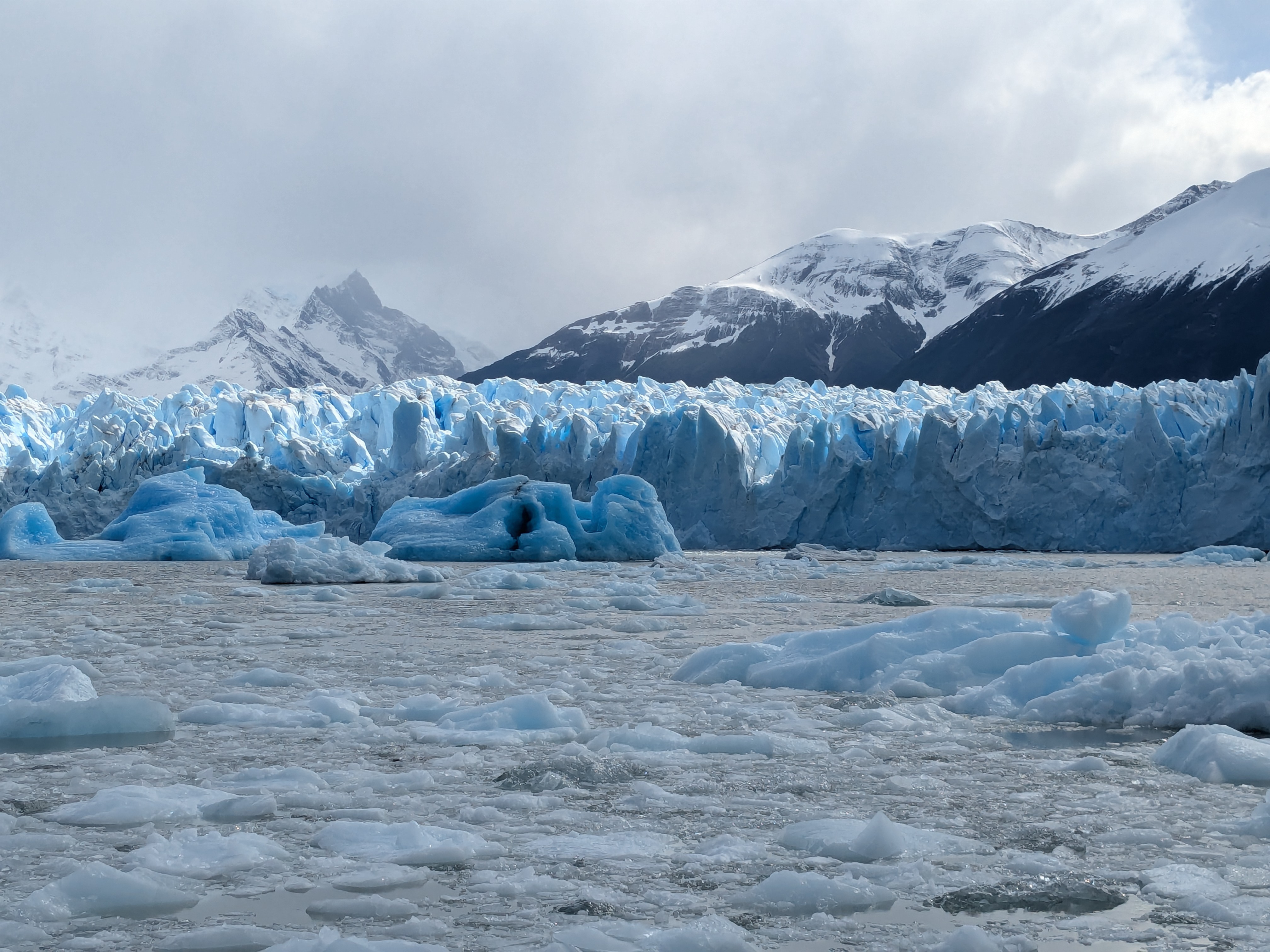
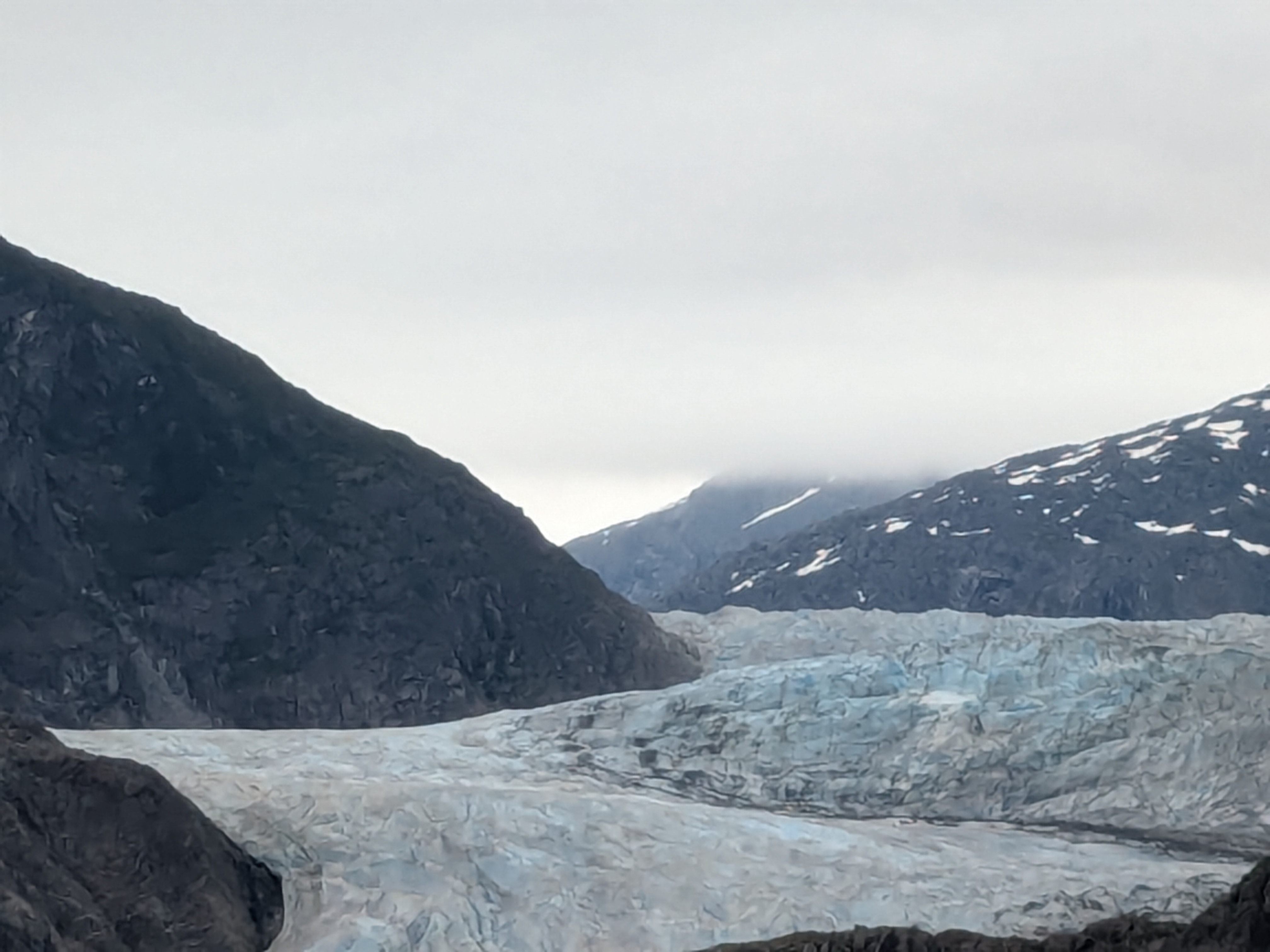
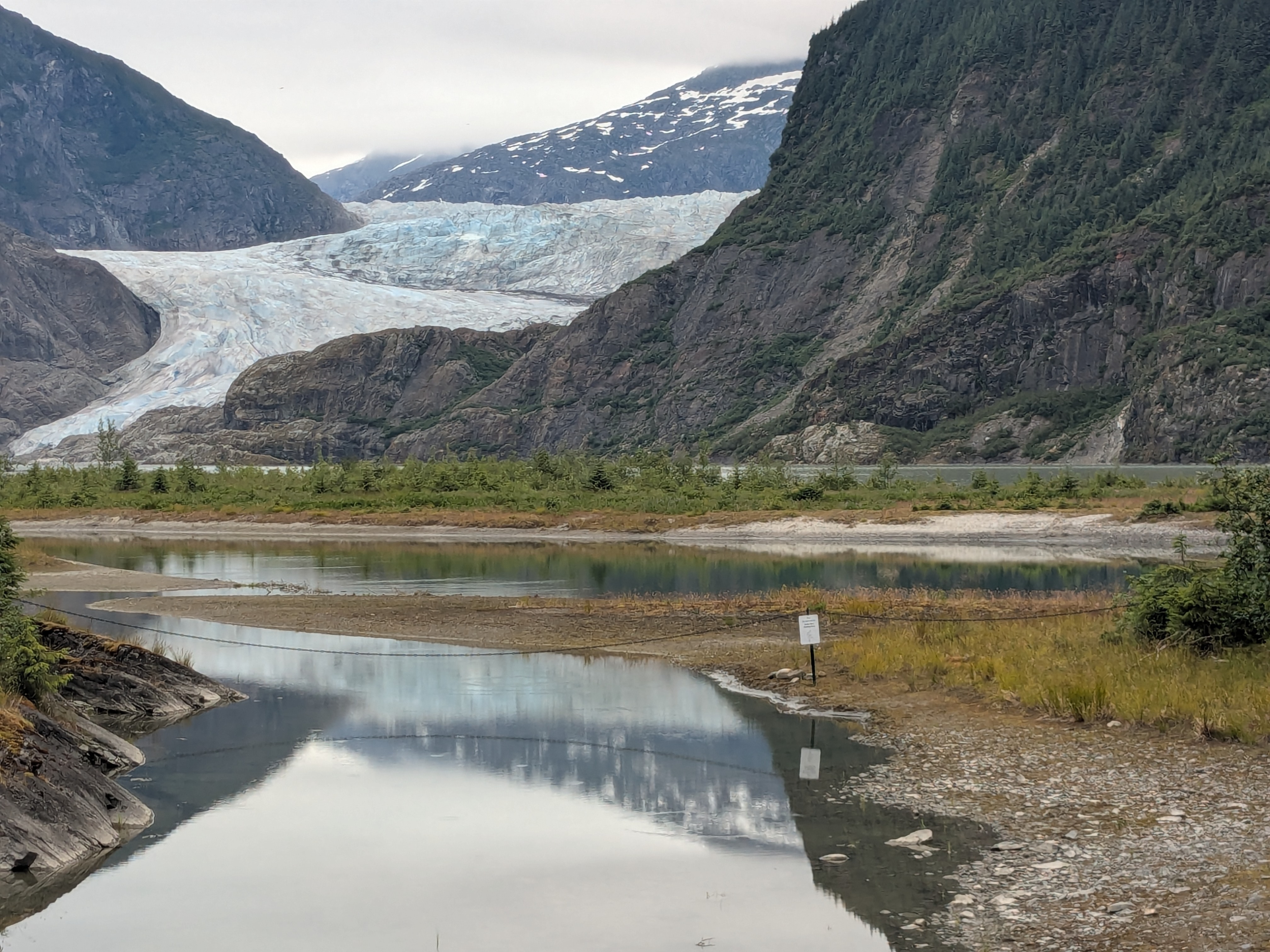
Juneau, our third port, is the capital city of Alaska. Located just 30-minutes of drive from the port, Mendenhall Glacier, inside the Tongass National Forest, is easily accessible from land. Our Mendenhall Glacier excursion covered mostly the round-trip transportation with two hours on our own to spot salmon, take pictures of the glacier/waterfall and take some walks to vista point/Nugget Fall. Both Dawes Glacier and Mendellhall Glacier are within viewing distance but still very far away. If you are looking for a more up-close glacier experience, I have had a few memorable ones on other trips: trekking on Matanuska Glacier, cruising past 26 glaciers in Alaska, and visiting Moreno Glacier in Patagonia. Each offered a very different way of experiencing these magnificent landscapes.
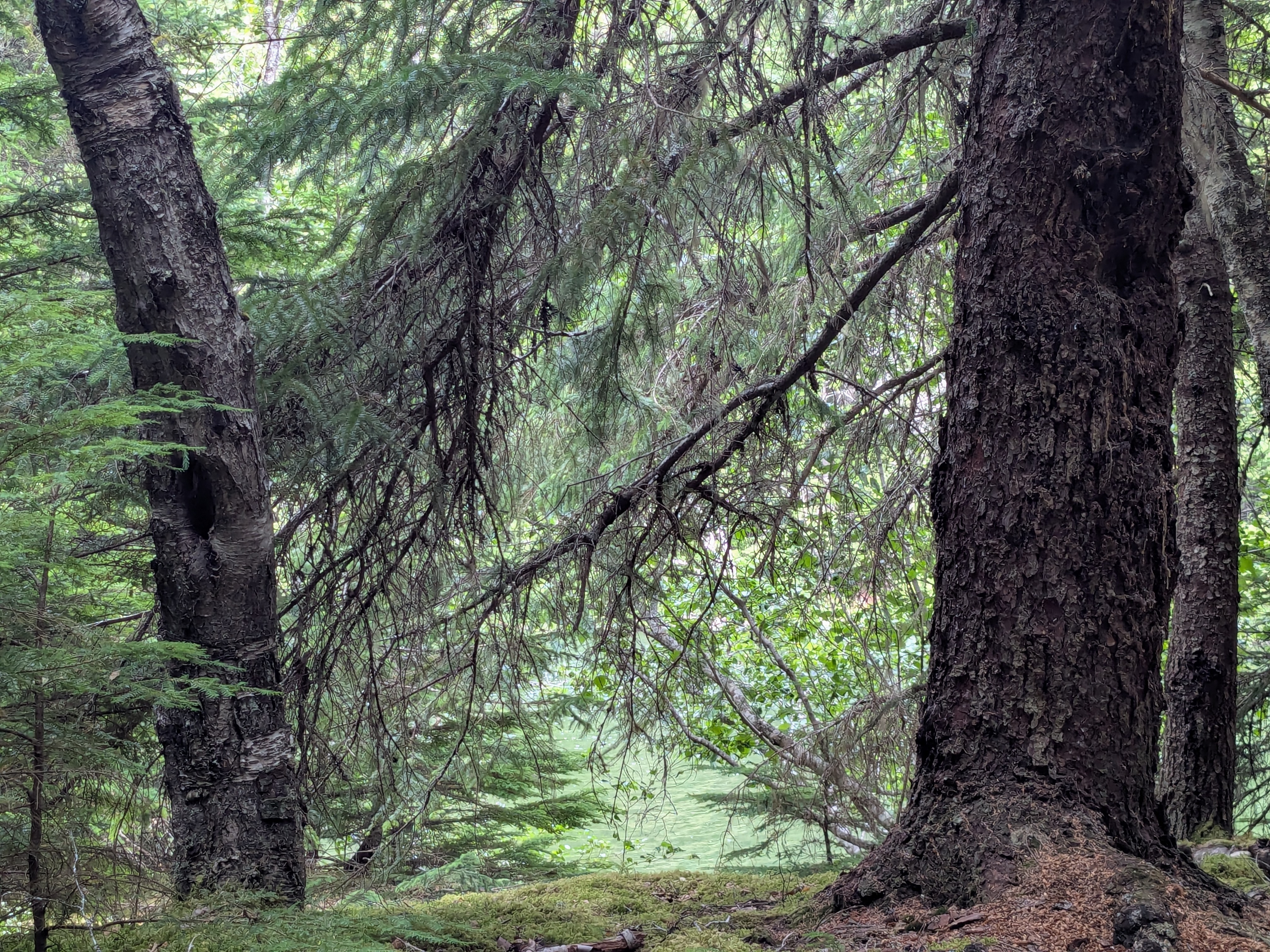
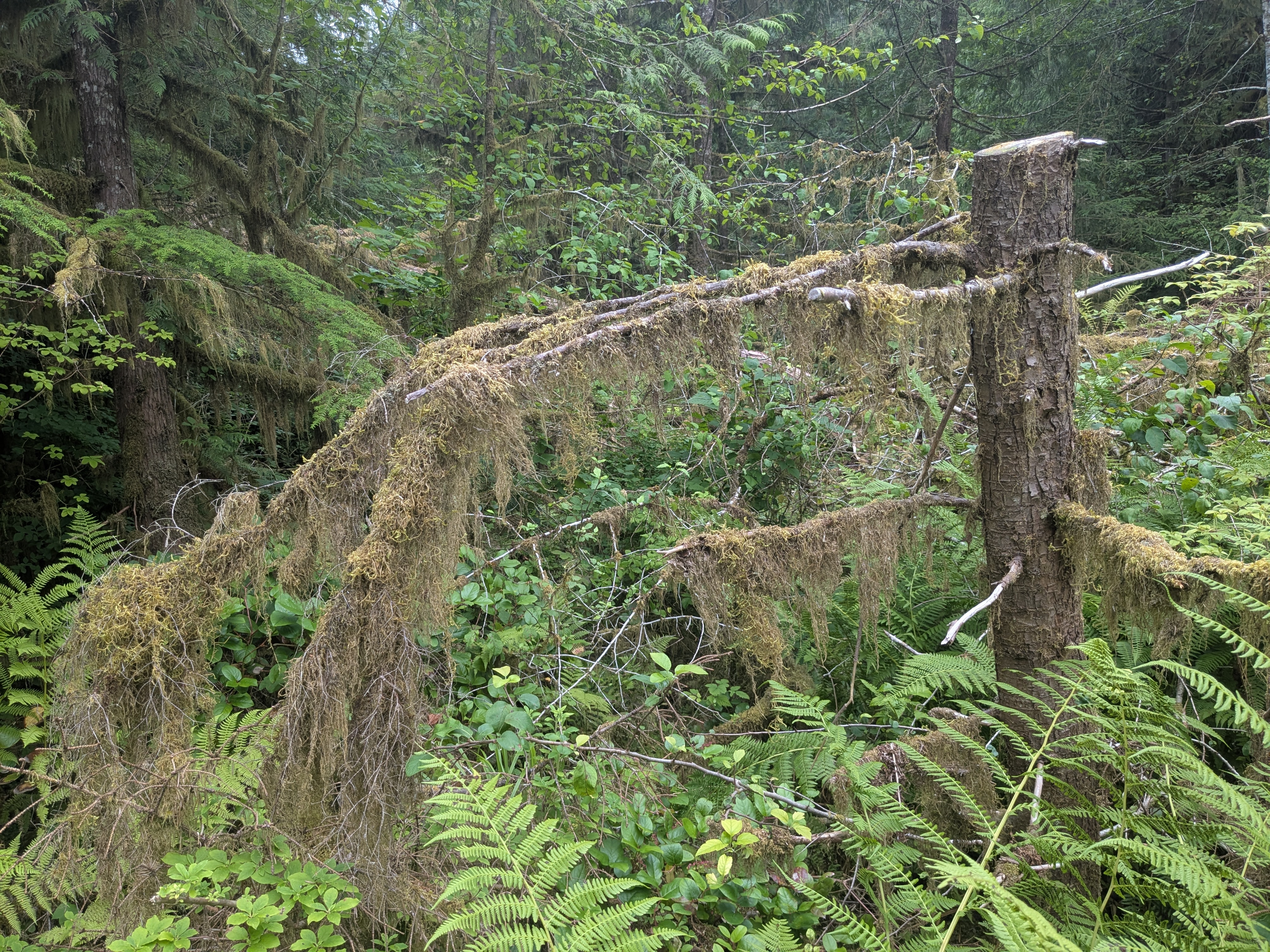
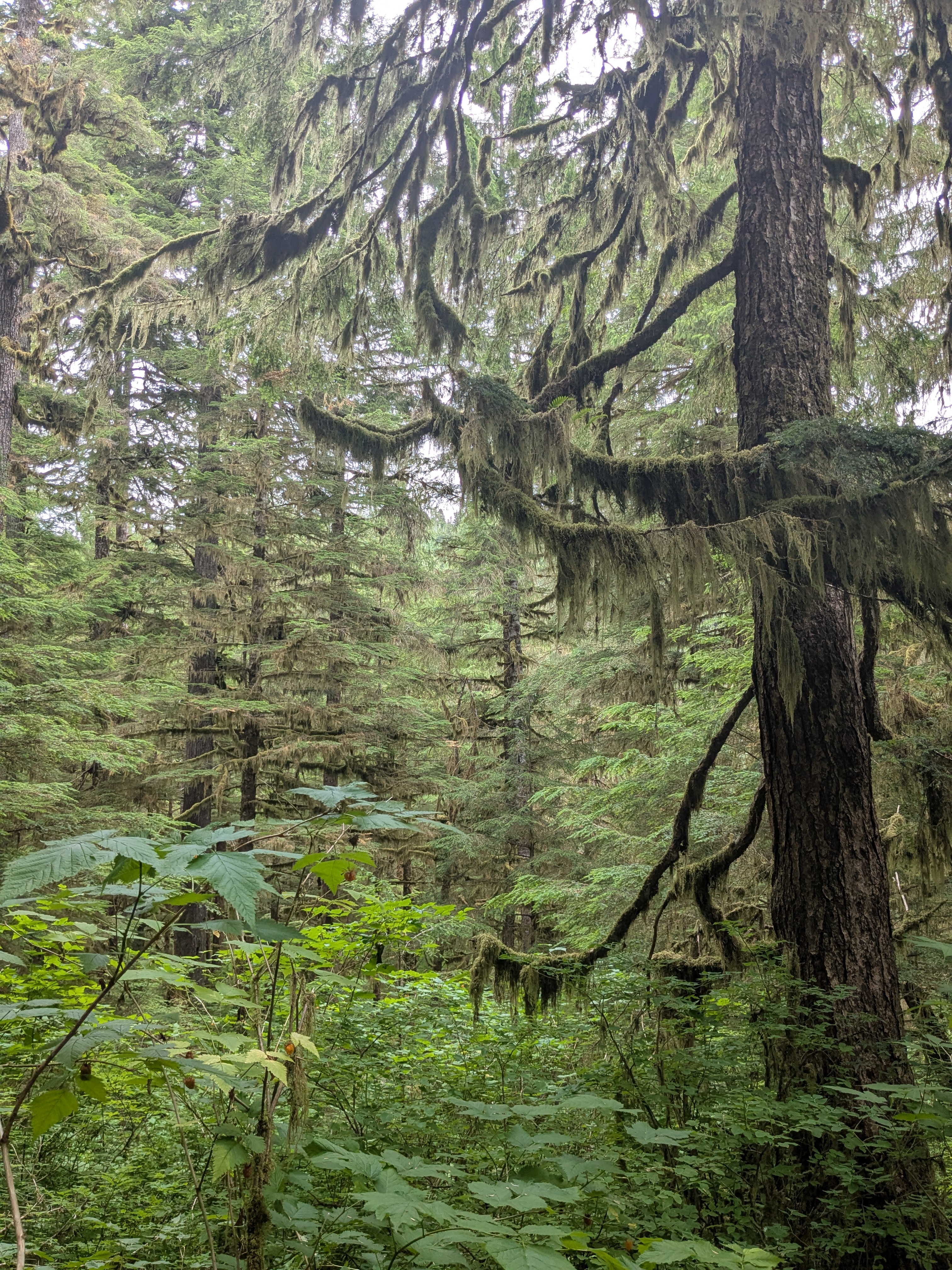
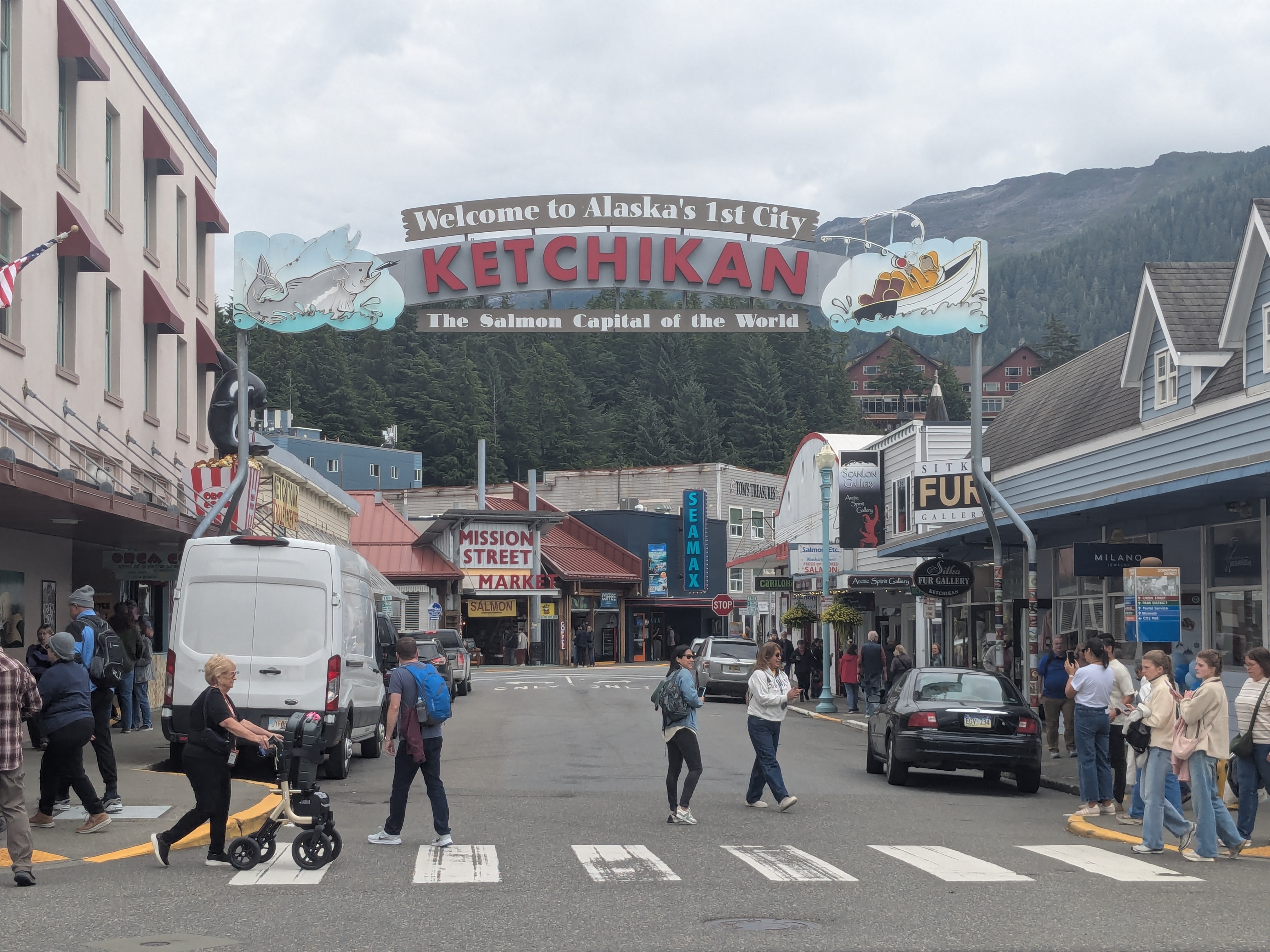
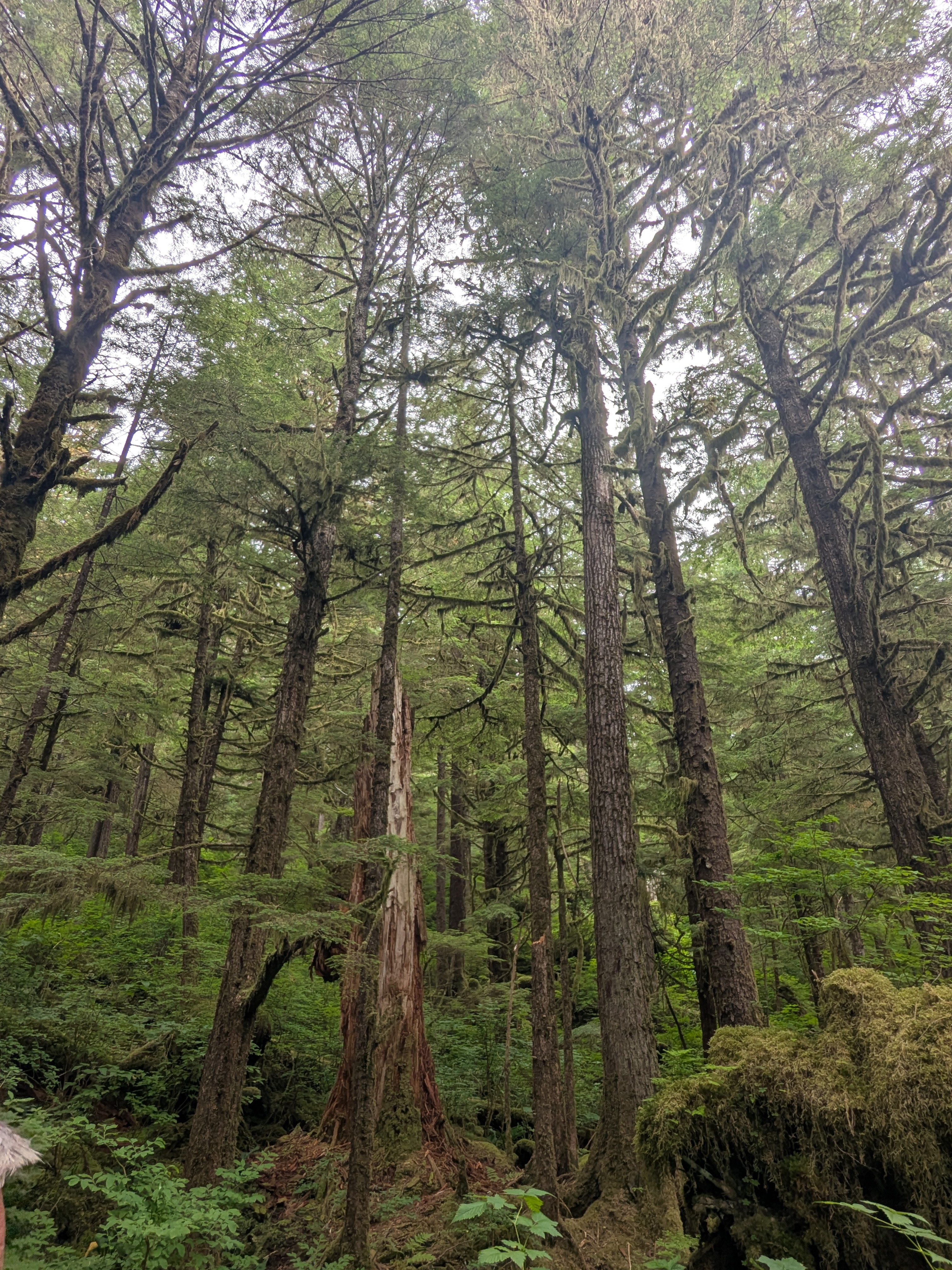
Ketchikan made our last port. Right off the port, there are gift shops where the souvenirs have attractive pricing. We did some quick shopping before getting on to our Alaska Rainforest Sanctuary and Totem Park excursion. Rainforest is not what we usually expect of Alaska. With the annual heavier rainfall, the south east of Alaska has rainforest.The Rainforest Sanctuary, we visited, is at the border of the Tongass Forest, located only a short bus ride from the port. It is very lush with an abundance of moss and lichen, some occasional salmonberries. There are the graceful Western hemlock and the Sitka spruce. I will remember how the trees around a dead tree seem to root themselves in a way that prevents the dead tree from falling and potentially spreading disease. I also appreciate the little ecological nursery blocks that help nurture young trees. And then there is the naturally orderly landscape, all without any human intervention. Once again, I am reminded that nature takes care of itself, with or without us. The tour guide also took us to visit a totem pole builder. The builder is designing and carving a pole to memorialize his uncle. We were often led to believe that totem poles were religious, and interpret them as mysterious. But totem poles are not religious; they are more a form of emotional expression—a way to honor family, tell stories, and preserve memories. That fittingly concludes our last Alaskan excursion.
When asked about ideal travel, I had once said a change of scenery while sitting comfortably, sipping a cup of hot beverages. I will remember my two cruises for a very long time. Maybe my third cruise will be less than two decades away.
This reunion celebrated a 40th anniversary of friendship. I hope the next one will be much much less than four decades away.