oliviatamccue

about everything, anything or something

NGO Trip: HER Labs, Kenya (Part 2) 

The vocational school HER Lab Kajiado, second chance for women 明天會更好
Many Kenyan women were married and had kids very early. They do not have a chance for education nor any means to make a living. The HER lab has the mission to offer a second chance for women.

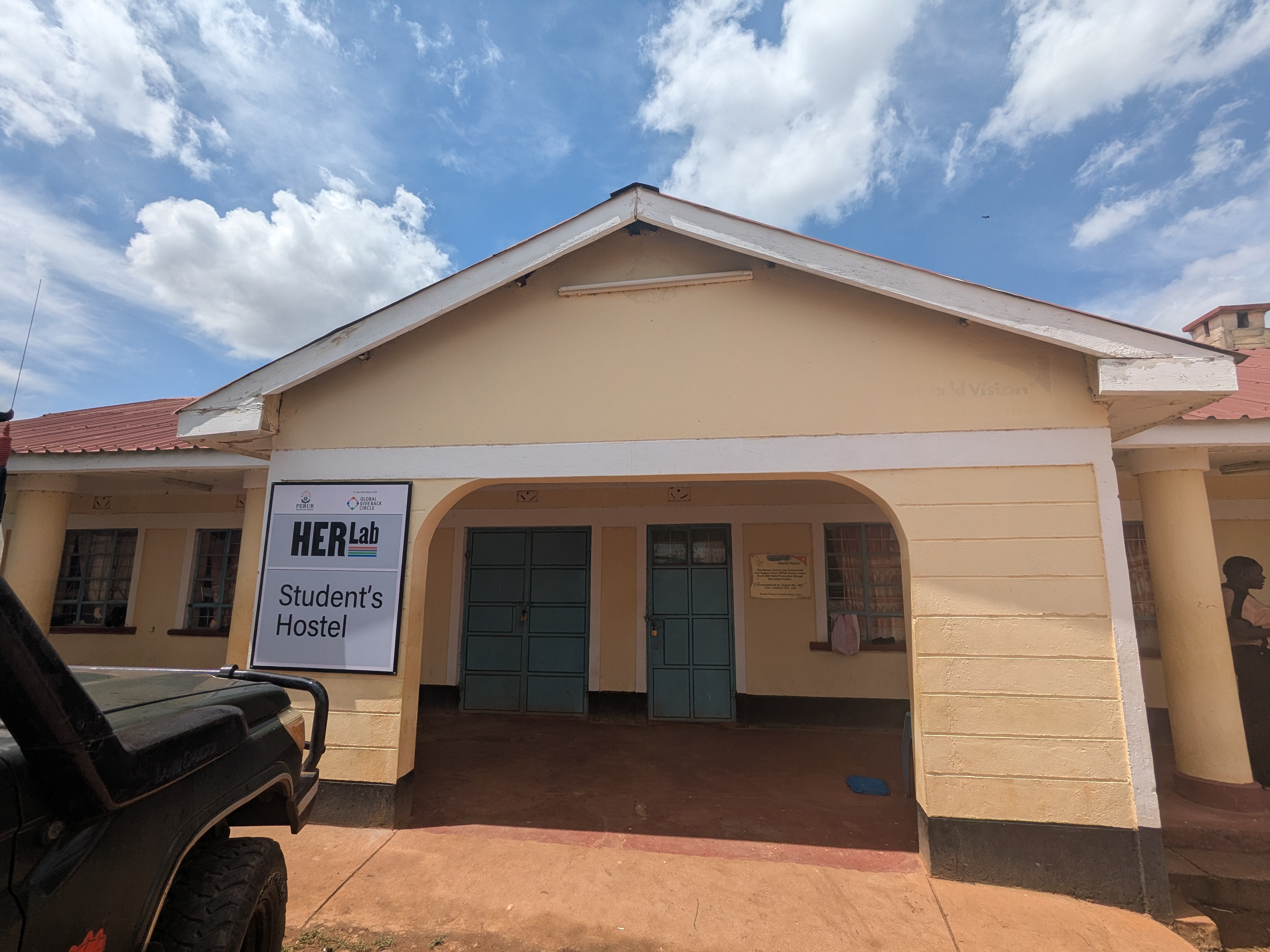
We visited one of the HER lab initiatives, a vocational school within driving distance of Nairobi after visiting the boarding school inside of Kibera, the largest slum in Africa.

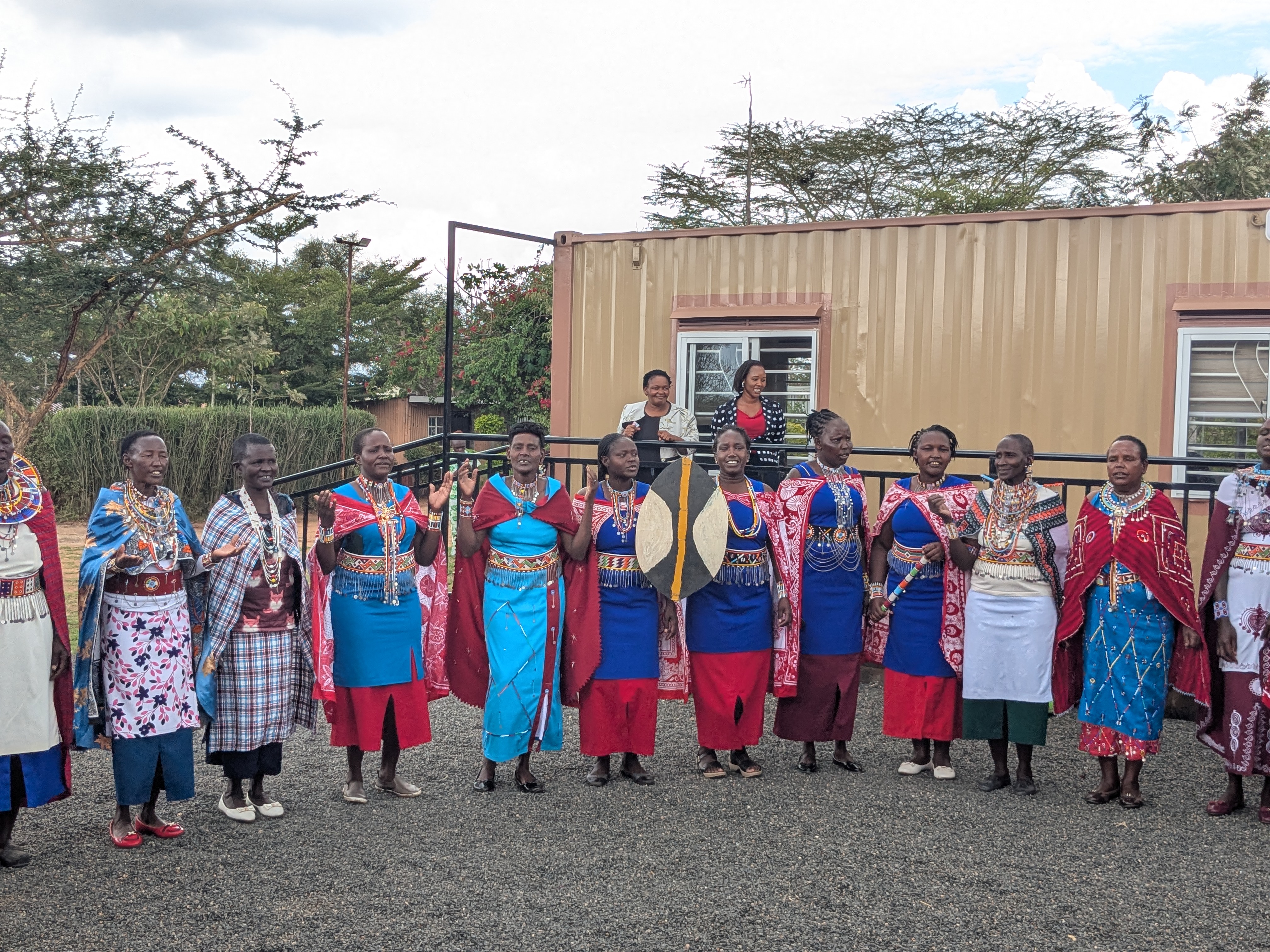
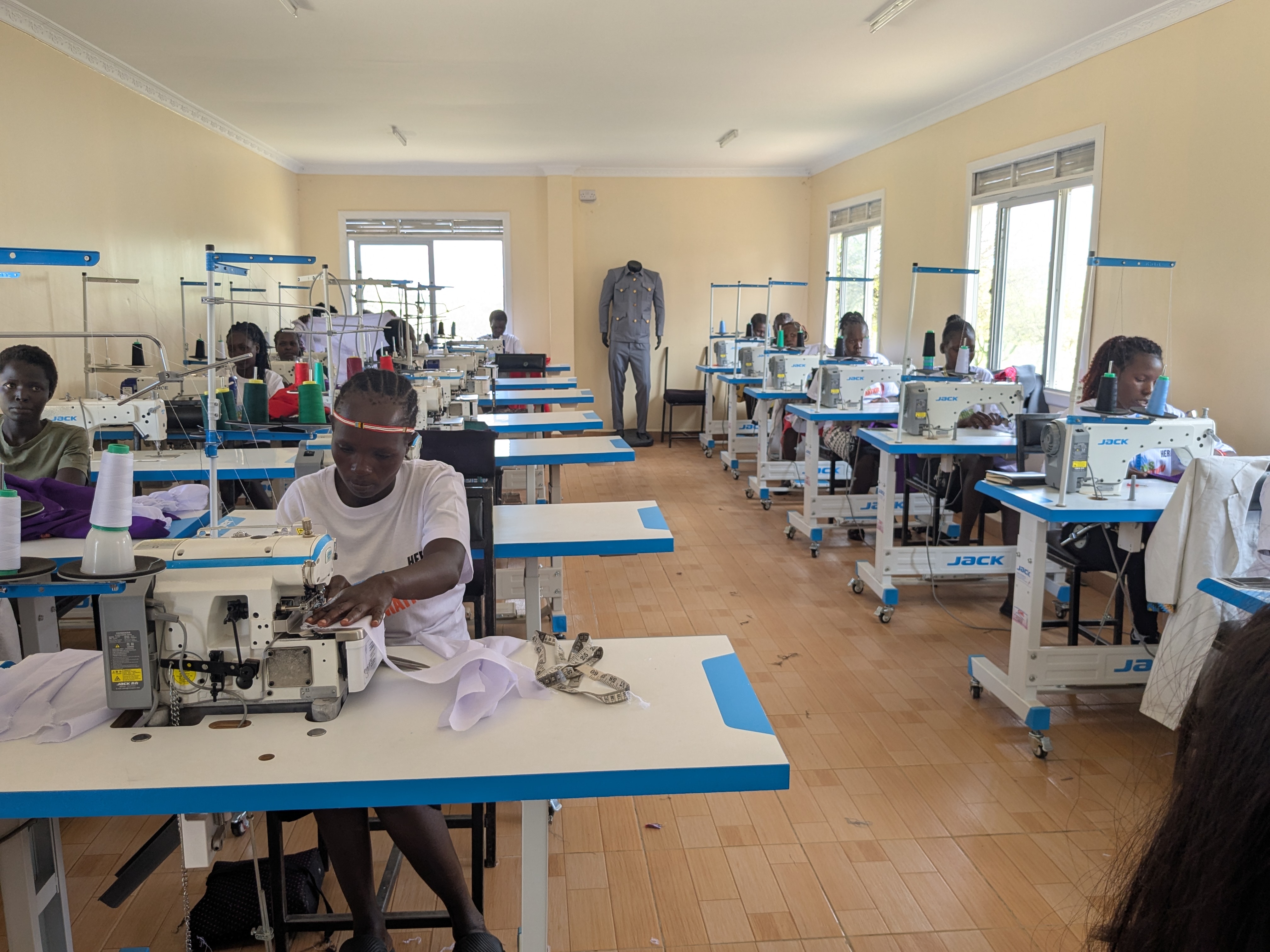
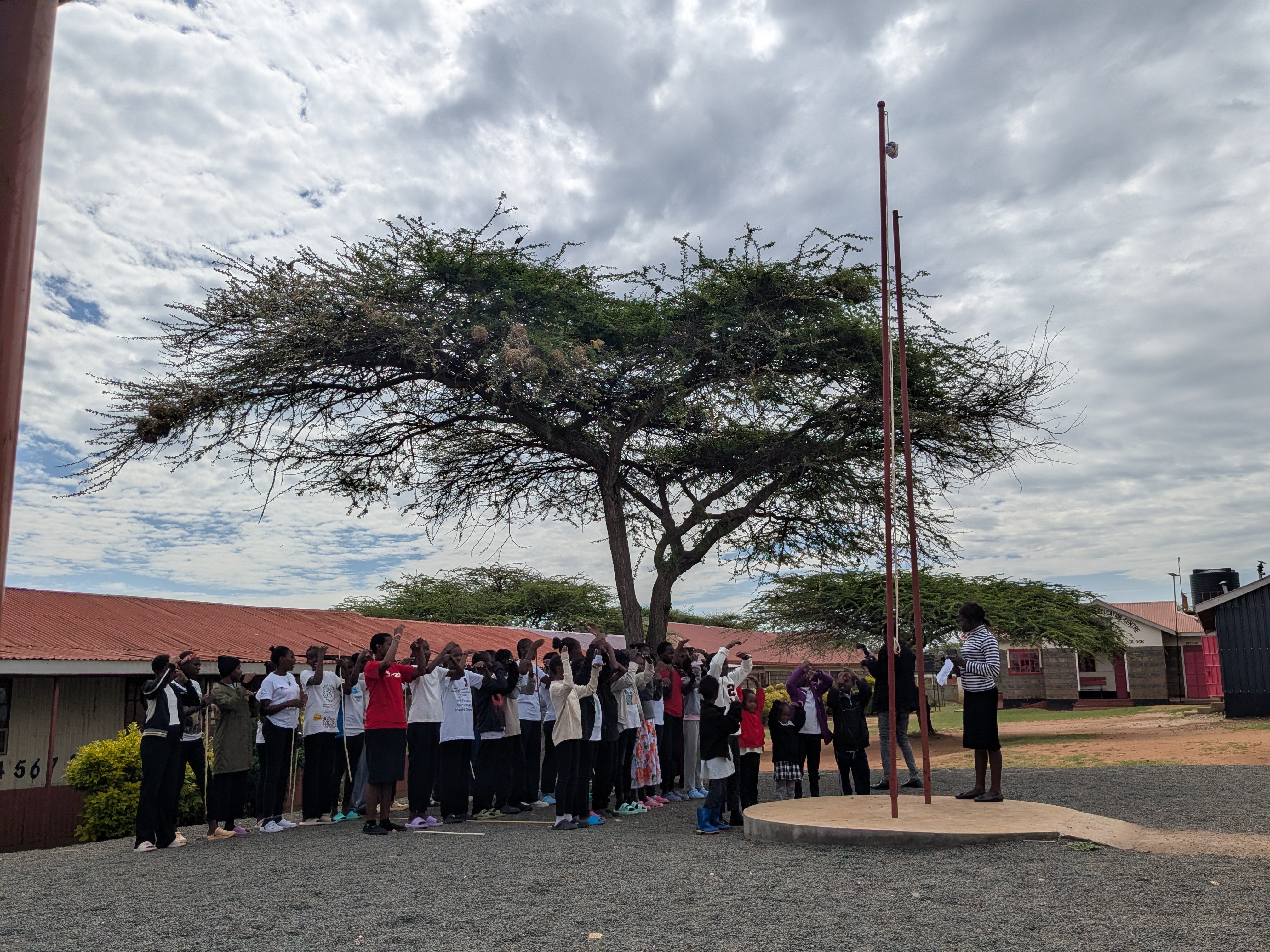
We were welcomed in the school with a flag raising ceremony and song singing in Helga. The kids were lovely and curious. Afterwards, we joined a group of Kenyan women in a room, listening to their stories. These Kenyan women committed no offence. They married young, raised kids at an age where their American equivalences are still in school. The second chance vocational school taught them vocational skills such as beading, tailoring, so they could make a living. It is not a stereotype, but some married Kenyan men desert their wife, take all the money with them and find other wives. With the training and the support, these women can earn some money and equally important, keep the money. Not only does it help them financially, it gives them confidence and self-esteem. Some women need to take care of young children during the day. To support them, the vocational center has set up facilities to take care of the children, while the women learn new skills. I am so humbled by the courage and strength of these women to break the mold.
The community school HER Lab West Pokot 自强自由之路
This other HER lab is located in West Pokot. We flew from Nairobi to Eldoret. West Pokot is about two to three hours of drive from Eldoret. Our hotel is located next to a rather upscale shopping mall. Overall Eldoret gives us a better impression than Nairobi.   

Going from Eldoret to West Pokot, we passed through quite a number of small towns, heading towards the countryside where West Pokot is located. 

The welcoming party was impressive to the point of overwhelming. There were like seven hundred people, singing and dancing. They found us and helped us put on a Massai collar and a Massai dress, while they were dancing and singing around us. 

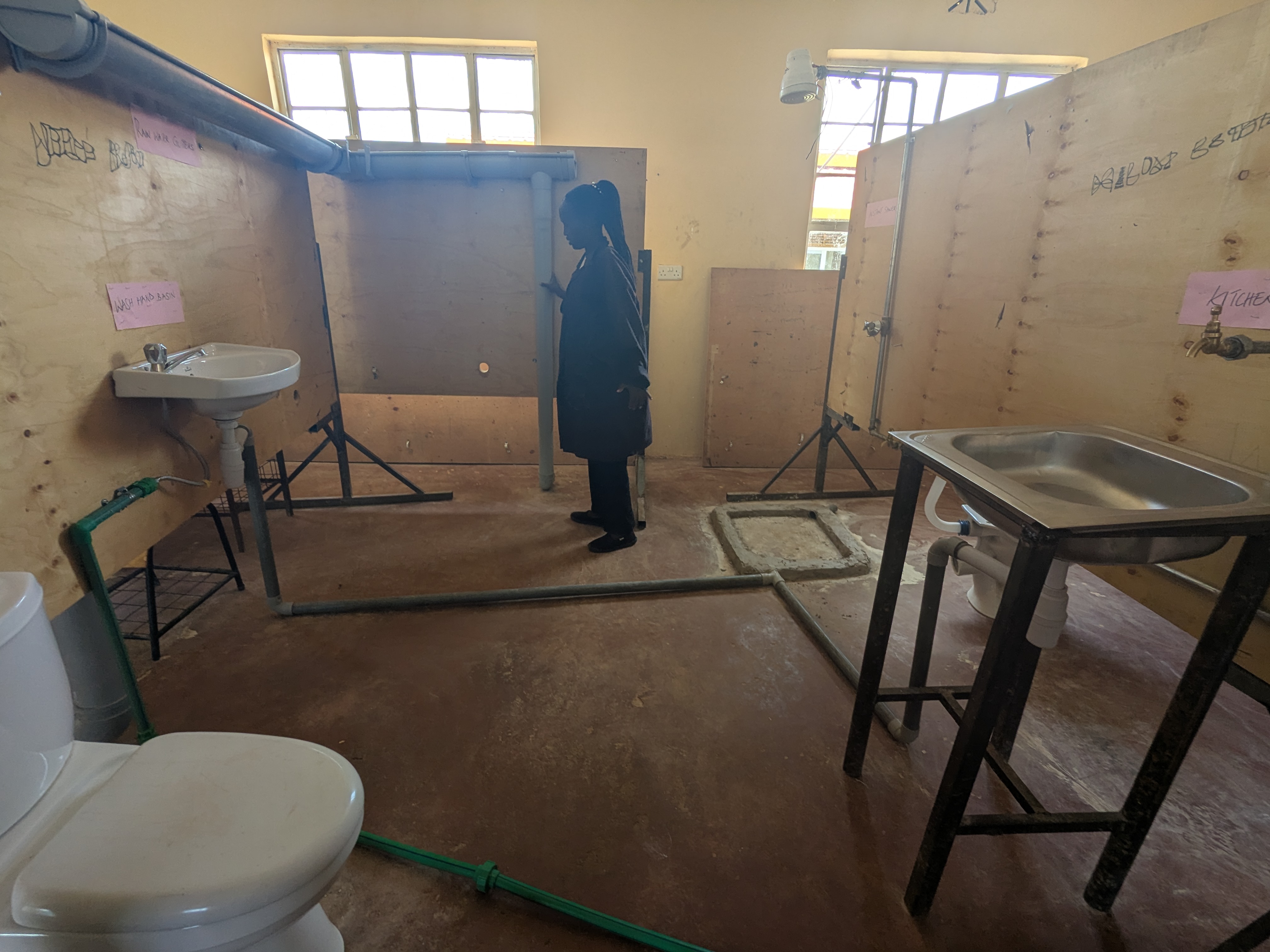
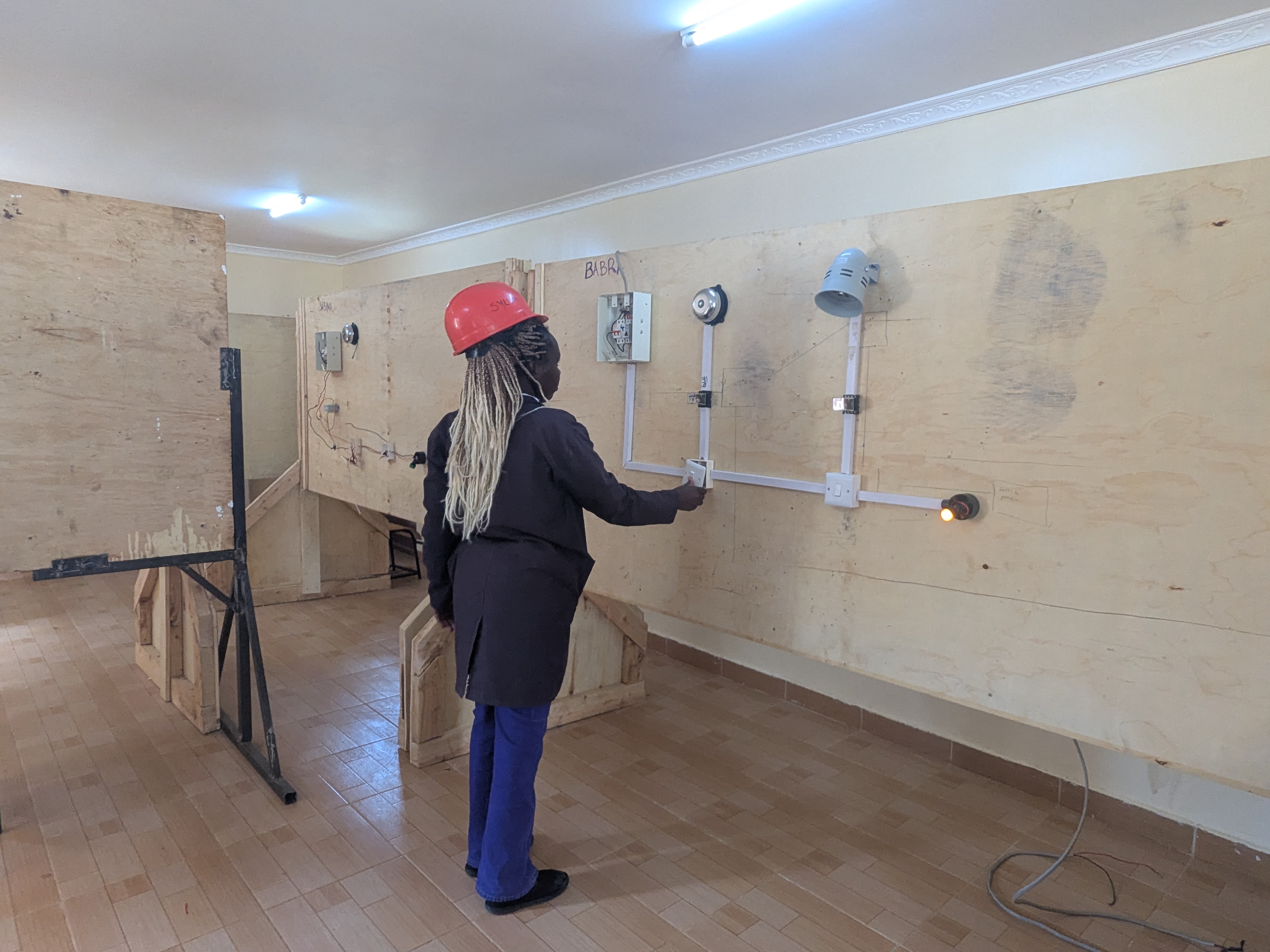
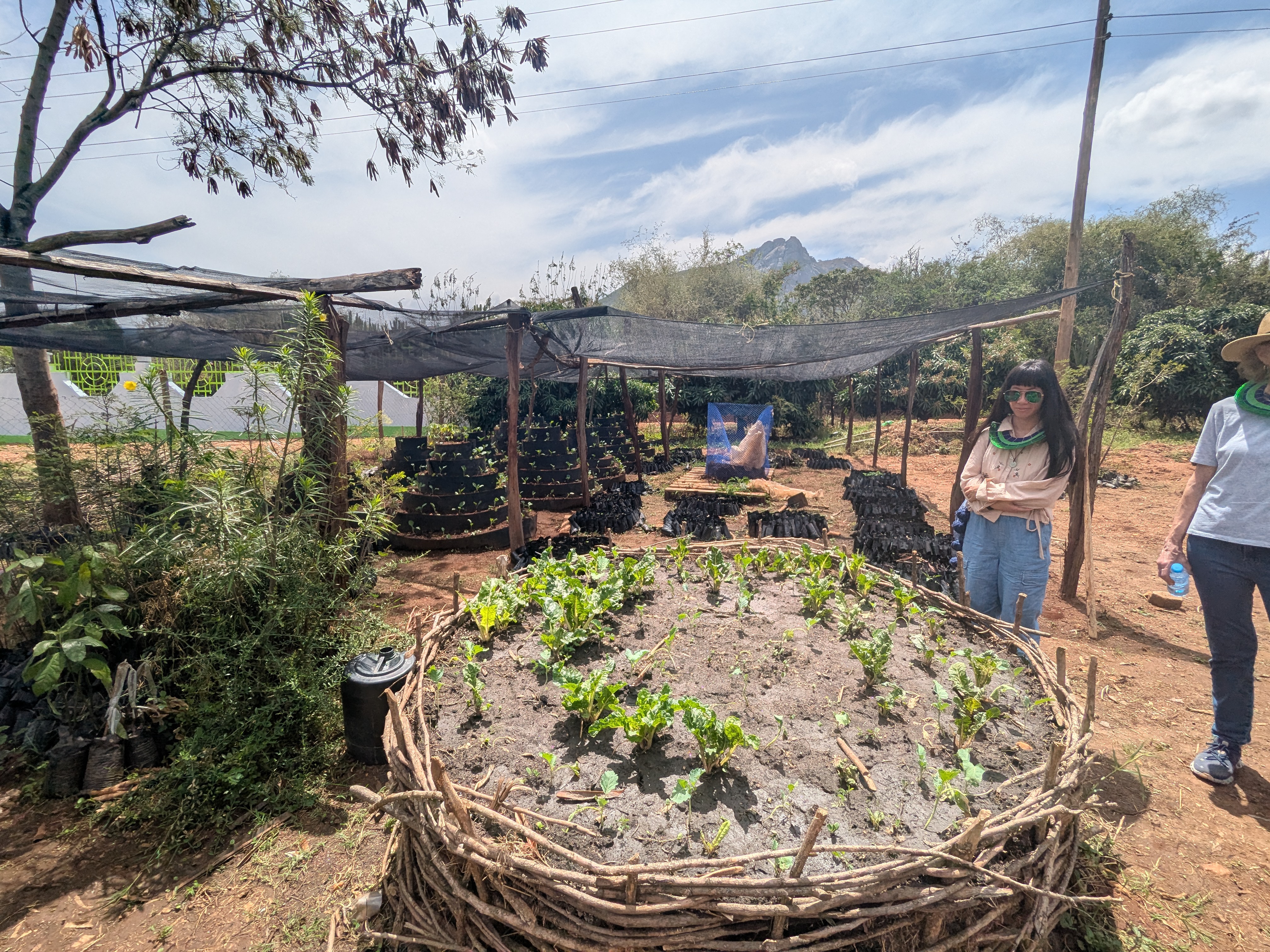
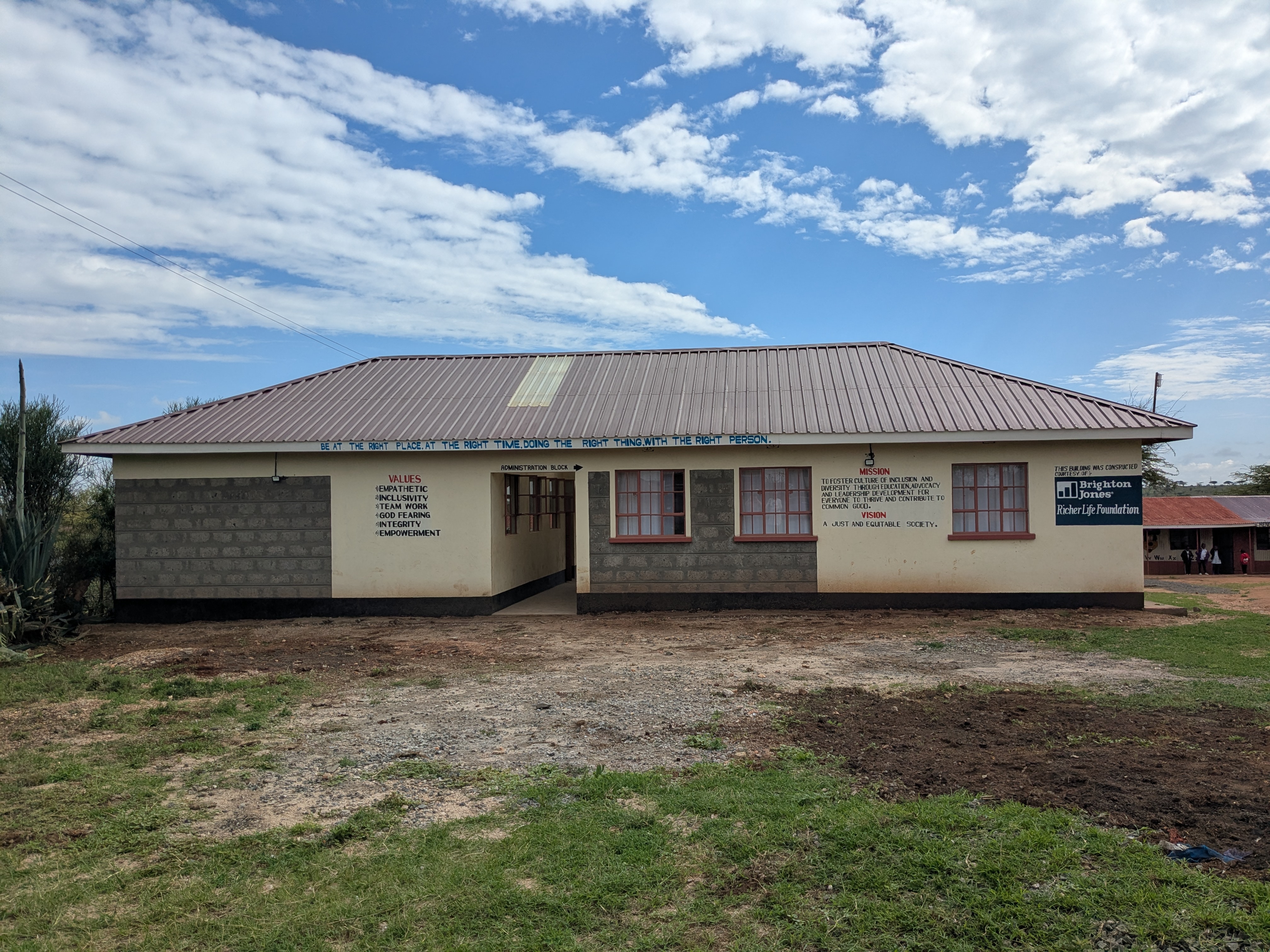
After the welcoming party, we toured the facilities, checking out the garden/farm.  The girls take pride in their gardens where they grow vegetables and fruits for themselves, and we had tasted some of the produce in our lunch. They also attend the different workshops to learn practical life skills through electrical workshop, plumbing workshop, beading workshop, tailoring workshop, cosmetology, the media workshop and the computer workshop. This is a more established HER lab compared to the other HER lab Kajiado we visited before.
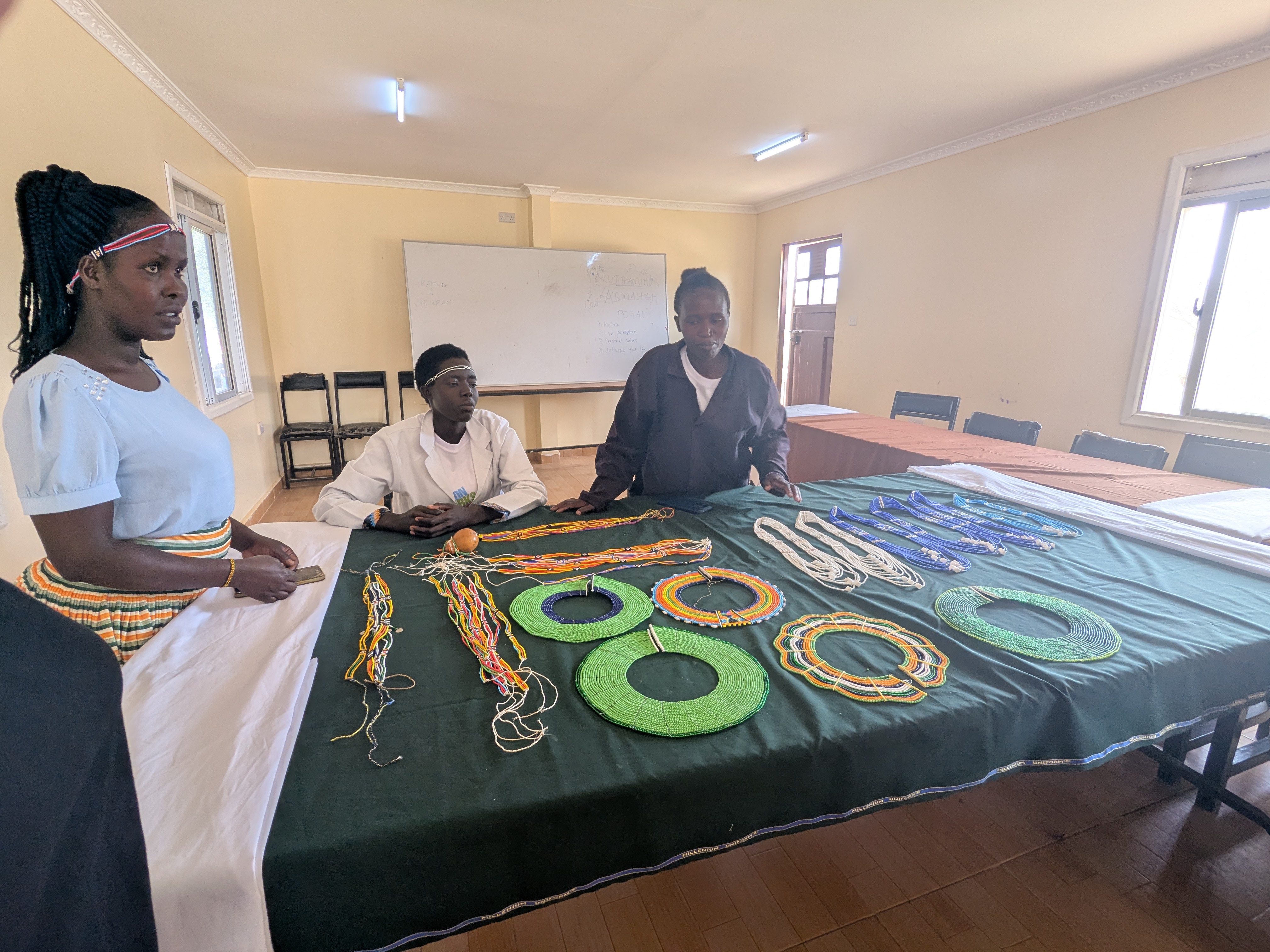
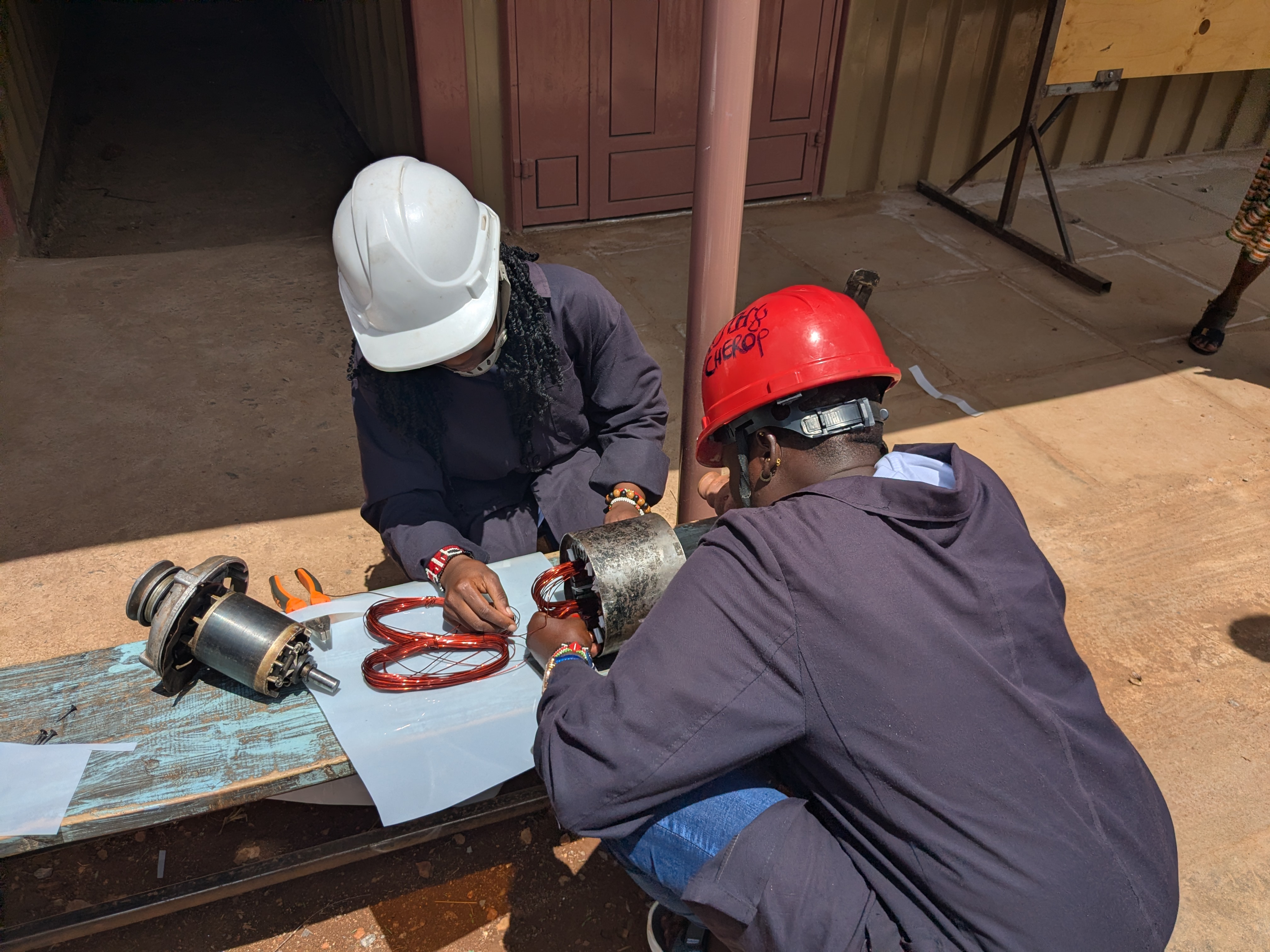
A few girls shared their experiences through their emotional speeches during lunch. It gave us some ideas on the kinds of effort the staff has put together to support the girls. 

The HER Lab is not just for the girls, it also serves the community.  In the afternoon, we were introduced to the community before joining an outdoor workshop “Know me by my Name: My Name, My Voice, my Power” for the women of different ages. The topic was about financial freedom. We sat in a circle, with two school-age girls as facilitators. The participants shared their experience about their saving habits, their businesses, and ways they would like to improve. I did not speak their languages, one girl translated. In spite of the language barrier, I felt their energy, their hope and their happiness for the future. 

Three projects (Kibera, Kajiado, West Pokot) on three days. It is energizing to experience the rays of hopes from the girls and women. 

Next: Ambroseli National Park (Safari) 

Leave a comment »

Book Reviews of AI and diverse reads

Artificial Intelligence has arrived. 

In the AI-powered world, the Large Language models, Gemini, ChatGPT and the like, can summarize a book, give a nutshell of things, answer questions, and even analyze a book together with you. It is impressively powerful. It meets the ever raising expectations of what it can do. AI writes book reviews well too. I am sure that AI can do a better writing job after it digests trillions of words which I never would be able to. 

Let AI have the better ability in reading and writing. There is no existential crisis about it. I am pleased to keep the enjoyment of reading a book at the speed of a snail. I have the choice of my own interpretation of a book, the intent of its author and writing the book reviews.


You look like a thing and I love you
By Janelle Shane

It is a book about how Artificial Intelligence works and why it’s making the world a weirder place. With the hype of generative Artificial Intelligence (GenAI), it feels like eras have passed since this book was published in 2019. The ChatGPT / Generative AI debut is however not a baby born out of nowhere. The breakthroughs in computing, memory and storage power, the leap in machine learning and the focus in data science are all important notes leading to the Generative AI crescendo in November 2022. Many of the “how it works” are as relevant now as in 2019. 

This is a highly engaging and informative book. AI has already arrived. The best way to go forward with AI is to understand it – understand what problems AI can solve, what issues AI can create, and what can we do to manage the situations.

This book will endear you to AI, and why there’s every reason to be cautiously optimistic.


Never let me go 
By Kazuo Ishiguro

In a dehumanized world of dystopia, what would the experience of growing up, falling in love, making friends and the sense of mortality be like? The novel starts with a mystery that the protagonist is a carer unlike any carers we are familiar with. She takes care of different donor patients who need to recover from donations, and at times multiple donations. As the protagonist recalls her school lifes, her friends, her guardians and her years as carers of her closest friends, the readers discover a dystopia, unlike anything we have seen. In that world, their growing up, their relationship and mortality still resonate. 


Song of the Cell : an exploration of medicine and the new human
By Siddhartha Mukherjee 

Mr. Mukherjee is among my favorite authors. His book is always well researched and is a joy to read. Cells make up everything in our body. There are step jumps in our knowledge of the cells and there are still more to be discovered. Mr. Mukherjee perfectly combines the technicality of the deep complex topics and the poetic touch of his personal experience. Through his writing, the scientists, the doctors and the patients each come alive with their own unique characters. It is a book that requires focus to read, pause, and resume. As I finish the last page of the book, I feel there is so much in it that I would like to start all over again. 

Reading his book not only gives you a good set of knowledge of the topic. Reading his book  gives ideas on how to write a technical topic filled with beautiful personal stories, each with a human touch. It is these human touches and their stories that endears us to the doctors, the scientist and the new scientific discoveries about the cell. 


Determined. A science of life without free will
By Robert M. Sapolsky

The initial chapters of the book are pretty dense as the author introduced the framework among the free will, deterministic, nondeterministic, predictable, unpredictable together with different terminologies and how our brain works in neuro-science terms.

Halfway into the book, I got the gist of the author’s position and his argument. There is no freewill or there is much less freewill than what we think we have. Our behaviors, decision-making, failures, and successes are results of our nature (genes) and nurture (environment, family, friends and societies). 

So what? Why did the author, professor of  biology, neurology, neurological sciences, and neurosurgery at Stanford University suspend his teaching commitments, and spend time to write about the topic?

The second half of the book would provide the answer.

Do you believe that illness is a punishment of evil acts of our doing? Do you believe that schizophrenia is caused by bad parenting? Do you agree that people committing crimes deserve  the most severe tortures so justice is served?  Society has changed a lot in many things.  Depending on whether it is a “Yes” or “No” to these questions, we see the world with different degrees of empathy and compassion with one another. 

If more people agree to no free will or limited free will, there will be more support to change the education system, the justice system, and the moral system. The author conveys that we don’t need to be heartless, and judgmental to others with less fortune. There can be better systems and societies. 

This book has been named one of the best books by the Washington Post and the Wall Street Journal.

I suggest reading it with patience, taking breaks and taking as much time as needed. I get a lot a lot out of the book, and it gives a new perspective of many things around us.

Leave a comment »