Weekdays in Buenos Aires are spent working, and weekends are for discovering the city. It still offers me plenty of opportunities to get to know the capital city in my three-week stay. Buenos Aires feels like a Spanish-speaking New York city look alike with visible Italian influences from Tango, music, pizza and pasta. Like New York, it takes time to discover and appreciate what the city offers.
Buenos Aires has vastly distinct neighborhoods.

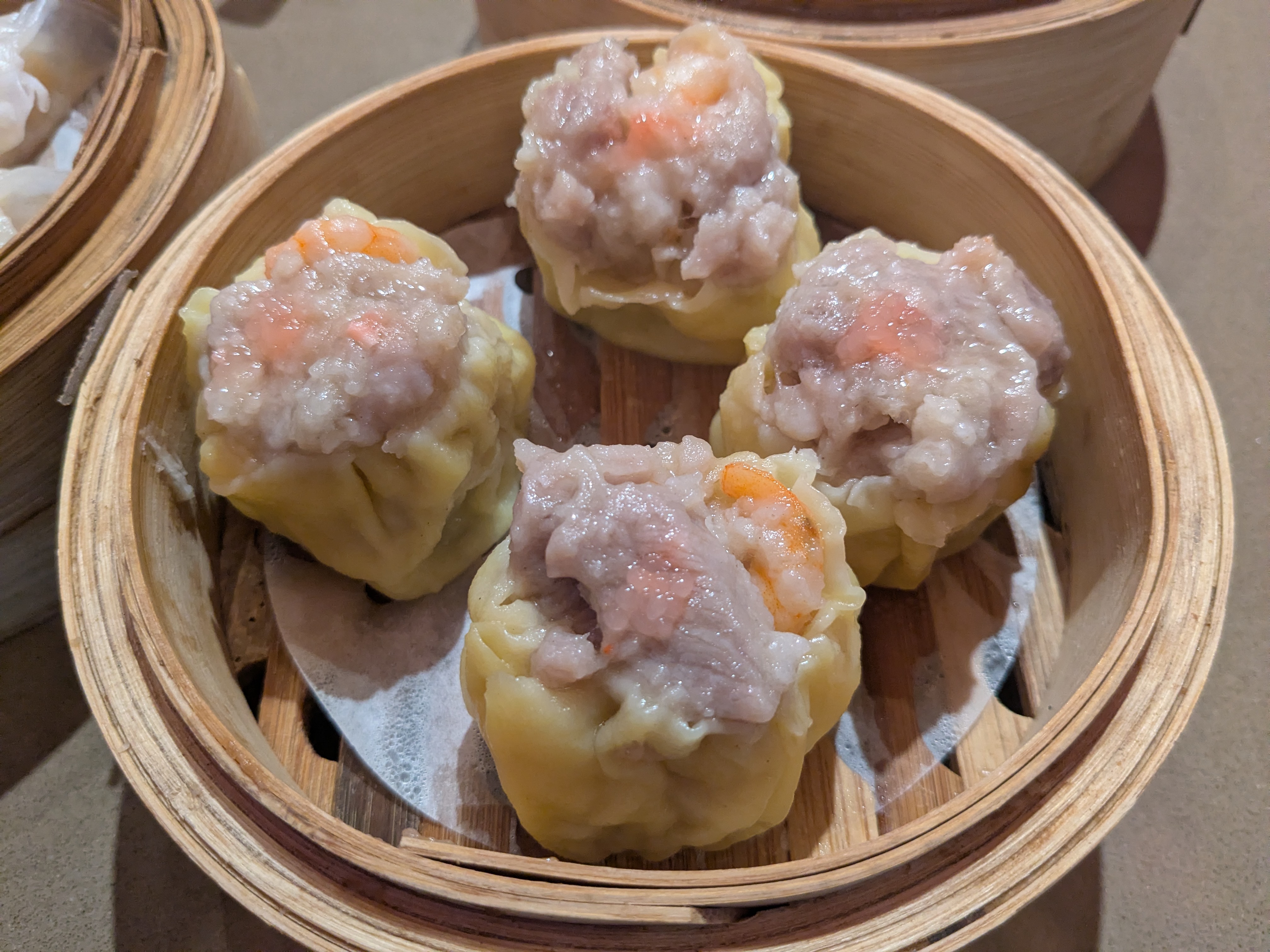
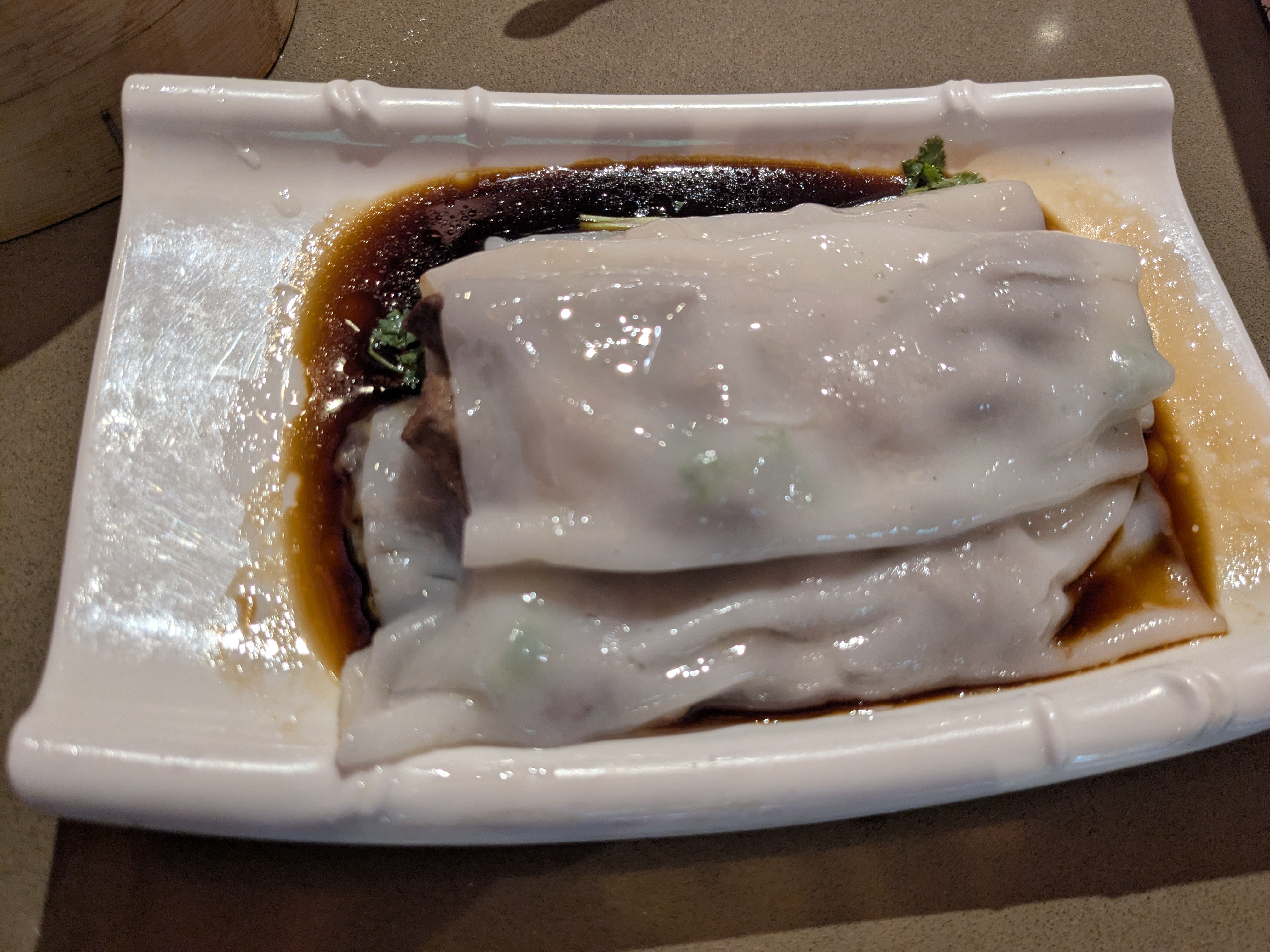
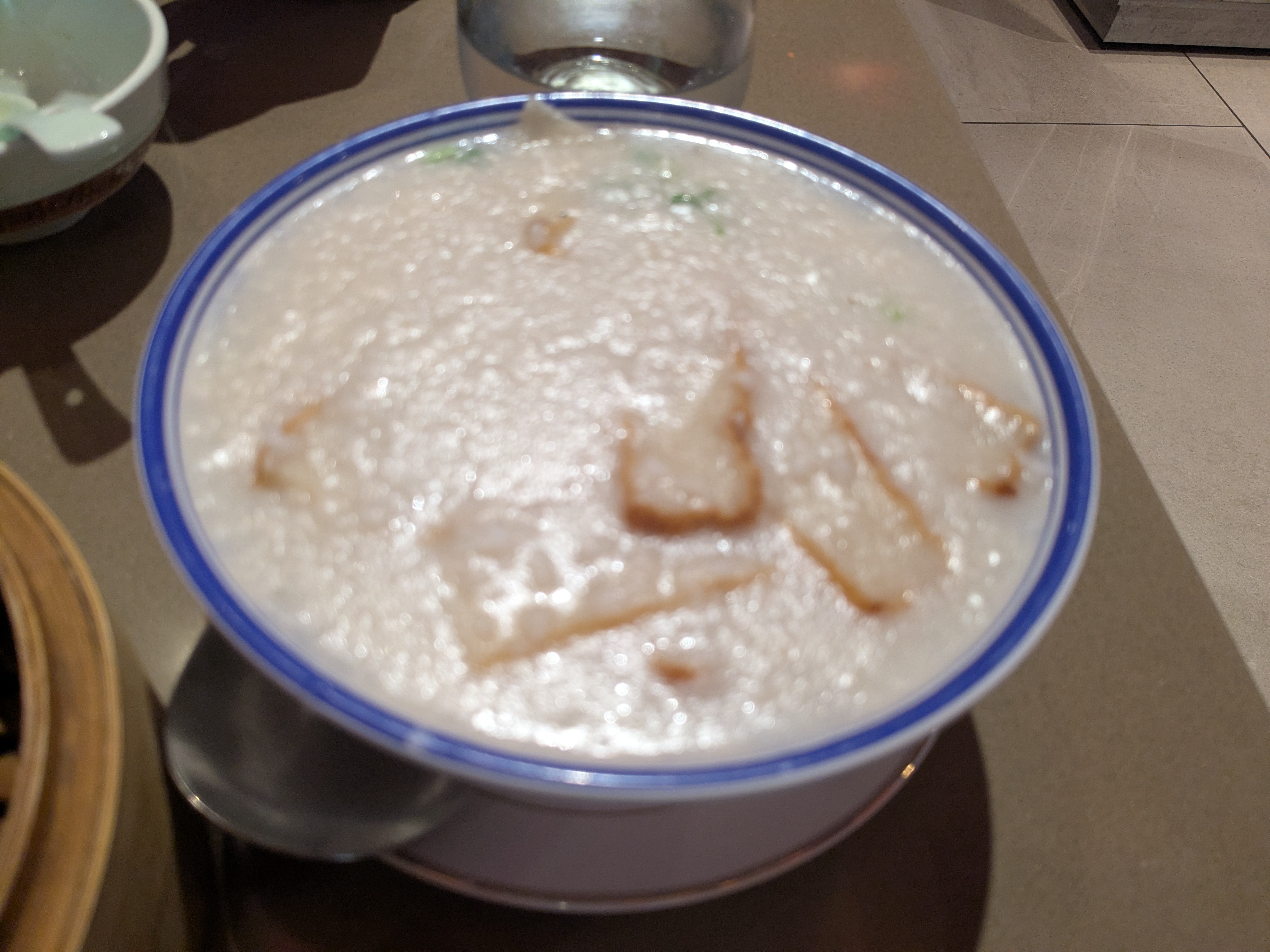
As the capital of Argentina, Buenos Aires does not have much Asian presence. We hardly run into Asians, and hardly hear anyone speaking Mandarin or Cantonese (or Japanese or Korean or Vietnamese or even English) on the street. Buenos Aires has a sizable Chinatown, in the Belgrano neighborhood, that feels more like an Asian town with varieties of Asian eateries, and shops. It is very pleasant to visit over a weekend. It is probably the place in Buenos Aires that I have run into the most Asian restaurants. Even though Chinese cuisines are popular worldwide, Chinese restaurants are also rare other than the buffet style Chinese dishes, served as fast food and sold by the kilos with an unappealing look and equally unappealing tastes. The only dim sum restaurant we discover is the one in Chinatown and it is good.


Cemetery and Beauty do not naturally come together, the Recoleta neighborhood has the famous Recoleta cemetery highly regarded in its beauty. If you are in the area, don’t miss Floralis Genérica, the iconic “flora garden” next to Recoleta. Floralis Genérica is home to a massive, mechanized aluminum flower sculpture in the Plaza de las Naciones Unidas (United Nations Square) that opens its petals during the day and closes them at night, representing all flowers in the world. I can be there all day appreciating the simple beauty and grandeur of the flower sculpture.

The San Nicolás neighborhood has the Opera house, the Obelisk as the landmark. The historic Monserrat neighborhood has the Casa Rosada, the Pink House equivalent of the White House. The Puerto Madero area has another landmark of the Woman’s Bridge, Puente de la Mujer, and the surrounding eateries have attracted crowds of locals and tourists. The San Nicolás, Monserrat, Puerto Madero neighborhoods are more reminiscent of the European colonial times. They are mostly upscale with some neighborhoods that feel like miles and miles of parks full of greeneries.


The Palermo neighborhood, where our Airbnb is, is a vibrant area, with markets and shops. There is a 10-lane road that takes a minute to walk across. Airbnb made my home office during my stay, so we picked the more pricey unit. We got a 2-story unit on the 27th floor in the center of Palermo, with a home office and a big bed upstairs, a kitchen and living space downstairs with floor-to-ceiling windows. Every morning, we were greeted with an expansive city view and lots of birds chirping. In the evening a beautiful sunset created a glow to the city. There is a well-equipped gym at the top floor, overseeing the plane taking off from the AEP airport from afar and the view of the Rio de la Plata. There is also a sauna room below the gym, and every time we used it, there was no-one else, making it a private sauna. There is also a long outdoor pool, open during the summer months. When I need to take a break from work, I can get a coffee, an orange juice, a slice of pizza and an empanada within a few minutes of walking. We paid ~$120 per night, which is a stark reminder of the differences in cost of living of different cities.

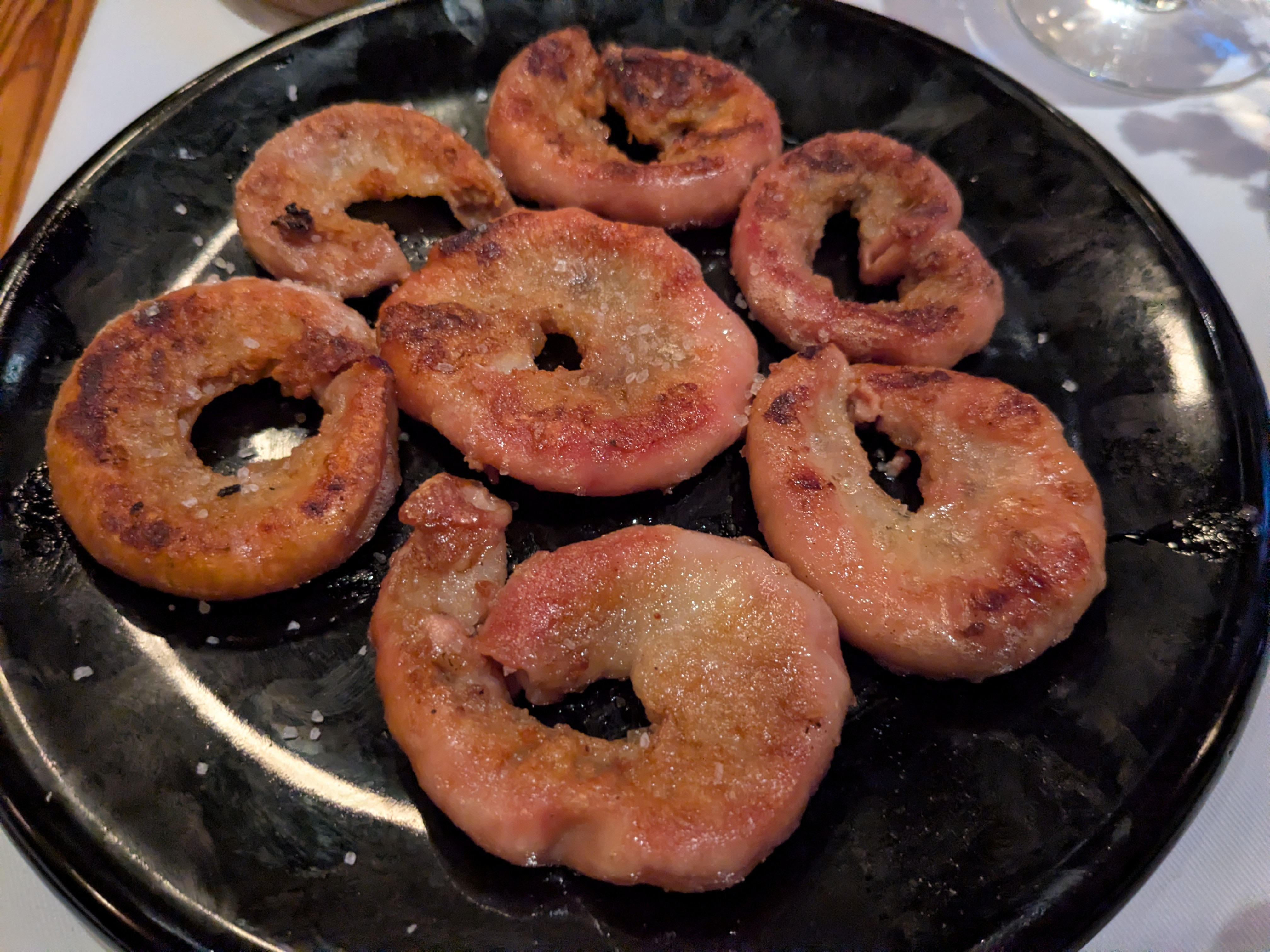
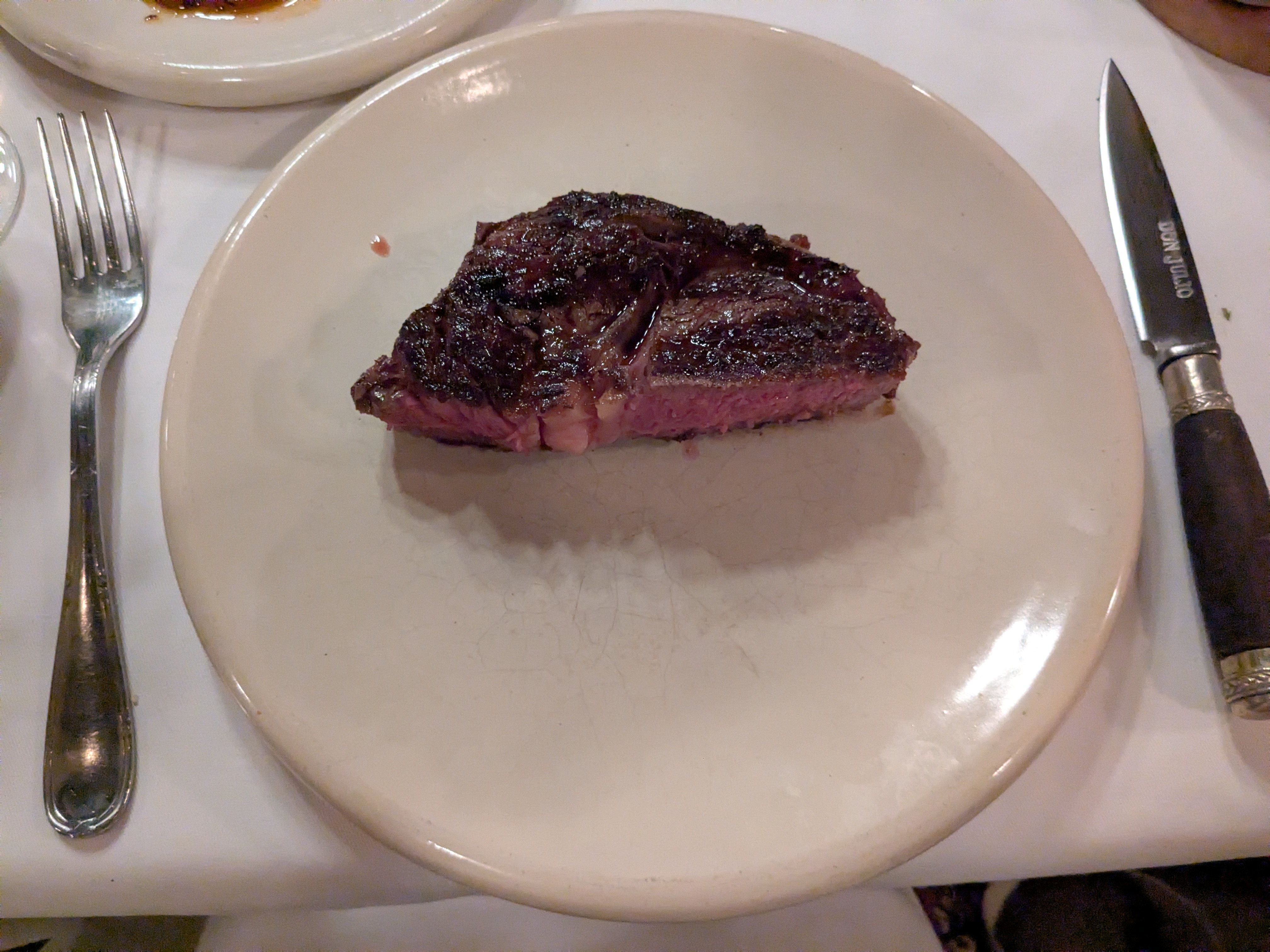
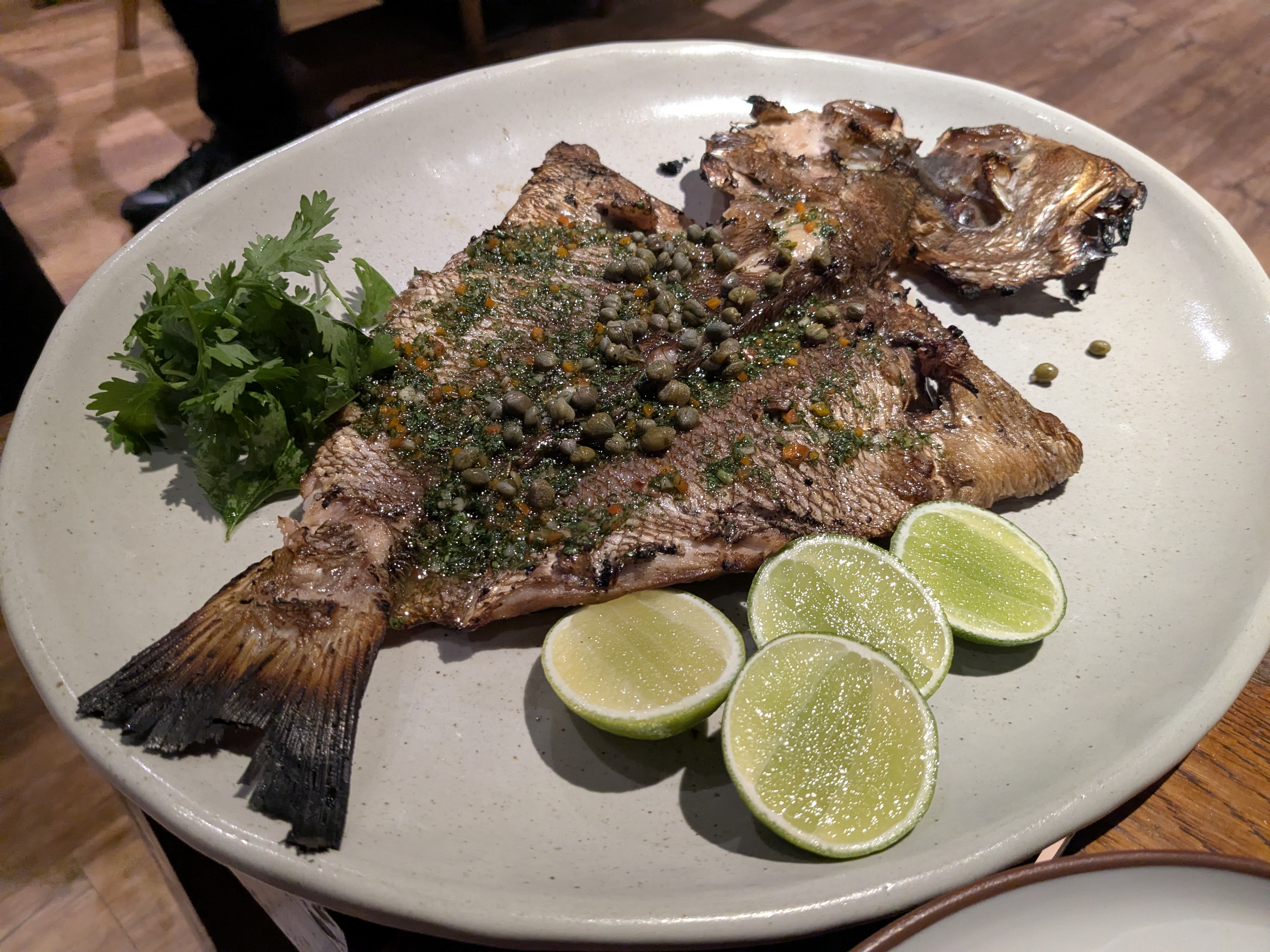
Just about a 10 to 15 minute walk, there are a variety of restaurants on the clusters of streets, each named after a Latin American country. Argentines have very late dinner hours. We kept our early dinner hours, and often were treated to have a restaurant all for ourselves, well not for the world-famous Don Julio restaurant. Don Julio is a popular Michelin Star restaurant located on Guatemala street. It is considered as the #1 restaurant in the Latin American region. Every evening, there are lines formed by steak-loving diners, who have made reservations, waiting for the opening of Don Julio restaurant. We went there for dinner one evening and it lived up to its reputation.




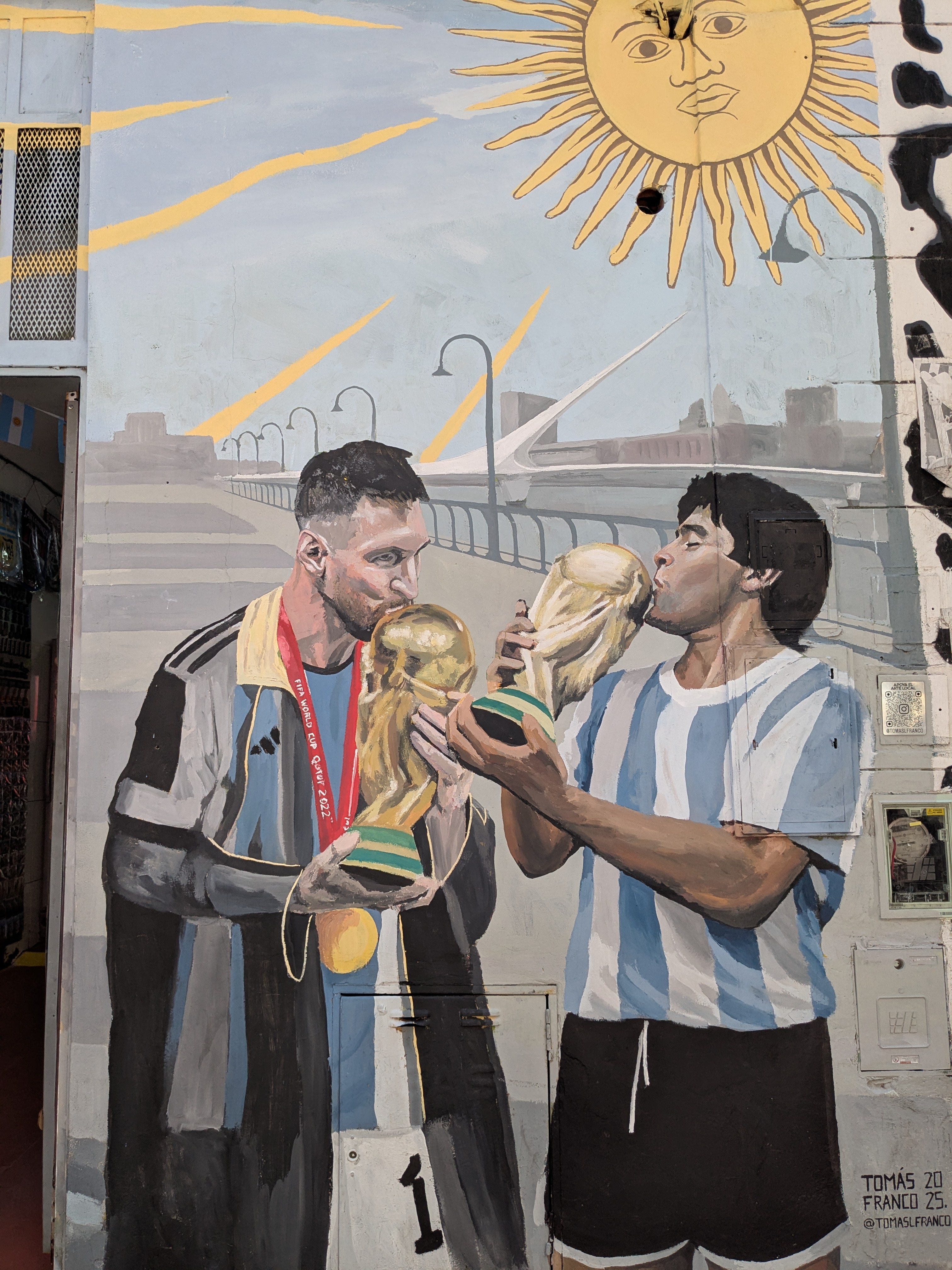
San Telmo is among the oldest neighborhoods in Buenos Aires, well preserved with colorful houses, and is worth a stroll during the day time. The nearby neighborhood like La Boca, famous for its soccer stadium and the immortal Argentine Maradona, is a rundown neighborhood to avoid after dark and maybe even during the day. These neighborhoods are where Tango originated as a blend of European, African, and criollo rhythms in the late 19th century.

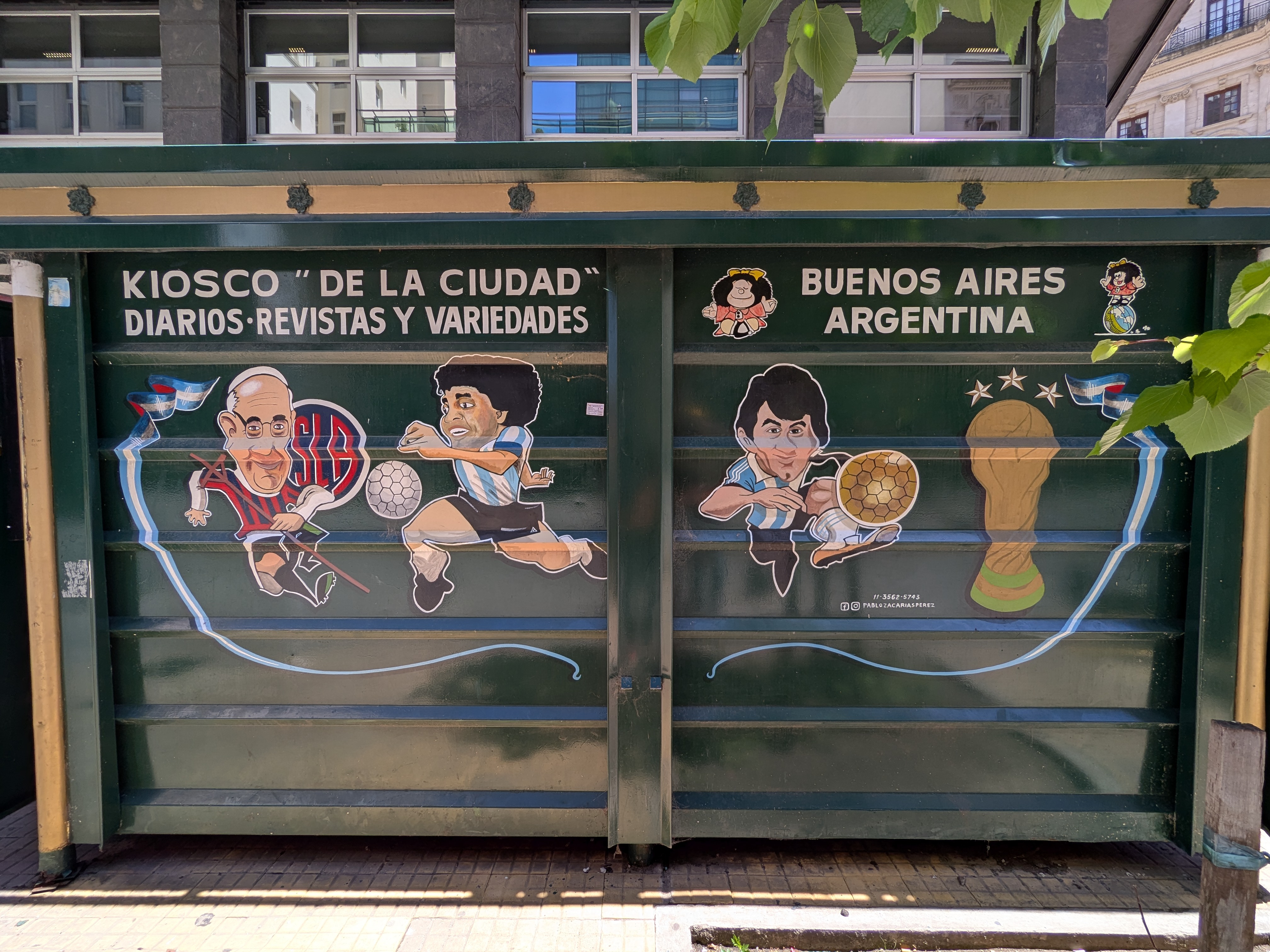
Just like major cities, we always need to be mindful of the surroundings. In Buenos Aires, there are often bar-protected shops, and it is not uncommon to find gun-carrying police or security personnel on the streets. It constantly reminds us to be mindful of safety in major cities like Buenos Aires or New York City. There are “land mines” in the city, as a result of the many dogs and their dog owners. Not all dog owners clean up the waste so there are “land mines” to keep you paying attention all the time. I just hope that the city does something about it, be it by penalizing the dog owners or other smarter alternatives.
The Argentines have the best use case of WhatsApp. Airbnb, hotels, delivery and many teams use WhatsApp for communication, and over time, we get used to connecting with “these service teams” over WhatsApp and often get real-time if not even 7*24 support. We also feel more confident in connecting with fellow travellers over WhatsApp to share travel tips. These use cases confirm Messaging Apps, like WhatsApp, lives up to its promises of connecting people. We are very thankful for these Messaging Apps.
Considered as one of the ten best opera houses in the world by National Geographic, the Teatro Colón Opera House is a historic opera house in Buenos Aires. Leading international opera directors claim that it has the room with the best acoustics for opera. We decided to catch the opera Salome by Richard Strauss to experience the coziness and grandeur of the Opera House, and the Opera performance.

Tango shows often start at 10pm. It is in line with the late dinner hours of the Argentines. The late start is prohibitive to us early sleepers. Instead, my spouse and I experienced some Tango dancing street performance, and we signed up for a one-time Tango lesson. It is not only Tango dancing. The lesson is a mix of Tango music appreciation and learning simple Tango steps. I would remember this experience for a long time and definitely recommend the lessons to fellow travellers.
Soccer is the love of Argentines. What better to experience Argentina and the love of soccer than watching a soccer game at the River Plate Estadio Monumental stadium. This stadium houses 85000 spectators and it is hard to get tickets. For the full soccer fan experience, we joined a local tour with a guide who took care of the tickets, arranged a pre-game beer social get together with the group, and took care of us before and after the game. A WhatsApp group was set up for communication. Hours before the game time, we met up and a bus took us to a restobar. We bonded with other travellers over the beer, and shared our travel experiences. It was very fun. The restobar is within walking distance of the Stadium. After an hour or so of social time, we headed towards the Stadium. There were food booths along the way, and the crowd grew as we got closer to the stadium and the game time. The fans behave respectfully, are loyal and disciplined. I still remember the first impression of the Stadium – the vastness, the non-stopping chanting of fans creating peak decibels (dB) like in a sold-out rock concert, the flying flags and the energy of the crowd that filled the stadium.

The game was meant to be an easy win for the River Plate home team. The opponent Gimnasia is a team which the home team has not lost against for the last two decades. In that evening, the River Plate home team put up an unimpressive performance, even failing to convert the penalty kick gifted to the team in the last minute and ended up losing 0-1. In spite of the dramatic upset, the fans were obviously super loyal as they continued to chant for their home team to the last minutes and after the game. The loyalty and behaviors of the fans set a great model for the other soccer fans across the world.
A week after, the River Plate team and the Boca Juniors team met in the Superclásico, considered as one of the “top 50 sporting things you must do before you die”. The ill fortune of the River Plate team continued and they lost against their all-time rivalry. It was quite an experience to run into their fans and their bus on the streets before and after the game. The fans, wearing the team jerseys were everywhere on the day. The city experience of Superclásico made one of our most memorable experiences in the city. If you ever visit the city, watching a soccer game is a must, and we recommend the more upscale Estadio Monumental, more so than the La Bocca stadium due to the neighborhood.
It is hard to believe that Colonia del Sacramento of Uruguay is only a ferry ride from Buenos Aires. Colonia del Sacramento is a beautiful historic town, a UNESCO World Heritage Site that has the remnants of both the Portuguese and Spanish influence. The old town, made up of a myriad of cobblestoned streets, makes a lovely stroll for half of the day, with as frequent stops as you wish at the variety of restaurants. As we ventured outside of the old town to the less touristy area, we saw many small groups of friends and families carrying gourds, bombillas, and thermoses of warm water, quietly chatting and enjoying Mate as much as each other’s company. Colonia del Sacramento makes a good day-trip from Buenos Aires.


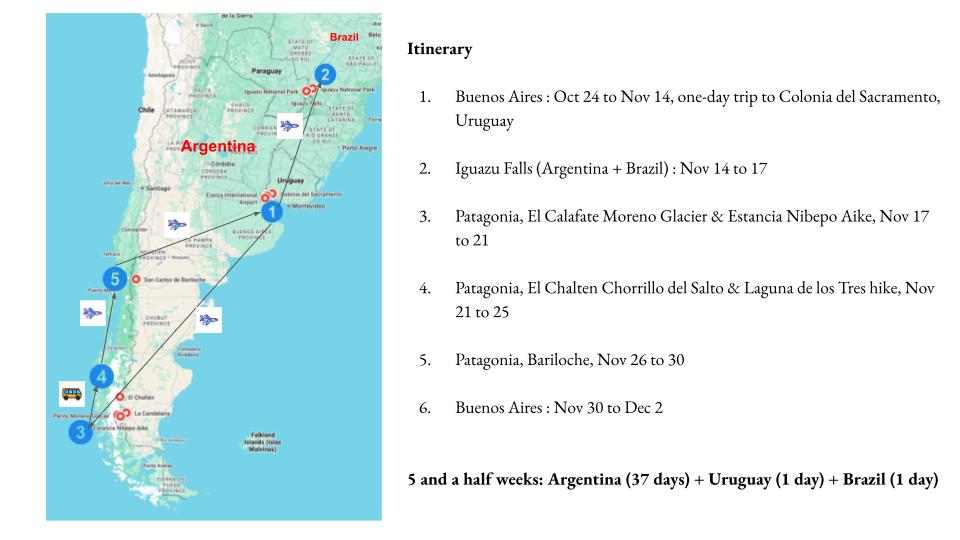
Next: Iguazu Fall Nov 14 to 17.


 oliviatamccue