Much has been said FIRE (Financial Independence and Retire Early). There is a difference between retiring early from the corporate workplace and retiring early from life when you become financially independent. I hope most are interested in the former, and no-one is interested in retiring early from life.
Corporate workplace may be where we spend more time than anything else, in our career years. The corporate career is not the totality of life. The dream of retiring early comes across as more the desire to retire from the corporate workplace.
In a way, corporate workspace is a new and luxurious form of modern slavery, quite full of shackles. The modern workplace shackles take on familiar forms.
We need to live with the bi-annual or annual performance evaluation system. It is the game to play along for survival, for good compensation and promotion.
When the job market is bad, no one would risk their careers to counter their boss’ ideas. The one-liner asks of the company executives become the gospel and you cannot apply critical thinking about the asks. You cannot doubt the organizational strategy, product directions and OKRs.
When your coworkers kiss up, it is still better to play along. If your ideas become the boss’ idea, it is the great idea of the boss. If your boss has bad ideas, it is an effort to shut up.
Career freedom means at least
You can speak what you have in mind without worrying about the subtle but legitimate implications.
You can apply critical thinking to what your job is about, what your boss is asking, where the company is going.
You can leave your job the next day and not be stressed about it.
Earning career freedom in corporate workplace requires hard work. What can you do to earn it?
Start early to save and invest, work hard towards financial independence.
Learn new skills that the world needs all the time.
Stay open to new opportunities. Even if you are happy with your company, you need to know what the markets are for you.
With career freedom, you choose to work in a corporate workplace, you choose to stay or retire from it. The choice brings more job satisfaction and you can bring more meaningful impact. And if corporate workplace is not your cup of tea, you can create a career your way.
May all the salaried workers find their path to career freedom.
2025 marks the beginning that I have been in the California Bay Area longer than Hong Kong , a city where I was born and raised. To which city am I supposed to be homecoming?
Every trip to Hong Kong reminds me that happiness is tied to human connections. Trips in Hong Kong are less about sightseeing, more about connections with families and friends. There is the delight to find families and friends doing well. Special events often play a role in firming up our travel plan. This year, the special event turned out to be the 125th anniversary of my secondary school.
When I was still studying in secondary school, we celebrated the 80th anniversary of school. This year is the 125th anniversary of my secondary school, 45 years since the 80th anniversary. I made the trip to join the anniversary dinner with over a thousand other graduates in Hong Kong. How amazing is that!
Despite many complaints about the demanding nature of Hong Kong education systems, the Hong Kong system appears to offer a better environment for students to build lasting friendships. I personally experienced the life-long friendship deeply again with the multiple reunions with the secondary school classmates on this trip.
The Hong Kong pre-college education consists of kindergarten years, 6 primary school years and 6 secondary school years. In my days, the students have just a few subjects we can choose: art vs science, geography vs history, etc. Due to the limited varieties, I had many classmates taking the same curricula with me. That created so many shared memories. The classmates may drift apart for years. Some of us may move to different places of the world. Often when someone, like me, comes back to Hong Kong for a short trip, we get together, the bonding revives so naturally and so quickly. It is a life-long friendship with a class of friends.
Comparatively, the Bay Area education consists of pre-school years, 6 elementary school years, 2 middle school schools, then four high school years. There is less continuity when the kids grow up in their teen years. The rich choice of subjects mean most kids hardly are on the same curricula or with the same teachers. After graduation, the classmates would settle in different parts of the US if not of the world, far away from each other. Sometimes, I am concerned about the few friendships one can sustain after graduation especially for those who may not be a social butterfly in their teen years. In spite of its heavy homework and strenuous studies, the Hong Kong system is better in terms of life-long friendship.
The school celebrated the 80th anniversary of school when I was still a teenager. The school did not jump from the 80th anniversary to the 125th anniversary. I skipped many, if not all, the between, and jumped 45 years for a special anniversary dinner.
The 125 anniversary dinner was held in the 5-star Hopewell hotel in Hong Kong, with 125 tables, 10 per table. When I arrived at the hotel, many current students in the CheongSam school uniform were there at the building entry, showing us the ways to the Grand Ballroom on the 16/F floor. They bridged all the years, and brought back so many memories of my own school days. They just looked to be the refined and upgraded versions of our generations. When I got to the Grand Ballroom, it became immediately apparent that the organizers had put in tons of thoughts in setting up the venue. It certainly felt star-studded an Oscar experience with classmates, students, teachers and principles. I immediately felt at ease and it was easy to find my table among the 125 tables. A couple of my classmates were already there. One also flew in from California. We had not seen each other for years. Just seeing her made my trip to Hong Kong worthwhile. Soon the tables were filled. The conversations bridged all the gaps of the years. My school is a Girls’ Christian school. We were busy chatting, and did not notice the noise level of a thousand of us catching up with each other in the Grand Ballroom. It took some effort for the MC to kick off the evenings with school songs and prayers. The school song has a phrase that tells our hearts to stay together even if we will be far apart. I certainly felt that I had not lived up to that phrase after drifting away for many of the years. The performance of the current students has been impressive, and the farewell set up for the current school principal has been thoughtful and heartwarming. What I like the most is the opportunities to catch up with each other, reminisce about our school days, see our teachers, and other familiar faces. We took a bunch of photos together.
It was an evening that I would remember for a very long time. I am thankful that after all these years, we can rekindle our friendship and are still young enough to have some remaining years together. We met again shortly after the anniversary dinner and look forward to more happy times in the years to come.
If you graduated from high school this year, and your school continues another 45 years, you will join your school anniversary dinner in the year 2070. How special will that be for you?
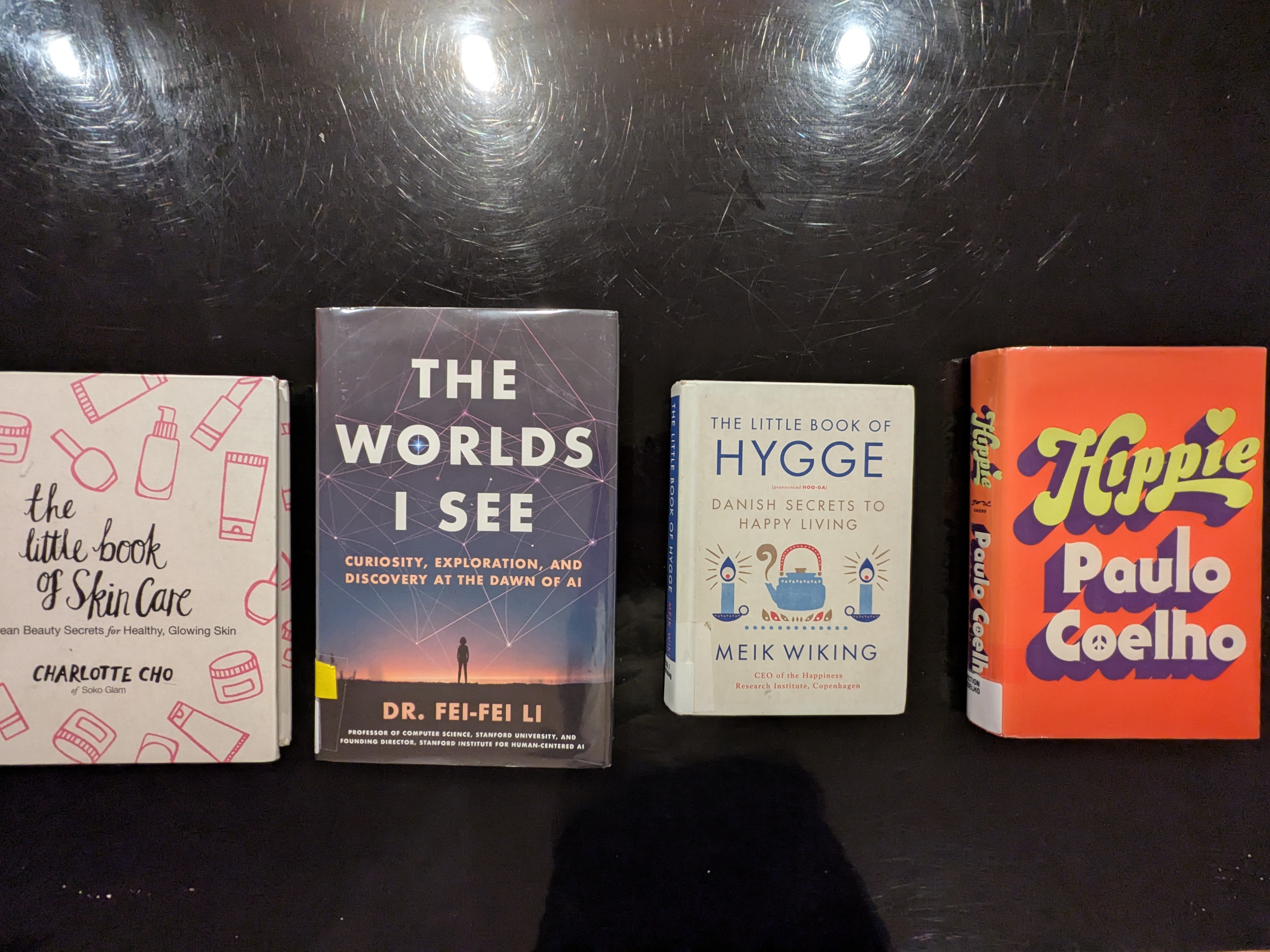
The books I read during the holiday, transported me to new places, and new experiences. The Worlds I See had been on my to-read list for ages, and I finally checked it off. It’s a memoir, an immigrant story, a personal journey, and an AI journey all wrapped into one. It doesn’t get better than this. The other books were serendipitous finds, with The Little Books offering delightful reads for everyone.
The worlds I see By Dr. Fei-Fei Li
If you search “Godmother of AI”, Google search results will list “Dr. Fei-Fei Li” at the top.
Dr.Fei-Fei Li is a through-and-through trailblazer. In the tech world, Dr. Fei-Fei Li has chased after Data, when algorithms and complex logic have been the unparalleled kings and queens in the computer kingdom. The resulting ImageNet has contributed to AlexNet and Neural Network. In the world where technology is the hype, Dr. Fei-Fei Li established the human-centered AI institute (HAI) in Stanford.
Her research and accomplishments are numerous. Her resilience, her commitment, her passion and her value stands out more in this world where the rich and the powerful get it all. It is touching to read about how she achieves, while caring deeply for her family, her parents, her spouse and her children, her students and the people around.
Her personal journey from China to America, New Jersey to Palo Alto will inspire you. The world will be better, if more of us see it through her lens.
Please add this to your to-read list.
The Little Book of Hygge: Danish secrets to happy living By Meik Wiking
I love these little books. The first chapter of light, about candles and lamps, is almost a bore. That is the whole point that many found all the normal things around us become a bore.
If you can pass through the first chapter of very normal things around us, you will be rewarded with a real sense of Hyggeligt. If you get through the last page, you don’t need to be in Denmark to discover the secrets of Happy Living.
The whole point of Hygge (contentment, comfort, coziness, and so much more) is about making the most of what we have in abundance : the everyday.
I love this little book. I am deeply grateful to the author Meik Wiking, CEOof Happiness Research Institute, Copenhagen. The world will be a better place if more people see and enjoy the common things around them.
Hippie By Paulo Coelho
I love his book “The Alchemist”. This is an autobiography of the author, travelling with a newly known Dutch woman from Amsterdam to Kathmandu. It has a bit of everything in life, the spectrum of people (real characters) they met and their experiences, the personal discoveries as they journeyed together from Amsterdam to Kathmandu. Just like many things in life, when we are seeing it as it is, there is some weirdness that cannot be comprehended or making sense of it. That weirdness stays with me long after reading the book.
The Little Book of Skin Care: Korean beauty secrets for Healthy, Glowing Skin By Charlotte Cho
This book transforms how I think of the skin care routine from a chore to really enjoying it. It has real good tips if you want to have a dewy look. I recommend the book to readers of all ages.
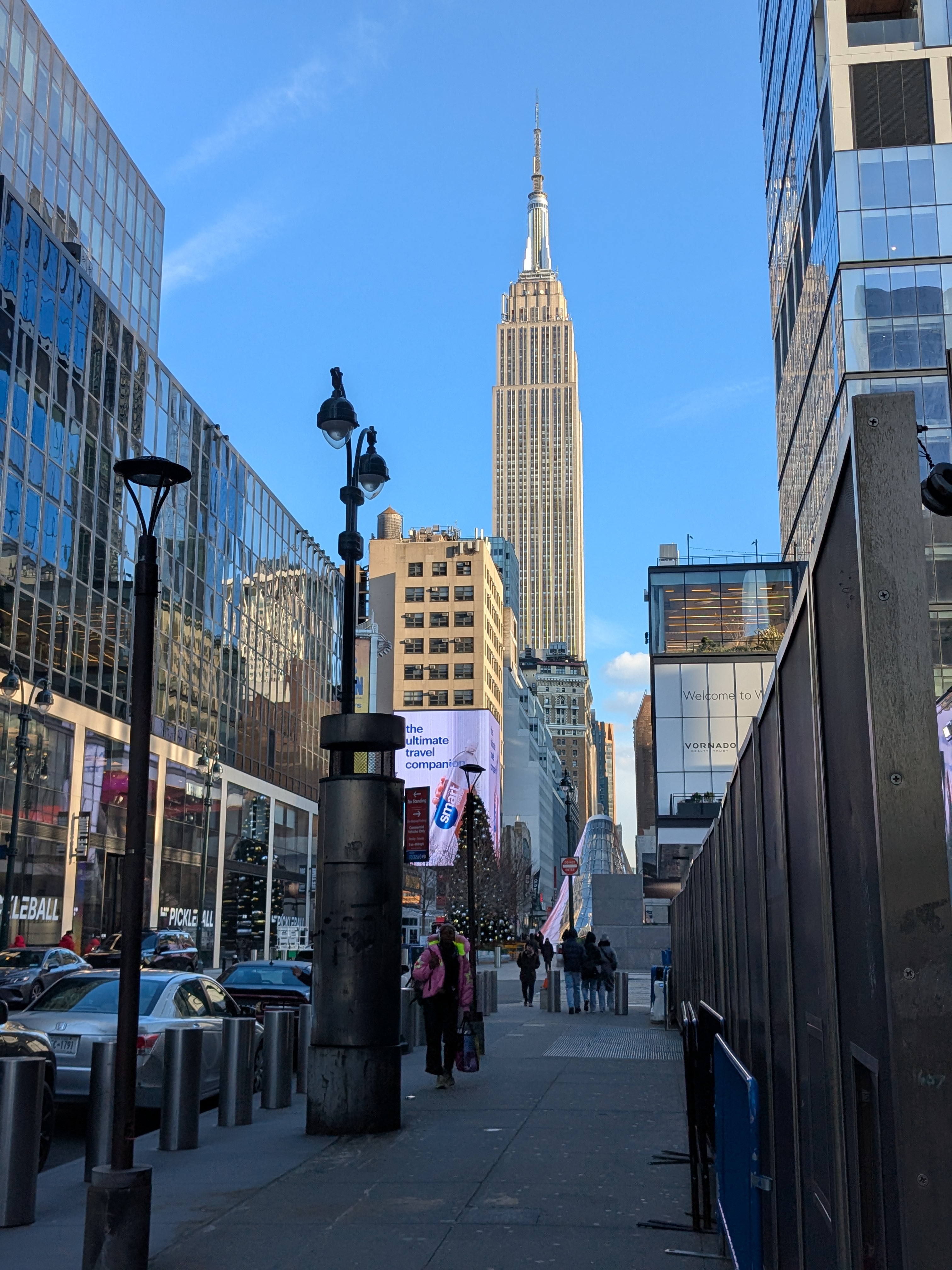
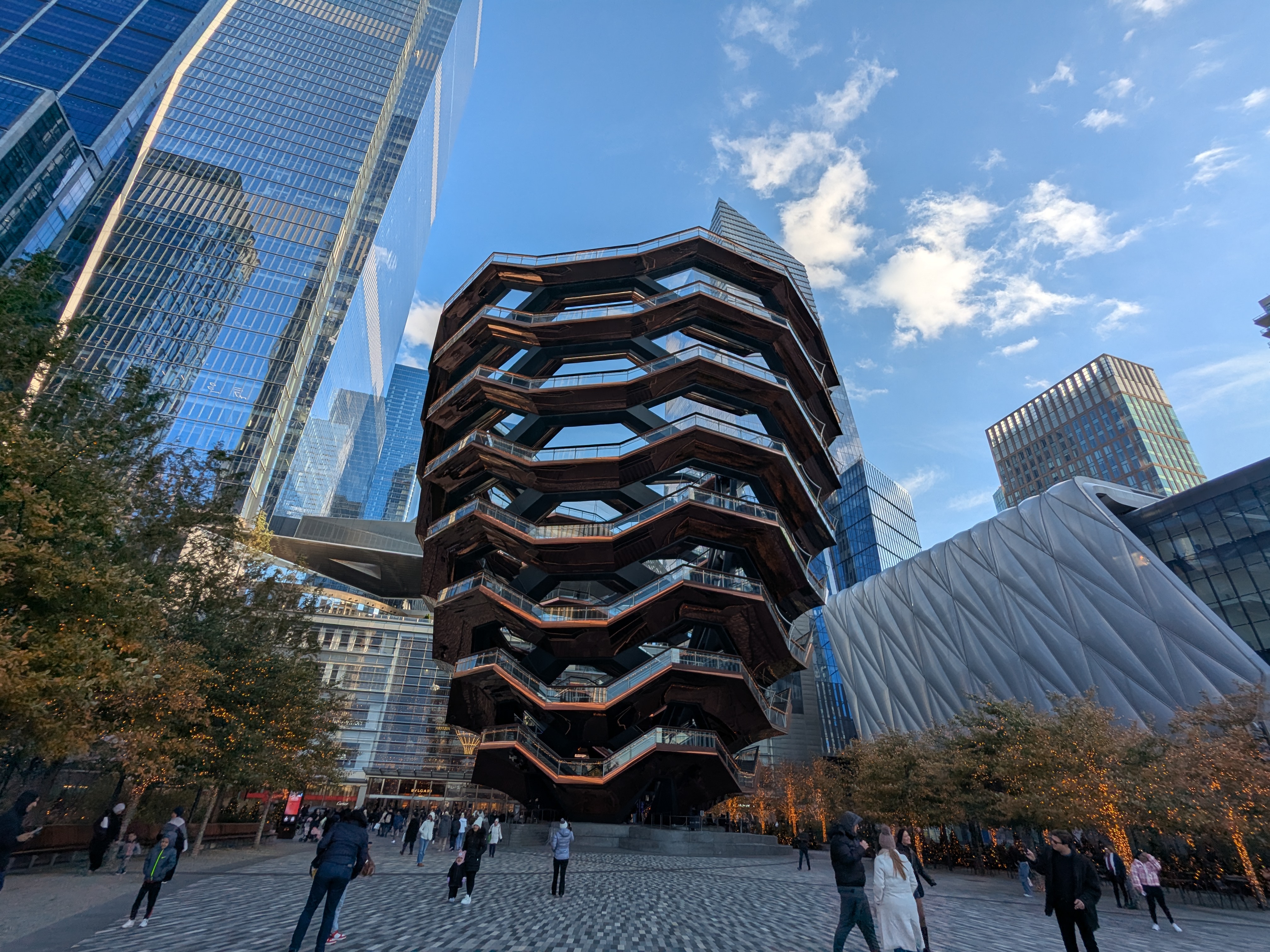
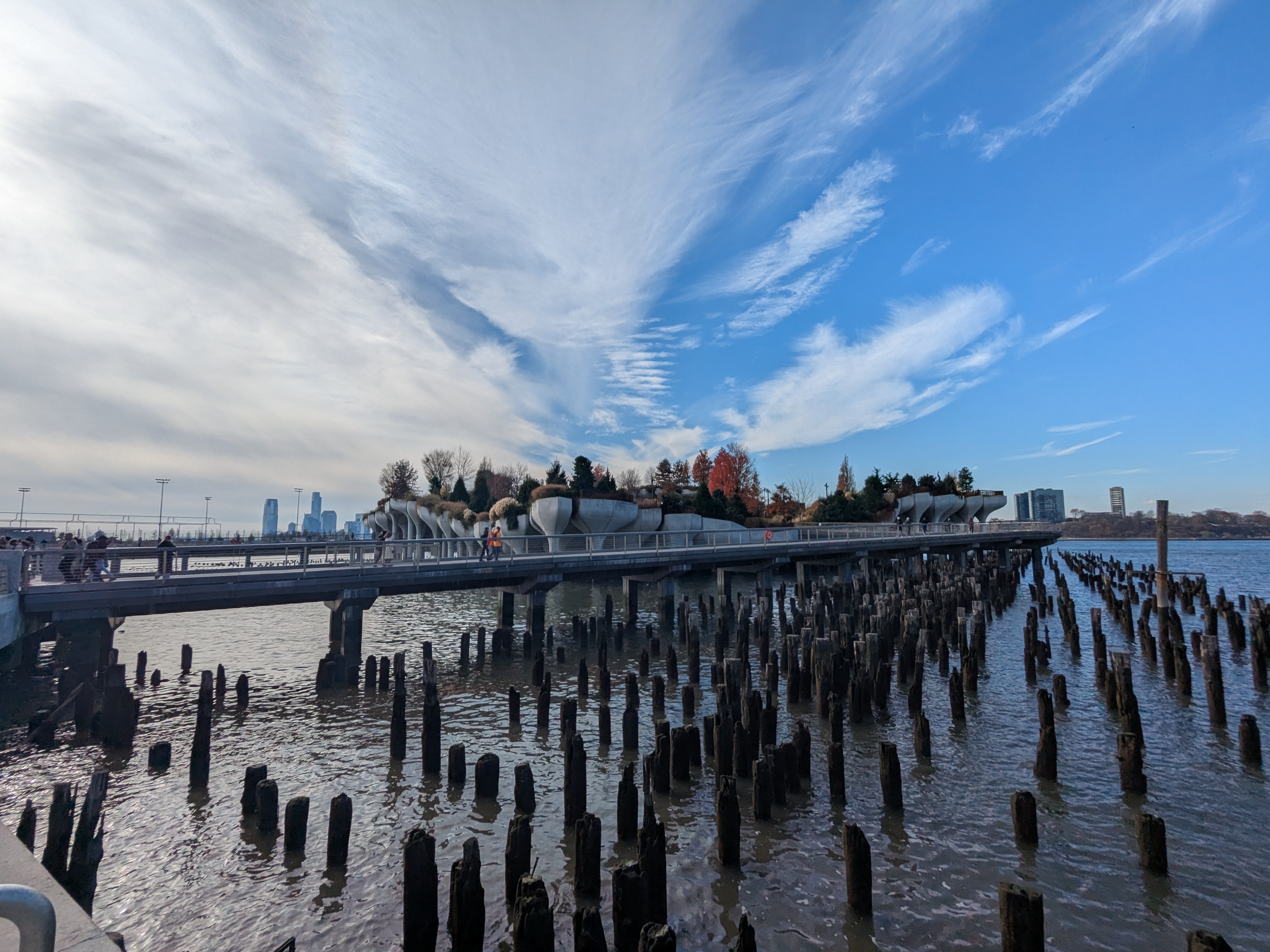
I have been to New York City (NYC) quite a few times. I went there many years ago. In my first visit, I had the visceral reaction to compare it with Hong Kong, both world-class cities. I was already biased, but objectively, the city was dirty, old, chaotic. I could find all kinds of New Yorkers, including homeless people, others with a questionable state of mind. Most people keep it to themselves, and if you asked locals for directions, you would be lucky to have one who got you an answer. There were many varieties of people in the subway. Sometimes, I had to tone down my already limited senses to avoid discovering rodents or real shit. All in all, it was not comfortable nor visually striking to be in. Most visits I left unimpressed with an unresolved mystery why it was widely considered as the top of the world. Undeniably NYC has a lot to offer with city charm, and energy in the city. Is it overrated?
My spouse and I stayed for 3 weeks, for the simple reason that our children are now New Yorkers. This time, we really enjoyed our stay. A big part is parental bias to like the city that our children are in. There are other reasons too, including the studio we stayed in, the holiday spirit, and that we experienced living in the city rather than sight-seeing in the city.
We stayed at a studio near Union Square, like a New Yorker. The studio is a few minutes walk to many subway lines, and a few minutes of walk to Union Square markets. It is within easy walking distance to the Greenwich area, the SOHO, the Chelsea markets and the China Town. It makes one of the best locations to experience Manhattan.
We shopped at the just opened Christmas markets. On the first weekend when the Christmas market was open, it was jam packed on the weekend at Bryant Square. Since then, we have been to the Union Square Market and Bryant Square market multiple times. They carried similar merchandise. We like the Union Square market better. Bryant Square market was just too crowded.
Our energy sets the ceiling on the places to shop and to explore. The city finally makes some effort to improve the subway. Most subway stations look a touch cleaner. Many times I got on, a survey would pop up on my cell phone to ask about my wait time, and my experience. I still ran into some “diverse and unpredictable riders” but I accepted it more as a by-product of freedom and diversity.
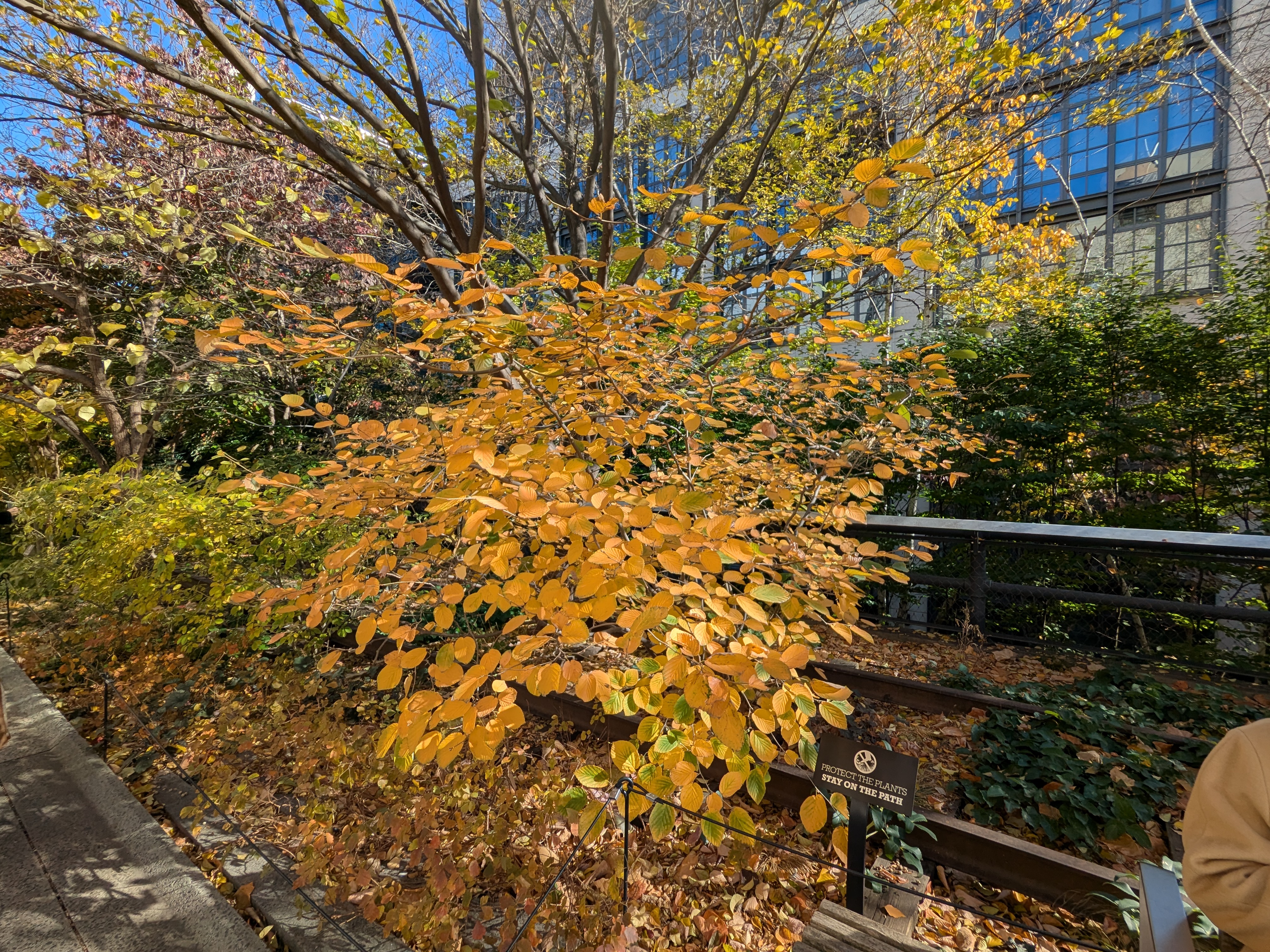
The weather made a difference too. It was comfortable and sunny in mid November when we first arrived. Other than a bit dry, the weather was almost perfect and made the best season to be in the city. Most days were sunny. We experienced how the city went from autumn with fading fall color to the windy winter after some rain.
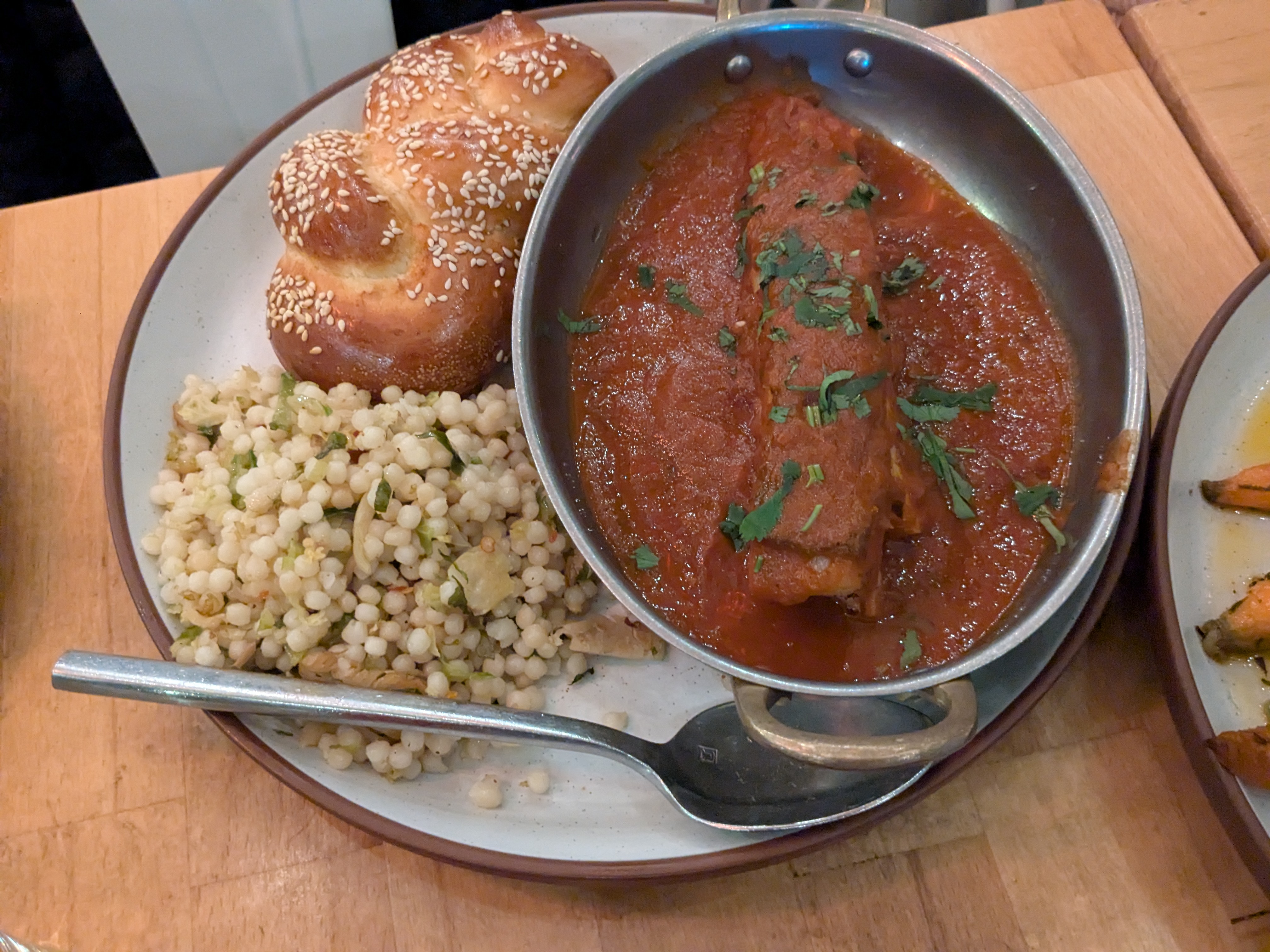
There are such a variety of cuisines within walking distance or a subway ride. To name just a few, we enjoyed a French breakfast, signature tea set at Prince Tea House, many lunches at rustic Chinese restaurants, authentic Hong Kong cafe, Mediterranean snack, Korean food, NY bagel, Shake-Shack burger, hot pot dinner, and Schmackary’s cookies after dinner. Our stomach sets the limit to the many foods we would love to try.
We took advantage of the cultural side of the city too. We went to see the “Tosca” Opera at the MET. The cast was so wonderful, the slanted stage setting was so well done, that I did not need to be much of an Opera audience to feel connected to the show. We enjoyed it a lot. We were lucky this year to watch Opera at the Budapest Opera House, and a few months later at the MET.
There were some waves about the new “Sunset Blvd” musical with its use of technology and how the male singer shows up on the street to sing after the interlude. After watching the original movie, I really like the plot and look forward to catching the musical on Broadway. The show was sold out. Maybe I was expecting Hollywood glamor in the cast, costumes and stage. I was expecting a bring back of Hollywood before our generations. It was none of the above. There were no glamorous costumes to wow. The main performers were bare feet. The others wore everyday clothing. The stage was unstaged in a minimalist style. The cast was made up of a diverse set of performers. It was refreshing for the first half hour with some good singing. As the musical went, there were no reflections of what Hollywood was like then. The effort to be different, to be modern stood out. The live camera broadcast with the singer singing in the street caused a stir. All in all, it was a budget production that displays unique creativity but not quite the spirit of the plot. I don’t need to be a seasoned critic to recognize the brilliance of this A-grade production. We experienced that brilliance as we watched the just released “Wicked” movie a few days later.
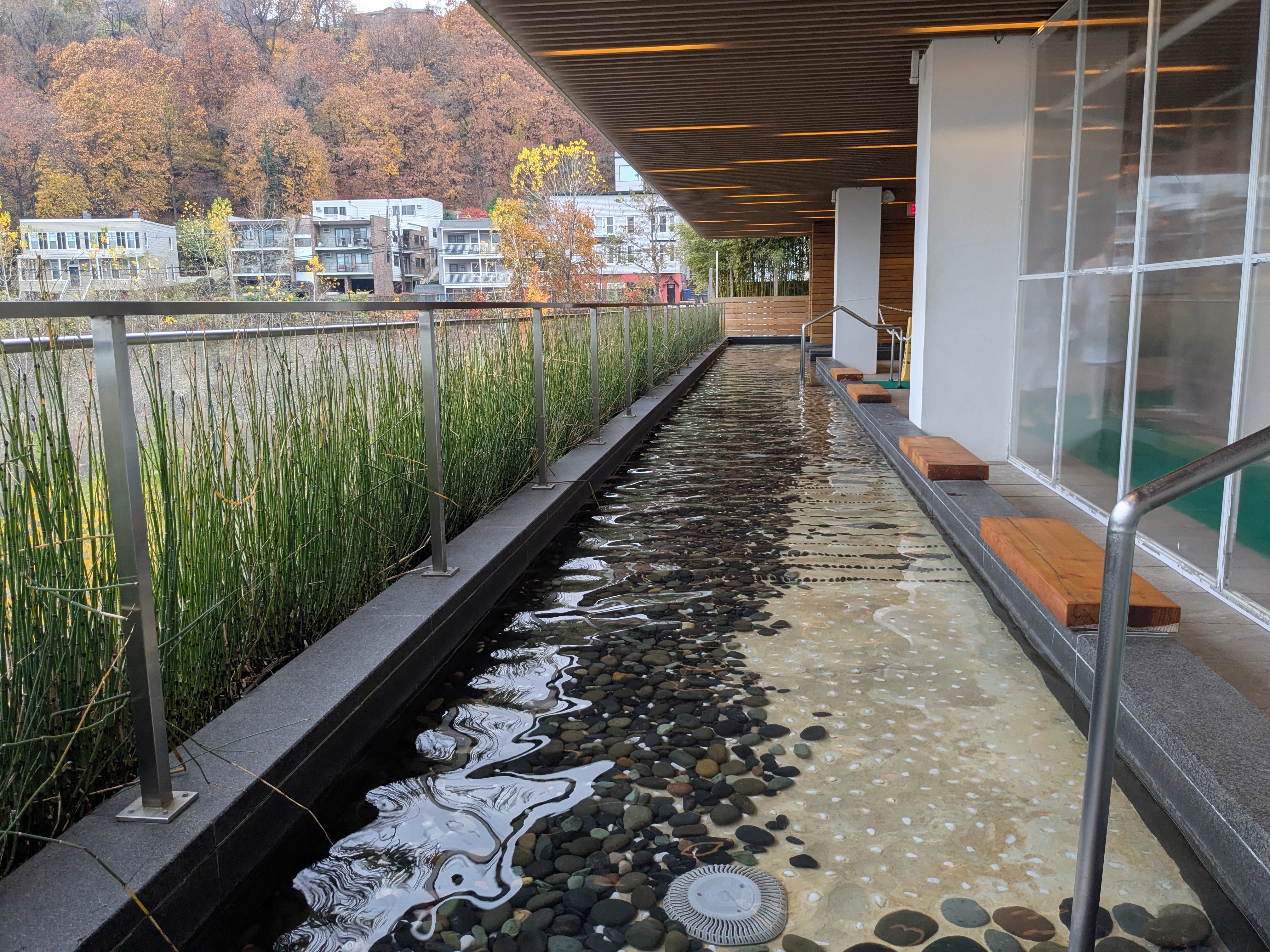
I commuted to different offices like a New Yorker on many days. I paid $10 for a cup of overpriced but incredibly palate-pleasing specialty coffee and appreciated the warmth in holding the cup. I strolled in Central Park. I walked blocks after blocks at the pace of New Yorkers. We spent a relaxing afternoon in SoJo Spa in New Jersey. We didn’t need to plan our days—there was always something to do, places to explore, and restaurants to try.
I’m finally starting to understand why NYC is the, not one of, city that draws people from all over the world. It’s becoming clear why NYC is a must-visit destination.
I was single. I brought my tennis racket when I went on business trips to the US. That was the Ivan Lendl era. That was a long time ago. Many things have changed including having two children in their twenties. The Roger Federer era has come. The next generation of Alcaraz and Sinner rivalry is just at the beginning. What has not changed is I still enjoy tennis. I cannot catch up on the years lost during the years of child rearing. I have not given hope. I hope I can get back to the game and play more.
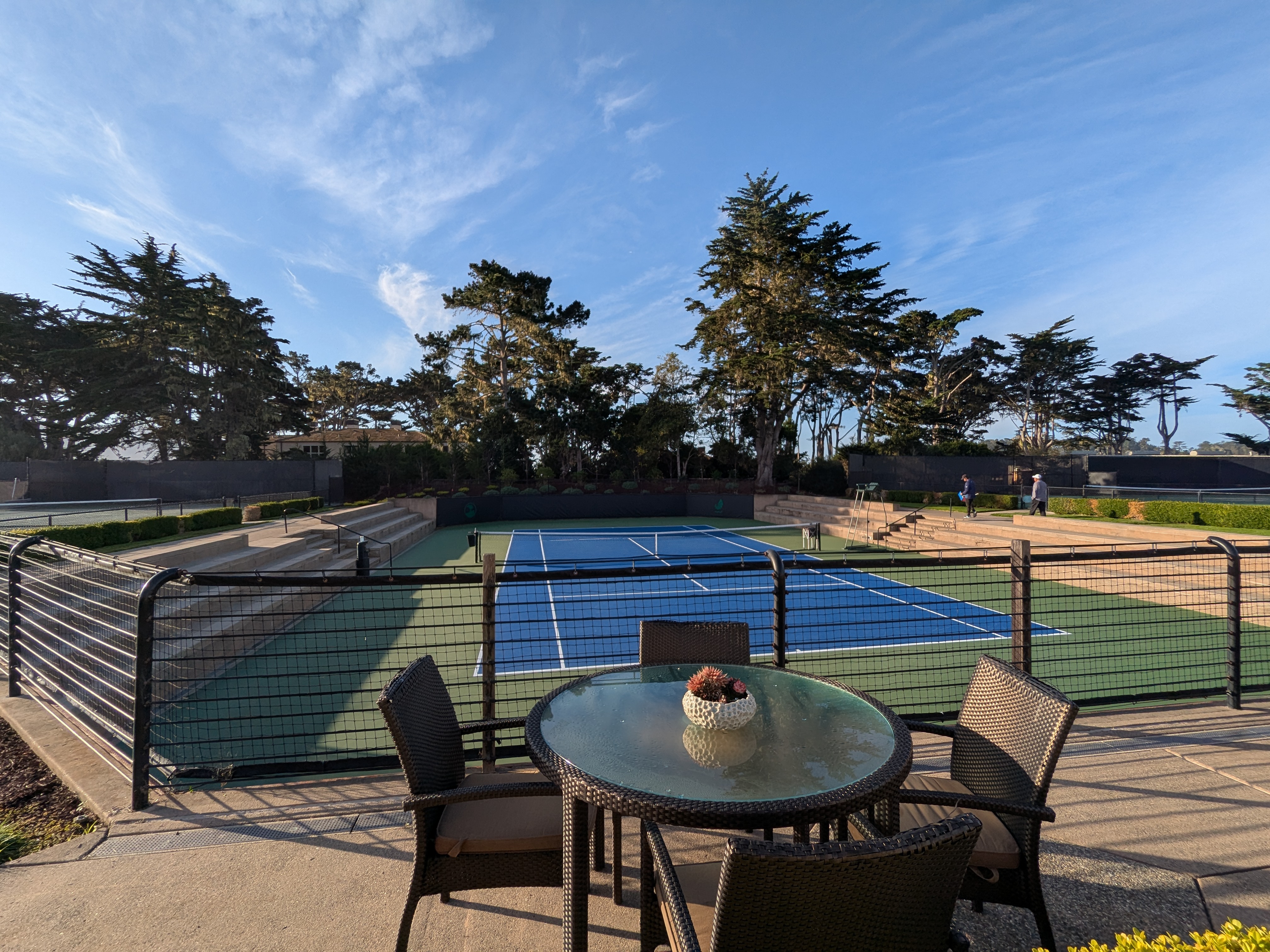
This year, my spouse and I signed up for a Nike Tennis Camp at Pebble Beach. We were very looking forward to it, until it created a conflict for the WAVE hike. We finally made the Tennis Camp the last weekend in October. The camp is for intermediate level, for people at or above 3.0 in the play scale. The few weeks before the camp, we played once or twice a week in practice, so as not to embarrass ourselves. I enjoyed the practice, clearly my shoulder and my tennis elbow both gave some whisper that it could become noisy with more playing.
The Pebble Beach Lodge is pricey and can be over $1000 per night. Considering the little time we would stay inside, we found a nearby Airbnb in the Carmel area.
The Airbnb host gave us permission to check in an hour early before we checked in to the Tennis Camp on Thursday. This Airbnb check-in turned out to be the simplest ever, there was no passcode, no key, we passed two garden gates, and walked in. The host left a guidebook on the table, giving us everything to know about restaurants, spas, markets. We could tell the unit has some years on it, but it was well maintained inside and outside. There was a small backyard, which made a great small BBQ party during the warmer season. In autumn, the inside of the unit looked more inviting. We did not have much time before checking into the Tennis Camp in the afternoon. Little did we know the simple check-in turned out to have a catch. More on this later.
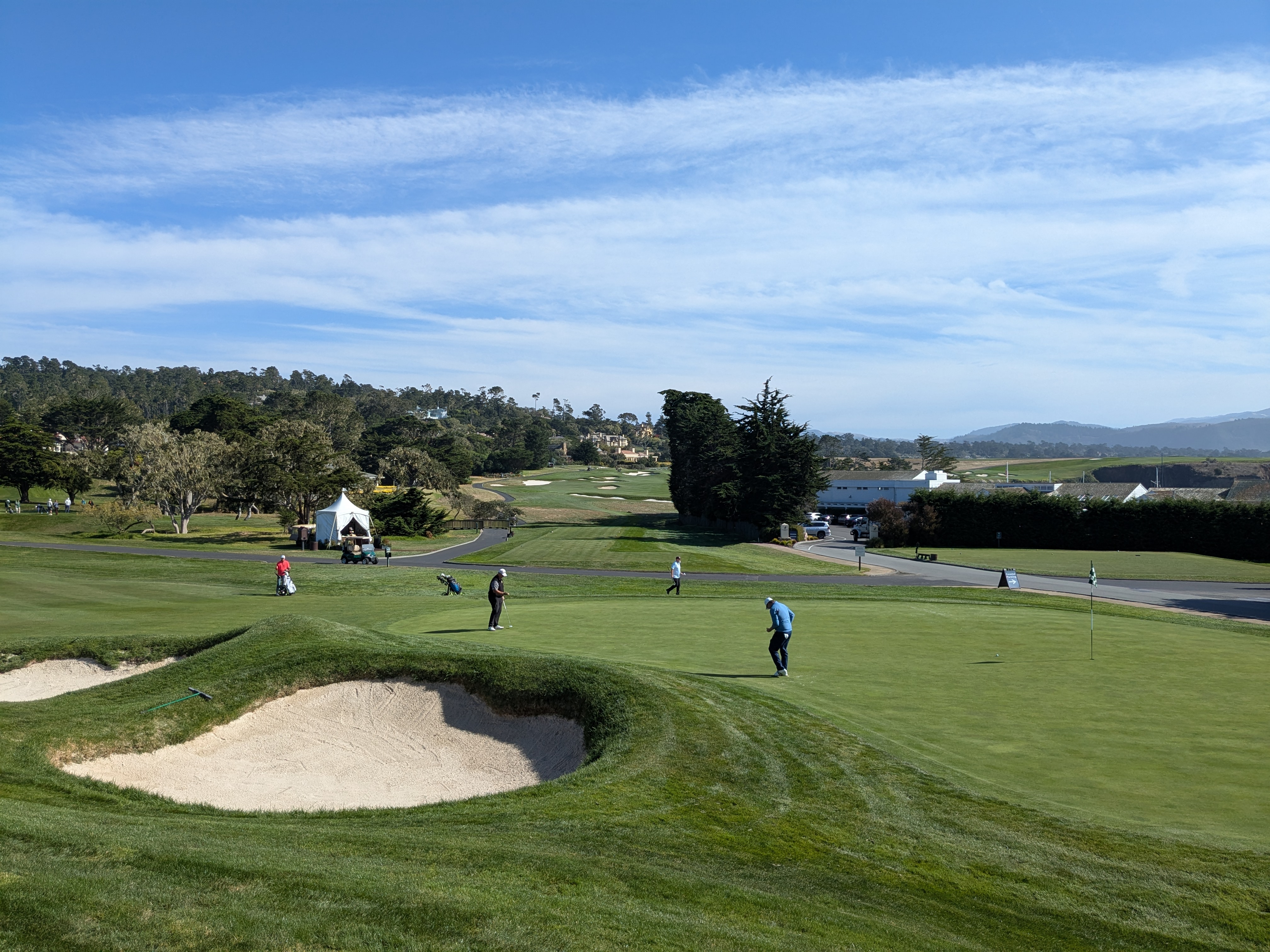
We need to go through the scenic 17-mile drive, a toll road, to get to the Tennis Camp. The codeword to drive on the 17-mile scenic drive for free is “Tennis Camp”. The Tennis Camp area has many well groomed courts, including a couple of clay courts, and a tennis store with friendly staff. The tennis area is right next to the beautiful Pebble Beach golf course, along the Pacific Ocean. The you-know-what-number hole is right next to the parking lot of the Tennis Camp. For the weekend, we felt at home in the Carmel and Pebble Beach neighborhood. We experienced the feeling of living in the beautiful area.
The camp goes from Thursday afternoon to Sunday morning, giving us a 2-hour play on Thursday, a full-day 9 to 4 play both Friday and Saturday. If that is still not enough, it includes a Sunday free play too. We checked in the Tennis Camp and met other fellow players. Many gave subtle messages that they came to play tennis not for social reasons. We were among the few who were rookies to Tennis Camps. These Tennis Campers were not particularly enthused in making friends, except for a few that came in singles, who may have a different agenda. All-in-all, all the campers love playing tennis and can play hours of tennis.
We were sent to a court to join another 2 players to play doubles. After a few rotations on the courts in the afternoon, we got a sense of the playing levels. Most other players had better double techniques, played regularly, and often played in some forms of ladder. My serving skill and ground stroke is not too scrappy either. Most campers are from the Bay Area. There was one group from Canada. Most came with friends. There was one 20-something who came on his own. He was the best in class. On the last day of the camp, he beat one of the younger coaches. My spouse and I were arguably the most obvious recreational players. We hardly played doubles. We hardly play for the past years, other than in the few weeks prior to the Tennis Camp. We never play in a club. Yet we can play. Tennis players were famous for their competitiveness on court. We observed a few. I was both anxious and excited. My major anxiety is whether my shoulder and elbow could hold up throughout the camp. I would later find out.
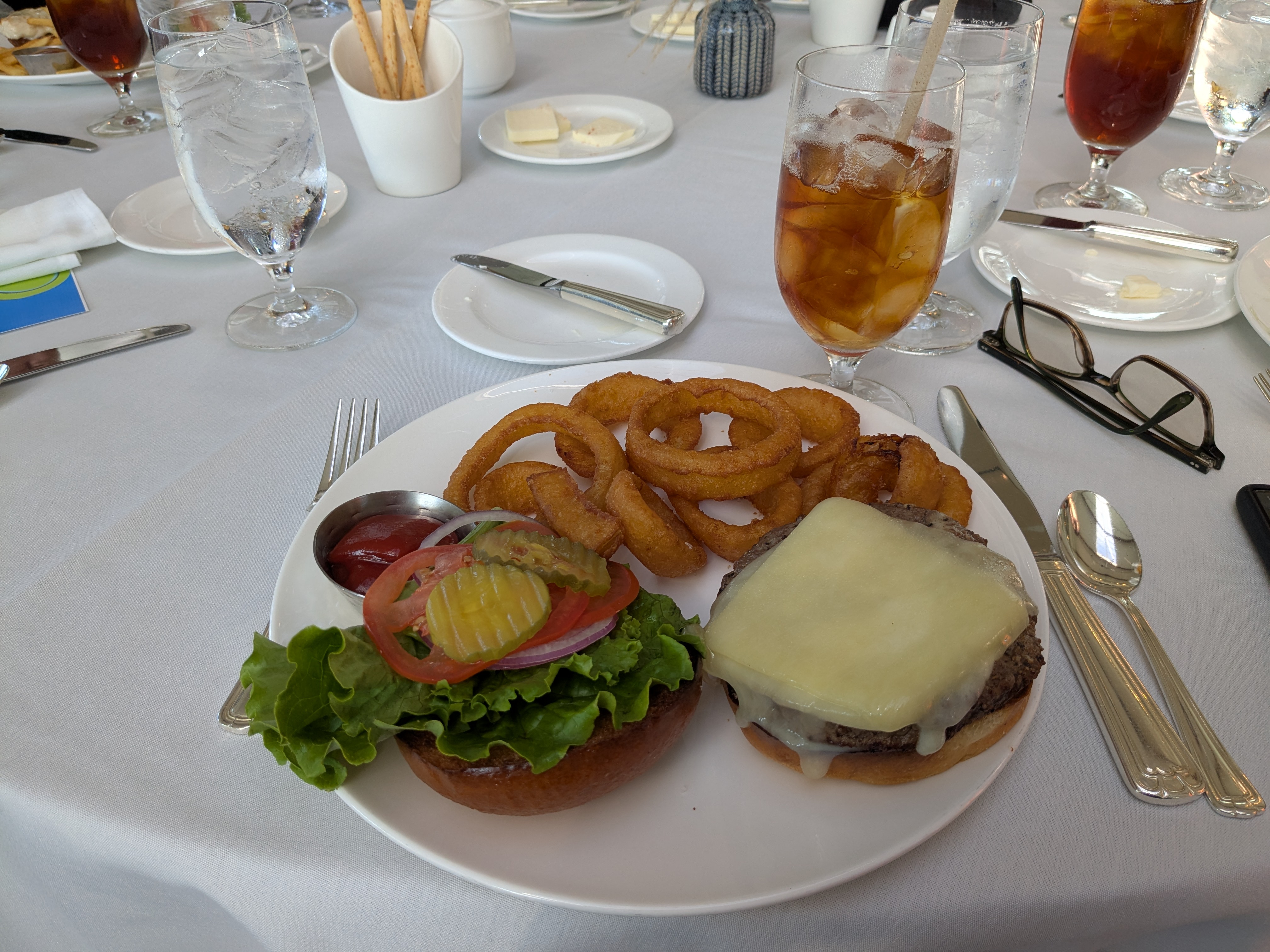
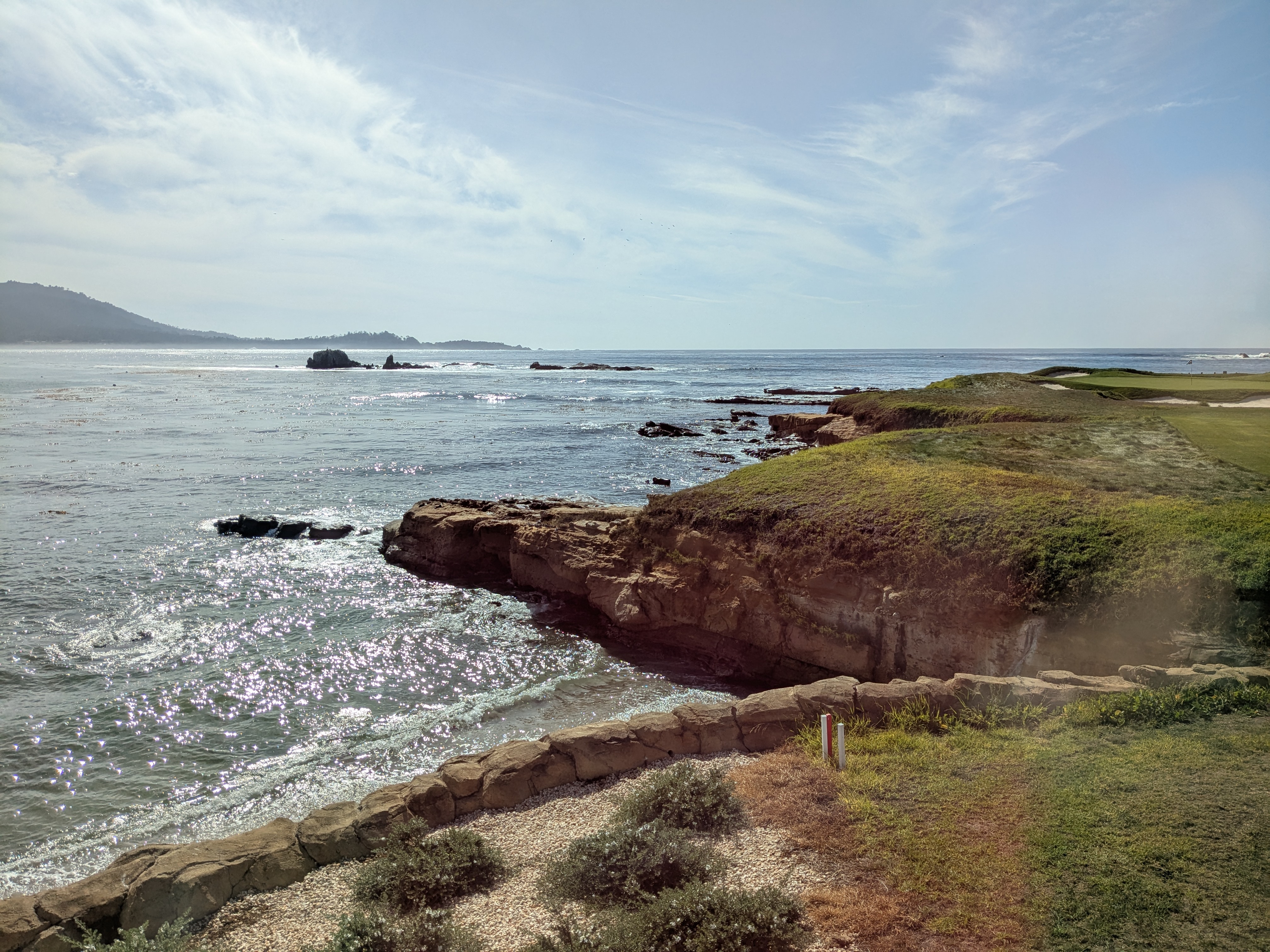
When we returned Friday morning, each of us were set up to rotate over a number of coaches. Each coach focuses their 30-minute sessions on different techniques, from serving, ground strokes, rally, overhead, to strategies. After about three hours, we went to the Pebble Beach clubhouse for lunch. It is about a 10-minute scenic walk besides the famous golf course. The Pebble Beach clubhouse is usually reserved for members. The Tennis Camp has made special arrangements to get us in. Lunch is good. The view of the Pacific Ocean and the 18th hole is memorable. We took as many photos as possible while respecting the privacy of other diners.
Out of the blue, I got a call from our Airbnb host while enjoying the delicious lunch at the Pebble Beach Clubhouse. I was informed that we checked in the wrong Airbnb unit. Could there be a bigger OMG moment? We checked in the unit next to our assigned unit. It was a better one. We were embarrassed yet relieved to find out “our” unit was available, and the host gave us a “free upgrade”. After a few days, I gained enough courage to find out whether it was our mistake or it was an instructional error. It turned out to be the latter. Despite this gaffe, both the host and I gave 5-star ratings to each other.
After the scenic lunch, we were back for our afternoon. The afternoon started with coaches playing in doubles with each other, to walk us through double skills and tactics. It was particularly insightful for us, non double players. There were three choices afterwards: a single group, a clay court group and some other groups. We decided to check out the unusual combination of clay courts, California and Pebble Beach. We enjoyed the experience. My shoulder and elbow held up barely, and that got me anxious about Saturday.
The Tennis Camp ended each day before sunset, leaving us the evening to enjoy. Carmel-by-the-sea and the Pebble Beach area are great places for great restaurants. We had one of the best Italian food at the La Bicyclette restaurant.
Saturday started about an hour late, due to the rain. The morning was similar to the day before, and we were sent to a number of 30-minute sessions. The rotations were such a great setup, I could come back to the camp, just to pick the brains of the different coaches. We had a shorter lunch to make up for the late start. Everyone brought their own lunches. The afternoon was competitive, where we matched with different doubles partners and played different opponents. We played 10 games each. Every game we won would count towards our score. The one with the highest scores got the bragging right. We did not play every single person. The camp organizer was thoughtful to match us with people of similar levels, to make the matches competitive. My hands hardly held up. Every server was a doubt and almost a struggle. I did not want to disappoint my double partners. As such, I ended up serving the best in my own life, despite the situation. I scored some games, but far from the winner of the contest. It was a beautiful moment in that group picture. My body somewhat held up. I learned so much about the doubles positioning, and so many other tips we could put in our single play. As a tennis lover, it was just a treat to have a chance to play tennis and only tennis for the last three days.
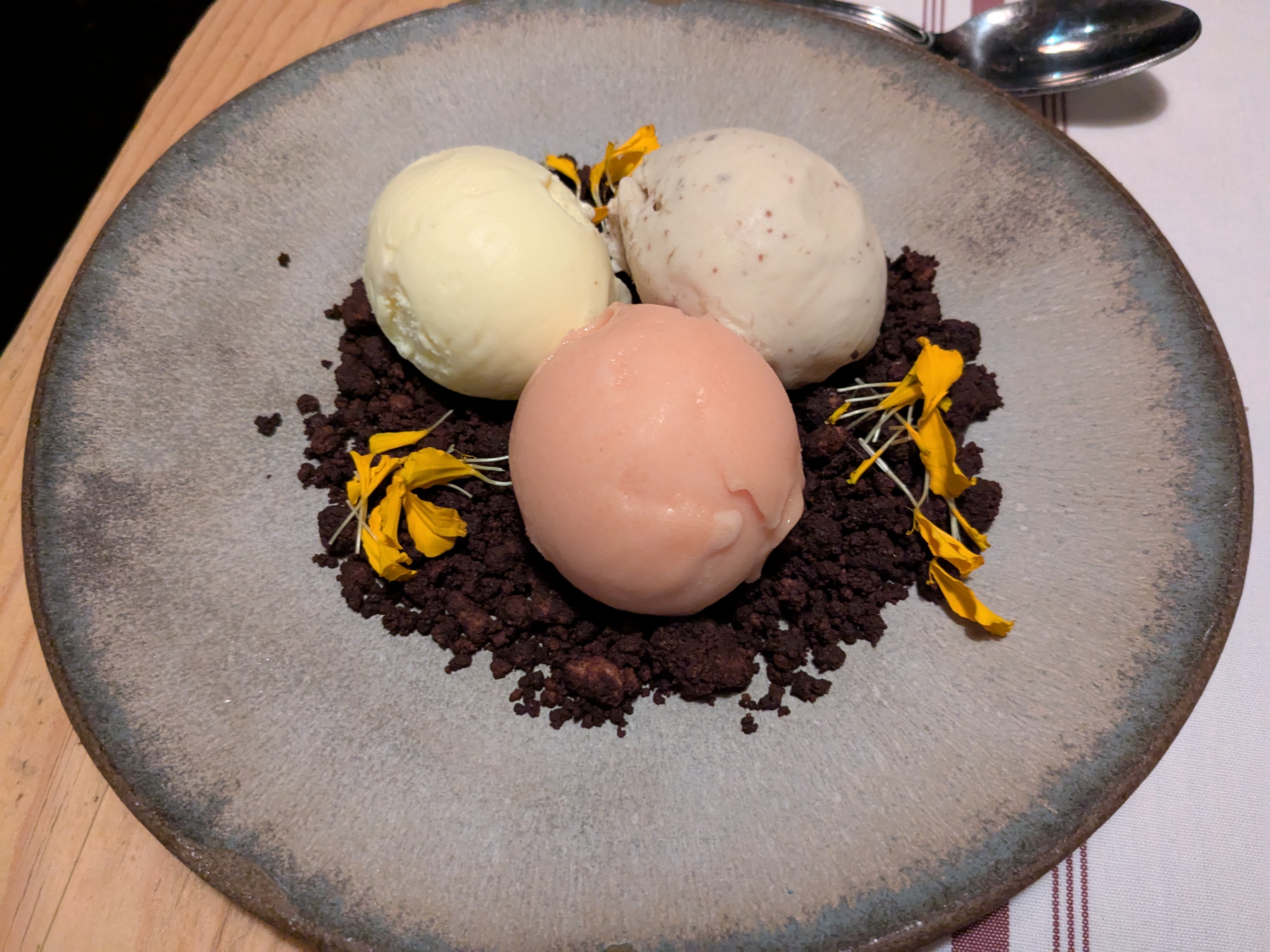
We were treated to a group dinner at the Inn at Spanish Bay. The dinner tab was included in the Tennis Camp fee, yet the menu and the wine provision were generous. After watching the beautiful sunset, we arrived at Roy’s at the beautiful The Inn at Spanish Bay. We settled in one of the tables. Most campers took some time to change to their dining dress code. They looked so put together that it took us a while to recognize each other! The food was so good. The ambience was memorable, the conversations flew. We spent so much time on tennis courts for the last three days. After the dinner, we were on different paths again.
My spouse and I are enthused to put the tips in practice, play more. We would love to be back in another tennis camp, likely in another beautiful venue.
Truth is the first few weeks after the camp, my shoulder was giving me fits. I had to patiently wait for its recovery. After a few more weeks of slow-as-nail improvements, I decided to check it out. I was suggested to do a few therapy sessions to strengthen my shoulder muscles. Luckily, there was no injury. Rather, I overused the shoulder muscle.
Tennis Camp at Pebble Beach is a once-in-a-lifetime experience. Few things are more rewarding than spending time doing something you love for hours and days.
I enjoy playing tennis. I am patiently waiting to play more and more.
In September, we did the Wave hike that only a rare few have ever experienced. In October, we did our first ever 3-day tennis camp at the beautiful Pebble Beach, California. In November, we had our 3-week “longest” visit to NYC.
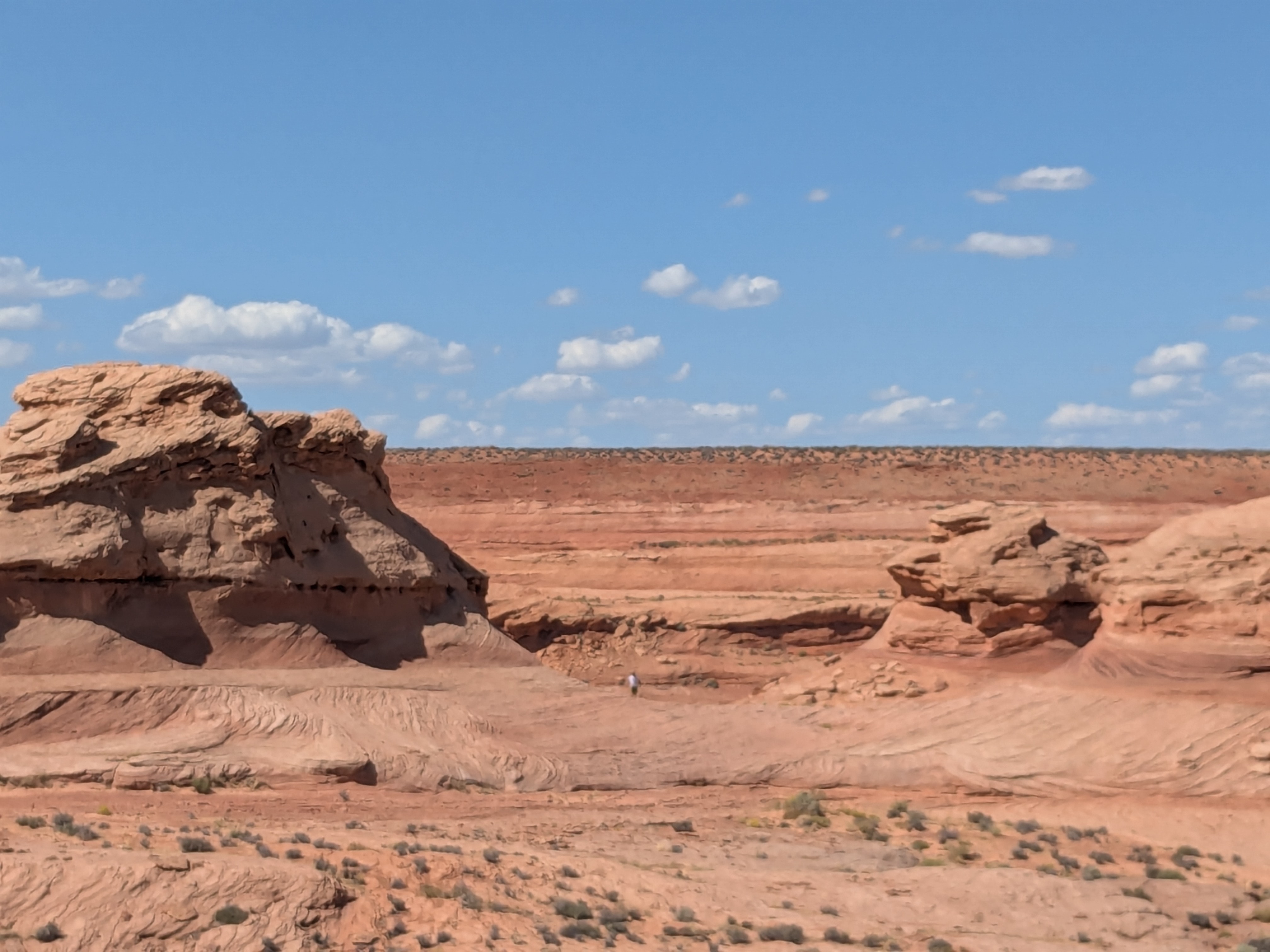
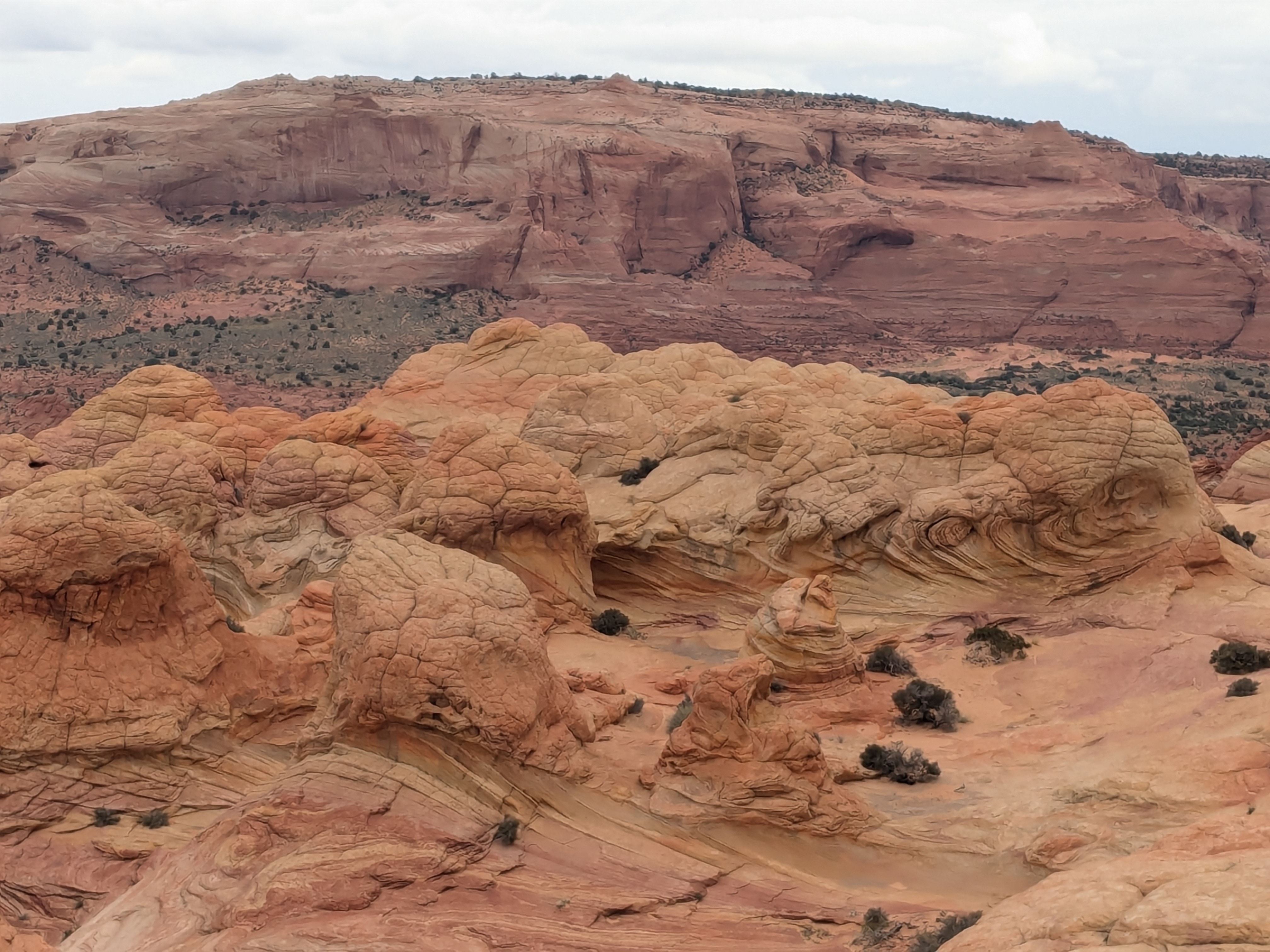
The Wave makes a dream destination for hikers. It is otherworldly, unique and unforgettable that I can stay there for days, and still be in awe of its natural beauty. Its photo tells a thousand words, but it pales compared to in-person experience.
The Wave in Arizona became widely known after Microsoft featured it as the default desktop wallpaper for Windows 7 on July 22, 2009. Fast forward fifteen years, many recognize the pictures but very few know about the place even fewer have visited the Wave. Why? It may have to do with its being managed by the Bureau of Land Management (BLM) rather than the more well known National Park Service (NPS). It may have to do with its accessibility.
The Bureau of Land Management (BLM) manages the Wave. BLM manages one in every 10 acres of land in the United States, including vast stretches of desert, grasslands, sagebrush steppe, coastal areas, and some forested lands . The National Park Service (NPS) manages US National Parks. The Wave is not part of any national parks. BLM and NPS both oversee public lands in the U.S., but their purposes and management differ. BLM manages vast areas of land (mostly in the western U.S.) for multiple uses, and emphasizes a balance between resource use and protection. BLM often leaves the wilderness alone where you can explore. There is no lodge, often no marked trails, lucky to have a parking lot or restroom. You are more on your own.
NPS, which operates many world-renowned U.S. National Parks, offers recreational enjoyment while prioritizing conservation and strict protection. National Parks are more developed with visitor centers, with more infrastructure, more facilities, more accessibility and designated hiking trails. NPS makes the park enjoyable for generations while preserving them.
BLM operates Coyote Buttes, which includes The Wave, and limits visitation through a permit system. The Wave, being operated by the BLM, stays intact over millions of years. With only a daily maximum of 64 people getting the permit to explore the area, the human footprints are kept to the minimum. The least human footprints help the highest order of preservation. The Wave permit is hard to impossible to get. The permit can be obtained through an advanced lottery system, or a daily try-the-luck walk in. The advanced lottery system is simple. It opens four months before your trip date. You have the whole month to apply with a maximum of three preferred dates. The lottery is now open for April 2025 Permit.
My first recorded lottery was dated March 2020. I did not try every month, as summer could be dangerously hot and winter could be harshly cold in Coyote Buttes. I only drew for the months with more forgiving weather. I did at least six attempts in the past four years. On June 3, 2024, I received this email: “Coyote Buttes North Advanced Lottery (The Wave) Lottery Results Announcement – Congratulations!”. It was an amazing feeling of a long forgotten dream coming true when I least expected it. Many tried for years, even decades, and are still trying. It is the closest we ever get to the Wilderness, seeing the same sceneries as the dinosaurs. There is no way that I will pass up on this. We accepted the lottery results.
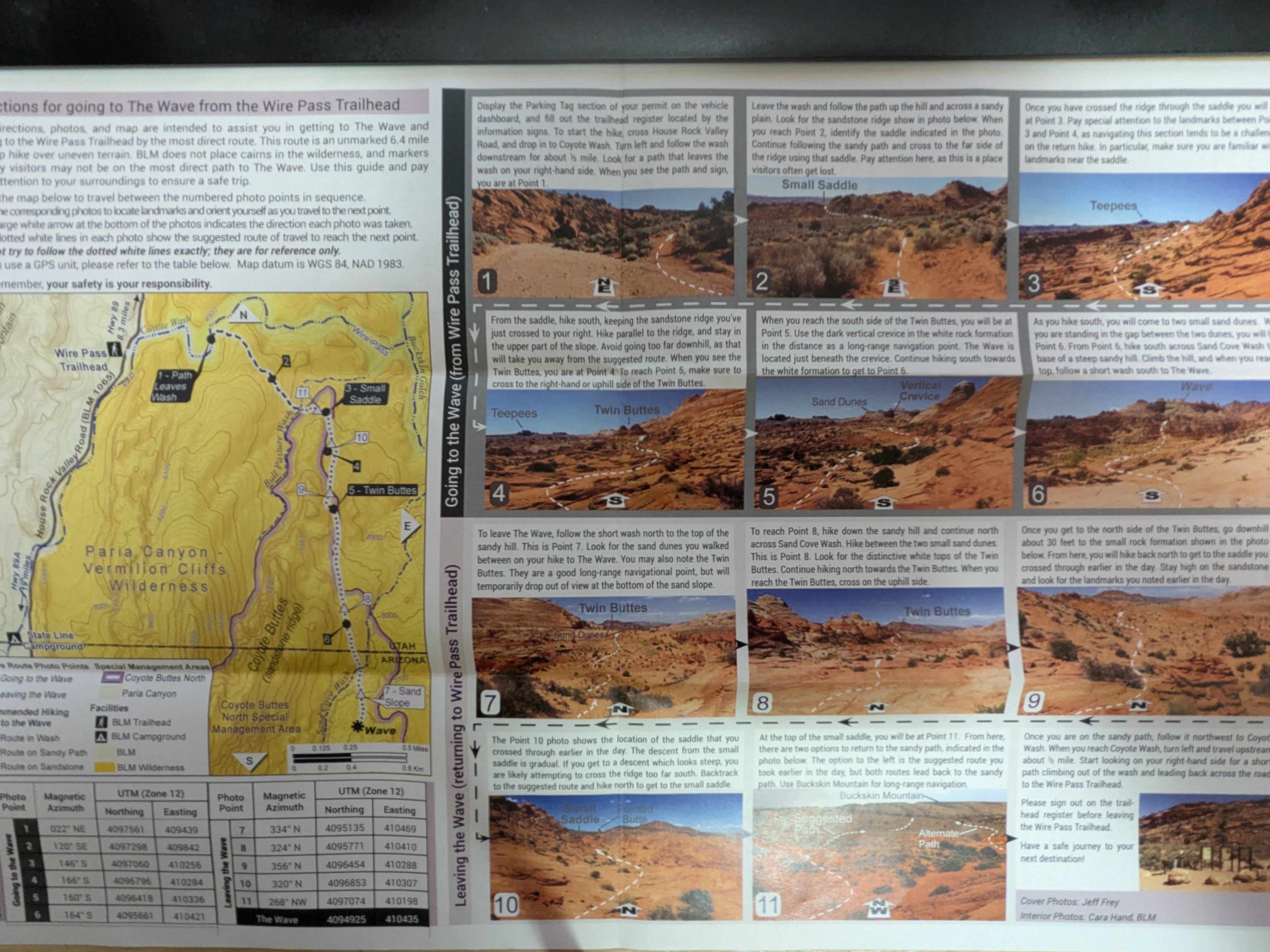
A few weeks after accepting the winning lottery, BLM mailed us the permit and some directions for going to the Wave from some trailhead. It was like eleven pictures with detailed descriptions we can use to get from the trailhead to the Wave. It even states that markers placed by visitors may not be on the most direct path to the Wave. If we miss a picture and a turn, who knows when we will discover the miss and then backtrack. In short, we are on our own. We are too old to feel that getting lost, without a functional cell phone to contact outside, is an adventure. The Wave, as beautiful as it is, can be challenging and life threatening. It needs wayfinding skills and decent physical fitness to navigate through the vast wilderness. We are not confident wayfinder in the wilderness. We need to carry at least a gallon of water in a terrain of mostly sandstones. Even with the information provided by BLM, we decided to find a tour guide. The tour agency is very clear that we need to be prepared to walk 7+ miles in the rocky desert terrain, exposed to the elements. (In hindsight, we probably can figure out the navigation with some misses and backtracking, but then we will be focused on the navigation than the landscape)
My group of 4 had three months to get fit. We started our once a week training hike to get fit. From early August to a week before the Wave, we did 6 training hikes at Coyote, Upper High Meadow, and Stephen E Arbors Loop at the popular Rancho San Antonio of South Bay. The 4 hour training hike covers 8.4 miles with 1686 ft elevation. That is not quite the 7+ hours Wave hike. To build more confidence, I also did some stairmasters during the week. We felt ready.
The Wave has an elevation of over 5000 ft. We arrived at page, Arizona a day prior to the Wave hike. It helps acclimatize to the elevation. There is just so much to do at Page, Arizona and its proximity. We did a short beautiful hike at the Beehive Trail, sometimes called the New Wave. We felt ready.
September 21 was the big day. The tour guide Tyler picked us up at 5:15am. We were half awake. It was cold. Tyler is a local. He knows the area really well. He is cautious and prepares his body well with frequent sips of water during the one hour drive there. After all, he must look after us in unexpected circumstances. The first half of the drive is on a smooth freeway. The outside was dark and peaceful. Along the way, there is zero signage to tell Wave’s existence. I think it is intentional to hide it from the public. Without the experience of Tyler, It would be so easy to miss the turn to the unpaved side road to the Wave trailhead. The road becomes unpaved and gets tougher after the turn. We did not see another car until we got to the parking lot. It was too dark to see animals. We did not find any visitor center. Instead, there was a logbook, we registered our group in a log book. That log book is likely the communication protocol for the park range to figure out if everyone leaves the Wave, or gets trapped in the Wave. The pink permit was attached to my backpack all the time.
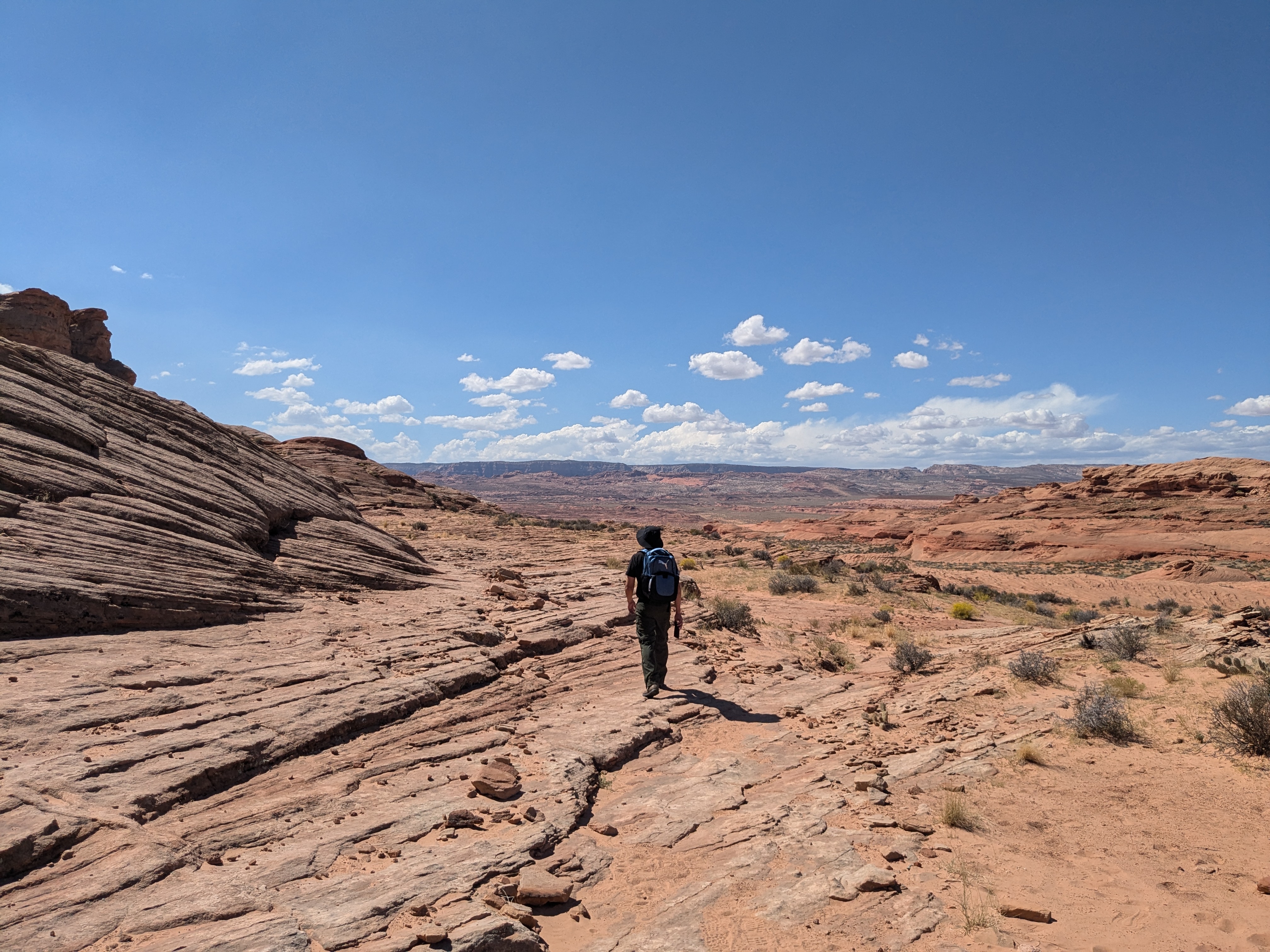
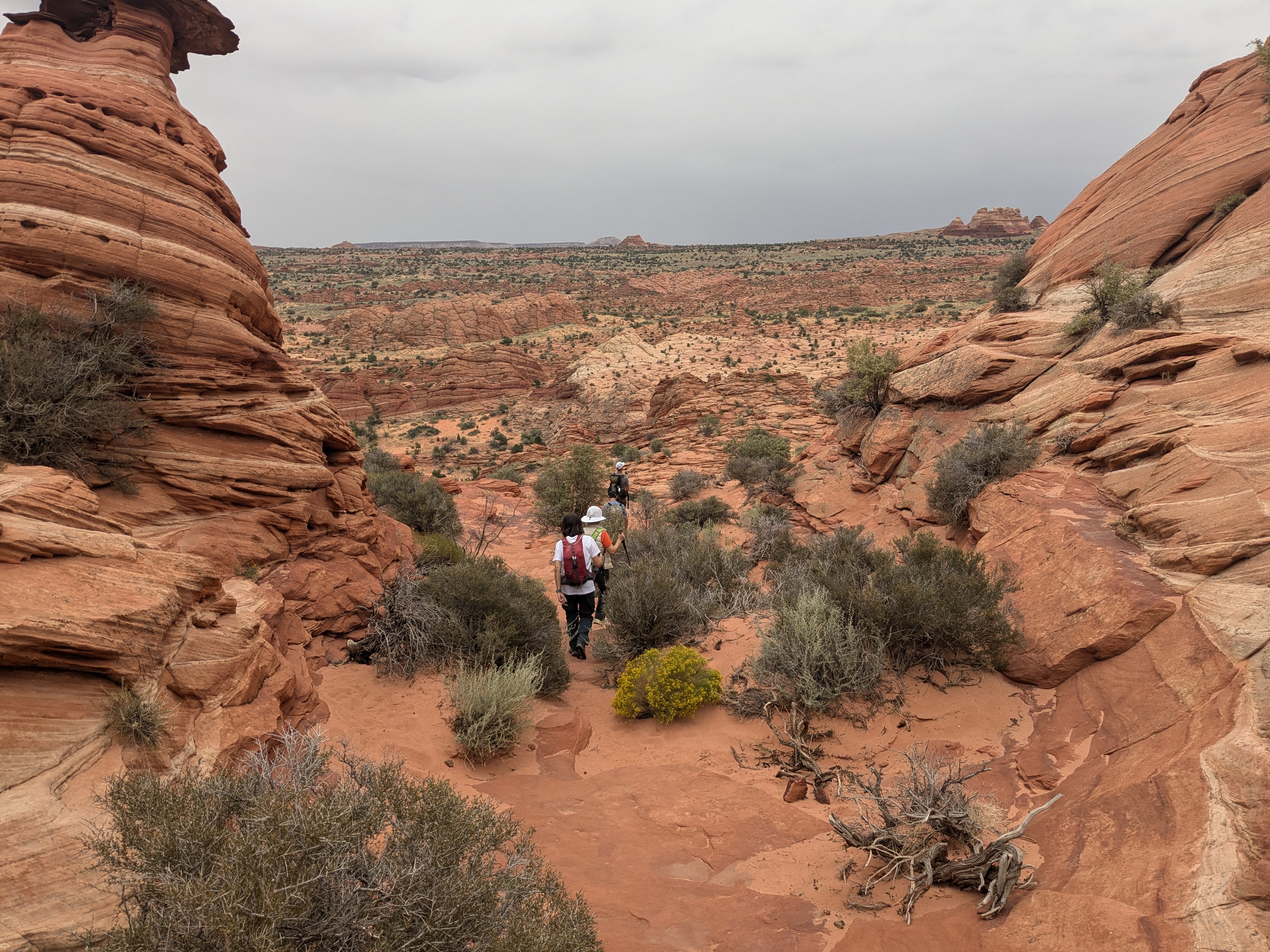
It was overcast, it was cool. There were tiny showers from time to time. It made the perfect weather for a hike. We did not need to consume much energy to overcome the sun. For the first few hours, we had the wilderness for ourselves. We did not run into another group. It was quiet and peaceful. The tour guide helped us with the better routes and avoided slippery terrains.
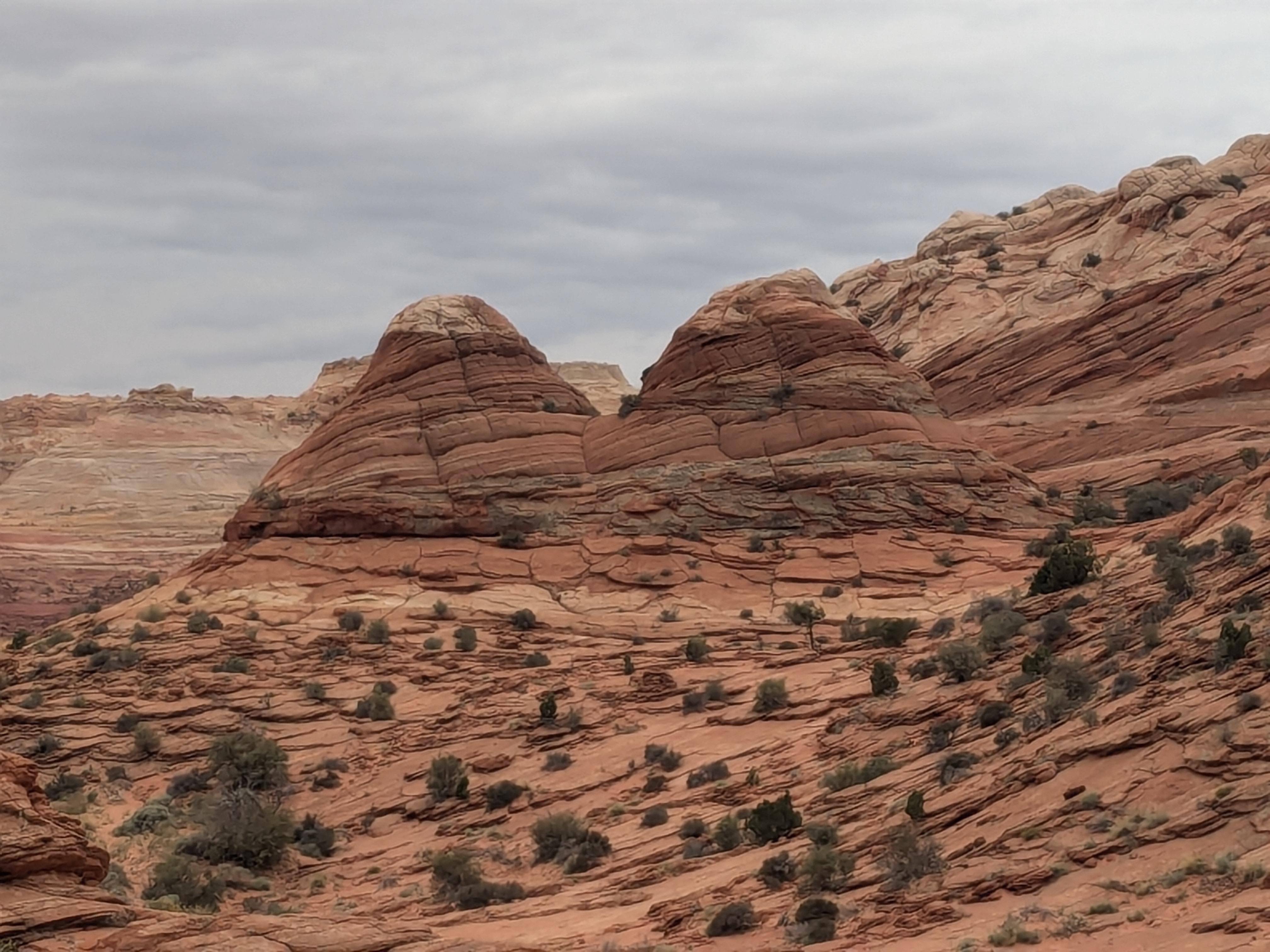
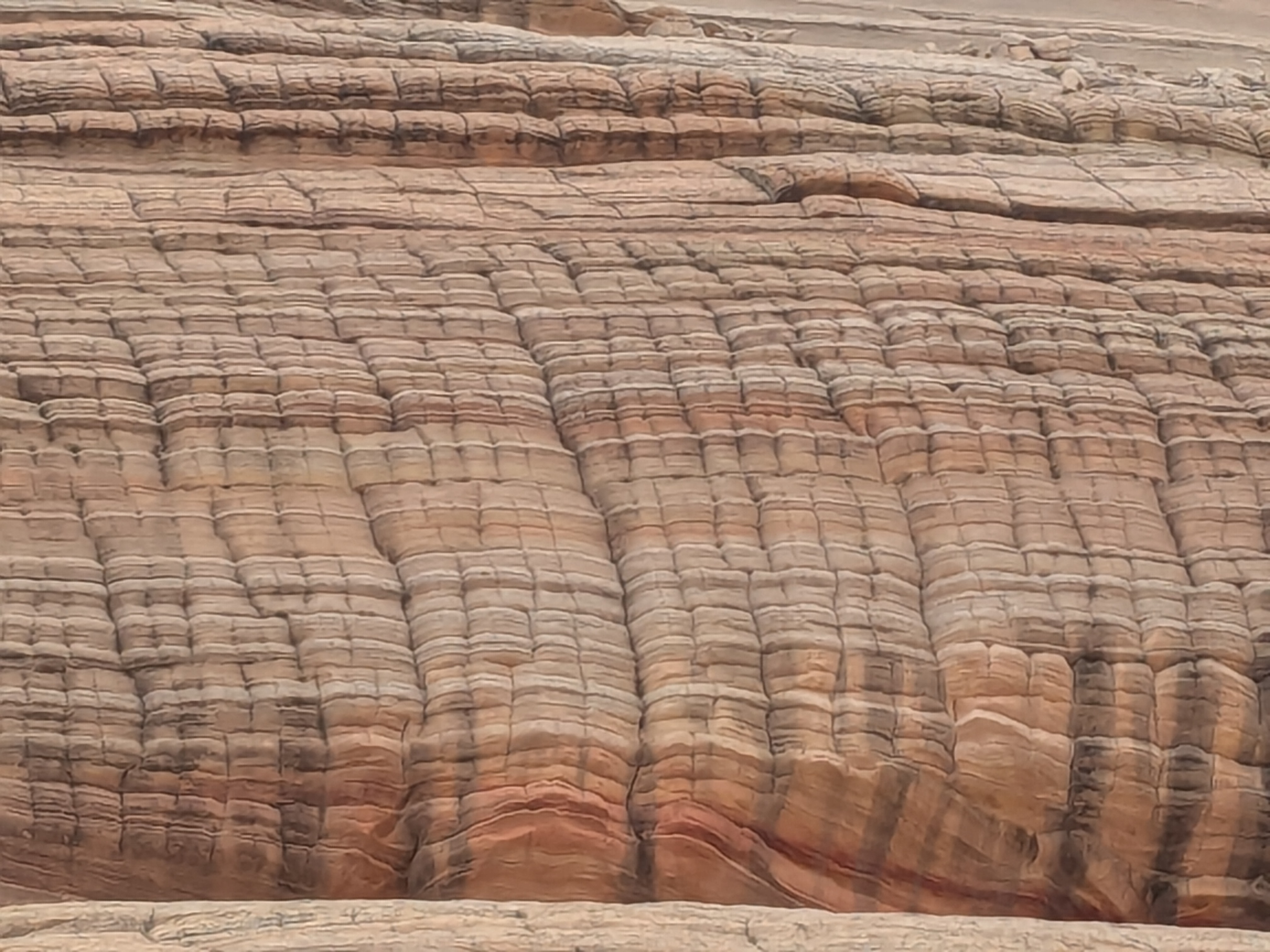
Along the path, there was this big rock that was shaped like a hamburger. Some rocks that looked like cauliflowers, and some just looked like human brains. Because of the shower, we found a few tiny water bodies, with some tadpole shrimps. These tadpole shrimp species have existed for hundreds of millions of years and are likely to exist after we are long gone.
The blue sky was missing that morning. The cooler weather was a blessing. We were also rewarded with different colorings of the terrain. The red rocks, the subtle green and blue color of the terrain came out indescribably beautiful under the cloudy sky.
The Wave is under the “black line”
We arrived at the Wave entrance in about three hours. It felt surreal to finally be in the Wave after all these years of lottery, all these weeks of preparation. The photo may disguise the Wave as soft, curly and smooth. In reality, it is formed of incredibly hard sandstones. We enjoyed just staying there to appreciate and had a lunch break. After lunch, Tyler, our tour guide, took us to different “vista” points and an area with the dinosaur footprints.
The sun started to show after lunch. As much as we wanted to enjoy it for more hours, it was time to hike back. We saw a few small groups without a tour guide. They were all busy navigating and we wondered how many backtracking they would experience.
As confident as we felt about the direction and the distinct landmarks on our return trip, we soon realized that we could easily mix up the Teepees and Twin Buttes landmarks with many other look-alikes in the wilderness. The size of the landmark changes too with the distance we are from it. The landscape changes too. The look and feel of the landscape changes too with the weather.
We hiked for almost seven hours for the round trip hike to the Wave. We signed out on the trail-head register before leaving, so concluded the Wave Hike.
The Wave hike is up there as the top three hikes of my life, if not the top. I am going to cherish the beauty and the once-in-a-lifetime hike for the remaining years. I am missing it already.
Since last year, my day job has been about Artificial Intelligence (AI), more specifically Generative AI. I believe AI is a real deal not just for its utilities but also for its many game changing potential on human needs. I spend time sharing tips and encourage more to use the technology for their benefits. I spend a decent amount of time in an effort to democratize AI.
The most beautiful AI interaction turns out to be in a situation when I least expect it to be.
Soon reaching its 100 years old, International Toastmaster Club has over 200,000 members in more than 14000 clubs in more than 140 countries.Toastmaster is all about communication excellence, and for 100 years and counting, Toastmasters have been expressing themselves better, practicing, and evaluating in a fun club environment, shining all around the world. Once a distinguished Toastmaster club president, I stay as an active Toastmasters, making speeches occasionally.
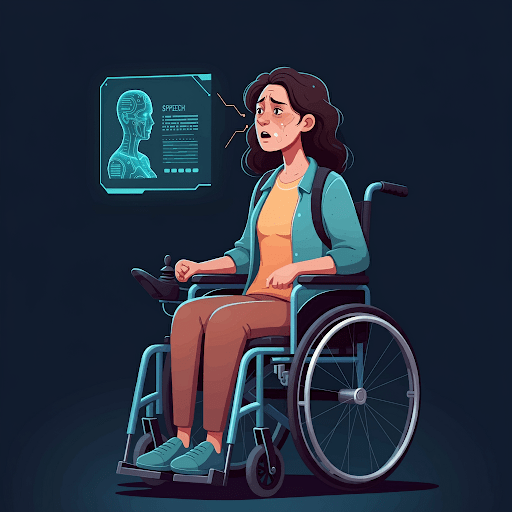
A few months ago, I could not be more surprised to find a new member with speech disability joining the club. Let’s call her Lady M. Lady M makes unrecognizable squeaks, her hand movements are sporadic, her facial expressions are different, her muscle movements are obviously compromised. That constantly reminds me of the limitation and likely hardship she encounters. Her presence brings that tiny discomfort that no-one really wants to show.
Over time, Lady M has proven to be an enthusiastic member. She is very brave. She wants so much to participate, including the table topics where one gets a short prompt to deliver a one to two minute impromptu speech response. Technology has come to her aid. She can type up her thoughts in group chats instead of speaking. Yet, her chats are hard to comprehend, the sentences are grammatically incomplete, and we cannot make sense of the words. Needless to say, most, in the club, have felt uneasy because of our limitations to interpret meaningfully what she has shared. We have been candid to share that we do not understand. She is not deterred and has kept participating to my utmost admiration.
Something happened in one recent meeting. In that meeting, I hosted the table topics. I called out a few club guests, gave them prompts, for them to deliver an impromptu speech. I was about to conclude, when I got a glimpse, on the zoom window, that lady M was waving vigorously to get attention and to participate. I ended up posting the prompt in group chat for her to post a response. The reply was equally incomprehensible. AI has come to our aid this time. The president came up with the idea to use AI. Rather than reading out the group chat of Lady M word by word, the president copied and pasted to the AI ChatGPT, and asked AI to help us to comprehend. Afterwards he read out the AI-enhanced impromptu response. How well has AI interpreted lady M? Judging by the reaction of lady M, it came across that, AI has read her mind better than any human toastmasters attending at the time. I have not seen lady M happier. That expression of feeling heard and feeling understood made a beautiful face.
Maybe we are bound by our learned grammar, words and languages. AI has gifted us this ability to better understand each other without that boundaries.
A week after, at the Club, lady M was there again. This time, she shared that her father just passed away. In times of life’s most difficult moments, we hope her participation with the help of technology has brought her comfort and courage. We found her voice through Artificial Intelligence.
Things often are not as they seem. I am often quite wary about people forming judgement or taking immutable positions based on what is visible on the surface. The US melting pot is one of the many examples where the surface may hide what is underneath.
America is famous for its “melting pot” narrative. The global population largely believes or chooses to believe in the possibilities where everyone is free to express and chase dreams.
Google search shows the population mix in the US that supports the melting pot narrative.
58% as non-Hispanic White (Caucasian),
18% Hispanic or Latino,
12% Black or African,
4% Asian (including Native Hawaiians and Pacific Islanders)
A look at the past tells that the population mix changes over time. It is anybody’s guess how the population mix will become in another few decades or centuries.
The current population mix, in the American melting pot, can be seen as a bold social experiment on how people of different heritages and origins come together. If the wealth, influence and power of the country are indicators, the melting pot experiment in the US has been a success. The poverty experienced in the US is not the same as the poverty experienced in some war-torn countries. (It does not mean that it is better to be poor in the US than other places. Being poor among the rich can cause more suffering. There are just no places in the world where it feels great to be poor.)
Is the overall country population a good proxy of your own social mix?
I have lived in the US for a few decades. I work in large US corporations and diverse teams. Including my “international” connections at work, I take a quick assessment about my social connections and it comes across I have far more connections with people who have similar origin and heritage as me. My social circle and US population mix would look similar to the following charts. If I include other attributes like age, I believe there will be more connections with people of similar ages too.
The current state of the US melting pot gets many believing that people are integrated well into the American way of living. Yet, if we dwell into the individual social circle, the melting pot is more likely made up of social circles that are way more homogeneous. In simple terms, black Americans likely have more connections with other blacks, American Chinese likely have more connections with other American Chinese, American Indians likely have more connections with other American Indians. The intersections across different groups happen, but way less than what the overall population mix implies.
To add to the diversity, there are different shades within the same heritage. Almost anything that talks about heritage is a simplification of the myriad of complexity about how our ancestors end up where we are, and how I end up where I am.
For the sake of discussion, we would take some simplification. Let’s take people with Asian heritage who are living in the US. (You can replace Asian and US with the heritage and place of your choice). There are different shades of their identities and their sense of belongings. Are they American who happen to have Asian heritage (for convenience I call them Asian American)? Or are they Asians who happen to have an American passport? (American Asian). The answer makes a difference in terms of what identities they hold.
In one of the recent talks about Asian Americans, it was mentioned about sentences that the Asians, in America, feel absolutely offended by. Such as, when the Asian American gets praise for speaking good English; such as, when they are asked to go back to Asia; such as when they are asked where are they from. The first generations of Asians in America feel less offended, while their American born children would feel more offended. The spectrum of the reactions is an indicator of what they identify with and where they belong to. When others ask questions that imply that “you do not belong to the place you identify with”, you feel offended. I have friends who moved from Hong Kong to California years for decades. They could settle back to live in Hong Kong. Their identity still ties with Hong Kong where they were born and raised. Often, the first generation immigrants, away from their originating countries, are American Asians where their identities are more tied to their Asian heritage, especially for those who chose to immigrate. Their children tend to think of themselves as Asian Americans with the identity more tied to the melting pot America. The sense of identity, with America, increases with every subsequent generation of Asian Americans.
Why does it matter?
As much as the US seems successful in the melting pot, people are not as integrated, and their social connections often do not reflect the population mix. Social connections include more people similar to each other in their origins, cultures and the list goes on to include age, look, and many more.
The US melting pot concept is a relatively modern concept. With more advancements in technology and transportation, more people will move to other countries in their lifetime. Would there be more melting pots, where people of different heritages live in close proximities with each other?
Even within similar heritage, there are different shades of their identity and belonging to the place they live in.
Things, like the melting pots, often are not as they seem. I am often quite wary about people forming judgement or taking immutable positions based on what is visible on the surface. Before your opinions and positions, I just hope more will look beneath the surface. Technology has made it so much easier to research about things.
There are many book lovers in the world. I am one. I am not enthused about book clubs that need us to read the same book at the same time. Why? There are just so many genres to read about, each book reading pattern is as unique as the readers’ fingerprints. Just like friends, if you pay attention and don’t transport your memory of their younger days to their present days, the friends change subtly over time too. Those changes are often reflected by the kinds of books they are reading.
Just like good friends, good books don’t go away. May you find one or two, from the following reviews, that you are interested in reading right away. For all the others, I hope it is not whether you will read them, but when you will read them.
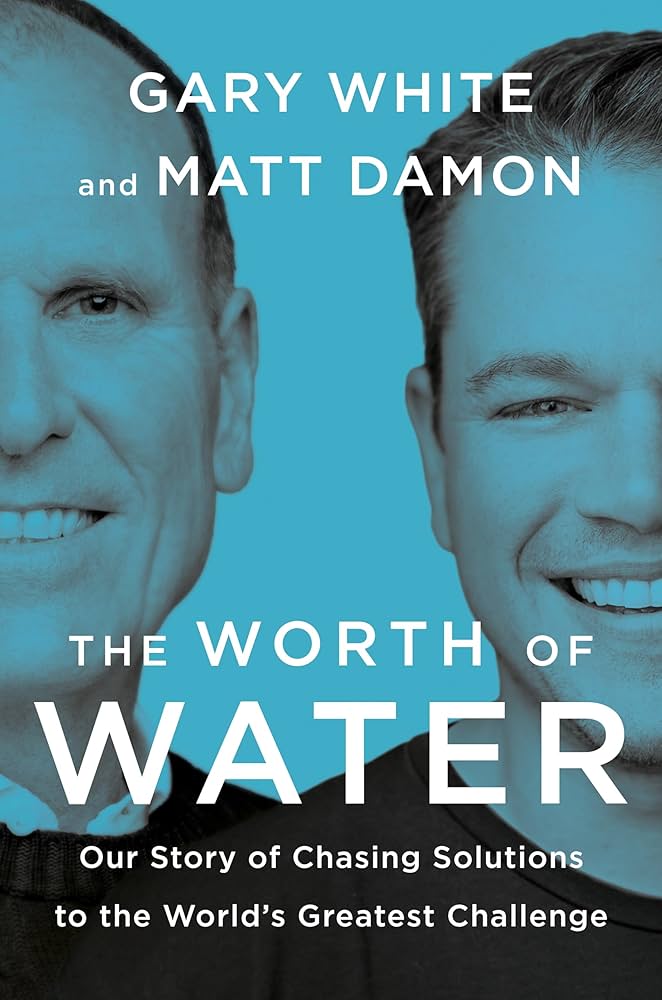
We are in a world with abundance that is so unevenly distributed. We can all relate to what life is like to spend hours every morning to get buckets of murky water to survive.
This is a book that gives concrete paths to solve the water and sanitation problem.
Supporting microloans, a sustainable market-based approach, can help hundreds of millions to tap into existing water infrastructure to give them water, and allow them to use the time to go to school or to earn more income.
Supporting resourceful teams to help utilities improve operations and find more paying customers to keep investing in better infrastructures in urban areas.
Supporting Governments, wealthy nations and NGOs can reach the poorest , most rural regions.
Check out the book or the water.org. It feels immoral to do nothing for the billions who happen to be born somewhere without water and sanitation.
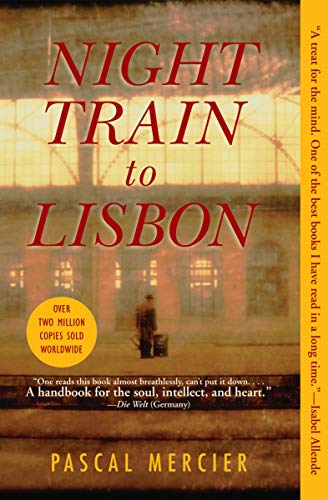
Raimund Gregorious teaches classical languages at a Swiss school. Everyday is the same routine, down to the minute until one day. On his way to school, he saved a beautiful woman, who was about to jump off a bridge. This one day, he questions his life and leads him to an extraordinary book about an extraordinary person, Amadeu De Prado, in Portugal. He boards the last train to Lisbon. His adventure turns into unbelievable discoveries of deep human connections as he retraces the life of Amadeu, his families, his loved ones, and his comrades.
Life is not what we live, but what we imagine living. At times dreamlike, at times unreal, this is a book that stirs your mind to reveal something new to yourself.
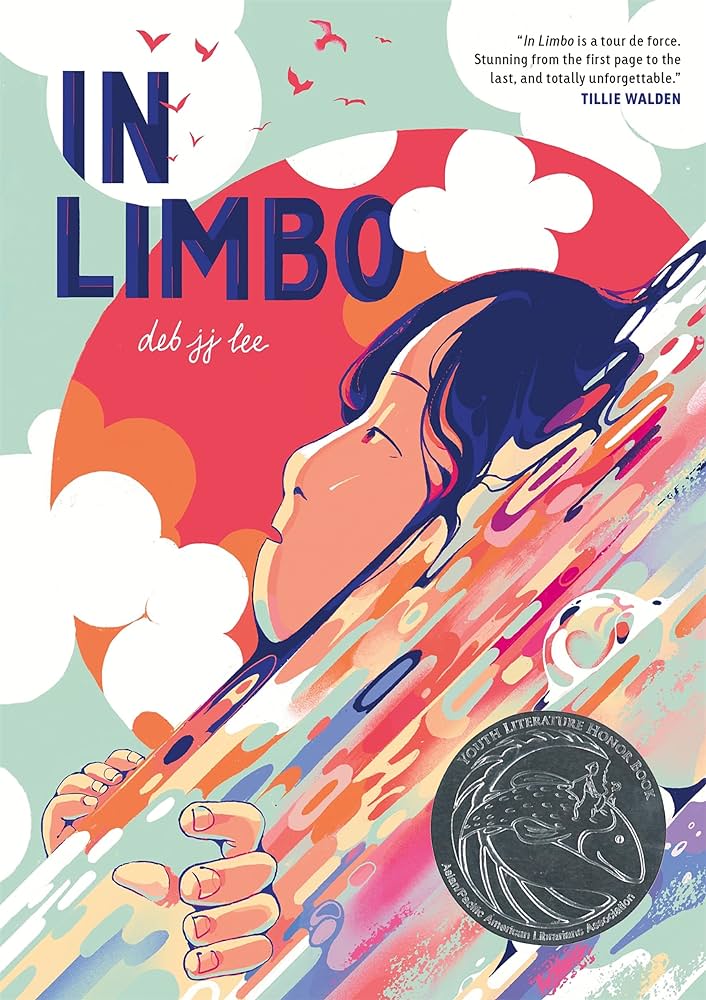
For those who have immigration experience, over time, they recognize that immigration is a multi-generational journey not an event. It is an experience that sends a person, the families and future generations to an alternate universe where the new universe offers contrasts in family values, morals and cultures.
Beautifully narrated and illustrated, this book shares the journey of a first generation Korean American how she copes with the challenges of family relationship, identity uncertainty, loneliness and friendship.
Many first generation Asian American will resonate with the growing up of the protagonist Deb. It is a good read for both their parents and them to appreciate the multi-generational implications of the migration.
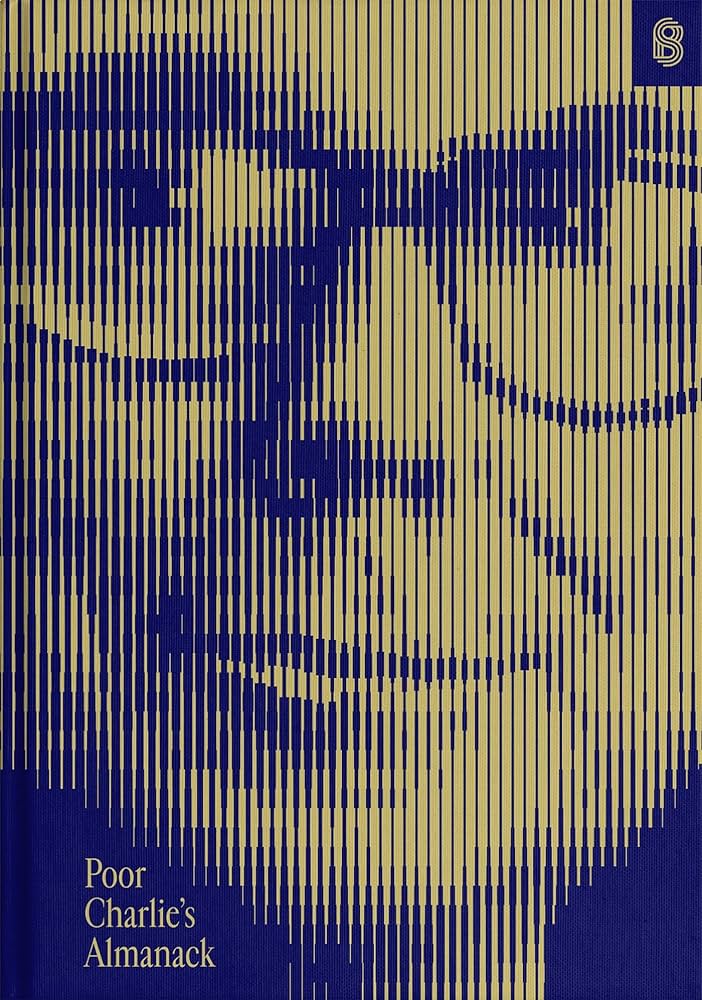
Charlie Munger is almost 100. He died a few months ago. His wisdom, humor and fatherly advice have lived on in his speech and his book. He said “acquisition of wisdom is a moral duty”.
His commencement speech to the USC Law Graduates, to advise them on a good life, particularly resonated. His speech is full of gold and offers values for anyone. Here are some of his worldly wisdom.
The safest way to get what you want is to try to deserve what you want. You want to deliver to the world what you want to buy if you were on the other side. It is a golden rule.
Be a learning machine. Develop a multi-disciplinary knowledge in important domains: business, psychology, math and history.
Hard work and strong work ethics are essential. As obvious as it is, we often forget it when things are not going well.
Mr. Munger continues to advise us in this universe even though he has moved on to another universe. Hope you will not miss the advice.
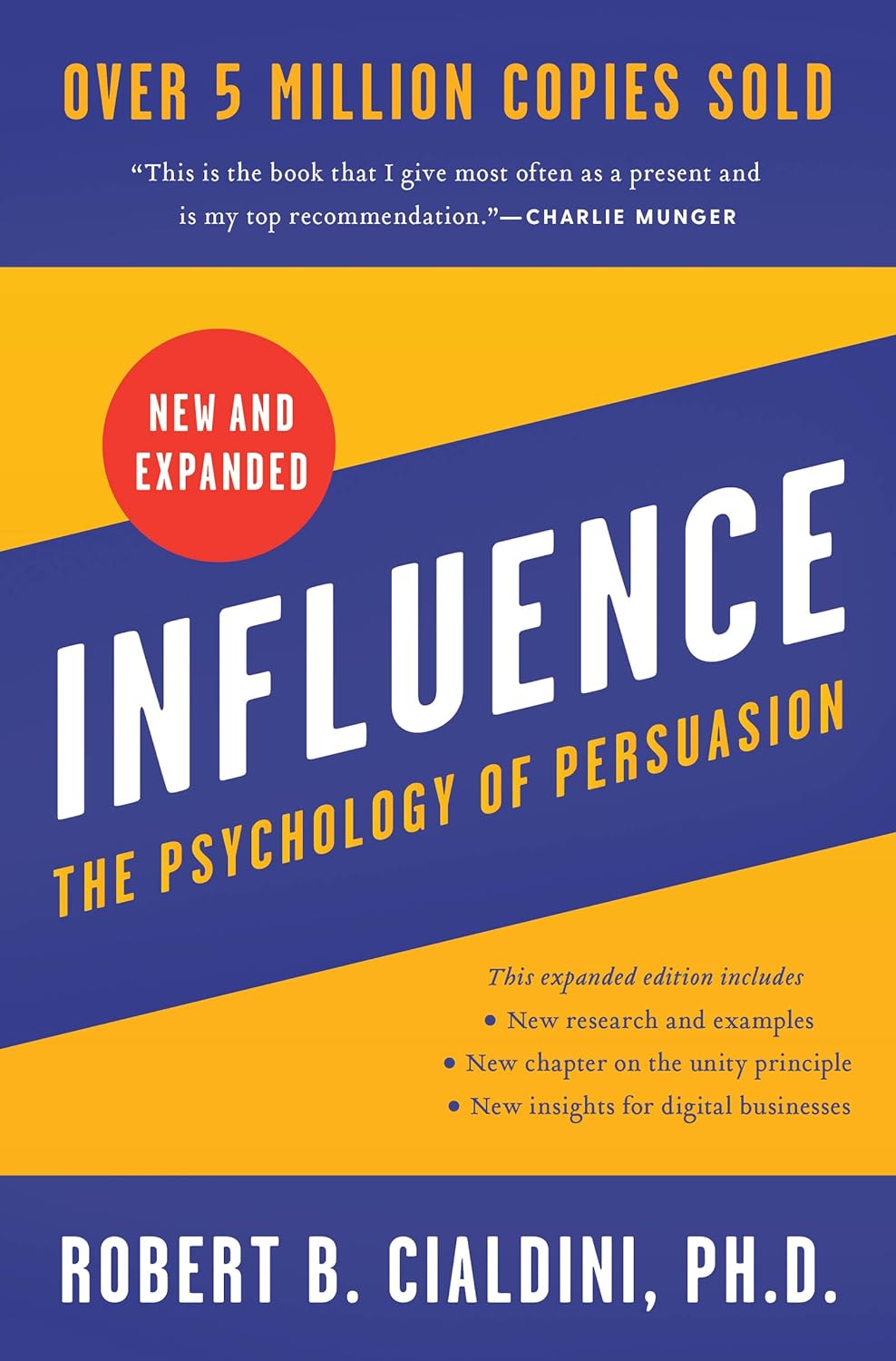
The abundance of knowledge and information overload overwhelm the smartest of all. This is an era of short cuts to influence decision making. It is a world where relationship building could get you further than the traditional intellectual and emotional intelligence. First published in 1984, the latest edition in 2021 continues to capture the psychology of persuasion.
If you are a compliance professional to influence others or you are someone who doesn’t want to be tricked by these psychological shortcuts, this book makes an important book to read.
For shortcuts to the book, the seven shortcuts include “reciprocation”, “liking”, “social proof”, “authority”, “scarcity”, “commitment and consistency”, “unity”. Or you can ask the large language model, chatGPT, Gemini and the like, to give you a summary to decide where to deep dive into.
You may also be intrigued by the author on the importance of preventing the abuses or misuses of these shortcuts, so as to keep the shortcuts working effectively for the majority.
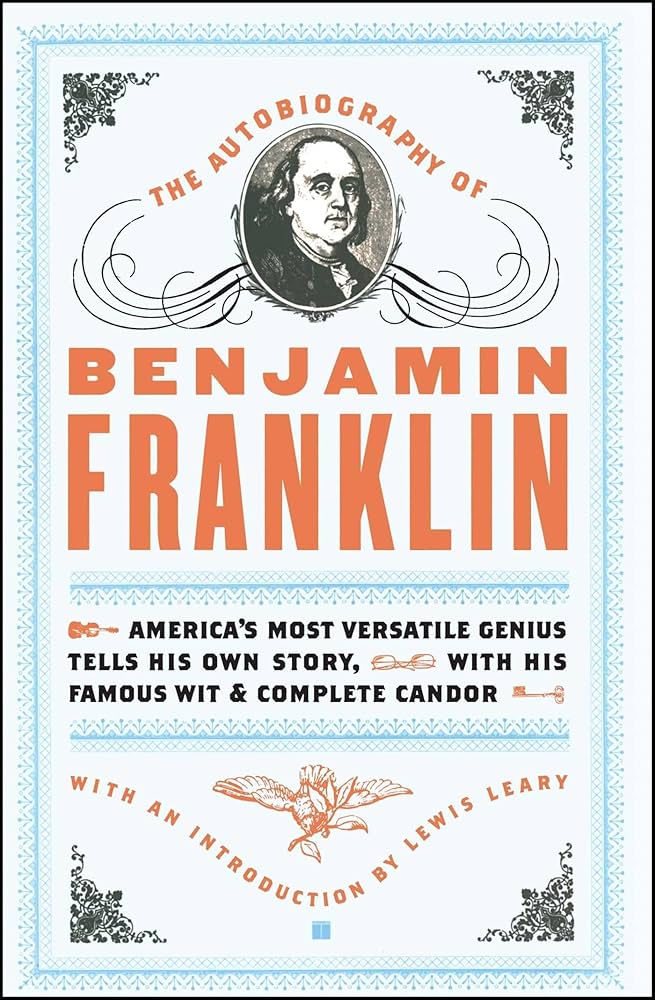
You may be familiar with Mr. Benjamin Franklin as one of the Founding Fathers of the United States, a drafter and signer of the Declaration of Independence. I discovered so much more of his impact on my daily lives after reading his autobiography.
Written by Mr. Benjamin Franklin from 1771 to 1790, this unfinished account of his own life remained relevant if not more relevant with the US state of affairs.
The first set of notes is a letter that started with “Dear Son”, where Mr. Franklin talked about his lifes, his younger days, the lessons learned, the business and the errors he has made. The discourse is candid and particularly touching to share life lessons from father to son.
The second set of notes was written a few years later. It listed out the 12 moral virtues + humility. Mr. Franklin created a “spreadsheet” to practice the virtues and tracked his progress. He had expected to acquire the habit of one virtue each week, and ended up taking a year to cycle through the 13 virtues. His design and rigorous progress tracking on virtues are amazing to read and to practice.
The last set of notes illustrated his printer business and his public services. His setup of public libraries, his establishment around the concepts of firefighting and military has impacted all of us living in the United States. His kite experiment, to demonstrate the connection of lightning and electricity, once again reminded us the importance of multidisciplinary knowledge to better understand the world.
It is a book to read, also a book to read multiple times.
Every single day we are missing the people, the places and the events around us. Being in Silicon Valley for decades, I have the illusion I know about the area, until it becomes obvious that there are so many new discoveries waiting. In his unique lens, the author 鱸魚 shares absolutely delightful anecdotes that transport me to a more beautiful, more diverse, more humane Silicon Valley beyond the technology, the tech start-up, the magnificent seven and the venture capitalists.
His message will stay with me for a long time – Silicon Valley is a colorful puzzle that provides spaces for everyone to participate and there is such a broad spectrum of possibilities for everyone to have a role in it. Such contrasts make up a beautiful landscape.
This is a book for everyone to relate to Silicon Valley, including those who are too busy to notice the stories, and those who live far away.
I am enchanted by the author and his Silicon Valley stories. I subscribe to his blog and can’t wait to read his new book 我失敗的美式生活 (I fail in living the American life).
My Toastmaster Club President asked if I would like to be a speaker in the upcoming club meeting. It is not any special request. Such a request serves as a trigger about what meaningful speech I would like to share with the fellow club members, many of whom will have many ventures and career years ahead of them. The Club president did not have much of a suggestion of the topics. June is the month of college graduation. I decided to use a speech to echo the wisdom of three commencement speeches. The first of the three speeches was dated in 2007. I read the speech transcript from “Poor Charlie’s Almanack”, a book with so much wisdom. The other two speeches were more freshly delivered in June this year.
My speech transcript re: “Echoes of wisdom: three commencement speeches”.
How many remember the commencement speeches from your college graduations? Because I don’t remember anything, I could not put into practice the wisdom from the speech of my college graduation. As you have many ventures and years ahead, I have three commencement speeches from three great persons to share with you today.
Charlie Munger at USC Law, 2007 Munger is known for his 60 years of partnership with Warren Buffet, and the unusual successes of the company Berkshire Hathaway. His wisdom and humor have lived on in his speech and his book. He said “acquisition of wisdom is a moral duty”.
The safest way to try to get what you want is to try to deserve what you want. You want to deliver to the world what you want to buy if you were on the other side. It is a golden rule. Be a learning machine. Develop a multi-disciplinary knowledge in important domains: business, psychology, math and history. Hard work and strong work ethics are essential. As obvious as it is, we often forget it when things are not going well.
His speech is full of gold and offers values for anyone.
Roger Federer at Dartmouth, 2024 Roger is arguably the most beloved tennis player of all time. He retired in 2022. I was there in London watching him to play the last match at the London O2 arena, and his emotional farewell. He did not finish high school. Yet his tennis accomplishment earned him the honor of a Doctor of Humane Letters degree from Dartmouth.
Effortless is a myth: For many who have watched him play, his play looks easy and effortless. This is misleading. He explains that he had to work very hard to make his game look easy. Next time, when you see some successful people get an easy promotion, think again. It’s only a point: A tennis match has many points, just like our life has many points. Federer shares that during the point, you see the point as the most most important point in your life that you put 100% in. When the point is over, win or lose, you need to learn and move on, so you have your 100% for the next point. Life is bigger than the court: Federer has his foundation that helps children in Africa get an education. It’s important to have a purpose in life beyond your career.
Jensen Huang, CEO of Nvidia at CalTech, 2024 Jensen famously said the following : “To me, no task is beneath me, because I used to be a dishwasher, I used to clean toilets and I’ve cleaned more toilets than all of you combined”. In his commencement speech, he shared with the graduates a detailed history of Nvidia, and the journey.
Develop an informed and reasoned belief in something unconventional and unexplored. Find a craft to dedicate the lifetime to perfect. He famously said that he has nothing to do other than being the CEO of Nvidia. Prioritize. Jensen has a prioritized list, and first thing in the morning, he takes care of the most important priority, leaving him plenty of time to take care of people and other priorities
With technology, many commencement speeches are available on YouTube, waiting for you to discover. Consider checking out a commencement speech. That may turn out to be the best use of the time and you would go to bed wiser than in the morning. As Mr. Munger once said, acquisition of wisdom is a moral duty.













































 oliviatamccue