oliviatamccue

about everything, anything or something

Father’s Day during Coronavirus Pandemic

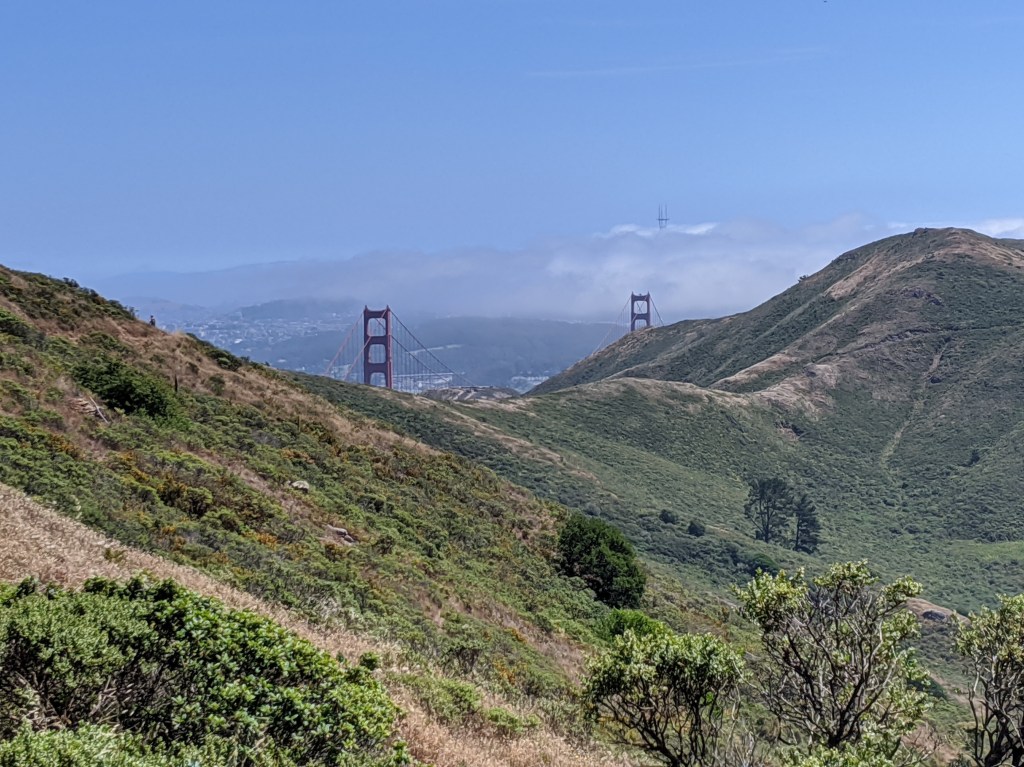
On Father’s Day last week,  my son cooked mom and dad a brunch, then we went hiking at the Slacker SCA trail in San Francisco.  It was so beautiful to spend a few hours in nature and to give the body the much needed fitness challenge.  
Who would have thought that the year would turn out this way?  Who would have predicted a global pandemic?  Who would  have known the death of George Floyd triggering deep reflection and realization of social inequity?  Who would have guessed that the United States, as the only world superpower, would be so flawed in managing public health and so flawed in its society?

New York and California are among the first states to have shelter-in-place (similar to a lockdown). Since the shelter-in-place started mid March, my family, spanning from NYC to California Bay Area, has stayed at home. On workday, I literally spend my day at home sitting in front of my computer for over ten hours with hardly any break at work. In the beginning weeks,  my eyes hurt so much in the evening. It still feels unreal that we are in this world war against pandemic while my day mirrors a working day full of meetings similar to before.  My coworkers and I work as hard as before, if not harder.  Life is very hard with the pandemic (and even harder later with the social unrest after the death of George Floyd).  In these usual times, I have stayed at home for weeks without leaving home. The weekend has become very long, the time has flown very slowly and there has not been much change of landscape between weekdays and weekends. 

When I finally went out to the neighbourhood park or did some grocery shopping, it felt like the body needed adjustment to the outdoors, to the brightness of the sun and to the open.  It was a great feeling though. If freedom of movement has a smell and a taste, maybe this would be it.  With restaurants still close for any sitdown meals, we cook and eat most meals at home with a couple of takeouts every week.   As the country opens up more, I go out for grocery or bakery shopping once every week.  After the grocery, it takes time to wash hands, wipe the groceries, put them in the fridge, and then wash hands again.  Some mornings I would do a 13-laps jog around the driveway, that is only a few hundreds meters in total distances, then write some journal before beginning my ten hours of work in front of the laptop and the monitor.
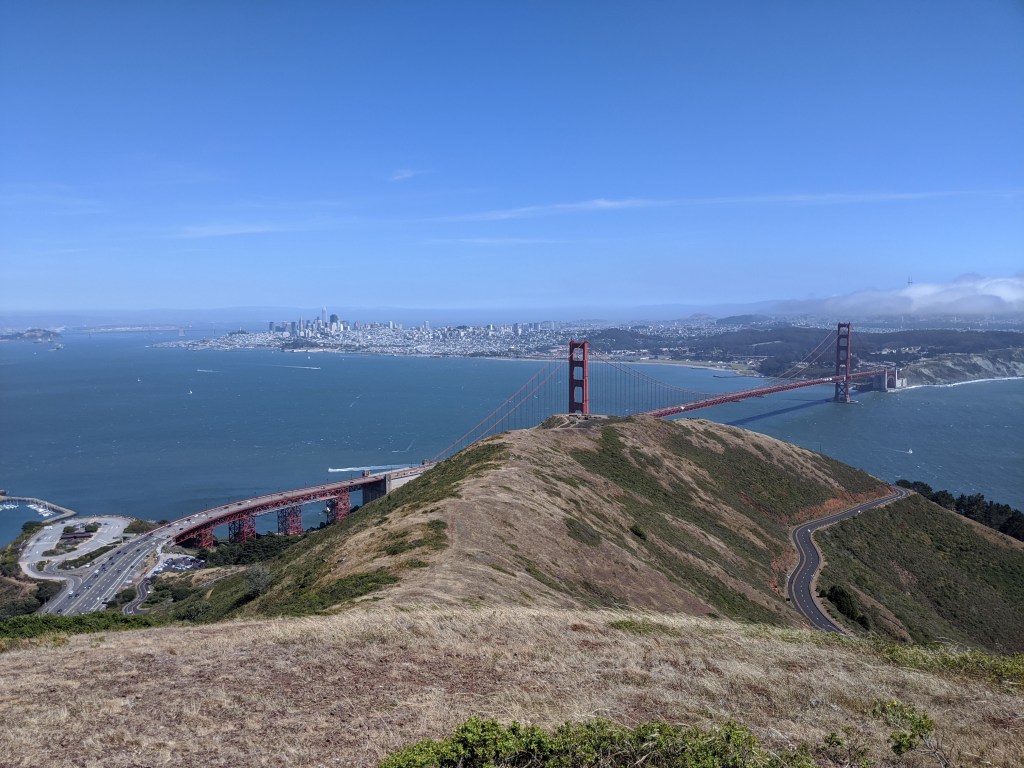
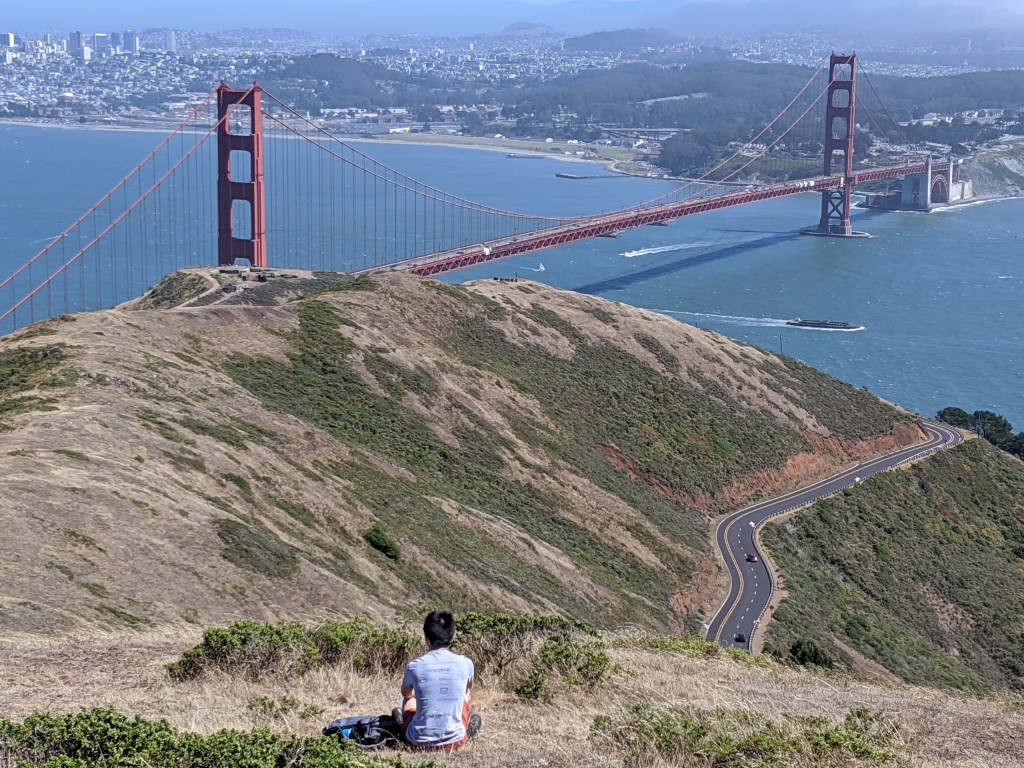
It was a special Father’s Day in this unusual time.  The hike of moderate intensity turned out to be a stretch of body fitness to say the least.  While San Francisco is a 45-minutes drive, it has  been the furthest we have gone since mid March.   The hike had some uphill climb and downhill moments, with over three months of shelter-in-place, it turned out to be quite exhausting.  It is a scenic hike with gorgeous views of the Golden Gate Bridge, San Francisco skyline, the Angel Island and the Alcatraz.  The sky was a clear blue with no cloud on the horizon, and the weather was perfect for hiking.  Along the 5-mile trail, we saw quite a few fellow hikers, and every time some fellow hikers were within our eyesight, we would put on our masks; for the trail, I put on and off my mask about forty times.   It felt more like a training on father’s day than celebrating father’s day!  The muscle pain has lasted for a few days indeed. 
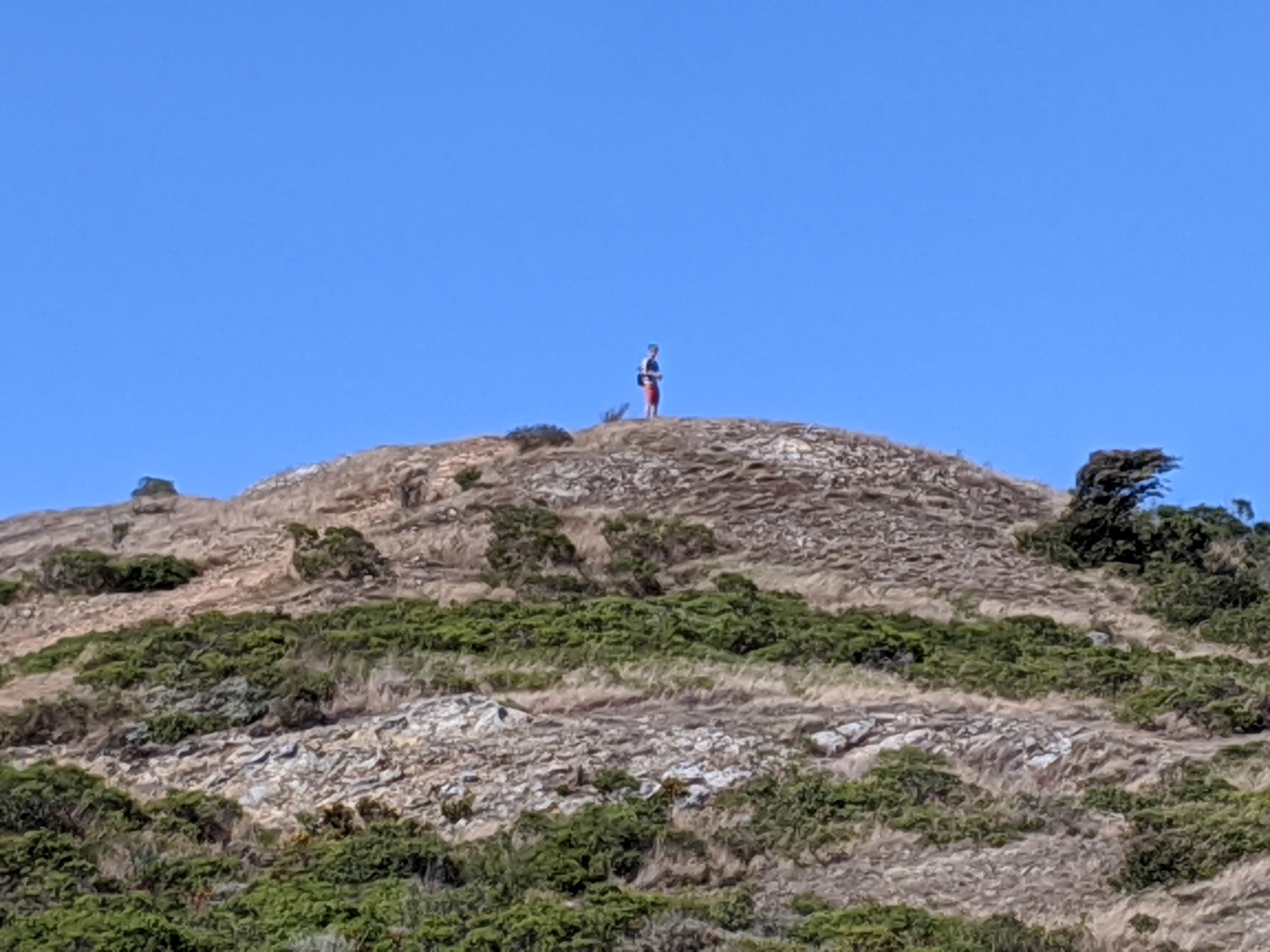
In this unusual time, it is a great feeling to be out in nature, to be under the beautiful sky, to feel the warmth  of the sunlight and to appreciate the magnificent Golden Gate Bridge from different angles.  It has been a memorable and beautiful hike on this Father’s Day.

More time reading during the shelter-in-place. For a while, libraries have been closed, bookstores have been open. A book on AI and its commercialisation. Read more like AI for the beginners.
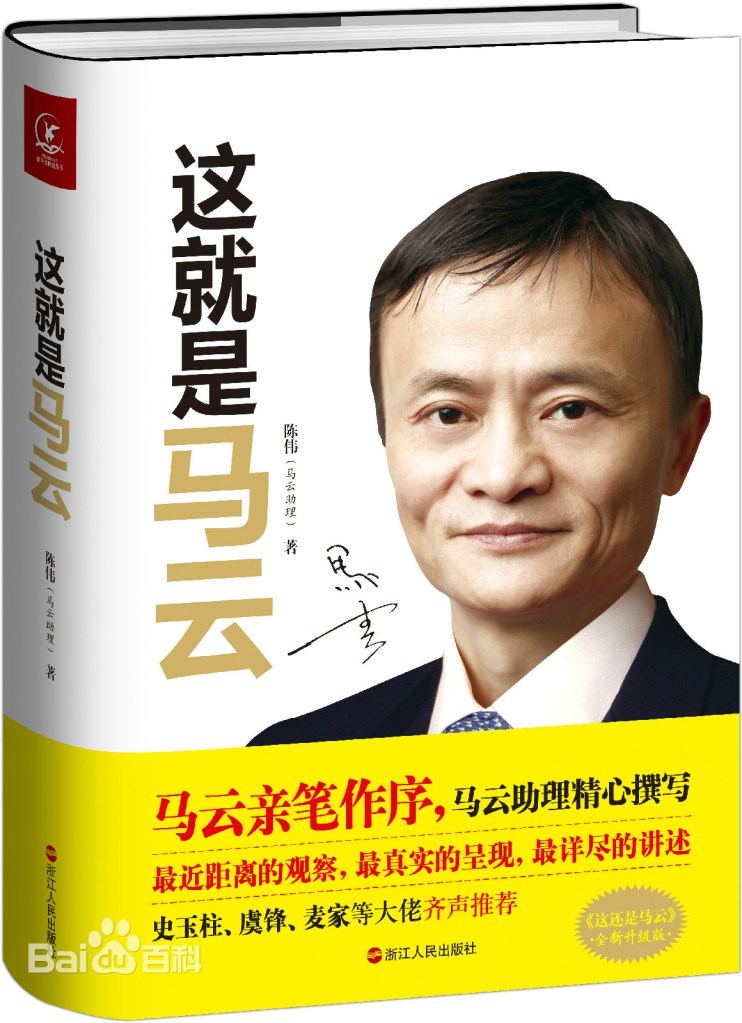
Written by his friend and personal assistant, the book gives a glimpse of how the very charismatic Jack Ma journeyed from being an English teacher to become the founder of Alibaba and how he cultivated a very unique company culture and group of followers.
Leave a comment »

March: Indian Wells Tennis


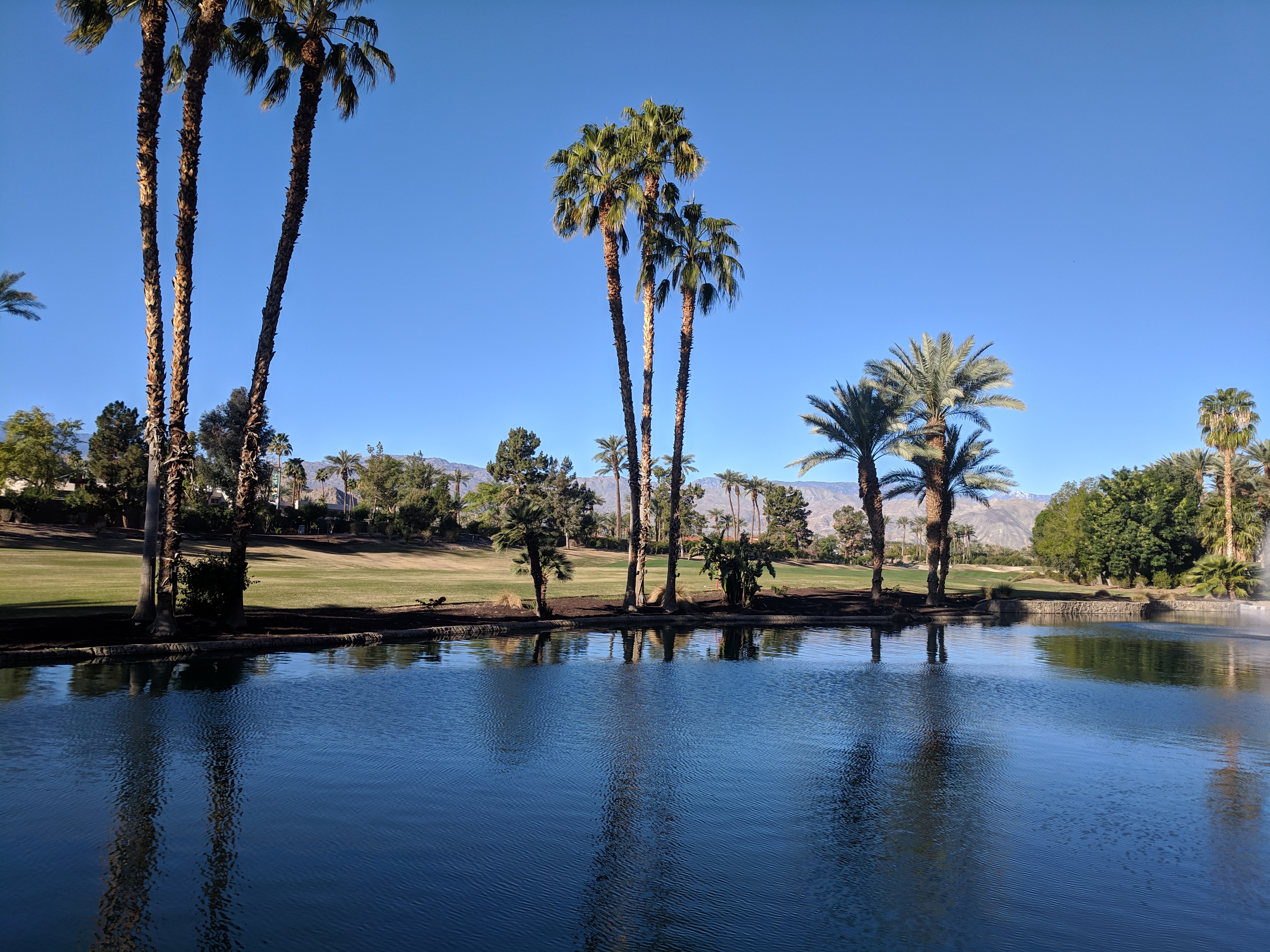
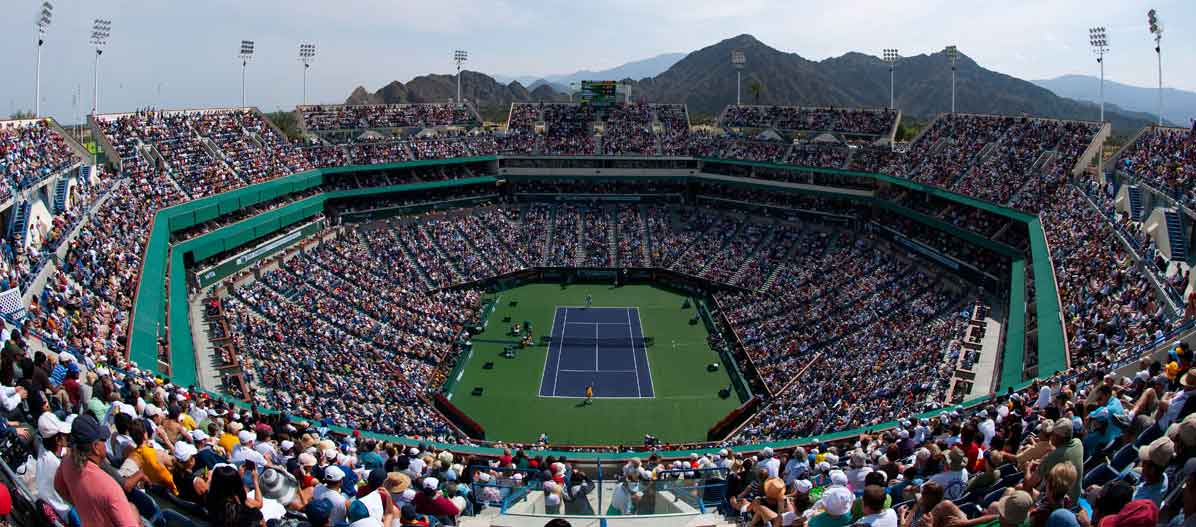
Indian Wells, next to Palm Springs,  is about 2 hours drive from Los Angeles.   Situated in the desert, this beautiful city is surrounded by layers of hills, and is a popular retirement destination as well as a winter snowbird destination.  The area strikes a perfect balance of quietness and convenience; for the diners, there are many international choices. It feels like a perfect location for sanctuaries and has been a popular resort for hollywood stars.  Four out of the last five years, we went to watch Indian Wells Tennis Master in March. This year, it was all the more special as we made a detour to UCLA to dine with our son.

Since Larry Ellison became the owner of the tennis tournament, he threw a few hundreds millions to make continuous improvements to the tennis gardens, bring in nice chef, renovate the gardens, improve the fans’ experience and raise the prize money for the players.  As an example of improving fans’ experience, he bought the piece of land next to the tennis stadium, and turned it into a huge grass-surface parking lots. We paid $25 for the parking for a day and took a short walk to the tennis garden.

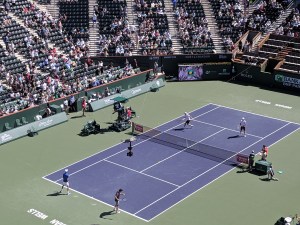
The tournament has grown in the past few years.  This year, we had a hard time to get the tickets for the final, and ended up paying $500 per ticket.  We were somewhat lucky to be treated with two great finals, both went the distance of three setters. Seated so much closer to the tennis court, we felt the pace and the power.    While disappointed that Federer lost to Thiem in a tight final, it was not meant to be , and it was hard to dislike Thiem.

On the day before, we thought we were luckier to hold that $70 semi-final ticket, to witness the 39th match between Nadal and Federer.  The ticket could be easily resold at five times of the original price tag on the tournament website.  Much to our disappointment, Nadal withdrew hours before the match.  He should have come play a few games, and it would have made it so memorable for the 14,000 tennis fans in the stadium.  The tournament organizer did a great job to put together a last minute double substitute with Djokovic/Sampras against McEnroe/Haas.

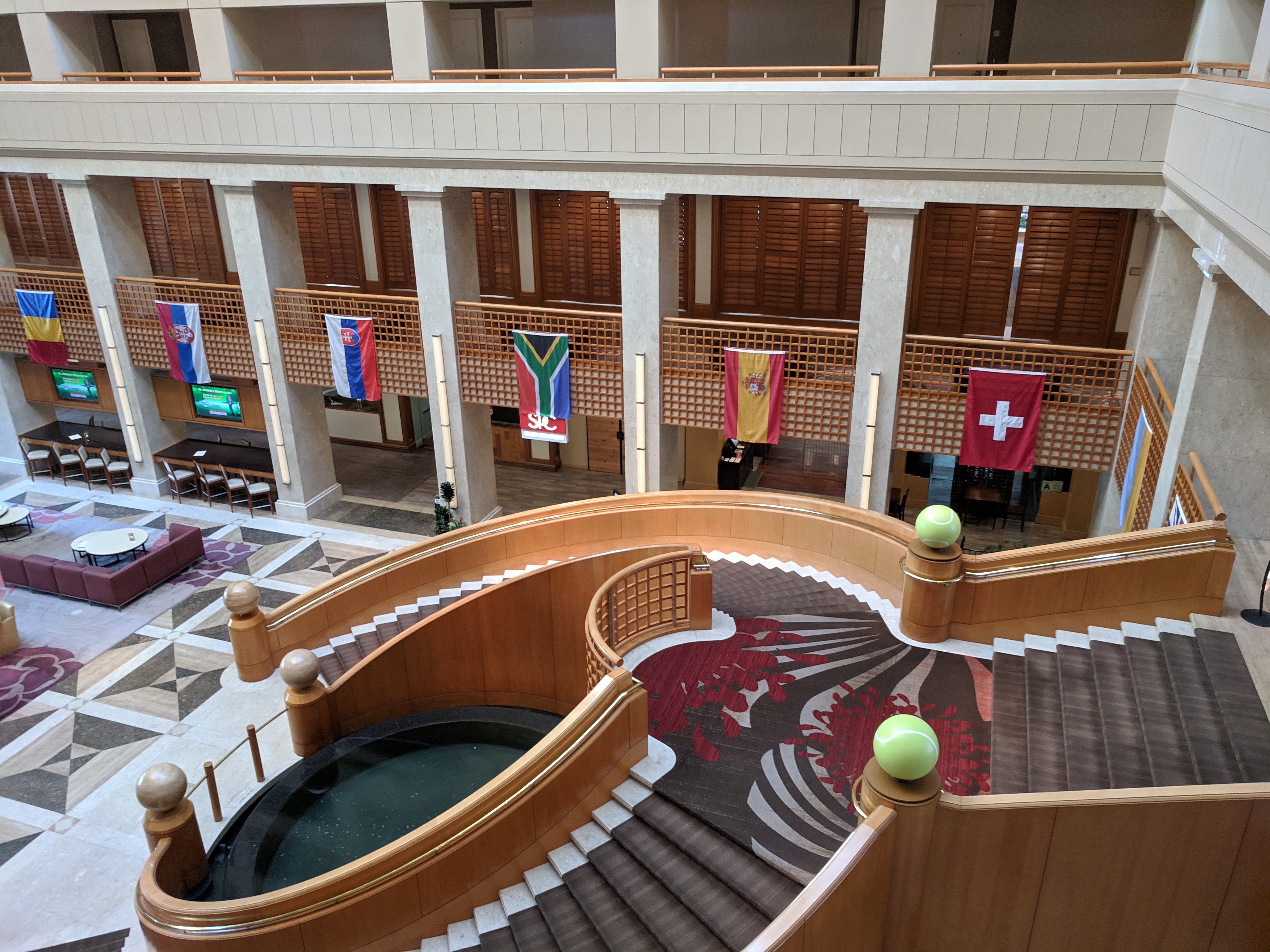
Indian Wells Resort maybe the hotel of choice for the tournament.  I saw Haas, the tournament director, at the hotel lobby. And had a brief eye contact with Thiem, the subsequent champion, at the hotel entrance as he got ready to the stadium in the morning of the final.

After Indian Wells, this may be the year to make the ultimate tennis pilgrimage to Wimbledon.


Investing in REITs
By Ralph L Block

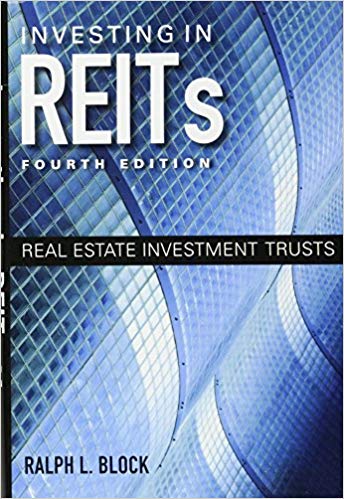
Many middle class look into rental property as they journey beyond mid-life.  Few talk about the nuts-and-bolts of tenant management, property management, its opportunity cost and its relative return on investment.   Different from buying a few shares of stock, a rental property is a larger and often illiquid investment with longer term impact. There is some risk and a bad tenant makes a bad day for you.  

REIT (Real Estate Investment Trust) is the closest liquid investment that is accessible and achieves similar investment diversification as buying a rental property without the nuts-and-bolts, and also without the same pride of home ownership.     

In its fourth edition,  this well-written, well-organized REIT book is perfect for new investors; and is a good refreshing course for seasoned ones.   Last revised in 2010, it gives an overview, the REIT categories, the investment principles, the how-to set up REIT portfolio, without getting into tons of charts nor complex math.

This book provides solid fundamentals towards investing in REIT which could be an alternative to owning rental property.


The Miracle of Mindfulness
by Thich Nhat Hanh

In this small book, Thich Nhat Hanh uses gentle stories and simple exercises on how to be more mindful and be conscious of the moment.  It starts with some simple breathing exercise, some simple tips to focus on the moment, and progresses through the deeper buddhist meditation experience.

I find the simple medication to be calming and am convinced that a daily meditation can sharpen the mind and the concentration in the daily hustle-rustle.


Leave a comment »

February: Health

February is a short month with two festivals : Chinese New Year and Valentine’s Day.

Chinese New Year Eve, we had a lot of dishes for the two of us with leftover enough for the remaining week.  New Year Day, we drove to ChinaTown and served ourselves vegetarian dish. This tradition is hard to keep up in America, but we tried as much as possible.   Near Valentine’s day, we did a date-night cooking class with a 3-course meal and a creme brulee dessert.

IMG_20190228_102252

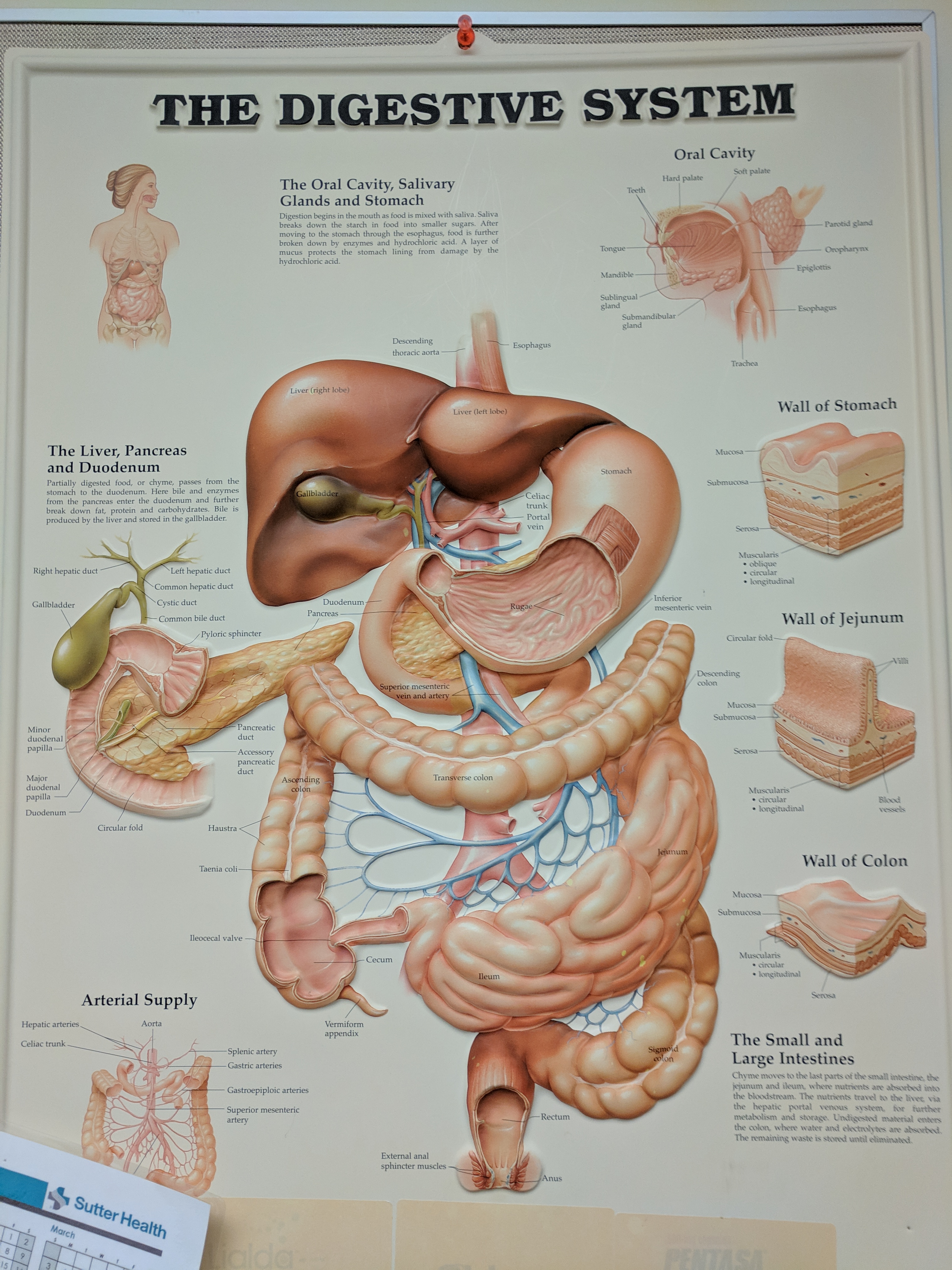
Many days in this month I suffered from stomach bloating.  My gastroenterologist suggests the low-fodmap diet (FODMAP = Fermentable Oligo-Di-Monosaccharides and Polyols).  In simple terms, this diet contains a long list of common foods suitable, such as rice, banana, lactose-free milk products, a variety of vegetables and fruit), and also a long list of common foods that need to be eliminated.

Over the years, my stomach complains once in a while.  There was a period when I was a teenager that my mom cooked “bird-nest” congee which was considered very good for stomach. Believe it or not, it was cured and did not come back for years.  This stomach issue came back a few years ago, and was cured after some months of controlled diet. When I shared my health issue, the most frequent reactions from others have been “are you stressed?”  In my experience, the causation effect between stomach issue and stress has not been as obvious, though the health issue creates stress when the bloating pain can come anytime and is sometimes limiting the day-to-day activities.

My theory is that when the stomach is at a sick state, even if it is the same food that uses to cause no problem, the stomach  would randomly complain about. I have this personal challenge to put the stomach back to a healthy state, so that it is not as sensitive to what gets in it.    Coincidentally, I read the “miracle of mindfulness” for inspiration of mindfulness, just in case some relaxation can help along the way.

The laws of medicine

The Laws of Medicine: Field Notes from an Uncertain Science
by Siddhartha Mukherjee

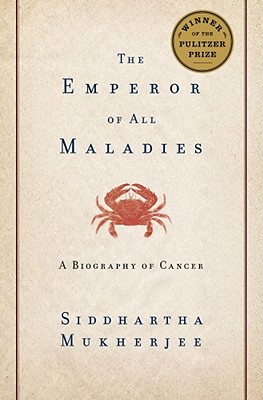
I read this after the award winning book “The Emperor of Maladies” by the same author.  A small book, written years earlier, when Siddhartha was a young, exhausted and isolated medical resident.   In this book, he identified the three key principles that govern medicines.

  • A strong intuition is much more powerful than a weak test.
  • Outliers teach us laws
  • For every perfect medical experiment, there is a perfect human bias.

I am not giving the book away.  Siddhartha has the talent of telling stories and explaining principles that makes his book memorable.  This book is a must read, whether you are in the medical field or not.

Sometimes BrilliantSometimes Brilliant by Larry Brilliant

Larry has been selected as one of TIME magazine’s 100 Most Influential People.   He was the  inaugural Executive Director of Google.org,[1] the charitable arm of Google established in 2005.  He became a co-founder and chairman of Seva Foundation, an international, non-profit, health foundation which has given back sight to more than 3 million blind people through surgery.

Decades ago, he went to India as a spiritual seeker.  His guru Maharaji called him “Doctor America” by his Maharaji, urged him to join WHO and prophesied the eradication of smallpox.   With an unwavering belief in the prophecy, Larry started this impossible adventure, which took him to WHO.   In this book, he chronicled how the team overcame the relentless social/political/business challenges to finally eradicate smallpox.   It is not only a victory of medicine but also the discovery of himself along the journey.

Leave a comment »

January: Happy New Year

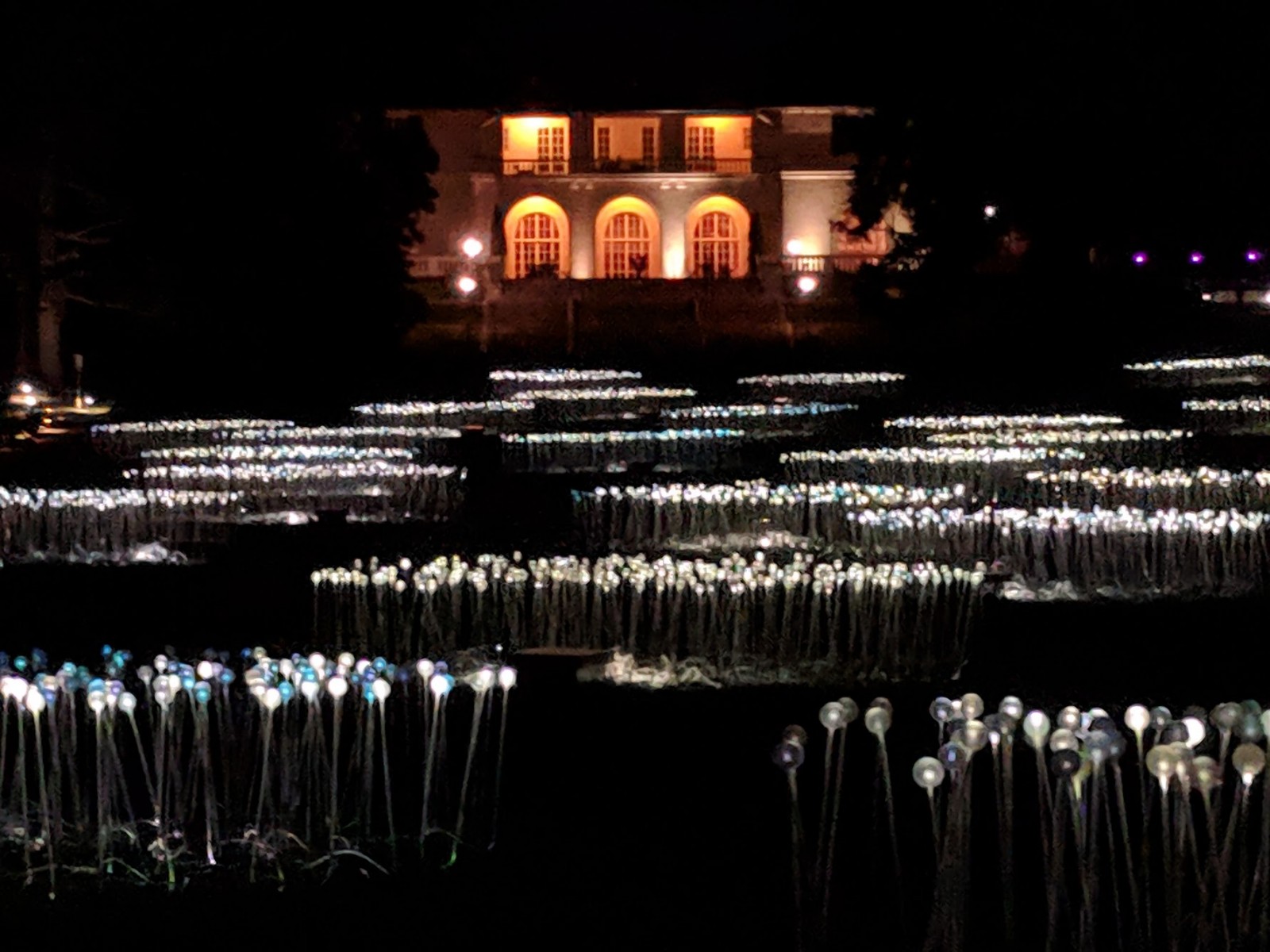
First week of the month, my daughter and I went to watch a beautiful lights show by the artist Bruce Monro. 

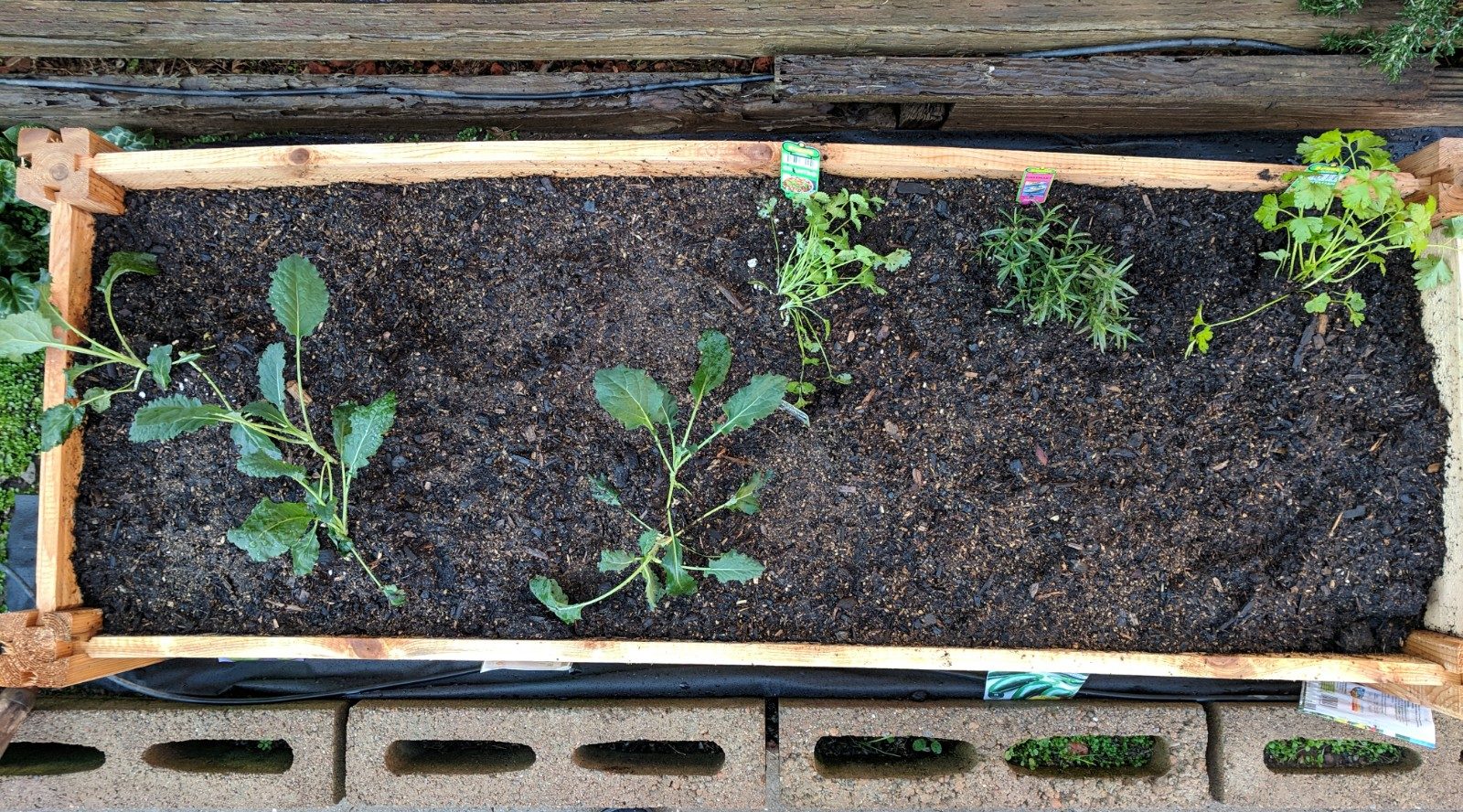
As the children went back to college, my spouse and I slid back to empty nester.  Australian Open came and gone, the miraculous 2017 and the slightly less but still spectacular 2018 did not repeat.  Towards the end of the month, we set up a raised garden bed which has been a gift sitting in the garage for years.  We planted the lovely herbs Rosemary, Thyme, Parsley, Cilantro, some Kale and some pepper seeds. The money spent on the garden soil, seeds and the plants could easily afford us a month or two of expenses in vegetables, not to mention the labor, the water and later the fertilizers.   This again reminds how little farmers earn, and yet play such an important a role in our society.

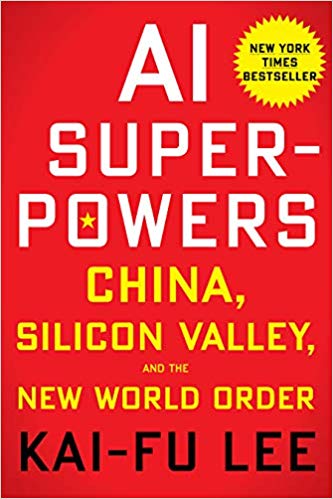
I finished reading two non-fictions.  The first book, written by ex-GM of Google China, covers and analyzes Artificial Intelligence (AI), a topic that everyone is curious about.  The other book, written by a physician and claimed the Pulitzer prize, covers a topic that people rather whisper about.


AI Superpowers: China, Silicon Valley, and the New World Order
by Kai-Fu Lee

The book has both the Chinese and English version.  I read the Chinese version.

Many of us are curious about “who would win the AI race?”, “how would AI affect the world?”, “how many jobs would be eliminated?”, and even further, “is human, as a species, going to become extinct?”  This book provides a comprehensive coverage of AI technology impact to the world, to the superpowers, and to each of us.

Once the GM of Google China, he decomposes the four success factors for AI: Data, Entrepreneur, Talents/Technicians, and Government; and provides a structural comparison how the two superpowers, China and United States, would compete with each other.   On a broader scheme of things, it provides a thought provoking analysis how AI would affect the society and its wealth distribution; and ends with a hypothesis how AI can play a role to enrich human life.

From his near death encounter with a deadly illness, the author reckons human future lies in our spirit of humanity and most importantly, our ability to love.

The Emperor of all maladies : A biography of cancer
by Siddhartha Mukherjee

How would a book on such a dire illness, win the Pulitzer Award?

The book is among the most engaging,  educational, and absorbing read of all the books I have read.   I can’t help but admiring how the author weaves narratives of the scary radical surgery, the poisonous chemo trials, the difficult battles against the tobacco industry and the serendipitous “invention” of mammogram and pap smear.

Far from brutally fearsome, this eloquent chronicle of cancer is full of humane spirit and surprisingly heartwarming, with its first documented appearances thousands of years ago, through the decades of battles to prevent and cure, to the latest gene mutation research of the illness.

Through the experience of Carla, a patient who survived, we cannot but realize the potential immortality of cancer with its prowess originated from the exact human capacity to grow, adapt spread and thrive.   It leaves us the question not if we will encounter cancer in our lives but when.

It ends with the author’s final meeting with another cancer patient, Germaine, who spent six years fighting, and finally found herself stare into an empty vault of resourcefulness and resilience.  Such is the chilly reality for the four-thousand-year-old war against the disease.

Rather than a defeatist, it leaves us with a profound insight into, and a deeper connection to the millions who has or will have an encounter with this emperor of all maladies – cancer.

Leave a comment »

December: Family Time

Holiday season sends us the gift of family and friends getting together.    These gatherings create happy, busy and memorable moments that wrap up a very dynamic year.

December 2018

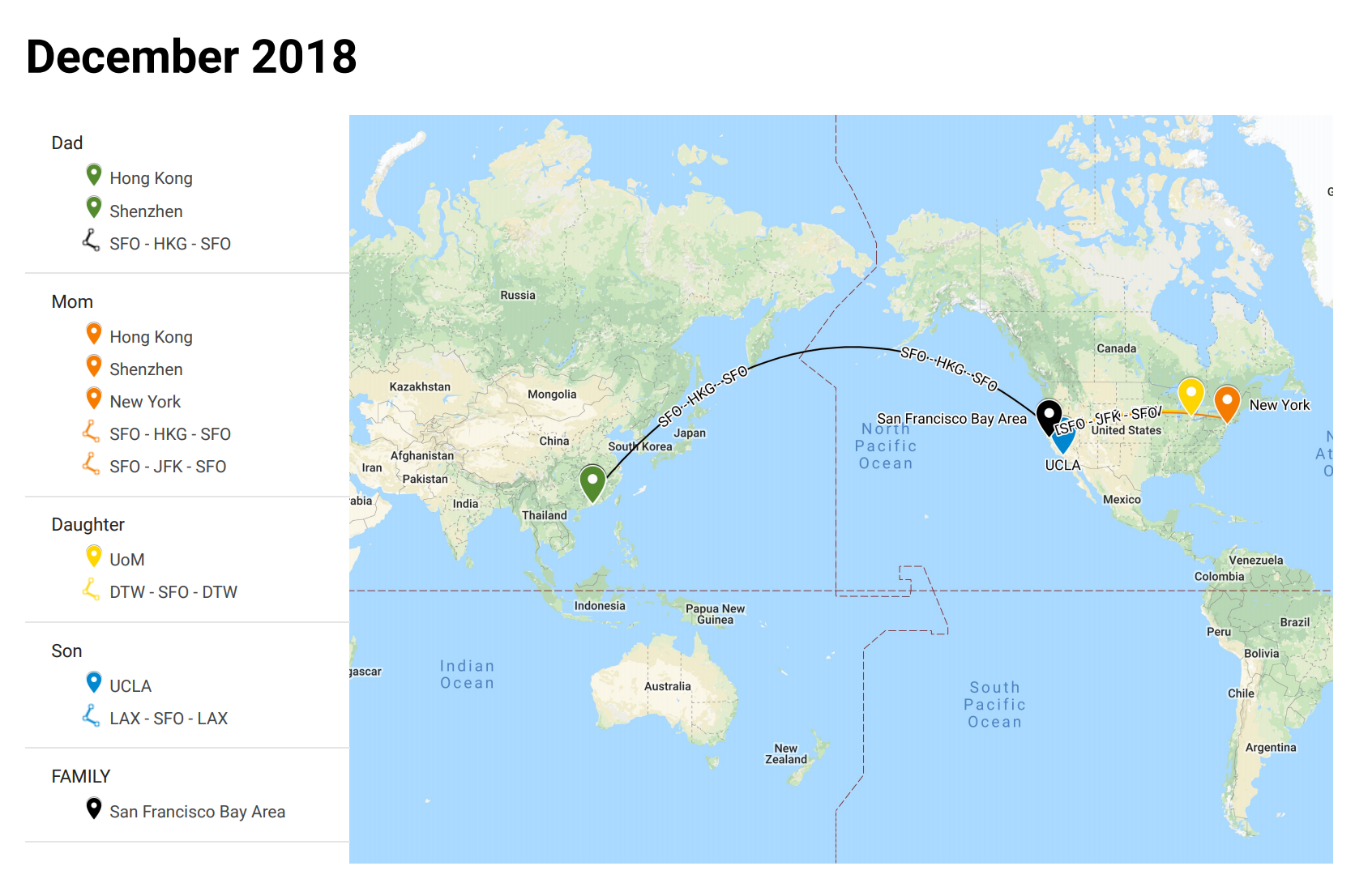
Traveling has become so common these days.  In the 2nd week of December, our family of four spanned across four places, three time zones and two big countries.   My husband and I had joy in visiting our siblings in Hong Kong. Siblings are gifts of our parents, and happy times with them are our gratitude to our parents.  We also spent some time in Shenzhen. We literally walked from Hong Kong to Shenzhen, but the differences are apparent. At Shenzhen, we were amazed at the ubiquitous adoption of technology and presence of delivery folks everywhere.   In the third week of December, our family of four is back to one place, one time zone and one country, as the children came home from college for three weeks.

How would you like to spend family time together?  Regardless, memory is most often made when we try something new and maybe even silly.  Such as trying new restaurant, waiting in line for over an hour to get a a take-out burger meal, or that my daughter patiently taking out my white hair one at a time.  I enjoy doing normal healthy things together such as hiking, reading, going to gym, going to bookstores.

We had meals together, drank some red wine together, and enjoyed small chat around the dinner tables.  The children had their own space too, often they spent time in their rooms, with their electronic gadgets, and they spent most of the mornings sleeping.   For many years, I have tried, in vain, to get the family to play board games together; but it is just hard to counter the abundance of individualized entertainment.  Call it YouTube or NetFlix effect, sometimes, it is not easy to watch the same family movie together on the same TV.   And call it Internet influence, their world has expanded beyond the physical world and the world of books.  I felt like Don Quixote fighting the windmills in my attempt to reduce the influence of the Internet, YouTube, NetFlix and the like.   At the same time, these technology has powered the young ones to be smarter, learn faster, work more productively, and have a more global world view.  I am still surprised on the progress made in the last few decades, and grateful that the platform is there for the young ones to do even more magical stuff in the upcoming few decades.

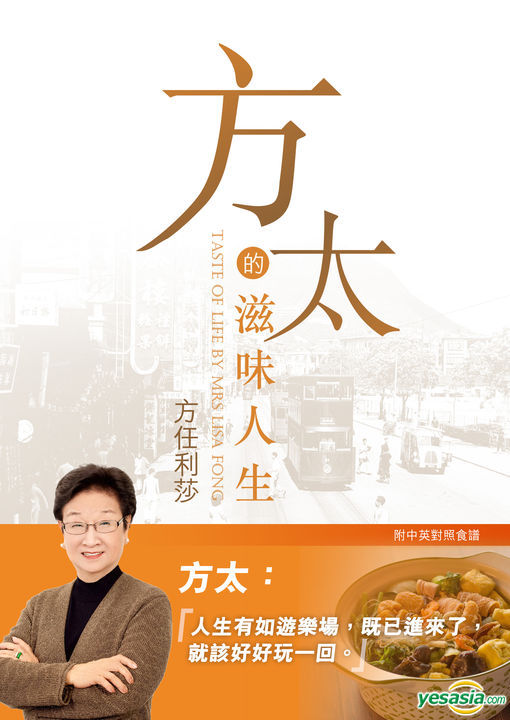
Taste of Life by Ms. Lisa Fong
方太的滋味人生

方太的滋味人生This is a book filled with words of wisdom from Ms.Fong (方太) and it inspires.  Everyone in Hong Kong knows 方太. She has been appearing on TV shows to teach cooking in the seventies or eighties.  She became an icon and has been the first generation of housewives sharing recipes and cooking tips with millions of other housewives.   

方太 is now in her eighties, and is a happy old woman who continues to learn and grow.  Her writings reflect so much energy, and so much love for her life, her family and friends.   If you are looking for recipes, you would not be disappointed, but more so, I enjoyed what she wrote about important ones in her life – her parents, her children, her grandchild , her maids, her co-workers. I truly admired 方太 and her positive frame of mind towards life.   I love how she thinks of life as the ticket to a theme park, and that since you are there, it is far better to enjoy the journey. How positive! And that she thinks of death as the gradual loss of our fitness and gradual relaxation towards unconsciousness. How wise!

Her success across multiple generations is her own making and no coincidence.   


Leave a comment »

September: transition

Early September, I was in Vancouver for a weekend visiting my brother’s family.  The sky was laden with overcast as the plane touched down. The city feels very clean, looks modern  and the traffic is not bad. It is a likeable city. Over the weekend, we visited the Stanley Park, Granville island and the Capilano Suspension Bridge park.  I enjoyed the gatherings and played our role as tourists. I like the city, but also feels that it is missing its energy, its prosperity and its own character. I wonder if living in Vancouver through the rainy season could be a depressing experience .


This September will be remembered as my transition to become an empty nester.

After helping our son to move in to his dorm in LA, my spouse and I had a great time visiting in the Getty Museum, then the two of us went home.   The term “empty nesting” did not quite reflect the sentiment I experienced in the first week after, I felt more like being granted “renewed freedom and extra time to spare” even though we always miss our children.   Living with teenagers is sometimes an energy sapping experience. When taking care of infants or young kids, it is physically exhausting but mentally uplifting as the babies make you feel so much needed. Teenagers give parents sprouts of helplessness when they choose to follow their ideas, and simply ignore the parental advice about healthy living, good work habits and important moral values.  It would have been not that bad if not for his injury that requires extensive physical therapy to maximize his recovery. I had some nights waking up exploring (mostly in vain) how to squeeze in more life lessons and healthy habits to my son. Now it is time for him to flap his wings to find his own path, and we become his supporting cast from this point onwards.


*****************
第十年的情人節 (Traditional Chinese)
by 東野圭吾 (Keigo Higashino)

I enjoyed the clever plot of his long detective novel “The Devotion of Suspect X: A Detective Galileo Novel” by the author.

I had expected more clever murder cases from his new book.  To my surprise, this latest addition comprises of nine short stories.  Only two of the stories are related to murder cases. Each story is engaging, about human beings that we can relate to, about likeable characters and often about relationships that we care about such as paternal love, parenthood, friendship.

After all the years writing about detective stories, Keigo Higashino brings us back to the fundamentals when we look deep enough, many real life stories consist of clever plots and interesting twists too.   

I fully enjoy reading each of the nine stories.


Enlightenment Now : The case for reason, science, humanism and progress
By Steven Pinker

With enthuse praise of Bill Gates, this book has taken me quite a while to finish.  

It has three parts – I.  Enlightenment and what it is ;  II. Progress and III. Reason, Science and Humanism.

Part I and II contain humongous volumes of information, which prove beyond doubt that life has never been better than now in terms of progress towards life expectancy, maternal mortality, child mortality, poverty, diseases and maybe even happiness.

Human survival instinct tends to focus on the negative sides of many things, and modern journalists like to create drama out of bad news.   The author debunks those biases, and provides us convincing evidence our progress towards living longer, healthier, safer, richer and happier.

Part III reads like an extremely long persuasive article to convince reason, science and humanism over things like authoritarianism, magical thinking, irrationalist, fascism and theistic morality.  I find it taxing to follow along.

I enjoy Part I and II, but part III seems too academic and too full of different terminologies.

If you think the world is not getting better, this book is a must read to change your mind.

Leave a comment »

My Reading List in August

August has been a month of travelling for the family, I was in New York for a couple of days. With flight cancellation and delay,  I ended up spending more time in the airport than in the office. Later in the month, my family took a trip to Los Angeles and it was very enjoyable to stroll in Little Tokyo, Universal Studio and UCLA.


A Terrible Splendor: Three Extraordinary Men, a World Poised for War, and the Greatest Tennis Match Ever Played
By Marshall Jon Fisher

Whether you are a tennis fan, I highly recommend this book.  

‘A Terrible Splendor’ serves as a history literature as much as a book on the greatest tennis match played in 1937 Davis Cup, on the hallowed grounds of Wimbledon.  It was not only a match between world no. 1 Don Budge and no. 2 von Cramm. It was a match of America against Germany, democracy against fascism, on the brink of the World War II.   The humble hard-working Don Budge played for the pride of America while the aristocratic Gottfried von Cramm played for his life that a loss could descend him behind barbed wire back home.   And there was another tennis all-time great Bill Tilden in that era, an American surprisingly support the German team instead of the American team.

‘A Terrible Splendor’ feels like a prequel of “Strokes of Genius” on the Wimbledon 2008 final between Nadal and Federer as the greatest match ever played.  Just that it is hard to compare two great matches, it is hard to compare two books both on the “Greatest Tennis Match Ever Played”.  

‘A Terrible Splendor’ has more depth as the 1937 match had the historical significance that went way beyond sports; and the characters had the social struggle of the aristocracy, the working class, the gay community, and the economic crisis in that era of Berlin.   

The book absorbs the social and historical happenings in the athletic spectacle as the tennis matches played to its full five setters, and keeps us in suspense until the very end.  It is ultimately a tribute to the strength of the human spirit.


A Short History of Tractors in Ukrainian
By Marina Lewycka

It is about tractors, and it is not.  The novel is about a first generation from Ukraine to England, and the family dynamics through their journey from Ukraine to England.  When the recently widowed father announced his plan to remarry a Ukraine gold digger fifty years his junior, his two daughters need to set aside a lifetime of bitter rivalry to save him.   It turns out to be no easy feat as this Ukraine beauty leaves behind her husband and son in Ukraine, and will stop at nothing to pursue the luxurious western lifestyle that she dreams of. As the new marriage unfold, it unveils the never-talked-about family taboos, and the two sisters start to reconcile their differences.

I read not only about a novel, but how life has been in Ukraine for the last few decades.


Political Tribes – Group Instinct and the fate of nations
By Amy Chua

An insightful analysis how blindness of American foreign policy to tribal dynamics has caused us many mis-steps in Vietnam, Afghanistan, Iraq, Venezuela.    Alone among the powers, America is what the author will call a super-group, a group open to individuals from all different backgrounds while not needing its members to shed or suppress their subgroup identities.   As the 2016 presidential election result shows, there is a chasm between the tribal identities, the left and the right, and inequality between the country’s haves and have-nots. Could America be immune from the same tribal politics that have torn other regions apart?   Are we doing enough to approach each other to heal the deep rifts that divide the country?

An eminently readable book on the topic of tribalism and its influence not only on the international fronts, but everywhere of the world.

Leave a comment »

My Reading List in July

This month, I got through a couple of books with the theme of “overcome difficult times and grow”.  They offer inspirations that we may not find in our daily routines.

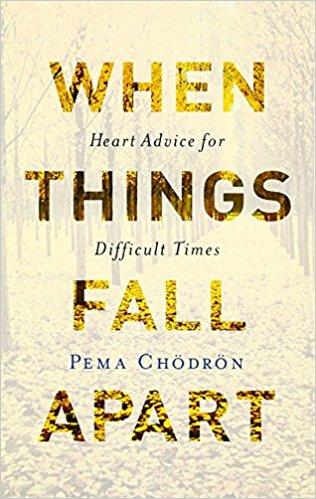
When things fall apart (Heart advice for difficult times)
By Pema Chodron

A book of advice how we deal with the off-center, vulnerable in between states.  In difficult times, wenaturally want to revert back to what we have lived as before.  After illness or injuries, we strive to get back our lost faculties. Just like people with acrophobia desperate to revert to ground level.   This book offers abundant wisdom that things are always in transition and the transition can be an ideal state to open our hearts and minds beyond what you think is possible.

The book is jam-packed with advices and Buddhist philosophies.  The content is not very organized, whichmakes it hard to digest and effort to ponder what to take or not to take from the read.  

This has been my bedtime read for a while and there is a lot to like about.


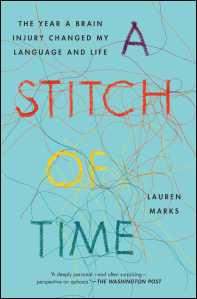
A stitch of time: the year a brain injury changed my language and life
By Lauren Marks

A sudden rupture in aneurysm (a stroke) changes the life of Lauren.  Lauren was a reader, actress, director pursuing her PhD. After her brain injury, she has aphasia and lost her language ability.  This is her story of resilience, her documentary of how she lives her new self, and how she reconnects in a changed way with her family, her brother, her boyfriend, her friends.

More than a year after her injury, she asked the doctor “when should I consider myself recover enough?”  And her doctor said “Recovery looks different for different people. For someone who wasn’t interested in language in the first place, they sometimes feel like their language is as good as it will ever be in the first months after their stroke.  But someone who made their careers in words? Who is to say when they are recovered enough?”

Lauren shows exceptional courage in her remarkable journey since the rupture.  Her talent in storytelling is remarkable with or without aphasia. Her rupture would have shattered her life; instead, she shows us hope and possibilities even in the worst moments.

Leave a comment »

My Reading List in June

I read almost all kinds of books (well, still trying to finish a book by Nora Roberts who wrote over 200 romantic novels).  Reading a good book before bed-time is something that I look forward to.

Istanbul – City of Majesty at the crossroads of the world
By Thomas F. Madden

A compelling narrative of the colorful history of the City, as a historical center over a thousand years, as a capital to multiple empires, as a focal point of Christianity and Islam.  The author skillfully unpack the sophisticated history into an absorbing read. It is a perfect read for anyone who plans to visit Istanbul; it is as much a book about history as a delightful read.


The Four – Hidden DNA of Amazon, Apple, Facebook and Google
By Scotty Galloway

This book starts with a summary how these four companies become not only dominant, but also omnipresent.  The author scrutinizes these companies, and asks deeper questions on how their successes affect the society, affect the economy, affect the job market and affect each one of us; some of the effects can be disturbing – would there be much less jobs?  would the middle class be squeezed out, leaving only the very rich and the poor? It explores potential companies that may compete with these four; and lists the personal success factors that would get you to the cream of the digital age. This book gives a provocative look at these companies whether you agree with the author’s point of view.

Even if you are not interested in these four companies, it would be worth to check out the “Personal Success Factors” to assess how to make a decent living in the digital age.


Everything happens for a reason
By Kate Bowler

Life is going on well for the author, then at thirty five, she was diagnosed with stage IV colon cancer, facing imminent death.    This is her account of important people and events in her life, her religion, her family and her illness. In her darkest hours, the author keeps her humor, her bravery and her love of life; and continues to live courageously and to the maximum.

In the appendix, there is a short list  of “Absolutely never say this to people experiencing terrible times”

  • “Well, at least …”, “In my long life, I’ve learned that …”,”It’s going to get better, I promise.”, “God needed angel”, “Everything happens for a reason”, “I’ve done some research and … “, “When my aunt had cancer …”, “So how are the treatments going? How are you really?”;  

then a short list to try

  • “Can I give you a hug”, “Silence”, “I’d love to bring you a meal this week”,”I am so grateful to hear about how you’re doing and just know that I’m on your team”, “Oh, my friend, that sounds so hard.”

This book will lift you up if you or your close ones are going through terrible times.

Leave a comment »

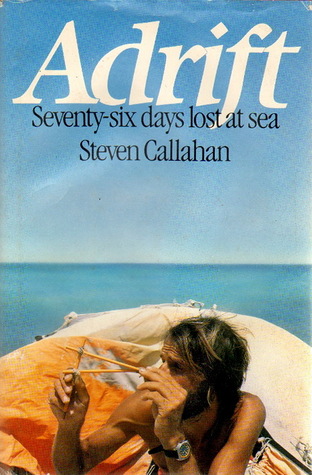
ADRIFT by Steven Callahan

AdriftAdrift : Seventy-Six Days Lost at Sea  

This book was mentioned in a book on recovery from illness, where one of the patients read this book every single day.   As I finished reading “Adrift”, I understood why the patient read this book as she was bound in her hospital bed.

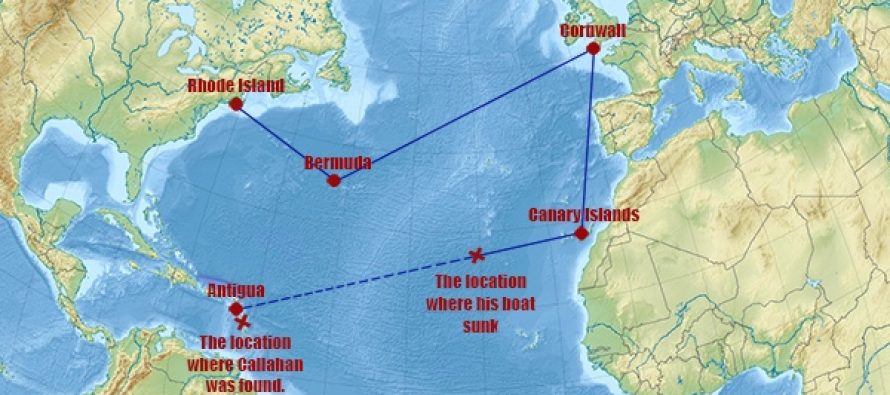
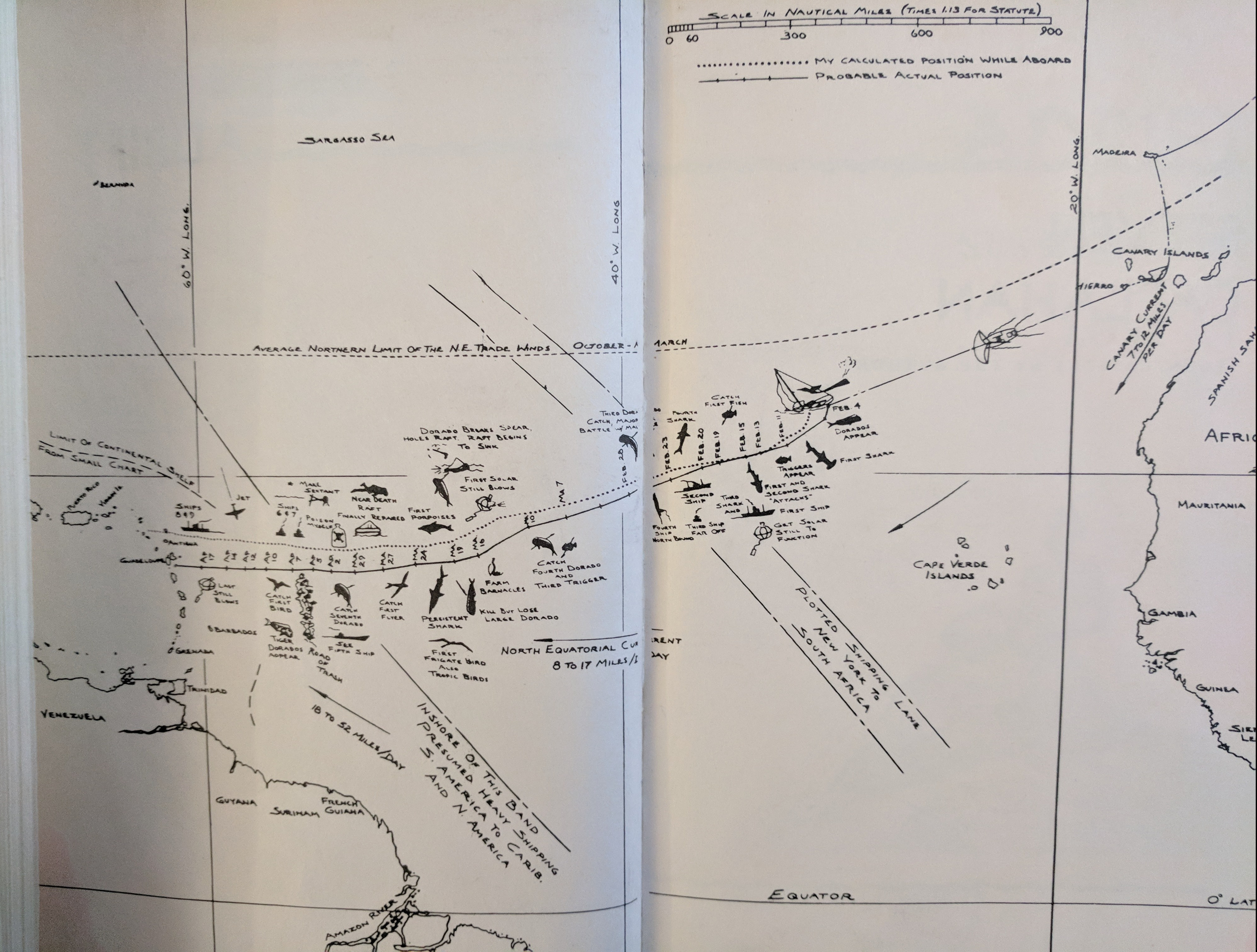
The book is a first hand account of how the author fought for his life in an inflatable raft after his small sloop capsized only six days from port.  He was lost in the sea for 76 days as his raft floated 1800 miles before finally being rescued by a few fishermen near Guadeloupe.   Alone by himself,  he had to collect drinkable water, search for food, fix equipment breakdown, overcome sharks attacks, endure storms, live through physical pain and at times, depression.  Eight ships passed him by.  In those 76 days, he constantly fought for his life.  He resorted to find comfort and strength in his dreams about family, food, and water. 

The “lost at sea” journey delivers the author (and the book readers) a revelation.  Sometimes, we are adrift in life.  Sometimes, when our ideal does not match reality, we flee the reality. Sometimes, we cannot accept our own limitations as well as those of the people around us.  Through the ordeal, he learns that he is stronger than what he think he is, and he can accept his limitations while learning to compensate for them.

In his 76-day chronicle, there was detailed account how he lived his day, fixed the still, fixed his spear to be used as the only weapon to catch fish, and fixed the leaking of the raft tubes.  

What truly amazed was how he was occupied with fighting for his survival and how little he left time for despair.   Through the ordeal, he learns to live in harmony with the magic and the mystery of the sea.  It is his positive mindset that resonates and inspires the book readers.  It is one of the classics that lifts our spirit.  

Steven-Callahan-Journey-890x395_c

IMG_20180224_203829One day, I would come back to read it again and maybe again.

Leave a comment »