The abundance of great books has been a source of happiness. In this last mile of the career, I am more interested in education, learning and development. As such it is a treat to read these great books on how we think, how we learn, how our brain remembers and forgets. I have also enjoyed reading the Cheery Friday emails of Dr. Barbara Oakley since attending her classes “Learning how to learn”, “Uncommon Sense Teaching” on coursera.org.
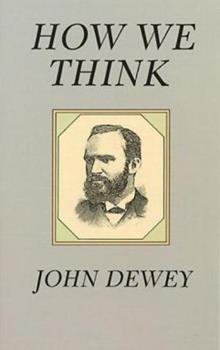
How we think
There may be no more critical time, than now, to educate the students how to think, how to differentiate the good and the bad from one’s own thinking and others’ thinking, how to cultivate the students with a system to think, to analyze and to differentiate so as to make rational choices and not become victim of fake news, polarized views and biases. “How we think” is a must-read for those who have a say in the education system. Published in 1910, it is among the most profound books about what “thoughts” are, how we think throughout our life, and the role of education in shaping how we think. It gives a rational discourse of the hits and misses of the education approaches. Over a hundred years after the publication, there is still so much work to be done to better our education approaches.
One round of readings is hardly enough to grasp all the essences. As a caution, this book is very dense and it has taken me a long time to finish the first round.

How we learn : Why Brains learn better than any machine for now
Published in 2020, over 100 years after the book “How we think”, the author started with the seven definitions of learning; and how human learning is still far superior than machine learning.
Human beings are born with a comprehensive start-up kit to support each baby to thrive in all kinds of environments, learn all kinds of languages; our nurture helps to select the right configuration to optimize at different stages of learning. There are optimal times to learn different matters and it is encouraging that we continue to learn throughout our lifetime. To learn well, we need to pay attention, engage actively, learn from errors and consolidate what we learn.
f you’re into learning and education, and want something more than a casual read, this is a good book to read.
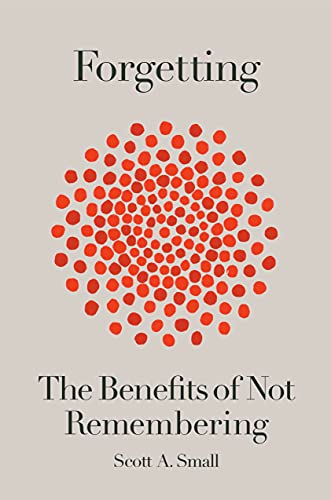
Forgetting – The benefits of not remembering
Many have lamented about forgetting about things, and wish for a better memory. Dr. Small shared his patient stories and used them as references to give a discourse of the latest understanding of how the brain works, from the metaphor of hippocampus as the teacher, prefrontal cortex as the library, amygdala as our emotional center, to our working memory, long term memory.
If you are interested in a slightly deeper understanding of neuroscience or intrigued about the brain function in normal aging versus Alzheimer, the book is for you. Or if you want to be convinced that a bad memory may actually be a blessing in disguise, you would enjoy the read.












 oliviatamccue