oliviatamccue

about everything, anything or something

Wild – from lost to found on the Pacific Crest Trail

I have recently enjoyed two books, both from remarkable women, in their memoir on how they find a new purpose after personal catastrophe.   Not that they are the kinds of book I seek after, but more that they sell pretty well,  and take up good positions in libraries and book stores.

The first one “Gift of Hope” by Danielle Steel with an earlier book review in October. If “Gift of Hope” is about courage, empathy, love and a voice for the homeless; this book    is a personal journey full of adventures, physical and mental challenges, at times crazy but more often  inspiring how a solo hike in the nature helps the author from lost to found.

“Wild”, publishpacific crest trailed in 2012, is an honest memoir of the author’s eleven-hundred miles solo hike of the Pacific Crest Trail in the mid 90s. The solo hike took place after her mother’s death, her divorce from a caring husband, her drop-out from college, and that she ends up with heroine and an addictive boy friend, when she was only twenty two years old.  She has nothing more to lose and has made the most impulsive, yet life changing decision to hike the Pacific Crest Trail along the west coast of US, with no experience as a long-distance hiker.
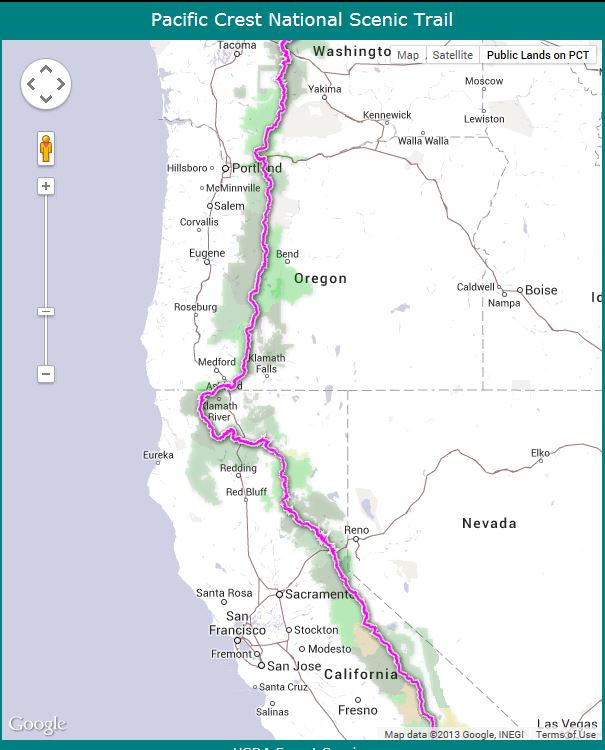
Strayed faces almost insurmountable physical and mental challenges in the first few weeks; from the monster backpack to carry, the over-tight hiking shoes, the blisters and pain, to the pitiful money she has at each ppacific crest 2lanned stop, where she would receive a supply box and twenty dollars to last till next stop on the trail.  Yet she survives those weeks by herself, and often warmed by brief encounters of fellow hikers.  As nature is, Strayed and the hikers are occasionally forced to bypass snow laden path of the trail and adjust their journey – there is this metaphor how Strayed count her toe nails lost to the trail, at the end of the journey, the nature has claimed 6 and she keeps 4.
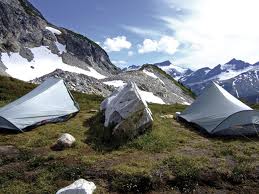
The first few chapters talk in length about the physical and mental demand; while subsequent chapters are more of a storied reflection of her own personal childhood, her relationship with mother, ex-husband and friends, and what she would like to become.  Her personal experience is captivating – at times heart- warming as she runpacific crest 3s into kind-hearted fellow hikers; at times dramatic as she loses her hiking shoe and walks miles on sandals; at times horrifying as she faces bears, rattlesnake and not the least, intimidating man with questionable intent; at times as she reflects her own past failures; yet, she forges ahead against all odds on this seemingly crazy journey of herself.  As Strayed gets further and further in her solo hike, things start to change.  She finds the courage to connect back to past; and she heals herself by facing her past while living her present and finding her future.
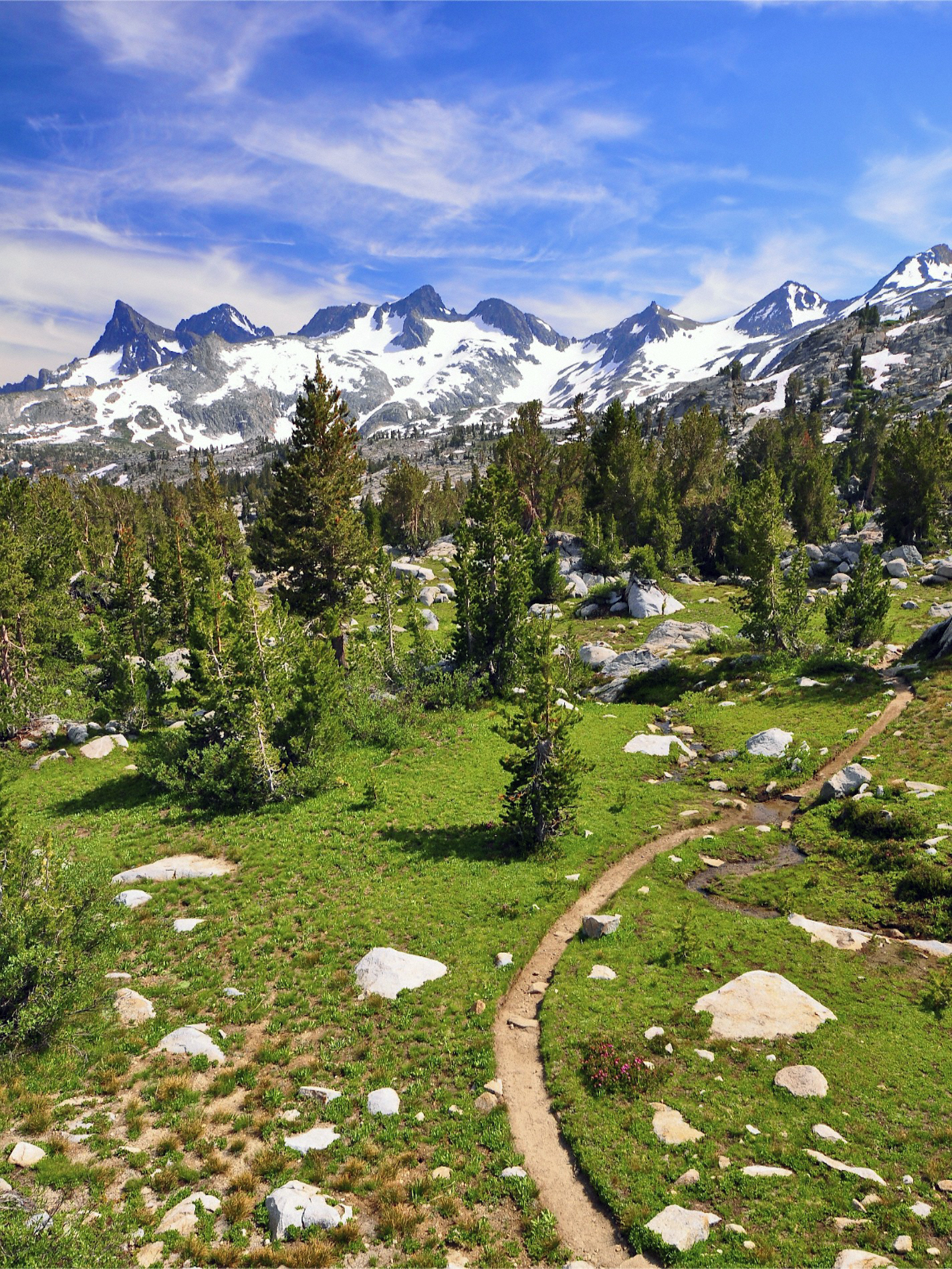
This is an inspirational memoir of an incredible journey of the author, both inward and outward.

Leave a comment »

Small town, big city, small and big company

Some movies describe life in small town as everyone knows everyone else; how gossip goes quicker than laser, the power of personal relationship and then come the plot.  My upbringing in city does not lend familiarity to life in small town.   In a city, it is more like people do not know their neighbor, or after saying “good morning” to each other, we are busy with our doings of the day.  After years, it is a comfortable habit in such detached interactions.

This small company gives me the experience of townsman.  At meal-time conversations, they talkSmallTown about individual co-workers and their years of history in the company – a bit like reading the People magazine.  And when things happen, they cite examples of “similar things happening in the past” and could get emotional. Behavior is not sophisticated and people could have open disagreements, yet there is a fair amount of intimacy, a bit like relatives who argue one day and reconcile later.  The decision making process may not be scientific nor result oriented, rather people oriented.  For people around in the company for a while and have the knowledge in the products, they could be pretty safe in the position no matter how ill-fitted they maybe for the current assignment.

If working in large cohongkongmpany is like living in a big international city like New York, Hong Kong or Tokyo, working in smaller company echo living in a town.  If folks in big companies talk about organizations, folks in smaller companies talk about people.  And if big companies make decision based on data and process and too much, smaller companies make subjective decision based on people they trust.  If big companies make each employee feel completely dispensable, does smaller company give employees more sense of importance?  If employees are used to constant reorganization in big companies, employees in this company still talks about re-organization of the company more than a year ago.

Such contrast creates the subtlety and the adjustment required to traverse from a large company to smaller company.

Leave a comment »

A fast month of November

There are fast months and there are slow months.  March is one of those that feel very slow. November feels fast; it provides the festive spirit with Thanksgiving for family and friends, Black Friday and Cyber Monday for shoppers.

I am never a jogger – I have done some strenuous hiking, but having both feet lifting off ground at the same time (aka the definition of running) without rest is insurmountable.   In high school, I barely finished running 400 meters and almost joggercollapsed.   To jog a mile has been on my goal list for years, it is hard to comprehend why it is even difficult.  Recently, a health coach has recommended this C25K iPhone app – not C twenty five; it is “Couch to Five Kilometers”.  It is an eight-week training program to conquer 5 kilometers.   The first week starts with 5 min walk (warm-up), then repeat “1-minute run and 1.5-minute walk” with the last 5 min cool down, total 30 minutes of exercise, 3 days a week.   The 1-minute run is tough for me even jogging barely faster than walking.  I feel good enough at the end of the 30 minutes to have energy in the tank to do it the next time.  I am at the 7th week; by 8th weeks, most likely I could not finish 5 kilometers in 30 minutes (aka 3.1 miles in half an hour); yet I conquer my jog-1-mile goal and know that I can jog for 22 minutes continuously, no matter how slow.   This is the furthest I have gone in this arena!

The more yea-charlie-brown-thanksgiving-original1-660x371ars I live in US, the more traditional the Thanksgiving celebration has become.   The best thing for the kids is a week of school break.  Their relaxation scheme is simple – computer and lots of, sleep, and a small bit of TV.  For a few years, we have salad, Turkey, Ham and Apple Pie with ice cream.   This year, goose is added to the menu.  Why is goose more expense than duck or chicken?  Goose has a much lower feed conversion ratio than other poultries.  Looking at the inches of oil on the oven plate, it is probably not the best food for our health.  Once in a year, who cares?

Thanksgiving shopping is a practice of financial damage – we think we get good deals; and often buy things that are not needed.   It is a relief to be back to work after the Holiday, to switch from spending mode to earning mode.  These days, the delivery folks no longer call to schedule delivery, they leave whatever-ordered just behind the backyard door.

The month concludes with checking out “things to do at the end of the year for tax planning and investment rebalancing”.

Leave a comment »

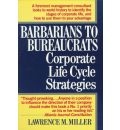
Barbarians to Bureaucrats by Lawrence M. Miller

Google search on “Corporate Life Cycle Strategies” has not revealed much recent coverage of the topic.   The book “Barbarians to Bureaucrats” by Lawrence Miller, published in 1989, shows up on the top page.

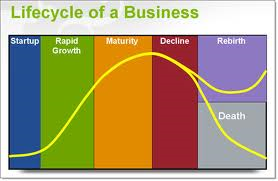
This boobarbarians to bureaucratsk reviews the life cycle of companies – how a company progresses from the early stage of formation to its decline.   As its title suggests, it talks through the Prophetic Age, the Barbarian Age, the Builder Age, the Administration Age, the Bureaucratic age to the Aristocrat Age; with the business strides from start-up, growth and maturity to decline.  The book sums it up well in the last chapter the business environment, the company structure and the leadership in each stage; their belief, mission and style of decision making.   To avoid the natural cycle of rise and fall, it gives the Synergist prescription, where the leader and organization escapes from a monolithic stage to a balanced and blend of leadership as needed; and how the synergist style cultivates unity and teamwork.company life cycle

The author has intertwined the corporate life cycle with historical events of the society or corporate events.  The analogy is a mix – at times improving the readability and sophistication; other times a bit artificial or weak.

I marvel how far the corporate dynamics have come along in these 30 years.   It could be – corporate executives have already put the insight of Barbarians to Bureaucrats and like into practice to regenerate their own companies.  Economies, industries and companies have their seasonality – most companies, those survive and thrive, reflect huge abilities to change, adjust and reorganize in maybe too quick a manner these days.

The book does a neat job in summarizing the topic, it provides a good reference when you start a new company or start in a new environment – consider a preview by reading the last chapter of “A life cycle overview” and skip to the specific stage that is most relevant to get the most of the book.

After 1989, such many events have taken place – just to name a few, the IPO days, the Y2K, the start-up, internet boom and bust to the increasing presence of technology.   It seems about time to see another publish on the topic.

Leave a comment »